Loading…
←Back to Newsletters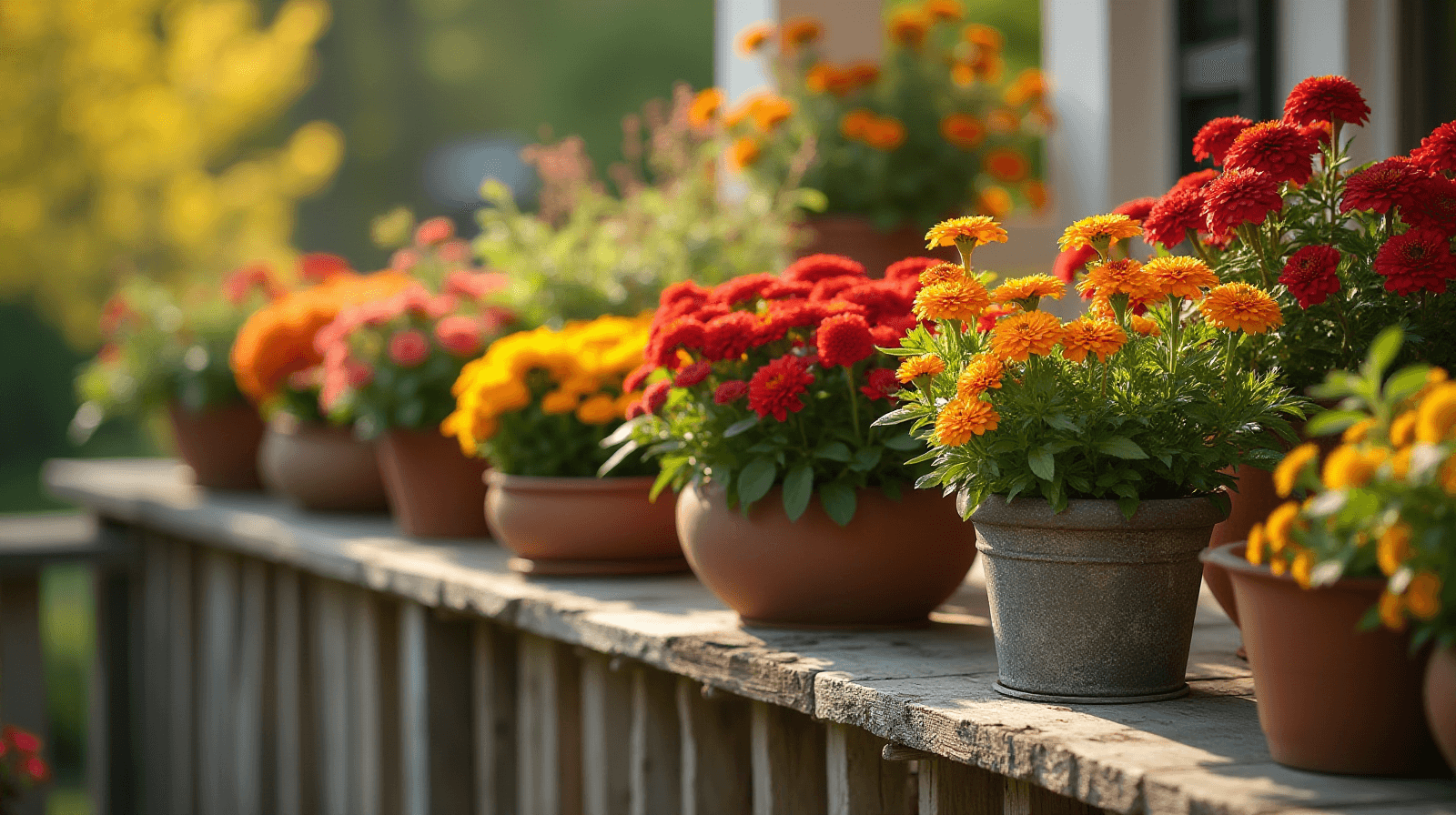
Keeping the Yard Colorful When Everything Else Slows Down
Written by David Rodgers — 2026-10-12
A zone-specific guide for maximizing fall blooms across USDA Zones 7 through 11.
The newsletter for backyard growers tired of advice that ignores their actual climate.
#SouthernGardening#ContainerGarden#FallPlanting#AnnualFlowers
The Challenge: Why Fall Planting is Different from Spring
If you’ve been gardening as long as I have—or even if you’re just starting out in your own backyard—you know that spring and fall feel like two completely different sports. In the spring, we are playing a game of "growth." Everything is about getting those tiny starts established, finding their footing in the soil, and pushing upward against the warming sun. It's an era of expansion.
Fall gardening, however, is a game of "preservation" and "transition." When you move into the autumn months, your goal shifts from building new life to managing what you already have while welcoming some late-season guests. The challenge here isn’t just getting plants to grow; it’s keeping them vibrant as the days shorten and the temperatures begin their slow slide downward. In my experience in Oklahoma, I've seen how a sudden heat spike in September can trick you into thinking it's still peak summer, only for a sharp drop in temperature two weeks later to stress out plants that weren't prepared for the shift. Fall planting requires us to be more intentional about variety and timing because we aren’t just looking for a quick burst of growth; we want sustained color that holds steady until the first hard frost hits your specific zip code.
When to Start (And When to Wait) – The Timing Game
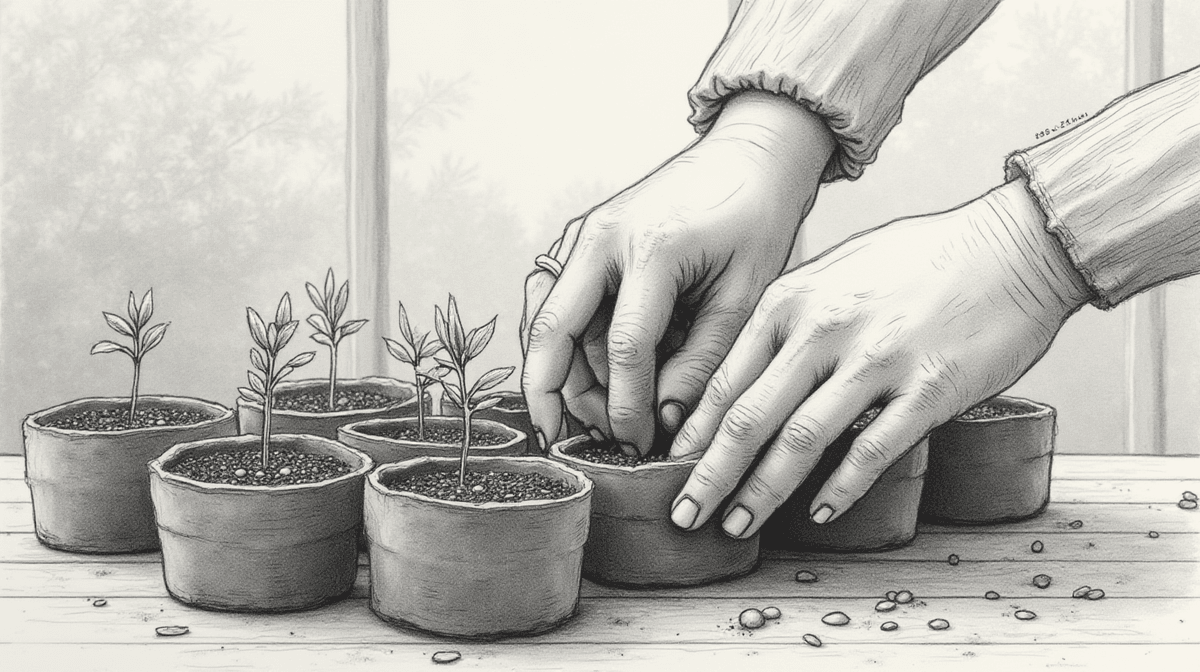
Timing is everything, but "timing" means something different depending on where you live and how much effort you want to put into the process from seed. In my forty years of trial and error, I’ve found that for most home gardeners in Zones 7 through 11, starting from seed for fall color can be a bit of a gamble unless you have a very controlled greenhouse environment. By the time many people are thinking about fall colors—late August or early September—it is often too late to start seeds and get them established enough to bloom before the frost.
For most of us, I recommend starting with "plugs" or nursery-grown starts. These are plants that have already done the hard work of establishing a root system. If you're in Zone 7, for example, buying something like pansies or mums in late August gives them just enough time to settle into your soil and produce those heavy blooms.
The Rule of Thumb:
- Seed Starting: Best reserved for early summer if you want guaranteed fall results from seed.
- Buying Plugs/Starts: This is the "safe" route for most home gardens, especially when trying to fill space quickly before winter arrives.
- Hardening Off: If you buy your plants from a nursery further north, always give them at least a week of "hardening off"—gradually exposing them to outdoor conditions—before they hit their permanent home in your garden bed.
The Common Pitfall: Thinking 'More is Better'
One mistake I see constantly—and one I made plenty of times in my younger days—is the urge to cram as many plants as possible into a single space just because "more" seems like it would mean more color. It’s tempting to see an empty gap in your border and jam three different varieties of annuals into it, but this often backfires.
When you crowd plants too closely, they start competing for the same resources: water, nutrients, and physical space. In a crowded bed, airflow is restricted. This creates a perfect breeding ground for powdery mildew and other fungal issues that thrive in damp, stagnant air. Furthermore, if the plants are jammed together, their root systems will tangle, making it harder for each individual plant to thrive.
Instead of "more," think about "intentional spacing." Give your fall annuals enough room to breathe. If you have a small space, pick one or two varieties that perform well in your specific zone and give them the room they need to grow large and healthy. A few robust, well-spaced plants will always look better than a crowded, struggling mass of foliage that's struggling against its neighbors for survival.
Zone Check: Adjusting Your Timing (7 vs. 10)
The biggest mistake you can make in gardening is following advice meant for someone in a different climate. A "fall" garden in Oklahoma (Zone 7) looks and feels very different from one in Florida or Southern California (Zones 9-11). In Zone 7, our window of opportunity is often dictated by that first looming frost in late October or November. We need plants that can handle a rapid drop in temperature while still maintaining their color.
In contrast, gardeners in Zones 10 and 11 have much longer "fall" seasons but may have to contend with different challenges, such as lingering summer heat into October or specific pests that don't move north as easily. Your goal should be to align your planting dates with your local frost dates.
| Feature | Zone 7 (e.g., Oklahoma) | Zones 10-11 (e.g., Florida/California) |
|---|---|---|
| Primary Goal | Quick establishment before first frost | Sustaining color through long, mild autumns |
| Typical Planting Window | Late August – Mid September | September – November |
| Common Challenges | Sudden temperature swings; early frosts | Lingering heat; specific southern pests |
| Key Strategy | Hardier varieties (Pansies, Mums) | Heat-tolerant "cool season" annuals |
The Three Keys to Continuous Color
If you want your garden to stay vibrant until the very last day of the growing season, there are three non-negotiable habits I’ve learned over decades of digging in my own dirt. These aren't just "tips"—they are the mechanics of a successful fall garden.
1. Soil Preparation
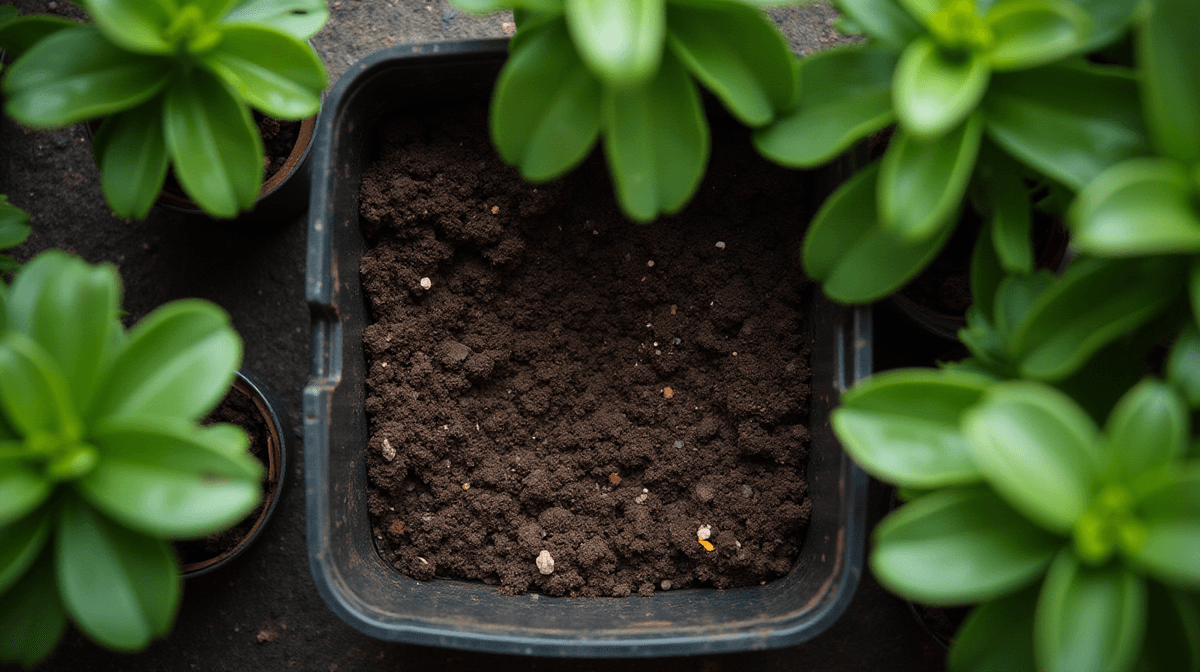
Don't just throw your plants into the ground. Before you plant your fall annuals, mix in some compost or aged manure. This improves the soil structure and provides a slow release of nutrients that will help the plants push out their final big bloom without being "burned" by too much immediate fertilizer.
2. The Power of Deadheading
This is one of the most overlooked tasks in fall gardening. When an annual flower fades, it starts to put its energy into making seeds. Once a plant thinks its job of reproducing is done, it stops producing flowers. By "deadheading"—pinching off those spent blooms—you trick the plant into thinking it hasn't produced any seeds yet, forcing it to keep pumping out new flowers instead.
3. Controlled Watering and Feeding
In the fall, you want consistent moisture but not a swamp. Over-watering can lead to root rot as the ground stays cooler and wetter. Additionally, avoid heavy nitrogen fertilizers in late September; this will cause a "flush" of green growth that attracts aphids and mites before it has a chance to bloom. Instead, use a balanced, slow-release fertilizer if you feel they need a boost.
Beyond the Flowers: Ground Cover & Edging Tips
Once the frost finally does its job and the most delicate flowers begin to fade, your garden doesn't have to become a graveyard of brown stalks. There are ways to keep the "life" in the yard even after the primary blooms are gone. This is where we look beyond just the annuals for some structural support.
First, consider mulch. A thick layer of wood chips or straw not only suppresses weeds but also acts as an insulator for the roots of your perennials and any late-season veggies. It keeps things looking tidy and "finished" even when the flowers are gone.
Secondly, consider "companion" plants that thrive in the cooler months. In my backyard, I often find success by planting some cool-weather edibles along the edges of my flower beds. Things like kale, spinach, or certain varieties of radishes can be tucked into the borders where they provide a different kind of interest—texture and greenery—that lasts well into the winter. These "workhorse" plants don't need much fuss, but they keep the garden looking productive and intentional even when the colors shift from vibrant pinks to deep forest greens.
Your turn
What’s your go-to plant for late-season color that can survive our humidity? Share it in the comments! If this saved you from another year of guesswork, hit share and send it to a neighbor who needs reliable garden advice.
🌿 Get Seasonal Gardening Tips
New guides, planting reminders, and growing tips — straight to your inbox.
No spam. Unsubscribe anytime.
About the Author
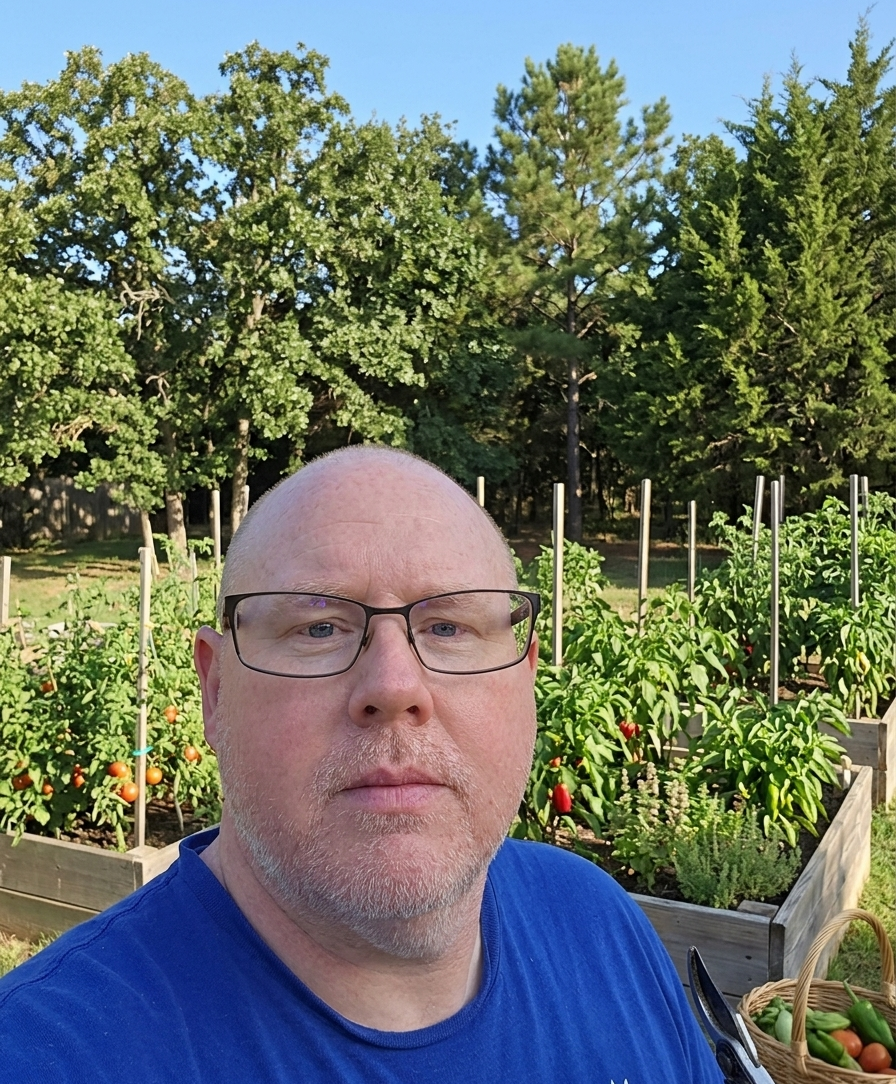
David Rodgers is the Founder & Head Gardener of Planting Atlas. With over 40 years of hands-on gardening experience in Oklahoma's Zone 7 climate, he researches, writes, and personally tests every guide on the site.
David draws from real backyard trials, soil testing, and trusted sources like Oklahoma State University Extension and USDA data to deliver practical, zone-specific advice that actually works.
Read more about David and Planting Atlas →