Loading…
←Back to Newsletters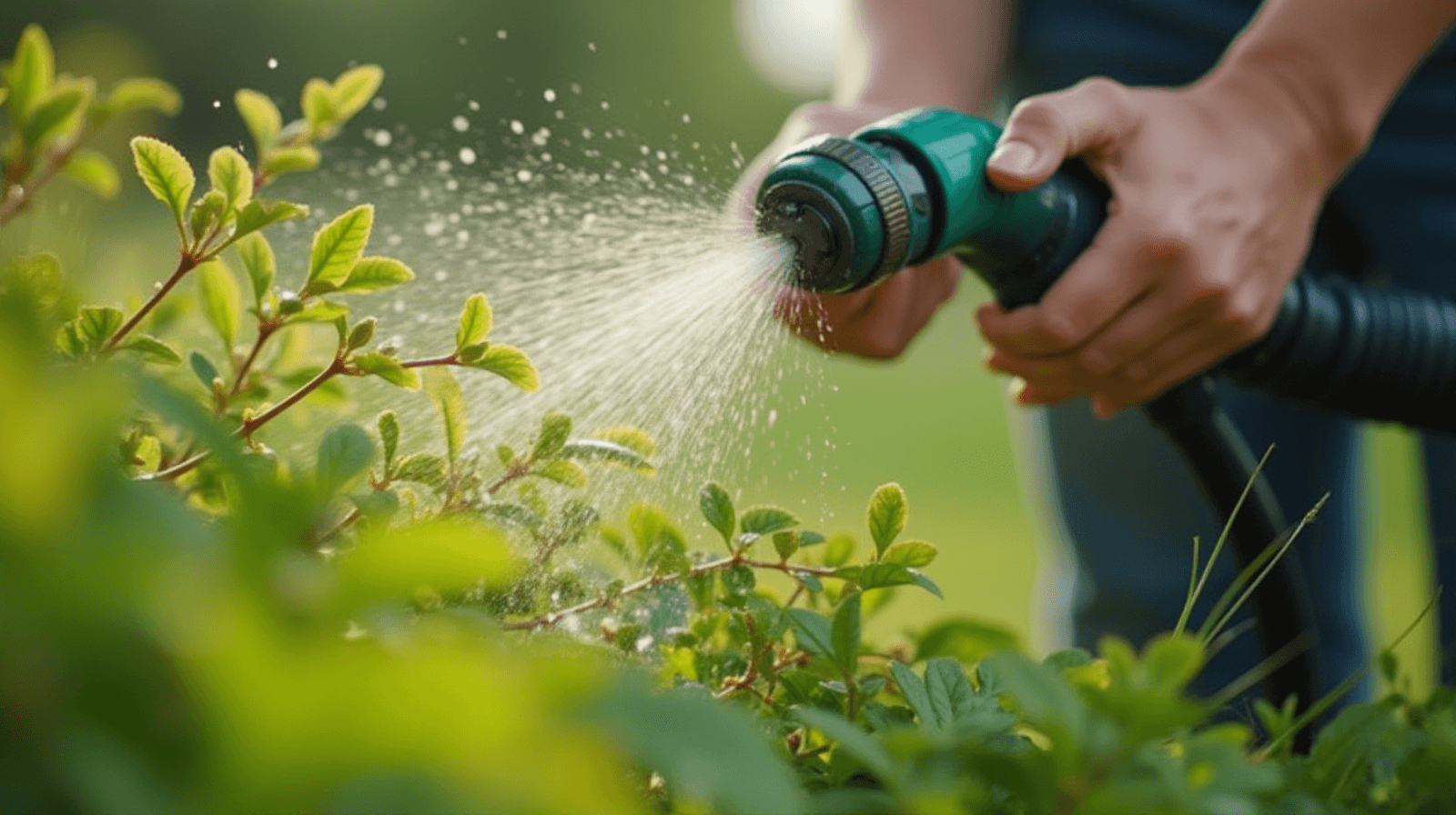
Keeping the little pests off your plants without reaching for chemicals.
Written by David Rodgers — 2026-08-13
A guide to keeping your garden healthy with natural methods and a bit of elbow grease.
The newsletter for backyard growers who'd rather learn from a mistake made 40 years ago than repeat it themselves.
pestsaphidsorganic gardeningpest control
The first time I really struggled with aphids, I thought it was just bad luck.
I remember standing in my backyard about fifteen years ago, staring at a row of young peppers that were practically dripping with sticky "honeydew." They looked like they’d been coated in syrup, and the tiny green insects—aphids—were moving in such numbers that you could barely see the stems. My first instinct, which I now realize was a mistake many gardeners make, was to grab whatever bottle of heavy-duty pesticide I had tucked away in the shed.
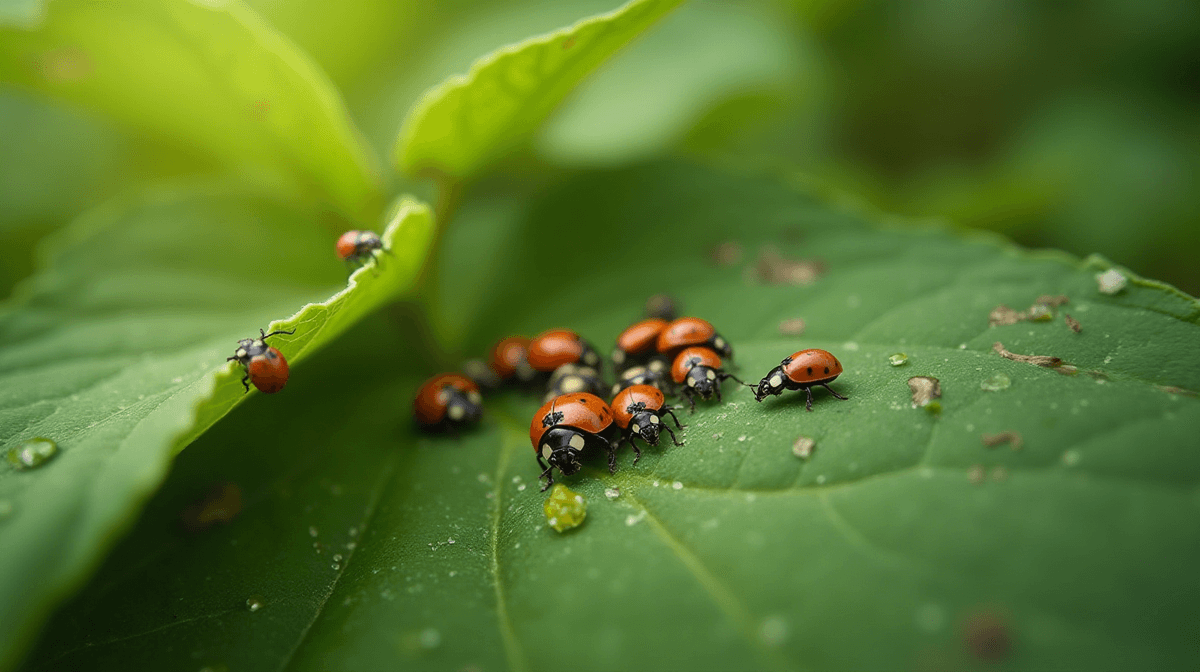
I ended up spraying them, and while it cleared the aphids for about a week, something else went wrong. Because those chemicals don't discriminate, they wiped out the tiny ladybugs and lacewings that were actually trying to do my job for me. When the next wave of aphids rolled in (and they always do), there was nothing left to stop them. I learned the hard way that "killing" the problem with a heavy chemical hand often just creates a vacuum that more pests will fill later. Now, when I see those first few clusters of green bugs on my squash or roses, I don't reach for the poison. I look at it as a sign to change my tactics—focusing on making the garden a place where predators want to stay and pests find it hard to settle in.
Prevention is always better than cure: Setting up your garden for natural defense.
In the Oklahoma heat, if you give an aphid a comfortable spot to hide among crowded stems, they’ll take it every time. One of the biggest mistakes I made early on was planting things too close together because I wanted that "full" look. When plants are packed tight, airflow is poor and humidity hangs in the foliage—a perfect nursery for pests.
I now advocate for giving your plants some breathing room. Proper spacing isn't just about aesthetics; it’s a physical barrier to infestation. If a plant is healthy and has plenty of air moving through its leaves, many insects will simply move on to an easier target. Furthermore, I use "trap crops" and companion planting as my first line of defense. For example, I love planting Nasturtiums near my more vulnerable vegetables. Aphids find them irresistible; they’ll swarm the nasturtiums and leave my peppers alone. Similarly, including things like yarrow or marigolds can help mask the scent of your main crops, making it harder for pests to find their way in. It's about creating a garden that works with nature rather than trying to fight it at every turn.
When the small armies show up: Low-effort ways to physically remove them.
Sometimes, despite your best efforts at prevention, you’re going to get an invasion. When that happens, don't panic and reach for the chemicals just yet. The first thing I do is grab the garden hose. A strong blast of water—what I call a "physical knock-off"—is incredibly effective against aphids. They are slow and weak; if you hit them with enough pressure to physically dislodge them from the stem, they often can't climb back up before the next check. It’s a simple way to drop their numbers immediately without leaving any residue on your food crops.
If the infestation is localized—say, just one branch of a rose bush or a few stalks of kale—I prefer manual removal. I take some heavy-duty gloves and literally wipe them off with a damp cloth or prune the affected section entirely if it's beyond saving. If you need something a bit more "active" than water but still want to avoid chemicals, a simple soap spray works wonders. You don’t need anything fancy; just a few teaspoons of a mild liquid soap in a gallon of water will coat the insects and make it hard for them to breathe. It's about making the environment uncomfortable for them, not toxic.
Calling in the help: Using beneficial insects for natural pest control.
This is where many gardeners get frustrated because they think "natural" means "doing nothing." In reality, some of the best ways to manage a garden are by hiring out the labor to the bugs that actually want to be there. I’m talking about ladybugs, lacewings, and hoverflies. These insects don't just happen; you have to create an environment where they want to stay.
If you spray heavy pesticides, these "good guys" are the first ones to leave or die off. To keep them around in your backyard, you need to provide habitat. This means keeping some areas of the garden a bit wilder—leaving some mulch, planting a variety of flowering herbs (like dill or cilantro), and ensuring there is plenty of water nearby. When these predators have a home, they patrol your garden 24/7. They’ll find those aphids and feast on them before you even notice they're there. It takes a little more patience to build this ecosystem than it does to spray a chemical, but the long-term results are far more stable for your soil and your peace of mind.
| Strategy | Method | Benefit | Timing/Zone Context (e.g., Zone 7) |
|---|---|---|---|
| Trap Cropping | Plant Nasturtiums or Sunflowers | Diverts aphids away from primary crops | Best planted in early spring; keep nearby |
| Physical Blast | High-pressure water hose | Immediate reduction of pest population | Effective during peak aphid seasons (May–July) |
| Soap Application | Mild soap and water spray | Suffocates insects on contact | Use only when populations are localized |
| Beneficial Habitat | Plant dill, fennel, & leave mulch | Attracts ladybugs and lacewings | Maintain throughout the growing season |
The 'sticky trap' method and companion plants that keep the bugs away.
To manage a garden effectively over several seasons, you need to be able to monitor what’s happening without constant manual checking. I use yellow sticky traps in specific areas of my garden—not just for the "stickiness," but as an early warning system. Many pests are attracted to the color yellow; if they start showing up on your traps in high numbers, it tells you that a population is building nearby before they actually reach your main crops. It gives you a head-start on your manual removals or soap applications.
I also lean heavily on specific "scent" barriers. For example, I often plant garlic and chives near my heavy feeders. The strong odor can mask the chemical signals that aphids use to find their favorite food sources. While it won't stop an aphid from landing if it happens to wander by, it makes your garden much less of a "beacon" for them. By combining these physical barriers (spacing), biological allies (beneficial insects), and sensory distractions (companion plants), you create a multi-layered defense. It moves the goalpost from "how do I kill every bug?" to "how do I make my garden a place where only the good bugs want to hang out."
Your turn
What is your favorite non-chemical way to deal with aphids? Let me know in the comments! Share this with a neighbor who struggles with pests.
🌿 Get Seasonal Gardening Tips
New guides, planting reminders, and growing tips — straight to your inbox.
No spam. Unsubscribe anytime.
About the Author
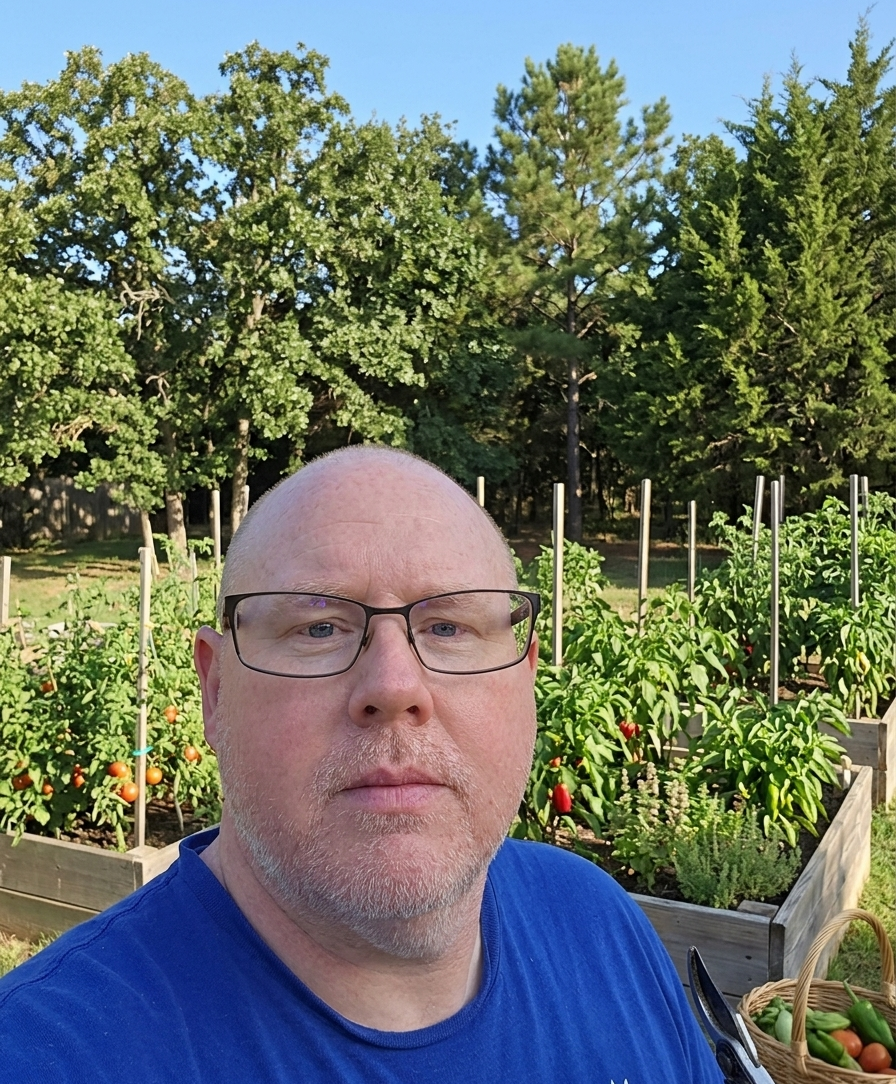
David Rodgers is the Founder & Head Gardener of Planting Atlas. With over 40 years of hands-on gardening experience in Oklahoma's Zone 7 climate, he researches, writes, and personally tests every guide on the site.
David draws from real backyard trials, soil testing, and trusted sources like Oklahoma State University Extension and USDA data to deliver practical, zone-specific advice that actually works.
Read more about David and Planting Atlas →