Loading…
←Back to Newsletters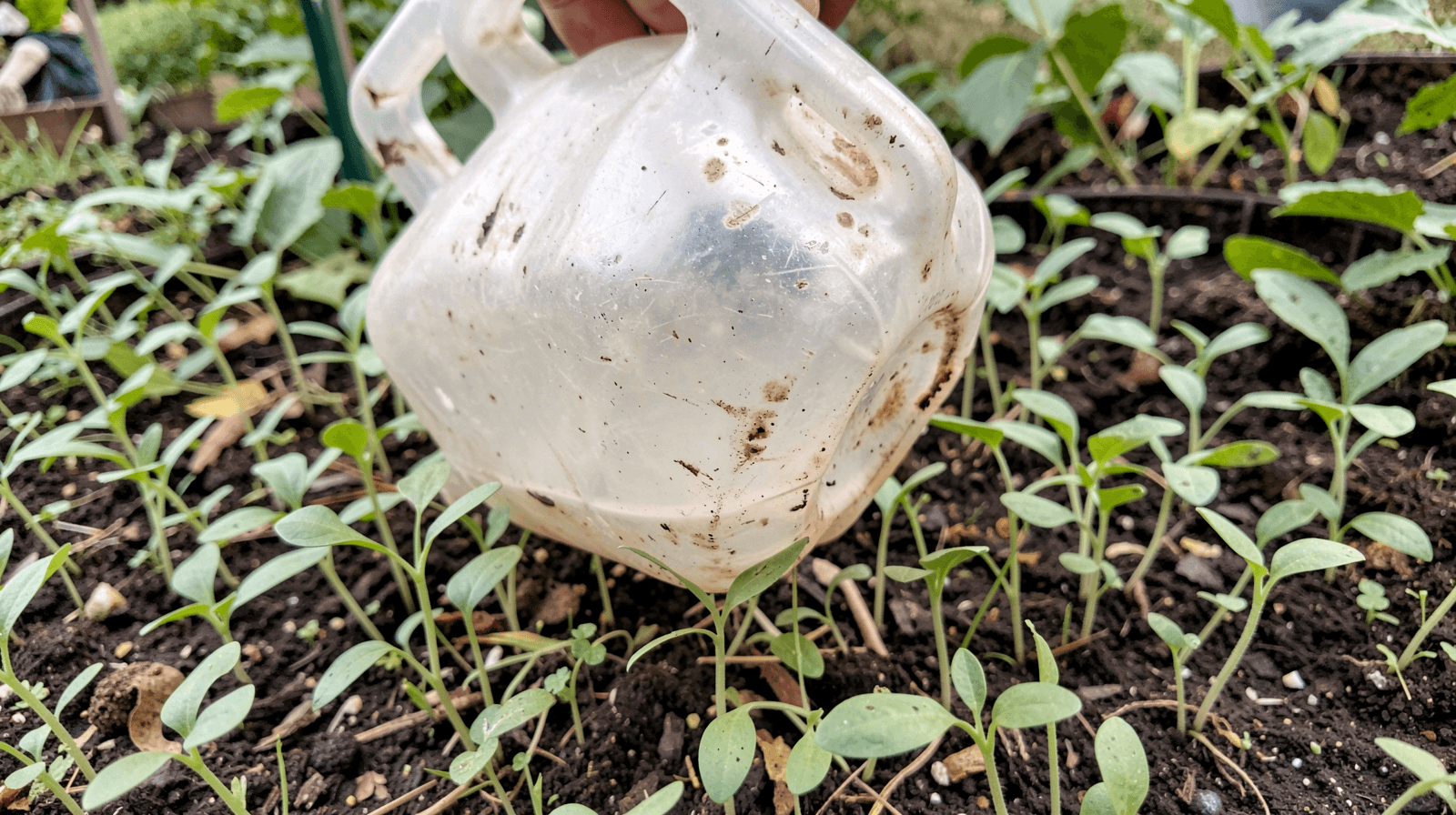
Keeping Dinner on the Table: Low-Cost Ways to Survive a Hard Frost
Written by David Rodgers — 2026-11-16
Six accessible tricks for home gardeners across all USDA zones.
The newsletter for backyard growers who'd rather learn from a mistake made 40 years ago than repeat it themselves.
WinterizingCold Weather GardeningEdiblesFrost Protection
The Hard Truth About Wintering Crops
There’s a specific kind of heartbreak that comes with waking up after a hard freeze and seeing your garden looking like a graveyard. In my 40 years of gardening in Oklahoma, I’ve learned that the first rule of winter protection is managing expectations: we aren't trying to keep these plants at a tropical room temperature; we are just trying to keep them from dying. When people talk about "protecting" crops through a freeze, they often think it means keeping the soil warm or preventing any frost from touching the leaves. In reality, that’s nearly impossible for most home gardeners without spending a fortune on industrial-grade heaters.
Protection is about two things: buffering against extreme temperature drops and breaking the wind. Wind chill is what kills plants faster than stagnant air because it strips away whatever heat the plant managed to soak up during the day. When you're trying to save your late-season peppers or hardy greens, you have to accept that some damage might happen regardless of what you do. The goal isn't a perfect harvest—it’s "survival." We are looking for those plants that can be salvaged and still provide a few more days of food on the table before the ground turns to iron.
When to Panic: Reading the Forecast vs. Acting on It
One of the biggest mistakes I see beginners make is waiting until they see a negative number on the weather app before they start moving blankets. By then, it’s usually too late for the plants to react. You have to think about your specific backyard microclimate. My garden in Zone 7 can behave differently depending on how much of a windbreak I have or if there's a dip in the land that collects cold air like a pool.
You need to start watching the forecast 48 hours out. If you see a "hard freeze" warning—usually anything below 28°F (–2°C)—that’s your signal to prep. But don't just look at the low; look at the wind speed. A night that stays at 31°F with high winds can be more punishing than a still night at 27°F. I always tell my neighbors: "If you have to think about it while the sun is going down, you’re already behind." You want your covers in place before the temperature starts its final plunge for the evening.
Frost Readiness Guide
| Temperature Drop | Action Level | Recommended Protection Type |
|---|---|---|
| 32°F - 36°F (Light Frost) | Low | Natural mulch or just a bit of extra water in the afternoon. |
| 28°F - 31°F (Hard Freeze) | Medium | Fabric covers, old sheets, or "jug" covers for individual plants. |
| Below 27°F (Extreme Freeze) | High | Low tunnels, cold frames, and heavy-duty insulation over the soil. |
The Cheap Shields: DIY Materials That Work Better Than You Think
You do not need to go out and buy specialized "frost blankets" from a big-box store that cost $50 a roll just to save a few tomato plants. In my backyard, some of my most effective tools are things I already had lying around the garage or in the linen closet. The key is finding materials that provide insulation without trapping too much moisture—if you wrap a plant in something that doesn't "breathe," you can end up with a moldy mess by morning.
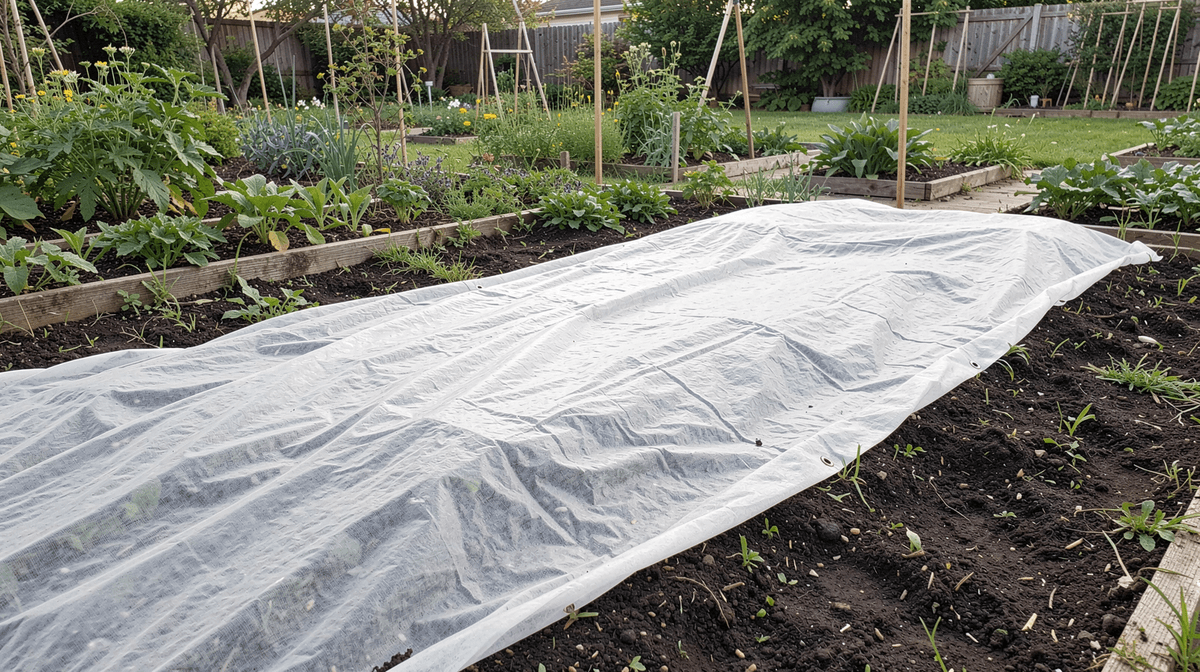
I’ve found that old cotton sheets and fleece blankets are absolute workhorses. They allow enough air exchange so the plant doesn't suffocate, but they provide a thick enough barrier to trap a layer of air against the foliage. Even better? Old windows or pieces of clear plastic can be used as "walls" rather than "roofs." If you can block the wind from hitting the side of your plants, they’ll hold onto their internal heat much longer. The goal is to create a pocket of still air. It's about being resourceful; if it keeps the wind off and holds some warmth in, it's working.
Building Low Tunnels and Cold Frames from Scrap
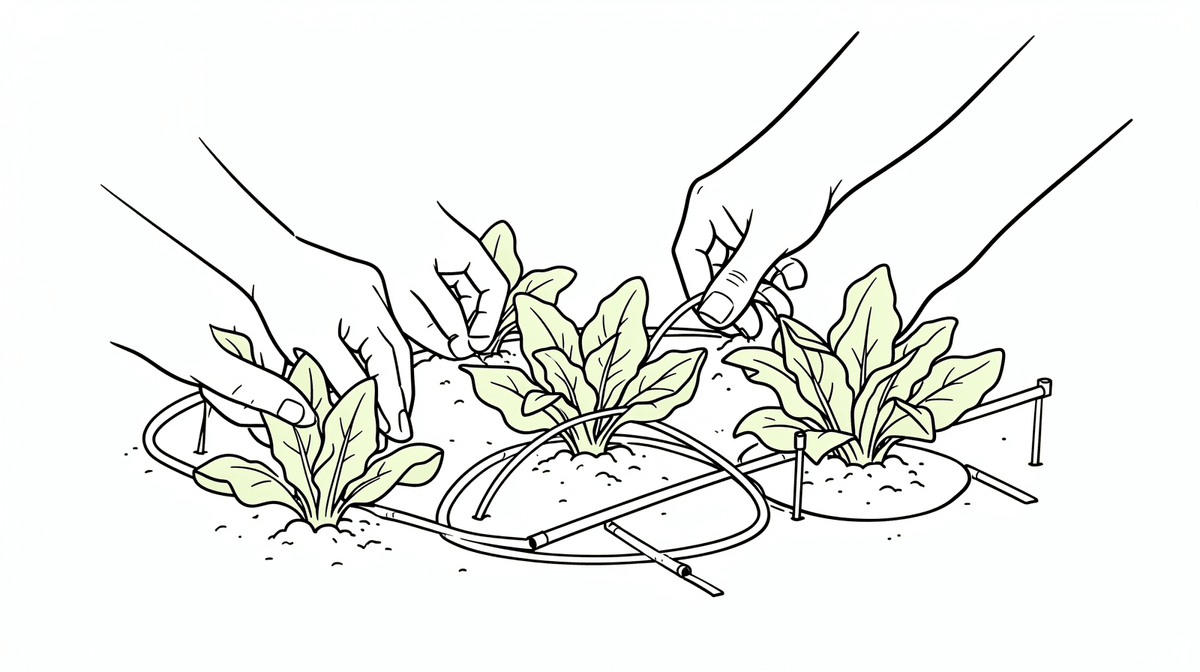
If you have a row of crops that you really want to save, building a low tunnel is one of the most effective ways to do it without spending much money. You don’t need fancy equipment—just some scrap materials and an afternoon of effort. I usually start with PVC pipes or even just sturdy wooden stakes driven into the ground.
How to Build a Basic Low Tunnel
- The Frame: Drive two rows of stakes (or lay out PVC hoops) along your garden bed, about 3 feet apart. If using PVC, you can bend them into arches and zip-tie them together at the base.
- The Cover: Drape a heavy tarp or several old sheets over the frame. The trick is to let it "tent" slightly so air can move, but keep it low enough that it stays anchored against the wind.
- Anchoring: Use heavy rocks, bricks, or even old tires at the base of the stakes to make sure your cover doesn't turn into a sail and fly away in a midnight gust.
A cold frame is similar but more permanent—think of it as a mini-greenhouse with a lid. If you have some scrap wood from an old pallet, you can build a simple three-sided box and use a piece of clear plastic or even a sheet of plywood as the "roof." These structures trap the ground's radiant heat, which is your best friend when the air temperature drops below freezing.
The Quick Fixes: Using Jugs, Blankets, and Old Sheets
Sometimes you don’t have time to build a tunnel—you just need to save that one row of peppers before the sun goes down. This is where the "jug" method comes in handy. I started using 5-gallon buckets or even large milk jugs years ago because they are incredibly easy to move around. You can cut the bottom out and place them over individual plants, or simply flip a bucket upside down over a single pot.
For larger plants, blankets are your best friend. But here’s a tip I learned the hard way: never use heavy plastic wrap as a primary cover during the day if it's sunny. If that sun hits the plastic, it creates a greenhouse effect that can actually cook your plants in the afternoon before the frost even has a chance to hit at night. Instead, use "breathable" materials like burlap or old towels for daytime and heavier blankets only when the temperature really starts to tank. I always make sure my covers are weighed down; there is nothing more frustrating than waking up to find your "protection" is sitting in the neighbor's yard because of a 10-mph breeze.
What to Expect After the Freeze Hits
The morning after a hard freeze can be depressing. You’ll walk out and see stems that look like black mush or leaves that have curled into crispy brown ribbons. It’s tempting to pull everything out and declare the season over, but I want you to hold off for at least 24 hours before making any big decisions. Plants often look much worse than they actually are immediately after a freeze; they need time to thaw and "settle" before you can see what's truly salvageable.
Assessing the Damage
- The Stem Test: If the main stem of a pepper or tomato plant is still firm and green inside, it might survive even if the leaves are toast. Cut back the dead foliage and give it some water; it may put out new growth in a few weeks.
- Root Health: For many vegetables like carrots or beets, the tops will die completely, but the roots often stay perfectly fine. Don't dig them up just because they look sad above ground!
- When to Give Up: If the main stalk is mushy or "slumped" and won't stand up even after it thaws, that plant is done for the year. Pull it out, compost the remains, and clear the space.
The goal of all this fuss is simply to give yourself a fighting chance at one more harvest. Sometimes you win, sometimes the frost takes its toll, but by using these low-cost methods, you're making sure that when it comes down to it, you've done everything possible to keep dinner on the table.
Your turn
What's your best low-tech winter salvage method? Drop a comment below! Did this help you prep for next year?
🌿 Get Seasonal Gardening Tips
New guides, planting reminders, and growing tips — straight to your inbox.
No spam. Unsubscribe anytime.
About the Author
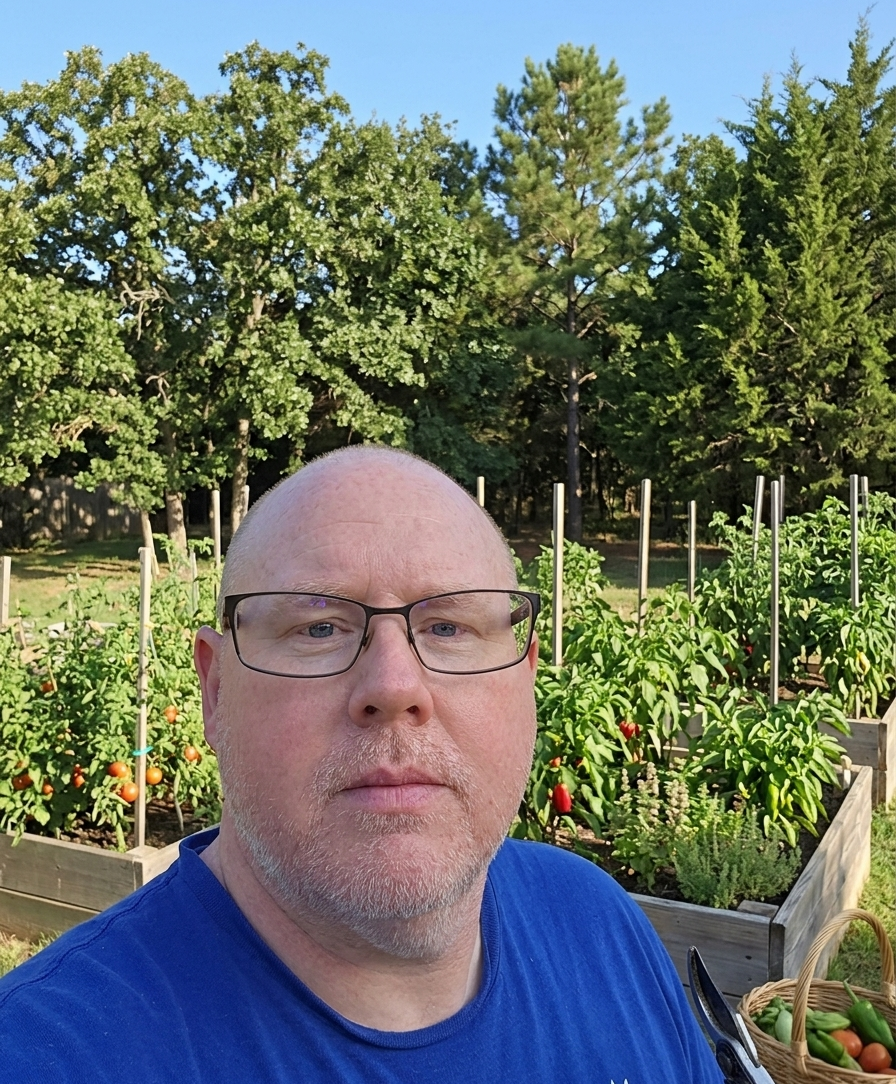
David Rodgers is the Founder & Head Gardener of Planting Atlas. With over 40 years of hands-on gardening experience in Oklahoma's Zone 7 climate, he researches, writes, and personally tests every guide on the site.
David draws from real backyard trials, soil testing, and trusted sources like Oklahoma State University Extension and USDA data to deliver practical, zone-specific advice that actually works.
Read more about David and Planting Atlas →