Loading…
←Back to Newsletters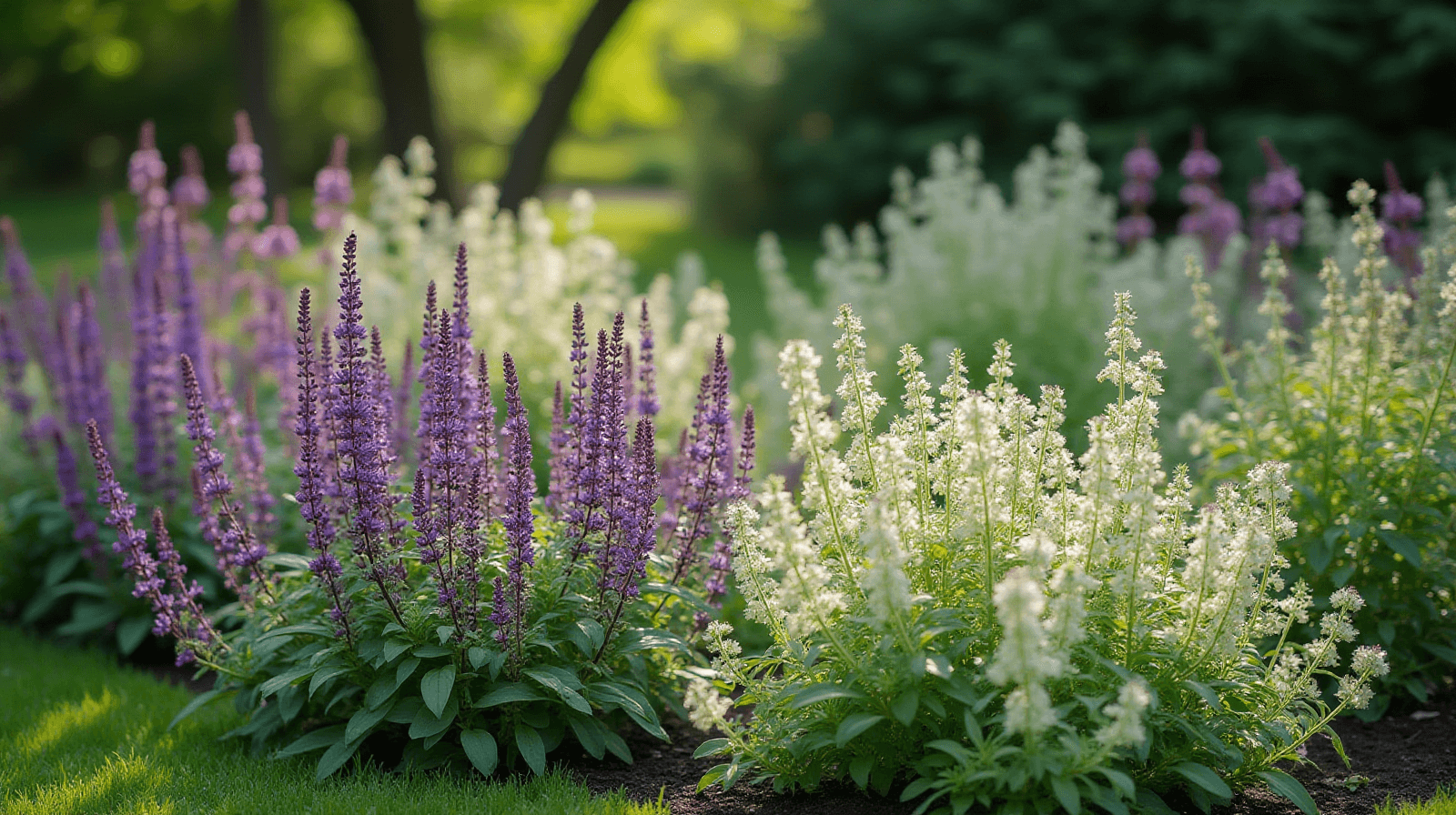
Keep Blooming Through Autumn: Better Alternatives to Lavender Bloomers
Written by David Rodgers — 2026-10-10
How continuous color and deep pollinator support can anchor your garden through the fall fade.
The newsletter for gardeners who want to stop guessing and start knowing what actually grows here, even when spring is long gone.
PerennialsPollinatorsFall GardeningLandscape Design
The Dreaded September Slump
There is a specific moment in late August or early September where the garden starts to look tired. You walk out with your morning coffee and notice that the vibrant mid-summer display is beginning to fray at the edges. Some perennials are spent, others have gone to seed, and the overall "wow" factor of the July peak has faded into a dusty, weary exhaustion. It’s easy to feel like the show is over—that you just have to wait until spring for something beautiful again.
I've seen many neighbors get frustrated by this slump because they relied on only one type of plant to provide interest throughout the season. When that specific variety finishes its cycle, the whole border looks empty. You want those "anchor" plants: things that stay upright and keep their color as the heat lingers into September. The goal isn't just to have something blooming in July; it’s about finding reliable workhorses that can hold down the fort when the first signs of autumn start to creep in. We need a strategy for staying vibrant long after the summer peak has passed, rather than letting the garden fall into an early retirement.
Why do we keep chasing 'Lavender'?
We often reach for lavender because it’s the "gold standard" of Mediterranean-style borders. It looks great and smells even better. But if I can offer some honest advice from my years in Oklahoma: relying solely on lavender to be your primary late-season anchor is a gamble that doesn't always pay off. While it’s beautiful, lavender can be finicky about drainage and specific soil types. If you don't get the drainage exactly right, it can struggle or become prone to root rot before it even gets a chance to bloom in the fall.
Furthermore, depending on your specific zone, many varieties of lavender have a relatively short window of peak interest. Once they finish, there is nothing left but grey stems. For many home gardeners, I’d rather see you succeed with a "tougher" plant that gives you more consistent results than a "prestige" plant that requires constant fussing just to stay alive. We want plants that are reliable performers—ones that don't mind the local humidity or shifting soil conditions as much as lavender might. It isn’t about being less ambitious; it’s about choosing the right tool for the job of providing long-lasting, dependable color.
The Dupe Strategy: Using Anise Hyssop, Catmint, and Salvia
If you want that consistent, "reliable" look without the headache of finicky Mediterranean varieties, there are three heavy hitters I always recommend as alternatives. These aren't just "substitutes"; in many cases, they are much hardier performers for a variety of reasons.
Anise Hyssop
This is my go-to when you want both visual interest and a distinct scent. It produces spikes of purple flowers that hold their shape well into the fall. Unlike some other bloomers, it tends to stay upright even as the weather turns.
Catmint (Nepeta)
If you need something nearly indestructible, catmint is the winner. It’s incredibly forgiving with soil and water. While its blooms are smaller than a salvia's, it provides a massive "blanket" of color that persists for months. It’s much less likely to fail in tough conditions compared to many other garden staples.
Salvia
For bold, saturated colors—deep purples, bright blues, and even reds—salvia is the workhorse. Many varieties are exceptionally drought-tolerant once established and provide a very structured look that holds up beautifully against the autumn wind. These three plants offer different textures and shades, ensuring your border doesn't look like a mono-culture when summer fades.
Designing for Endurance: How to mix these plants into your borders
When you’re designing a bed meant to last through October, think about "mass" and "structure." You don't want one lone plant trying to fill a gap; you want groups of three or five planted closely enough that their foliage blends together. This creates a solid wall of color rather than scattered dots.
Placement Strategy
Place the taller Salvia in the back or center of your border where they can provide height, and use Catmint as an "in-fill" plant along the edges. Because catmint spreads well, it’s great for softening the lines of a path or walkway. Anise Hyssop works beautifully in the middle ground because its upright growth doesn't get lost in the transition between heights.
How to space your "Dupe" plants:
- Group by Variety: Instead of alternating Salvia, Catmint, and Anise Hyssop one-by-one, plant them in blocks of three or more. This creates a much stronger visual impact.
- Calculate Spacing: For these specific types, aim for roughly 18 to 24 inches between plants within the same group. This allows enough room for air to circulate—which is vital to prevent powdery mildew as humidity rises in late summer—while still ensuring they touch and form a continuous mass of color.
- Check your Zone: Ensure you select varieties suited for your specific USDA zone; what thrives in a dry, rocky patch in Zone 7 may behave differently if planted in heavy clay elsewhere.
| Plant Type | Best Use Case | Reliability Level | Typical Bloom Window |
|---|---|---|---|
| Anise Hyssop | Mid-ground / Fragrance | High | July - October |
| Catmint | Edges / Groundcover | Very High | June - October |
| Salvia | Focal Points / Height | High | June - October |
Keeping the Color Going: Simple care tips for fall bloomers
To keep these plants looking sharp as we head into autumn, you don't need a complex chemical regimen. Most of what goes wrong in the fall is caused by over-maintenance or lack of basic structural support.
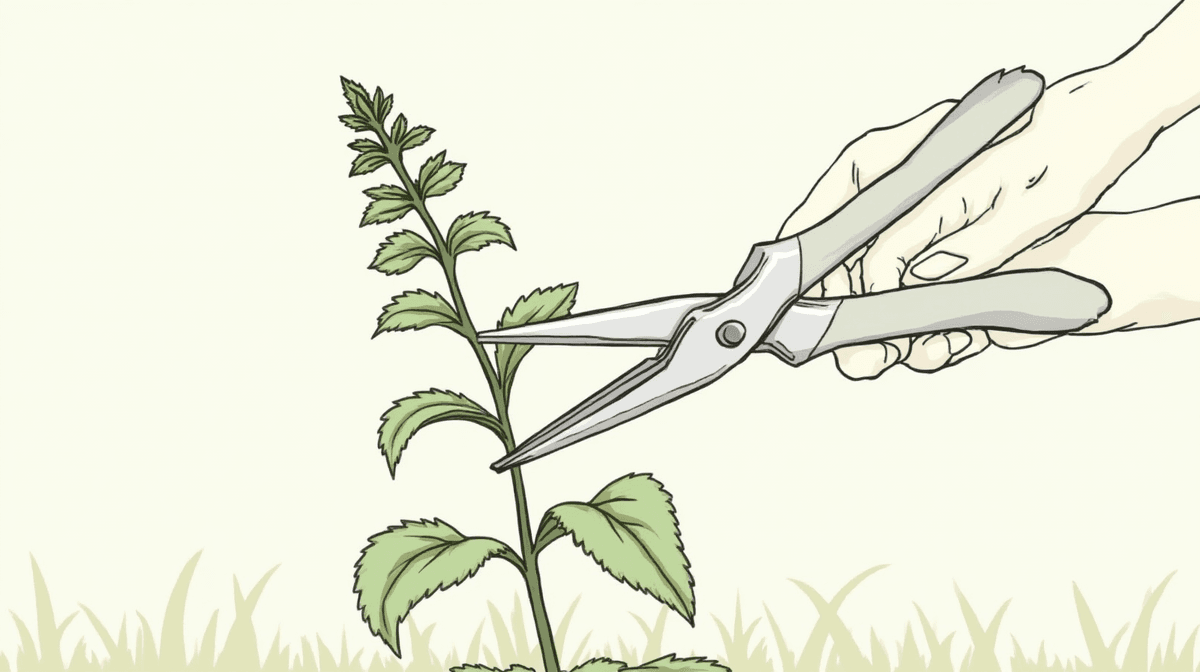
Deadheading: This is the most important task for keeping color visible. "Deadheading" just means cutting off the spent blooms once they turn brown or shrivel up. For Salvia and Anise Hyssop, doing this every two weeks in late summer will encourage the plant to put energy into new buds rather than making seeds. It keeps the garden looking intentional rather than neglected.
Watering for Resilience: As we move into the drier months of autumn (depending on your region), don't give these plants a little bit of water every day. That just encourages shallow roots and surface growth that won't survive a dry spell. Instead, aim for deep watering—soaking the soil thoroughly once or twice a week. This pushes the roots deeper into the ground where they can find moisture and stay stable as temperatures fluctuate.
Mulching: A two-inch layer of wood chips or shredded bark around the base (but not touching the stems) helps regulate soil temperature and keeps moisture in, which is critical for keeping these perennials healthy enough to return next spring.
More Than Pretty: The pollinator benefit of late-season blooms
There’s a reason I advocate so strongly for these specific "dupes." Beyond just making your yard look nice for the neighbors, they serve a vital role in the local ecosystem. By late summer and through September, many of our native pollinators—especially honeybees and various species of wild bees—are working overtime to gather nectar and pollen before the first frost hits.
When most "showy" garden flowers have finished their cycle by August, these three plants are often just getting started or staying in peak bloom. They provide a critical fuel station for insects that are preparing for winter. A patch of Salvia isn't just a splash of blue; it’s a high-energy refueling stop. When we choose varieties like Anise Hyssop and Catmint, we aren't just choosing "easy" plants; we are building a more resilient garden that supports the local wildlife even as the season winds down. It gives you something to feel good about when you walk out there—knowing your yard is still working for the bees while it’s also providing beauty for you.
Your Autumn Planting Checklist (What you need right now)
If you want to start implementing this "dupe" strategy and move away from less reliable bloomers, here are the concrete steps I recommend taking over the next week:
- Identify your 'Gap' zones: Walk through your garden and mark out areas where flowers currently disappear by late August. These are your primary targets for replacement.
- Select your "Dupe" trio: Based on your space, decide if you want to focus more on the mass of Catmint (for ease), the height of Salvia (for impact), or the fragrance of Anise Hyssop (for sensory appeal).
- Order/Source: Visit a local nursery rather than a big-box store if possible; they can often give better advice on which specific cultivars handle your local soil and humidity best.
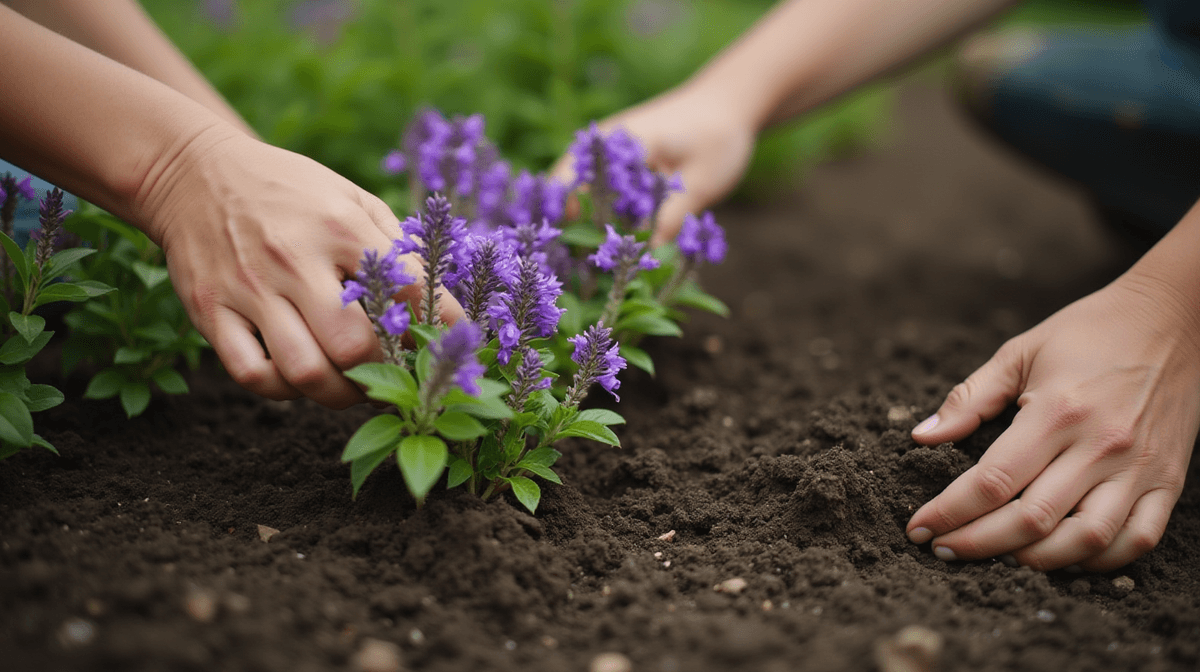
- Prepare the Soil: For any new additions, mix in a small amount of compost into your planting holes to improve drainage and provide a bit of "fuel" for the roots as they establish over the winter.
- Mark your spacing: Use a simple stake or stick to mark out 18-24 inch intervals so you don't end up with a crowded, mulch-choked mess that can't breathe.
Your turn
What's one perennial you swear by every year? Share it with us! And if this helped stop that garden fade feeling, share it with another gardener who needs some autumn inspiration.
🌿 Get Seasonal Gardening Tips
New guides, planting reminders, and growing tips — straight to your inbox.
No spam. Unsubscribe anytime.
About the Author
David Rodgers is the Founder & Head Gardener of Planting Atlas. With over 40 years of hands-on gardening experience in Oklahoma's Zone 7 climate, he researches, writes, and personally tests every guide on the site.
David draws from real backyard trials, soil testing, and trusted sources like Oklahoma State University Extension and USDA data to deliver practical, zone-specific advice that actually works.
Read more about David and Planting Atlas →