Loading…
←Back to Newsletters

Hybrids vs. Heirlooms: What You Need to Know Before Planting Tomatoes
Written by David Rodgers — 2026-09-12
A simple guide to understanding seed genetics and making the most of your summer harvest.
The newsletter for gardeners who'd rather learn from a mistake made 40 years ago than repeat it themselves.
vegetablesseedstomatoesseed saving
First off: Don't assume everything is the same, even if it looks identical on the tag
If you walk into a local nursery or scroll through an online seed catalog, it can feel like every tomato variety is just another variation of the same thing. They all look red (or yellow, or striped), they all grow on vines, and for most of us, that’s all we care about until we actually get them in the ground. But there is a fundamental divide in how these plants are bred—and it changes everything from how you plan your garden to what kind of fruit ends up on your plate at the end of August.
I spent my first few years in Oklahoma gardening under the impression that any "cherry tomato" was going to behave roughly the same way. I’d plant a batch, they’d produce plenty of fruit, and I figured that was just how it worked. It wasn't until I started looking closely at why some varieties stayed consistent every year while others seemed to "drift" or fail after one season that I realized seed genetics are the foundation of your success. Understanding whether you are planting a hybrid or an open-pollinated variety isn't just academic; it determines whether you can save seeds for next year and how much predictability you can expect when the summer heat starts to climb.
The difference between 'Hybrid' and 'Open-Pollinated': A simple breakdown
To understand why some plants behave predictably, we have to look at their "parents." Most modern commercial tomatoes are F1 hybrids. This means they were created by crossing two different parent plants to produce offspring that are uniform in size, shape, and disease resistance. For a large-scale grower or someone who just wants a guaranteed result this year, hybrids are great—they are the heavy lifters of the garden because they are bred for "vigor."
However, there is a catch: these hybrid traits only stay consistent in that first generation (the F1). If you try to save seeds from an F1 hybrid and plant them next year, the offspring will likely be "off" looking. They might produce tiny fruit, won't grow as large, or lack the disease resistance of the parent. Think of it like a high-performance car that only runs perfectly for one season before the parts start to fail. If you want your garden to feel consistent and if you have any interest in saving seeds to build your own local lineage, understanding this distinction is vital.
| Feature | F1 Hybrid | Open-Pollinated (OP) |
|---|---|---|
| Consistency | High uniformity in the first year | Consistent across generations |
| Seed Saving | Not recommended; seeds won't "breed true" | Recommended; seeds remain stable |
| Primary Use | Commercial farming, large-scale production | Home gardens, heritage varieties, seed saving |
| Typical Growth | Vigorous and predictable size/shape | Varies by variety; can be more unique |
What does mean to be an Open Pollinator? (And what that means for your dinner table.)
An open-pollinated (OP) plant is one that has been allowed to breed with others of its own kind in the wild or in a field. Because they aren't "forced" into a specific genetic combination by humans, their traits remain stable over many generations. If you plant an OP variety today and save the seeds, those seeds will produce nearly identical plants next year, and the year after that.
For your dinner table, this usually translates to more character. Because these varieties haven't been bred for "perfect" uniform size or shelf-life in a grocery store setting, they often hold onto flavors that hybrids might lose. In my experience here in Zone 7, an OP variety that is bred specifically for local conditions will often handle the late-summer humidity better than a generic hybrid. When you grow something open-pollinated, you aren't just growing a plant; you are growing a lineage. You get to decide which ones make it into your garden every year based on how they actually perform in your specific soil and climate.
Making the most of those amazing heirloom tomatoes.
It is common for people to use the words "heirloom" and "open-pollinated" interchangeably, and while there is some overlap, they aren't exactly the same thing. An heirloom is a type of open-pollinated variety that has been passed down for years—think of it as an OP plant with a pedigree. These are the tomatoes people rave about because of their deep flavors and unique shapes.
Because heirlooms haven't been bred for "perfection," they can sometimes be finicky. A certain heirloom might have beautiful fruit but be prone to cracking in heavy rains, or another might produce smaller fruit but taste like a dream. To make the most of them:
- Choose based on your climate. Don't just pick any heirloom; find one that is known to handle your specific heat and humidity levels (e.g., choosing "determinate" types for certain spaces).
- Expect variation. Not every tomato on a bush will look exactly the same. That’s part of their charm.
- Focus on flavor first. Since they aren't bred to sit on a shelf in a store for weeks, these are the tomatoes you want to pick and eat immediately while they are still warm from the sun.
The process: How to properly save your own seed from open-pollinated plants.
If you’ve decided to go with open-pollinated varieties or heirlooms, saving your own seeds is one of the most rewarding things you can do for your garden's future. It ensures that next year, you aren't just starting over; you're continuing a tradition. However, there is a specific way to do this so you don't end up with rotten seeds or moldy mess in your jars.
Follow these steps to get it right:
- Selection: Choose the healthiest, most productive plants. Avoid any fruit that shows signs of blossom end rot or significant pest damage.
- Harvesting: Let the tomatoes fully ripen until they are soft to the touch and deep in color before picking them from the vine.
- Drying: This is where many people go wrong. You cannot put fresh tomato seeds into a storage container immediately; the moisture will cause them to rot. Spread the pulp out on screens or paper towels in a dry, well-ventilated area (not direct sunlight) until they are completely "bone dry."
- Cleaning: Once dry, rub the seeds between your hands or use a sieve to remove any remaining bits of fruit pulp and skin.
- Storage: Place the clean, dry seeds into small paper envelopes or glass jars. Store them in a cool, dark place—like a pantry—until you are ready to plant next season.
By following this process, you ensure that the genetics of your favorite heirloom stay with you year after year, becoming a staple of your backyard garden.
Your turn
Do you plan on saving any seeds this season? Let me know in the comments! Also, share this with a neighbor who always seems confused by seed packets.
🌿 Get Seasonal Gardening Tips
New guides, planting reminders, and growing tips — straight to your inbox.
No spam. Unsubscribe anytime.
About the Author
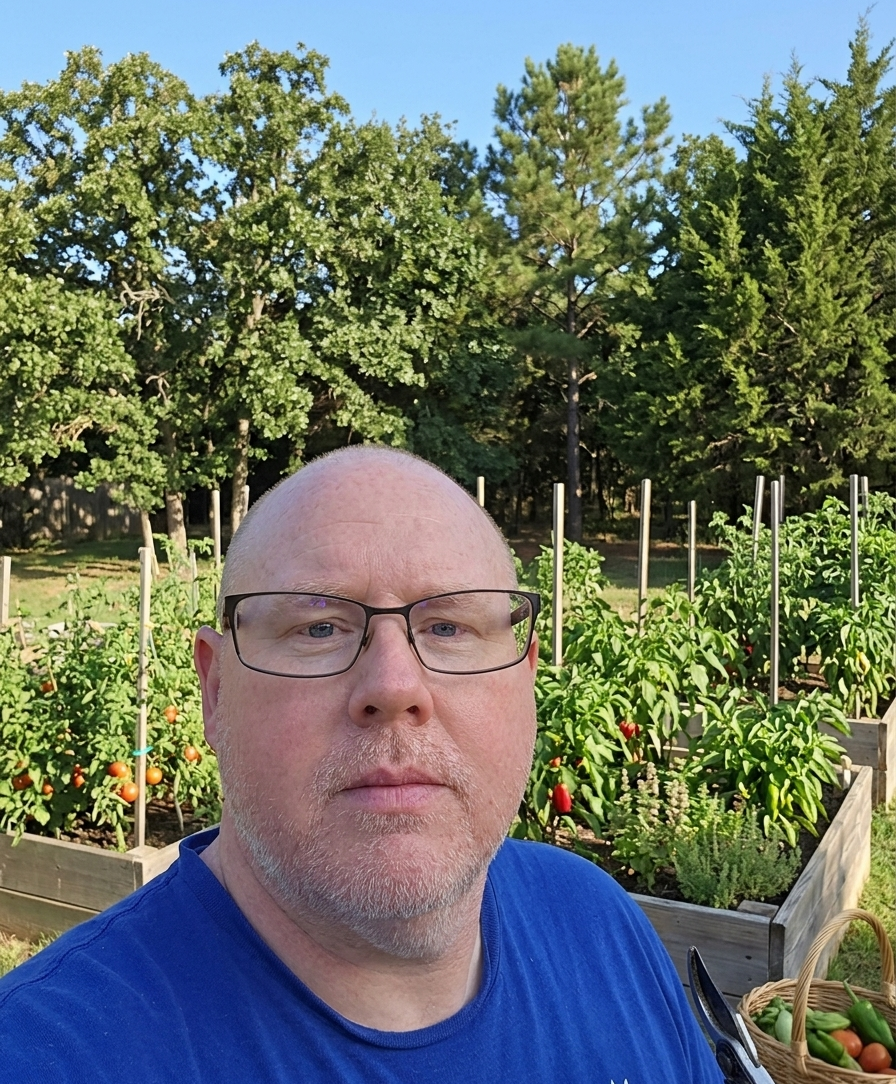
David Rodgers is the Founder & Head Gardener of Planting Atlas. With over 40 years of hands-on gardening experience in Oklahoma's Zone 7 climate, he researches, writes, and personally tests every guide on the site.
David draws from real backyard trials, soil testing, and trusted sources like Oklahoma State University Extension and USDA data to deliver practical, zone-specific advice that actually works.
Read more about David and Planting Atlas →