Loading…
←Back to Newsletters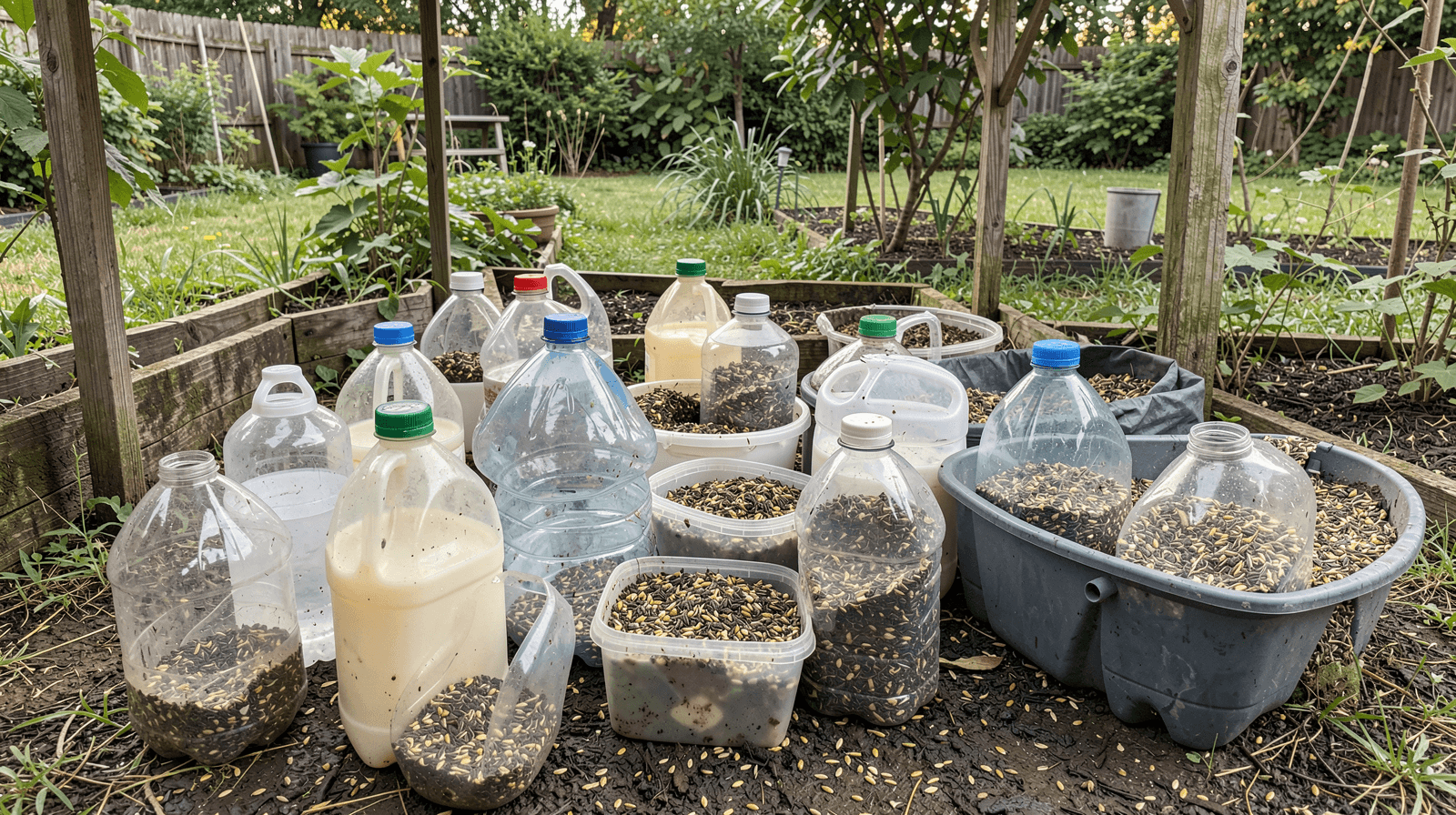
How to Use Winter’s Chill to Jumpstart Your Garden Seeds
Written by David Rodgers — 2026-11-12
A guide to cold stratification and low-cost seed starting before the frost even hits.
The newsletter for backyard growers tired of advice that ignores their actual climate.
SeedStartingWinterGardenColdStratificationDIYGardening
Before we get wet: Why your seed needs more than just 'time'
I spent a lot of early years in my garden frustrated because I’d follow the "official" planting dates for certain seeds, only to have them sit in the dirt like they were hibernating. You’d water them, you’d keep the soil moist, and nothing would happen. It felt like the seeds were just stubborn, but what was actually happening was that many of our favorite garden plants are biologically programmed to "sleep" through the summer and only wake up when they feel a specific period of cold.
This is called stratification. In nature, these seeds fall in autumn or early winter; if they sprouted immediately in the heat of August, they’d die before they could establish roots for the next season. They need that long stretch of chilly weather to break their internal dormancy. When we talk about "winter sowing" or cold starting, we aren't just trying to get a head start on the calendar; we are mimicking the natural cycle of the earth. If you don’t give them that chill period, many seeds will simply refuse to sprout no matter how much water or fertilizer you throw at them in the spring.
The science (and cheap tricks) behind cold stratification
You don't need a degree in botany to understand why this works, but it helps to know what’s happening under the soil surface. Cold temperatures trigger a chemical change inside the seed—essentially unlocking the "gate" that keeps the embryo from growing. For many species, they need a specific number of hours below a certain temperature to realize that winter is ending and spring is coming.
The best part about this method is that you don't need any fancy laboratory equipment or expensive specialized containers to do it. In my backyard, I’ve found that some of the most effective "stratification chambers" are just recycled household items. Old milk jugs, plastic bins, or even sturdy cardboard boxes can work wonders. The goal isn't high-tech; it's simply providing a consistent environment where the seed stays cold and damp without being submerged in a swamp. By using these low-cost materials, you’re taking advantage of nature’s own timing while saving your wallet for the actual plants you'll be putting in the ground later on.
Zone check: When is it safe to start this way?
Timing is where most people trip up because "winter" looks very different depending on where you live. If you are in a milder zone, you might be able to start these seeds much earlier than someone in the northern plains. However, there is a massive risk if you aren't careful: extreme deep freezes can still kill even hardy seeds if they aren't protected from desiccation (drying out) or if they get hit by a sudden, brutal arctic blast that drops temperatures far below what the seed can handle.
I always tell people to look at their specific USDA zone and local frost dates before committing. You want enough cold to trigger the growth, but you don't want your seeds to turn into popsicles. Here is a general guide I use to keep my plants alive:
| Region/Zone | Typical Start Window | Key Risk Factor |
|---|---|---|
| Zone 7 (Oklahoma) | Late October – November | Sudden dry cold snaps in December |
| Zone 5 - 6 | October – Early November | Deep, sustained sub-zero freezes |
| Zone 8 - 9 | November – December | Lack of sufficient "chill hours" |
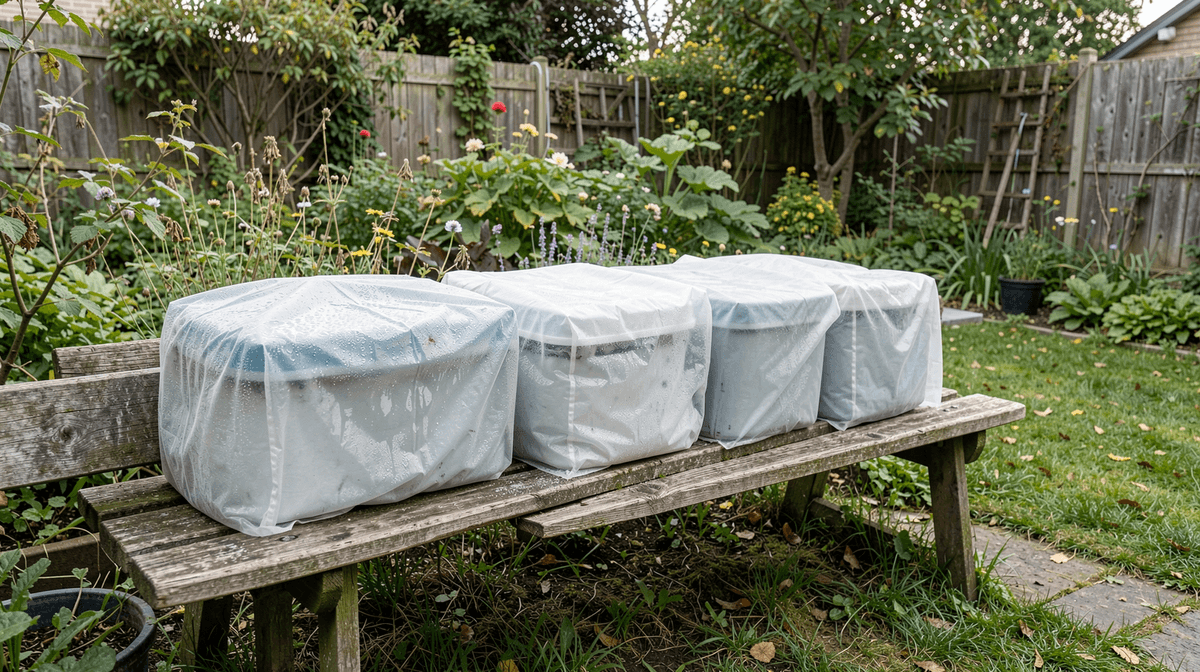
Always keep an eye on the long-range forecast. If a freak "Polar Vortex" is predicted for your area, you might need to move your containers into a sheltered spot like a garage or under a heavy tarp.
Step-by-step: Setting up your mini 'greenhouse' for seeds
I learned the hard way that if you just throw seeds in a container and leave them outside, they’ll either dry out and turn into dust or sit in a puddle of mud and rot. You need to find a middle ground. Here is how I set up my "winter sowing" stations to ensure success:
Prepare your containers
Find sturdy plastic containers (milk jugs work great because they have handles). Poke several drainage holes in the bottom and sides—this is non-negotiable. If water can't escape, your seeds are doomed.
The soil mix
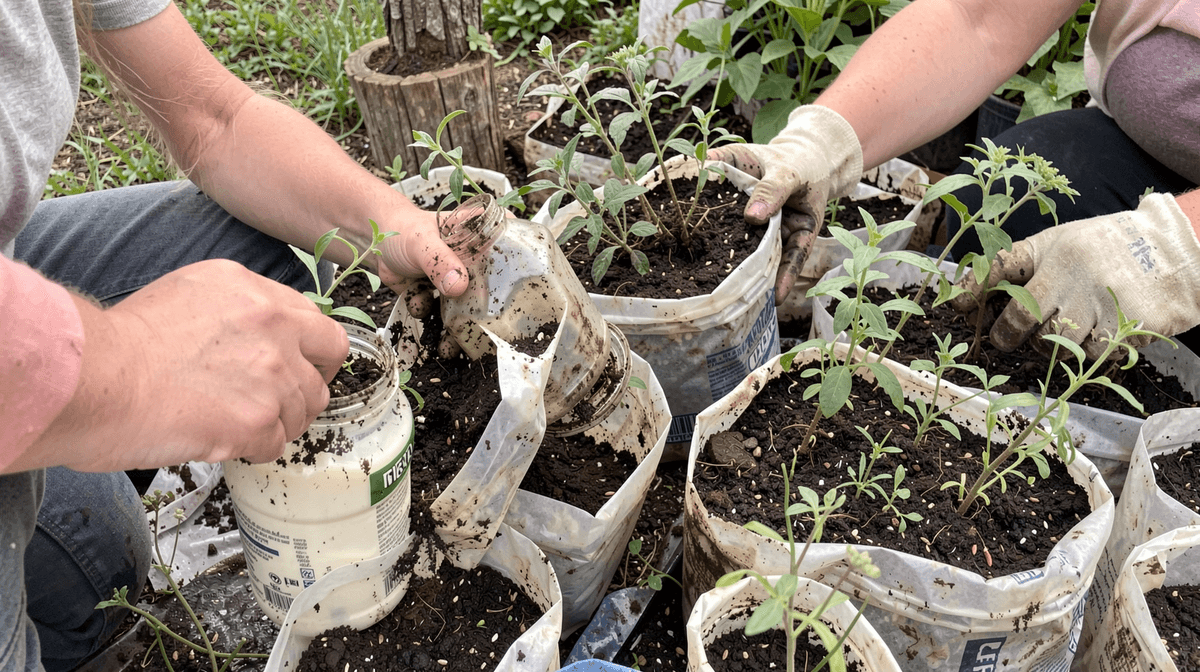
Don't use heavy garden clay or straight potting soil; it compacts too much when wet. I prefer a mix of high-quality potting soil blended with about 20% perlite or coarse sand. This keeps the "soil" airy so air and water can move through easily.
Sowing the seeds
Fill your container, pack it down just enough so it isn't loose, and make a small hole. Place your seed in—usually about twice as deep as the seed is wide—and cover it back up.
The "Greenhouse" setup
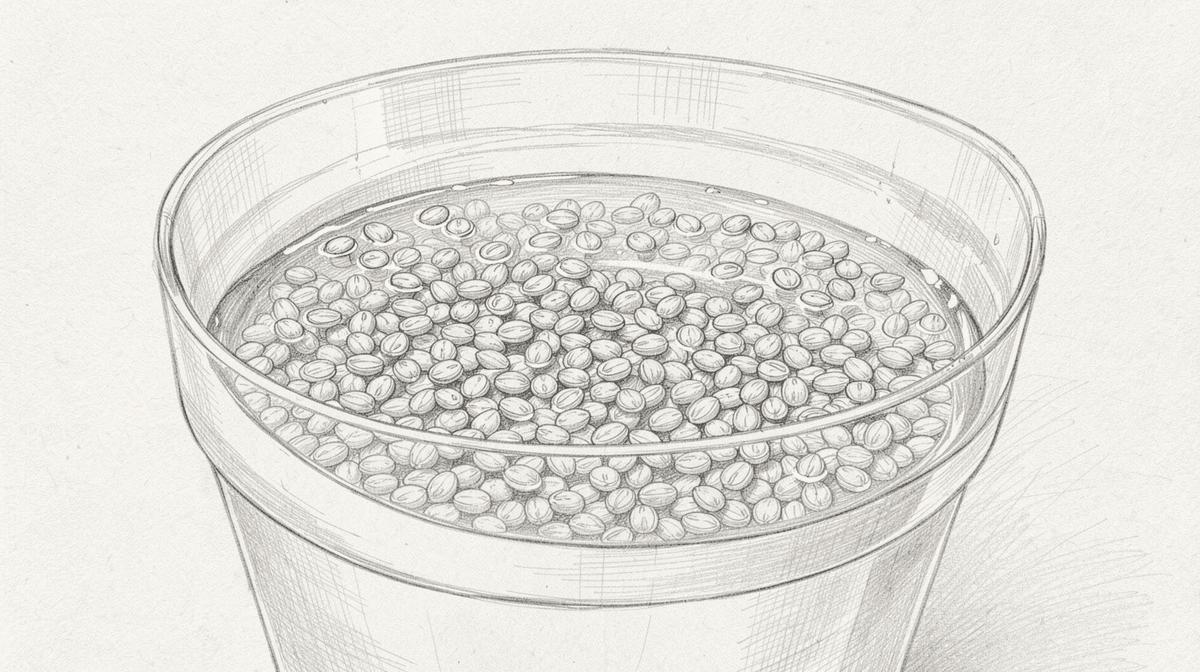
Place these containers in an area that gets some protection from the wind but still experiences the ambient cold of winter. A porch or a spot near a fence line works well. You want them to stay moist, so I usually give them a good soak right before moving them into their outdoor "home."
What to sow (and what not to): Your winter seed checklist
Not every seed is built for the cold start. If you try to do this with certain plants, you’ll just end up with a container of mushy, dead seeds by February. You have to be selective about which plants actually benefit from the "winter wake-up call."
The Winners (Great for winter sowing)
- Hardy Perennials: Many flowers like coneflowers, lavender, and even some types of lilies thrive when started in the cold.
- Legumes: Certain varieties of peas and beans respond very well to this method.
- Tree Seeds: If you're looking to plant a long-term forest, many native tree seeds require this exact process.
The Losers (Do NOT winter sow these)
- Tomatoes & Peppers: These are tropical plants. They will rot in the ground during winter and never sprout.
- Warm-Season Herbs: Basil or cilantro won't survive a winter start; they need warmth to germinate.
- Fast-Growing Annuals: If a seed is designed to pop up and grow in three weeks, it doesn't want to spend four months in the cold.
Monitoring your stash: Keeping the seeds alive until spring hits
The biggest mistake I see people make is "setting it and forgetting it" entirely. While winter sowing is meant to be low-maintenance, a total lack of attention can lead to failure. You need to check on your containers every couple of weeks, especially during the transition periods between seasons.
Moisture management
You want the soil to feel like a wrung-out sponge. If it’s bone dry, give it a drink. If it's swimming in water and you can see puddles forming inside the container, you need to improve your drainage or move them to a slightly drier spot.
Temperature shifts
As we head into late February and March (depending on your zone), the ground starts to warm up. This is when you need to be vigilant. If the soil gets too warm while it's still very wet, you risk "damping off"—a fungal disease that kills young seedlings before they can stand up. Keep an eye out for any fuzzy mold on the surface; if you see it, get some air moving through those containers immediately. When you see those first green pips pushing through the soil, that’s your cue to start thinking about where they'll live permanently in the garden.
Your turn
What’s one thing you plan to winter-seed this year? Share your best low-cost trick below!
🌿 Get Seasonal Gardening Tips
New guides, planting reminders, and growing tips — straight to your inbox.
No spam. Unsubscribe anytime.
About the Author
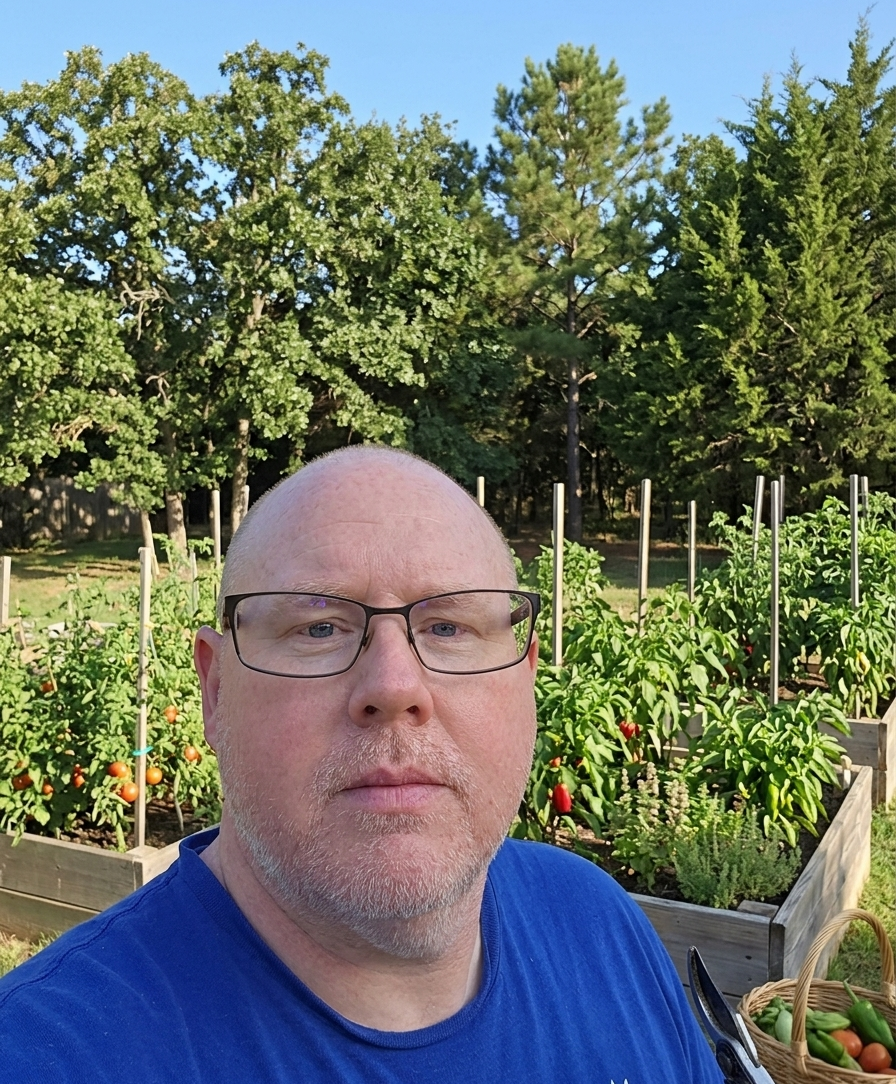
David Rodgers is the Founder & Head Gardener of Planting Atlas. With over 40 years of hands-on gardening experience in Oklahoma's Zone 7 climate, he researches, writes, and personally tests every guide on the site.
David draws from real backyard trials, soil testing, and trusted sources like Oklahoma State University Extension and USDA data to deliver practical, zone-specific advice that actually works.
Read more about David and Planting Atlas →