Why Planting in Autumn Isn't Just About Being Prepared for Winter (Or a Buffet)
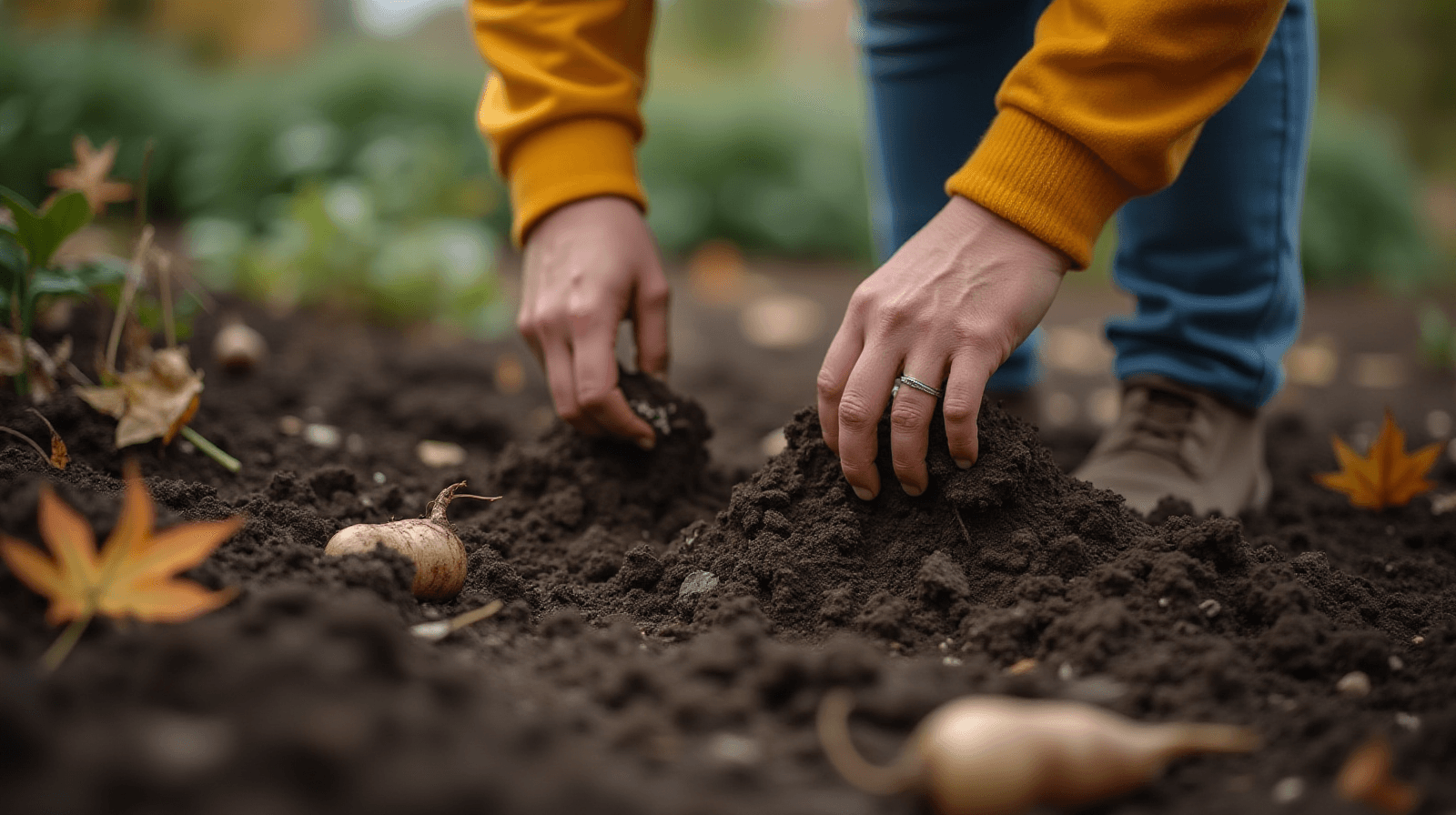
Most people think of fall gardening as just an extension of summer—a way to keep the harvest coming until the first frost hits. While having extra kale and carrots is certainly a perk, there’s a much deeper reason I spend my time in the dirt during these months. Fall is arguably one of the most critical times for soil building. When we plant cool-season crops now, we aren't just feeding ourselves; we are actively preparing the ground for next spring.
The transition from high summer heat to cooler autumn nights changes how plants behave. Many "winter" vegetables actually prefer these temperatures because it slows down their growth just enough to allow them to develop more complex flavors and sugars. Furthermore, fall is the time to work organic matter into your beds while the soil is still workable but not baking under a July sun. By planting now, you’re teaching your soil how to hold moisture and nutrients through the transition into dormancy. It isn't just about one last harvest; it’s about setting up your garden for success long after the first snow falls.
What to Plant Now: Crops That Like the Cold
If you are looking to start a fall plot, you want "hardy" varieties. These aren't delicate summer flowers; they are survivors that actually perk up when the air gets crisp and the humidity drops. In my experience, these four categories provide the most reliable results for home gardeners:
- Leafy Greens: Kale and Swiss chard are nearly indestructible once established. They can often survive a light frost and keep producing until the ground freezes solid. Spinach is another winner; it thrives in cooler soil where summer greens would bolt or turn bitter.
- Root Crops: Carrots, beets, and radishes love the cooling temperatures of autumn. The cooler weather allows them to develop a consistent texture without "woody" centers.
- Brassicas: Broccoli and cabbage can be started now if you have enough time before your local frost date. They need a bit more space, but they are incredibly reliable in the fall.
- Garlic (The Long Game): While not an immediate harvest, planting garlic in late autumn is one of the best things you can do for your garden's future. It sits in the ground through winter and gives you a reward next summer.
Preparing the Ground: Compost is Your Best Friend
Before you put a single seed in the dirt, we need to talk about what’s happening underground. In my years of trial and error, I’ve learned that fall soil preparation should focus on "slow" nutrition rather than quick-fix chemical boosts. You want to build organic matter that stays in the ground over time.
I always recommend a heavy layer of compost or leaf mold before your autumn planting begins. Think of it as a blanket for the soil's biology. Compost doesn’t just feed the plant; it feeds the microbes and earthworms that keep your soil structure healthy. If you have fallen leaves, don't bag them up—shred them and work them into the beds. This creates a rich, sponge-like texture that helps the ground retain moisture as the air gets drier in the fall. A well-amended bed is much more likely to produce a hearty harvest when the temperature starts to swing wildly between day and night.
When to Plant, Where to Plant (And Why Timing Matters)
Timing is everything in autumn gardening because you are racing against the frost. Unlike spring planting, where you have months of warming weather ahead of you, fall planting has a hard deadline: your local first frost date. If you plant too late, the plants won't have enough "growing degree days" to mature before they get hit by an early freeze.
The timing depends heavily on your USDA zone and regional climate. For example, someone in Zone 7 might still have time for a robust wintered crop of kale, whereas someone in Zone 4 needs to move much faster. Here is a general guideline for common fall crops based on typical planting windows:
| Crop Type |
Typical Planting Window (Mid-Latitudes) |
Why Timing Matters |
| Radishes/Lettuce |
6–8 weeks before first frost |
Fast growers; need to mature quickly. |
| Carrots/Beets |
8–10 weeks before first frost |
Need time for roots to expand in the soil. |
| Kale/Spinach |
4–6 weeks before first frost |
Can survive light frosts, but need a head start. |
| Garlic/Shallots |
Late Autumn (Oct-Nov) |
Needs several months underground before harvest. |
The Cold Weather Toolkit: Protecting Your Early Harvest
Once you have your seeds in the ground or your starts in the beds, nature can still be unpredictable. A sudden cold snap or a week of heavy wind can stress out young plants that haven't fully established their root systems. You don't need an expensive greenhouse to manage this; simple tools work just as well for most backyard plots.
First, I highly recommend using row covers. These are lightweight fabrics you can drape over your crops when the forecast calls for a dip in temperature. They act like a light blanket, keeping the ground warm and protecting plants from heavy frost. For those who want something more permanent for their "hot" spots, a small cold frame (basically an old window frame covered in plastic) can extend your growing season by weeks. Finally, never underestimate the power of mulch. A 3-to-4-inch layer of straw or shredded leaves around the base of your plants insulates the roots and keeps moisture from evaporating too quickly as the air dries out.
Autumn Garden Mistakes I Made (And You Can Avoid)
I’ve made plenty of mistakes in my forty years, but some are common enough that you can avoid them by learning from mine. The biggest mistake I see beginners make is planting "too deep." When you're planting small seeds like carrots or radishes, it’s tempting to just toss them in a hole. However, if they are buried too deep, the tiny sprouts will exhaust all their energy trying to reach the surface and won't have enough left over to grow thick roots. Aim for about 1/2 inch to 1 inch depending on the seed size—just enough to stay put but not so much that they struggle.
Another mistake is "the late-start trap." I once tried to plant a full crop of winter greens in mid-October, only to have them hit by an early frost before they were ready to eat. They weren't ruined, but they were stunted and bitter. Always check your local frost dates (usually available through your local extension office) and work backward from that date. If you want a big harvest, give your plants at least 60 days of growth time. Finally, don't forget the drainage. Fall rains can be heavy; if your bed is in a low spot where water sits for hours after a storm, those root crops will rot before they ever make it to your dinner table. If you have poor drainage, build up your beds with extra compost and mulch to help move that water along.