Loading…
←Back to Newsletters

How to properly cure and store fall squash for next year's abundance.
Written by David Rodgers — 2026-09-19
Don't throw out that giant pumpkin until you know how long it really lasts.
The newsletter for gardeners who'd rather learn from a mistake made 40 years ago than repeat it themselves.
StorageWinter CropsSquash CarePreservation
The biggest mistake gardeners make with their fall harvest (and why it smells rotten by November)
The most common mistake you’ll see—and one I made more times than I care to admit in my early years here in Oklahoma—is thinking that the work is done the moment you cut the vine. People often treat a freshly harvested pumpkin or butternut squash like a piece of fruit: they pick it, grab it, and toss it into a pile on a porch, in a garage, or under a workbench.
The problem isn't the squash itself; it’s the moisture trapped just beneath the surface of the skin. When you pull a vine-heavy gourd from the ground, the skin is still "active." If you move it directly into storage without a transition period, that internal moisture stays trapped while the outside begins to cool and settle. This creates a perfect breeding ground for mold and rot. By November, instead of having a firm winter pantry, you’re left with squash that feels slightly soft to the touch and gives off that unmistakable, sickly-sweet smell of decay.
You have to think of curing as "hardening" the fruit's armor. Without this step, the skin remains porous enough for moisture to escape slowly or for bacteria to seep in. If you want your harvest to actually last until your first winter stew in January, you can’t skip the waiting period. You have to give them time to dry out and toughen up before they ever see a storage shelf.
Curing 101: The secret process that toughens the rind
Curing is essentially "seasoning" for your squash. It’s the process of letting the fruit sit in a warm, dry environment with plenty of airflow so the skin can dehydrate and harden into a protective shell. In my experience, this takes about 7 to 10 days depending on how humid it is outside.
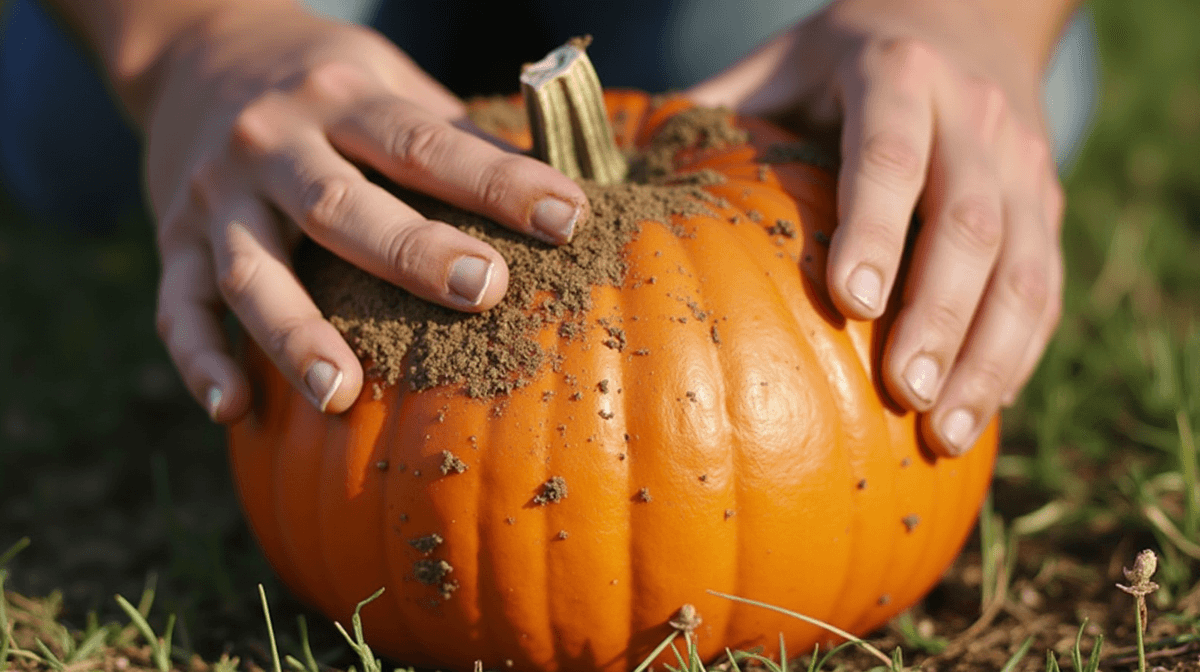
The goal here is to reach what I call "the scuff test." You want the rind to be so tough that if you press your thumbnail against it, it shouldn't give at all. If the skin feels slightly "yielding" or soft, it hasn't finished curing and will likely rot in storage within a few weeks.
To do this right:
- Find a dry spot: A greenhouse, a screened-in porch, or even a very well-ventilated shed works well during the first two weeks of fall.
- Keep them moving: Don't pile them into a heap while they are curing. They need air to circulate around every side of the gourd.
- Watch the weather: If it’s an unusually rainy week in Zone 7, keep your "curing" stash under a simple tarp or inside a dry outbuilding until the sun comes back out.
Think of this as the transition from "field life" to "pantry life." You aren't just letting them sit; you are actively waiting for their skin to toughen into an impenetrable barrier against the elements.
Knowing your squash varieties: What to cure and what not to touch
One thing that trips up new gardeners is treating every orange or green round object as a "storage" item. Not all squash are created equal, and some of them will rot no matter how well you cure them because they weren't designed for the long haul.
You need to distinguish between winter squashes (which have thick rinds and dense flesh) and summer squashes. Summer varieties like zucchini, yellow crookneck, or pattypan are meant to be eaten almost immediately after harvest. Their skins are thin, and they won't "cure" into something hardy. If you try to store a zucchini for three months, it will turn into mush regardless of how much sun it sat in.
Here is a quick guide to help you decide what goes on the shelf and what needs to go in the freezer or onto your dinner plate right now:
| Squash Type | Examples | Storage Potential | Action Plan |
|---|---|---|---|
| Winter Squash | Butternut, Hubbard, Kabocha, Spaghetti | High (Months) | Cure for 10 days; store in a dry area. |
| Pumpkins | Field pumpkins, Sugar pumpkins | High (Months) | Cure thoroughly; excellent for long storage. |
| Summer Squash | Zucchini, Yellow Crookneck | Low (Days) | Process immediately or freeze for later use. |
| Gourds/Decorative | Ornamental gourds,edis | Variable | These are often "hollow" and don't store well as food. |
If it’s a winter squash—the ones with the thick, woody skins—it deserves the curing process. If it’s a summer variety, get it into your kitchen before the first frost hits.
The perfect spot: Picking your storage environment for Zone 7
In our neck of the woods (and much of the rest of the South and Midwest), humidity is the primary enemy of long-term storage. A "cool" place isn't enough; it has to be a dry place. If you store your pumpkins in a basement that feels damp or a garage where the air stays heavy, they will succumb to mold within weeks because the moisture inside them won't have anywhere to go.
For a Zone 7 garden, I look for three specific qualities in a storage spot:
- Low Humidity: The area should feel crisp, not muggy. If you can see condensation on the windows or walls of your storage area, it’s too damp.
- Consistent Temperature: While they don't need to be "cold" (like an apple), they shouldn't be baking in a shed that hits 100 degrees in August/September. A steady, moderate temperature is best for keeping the enzymes from breaking down the flesh.
- Good Airflow: Even if it’s not perfectly dry, moving air helps prevent "hot spots" of moisture from settling on one side of a squash.
A well-ventilated garage or an attached shed usually works beautifully. Avoid storing them directly on concrete floors; the ground "breathes," and that moisture will travel straight into your squash. Use pallets or heavy wooden slats to keep them elevated off the floor and away from any potential dampness rising from the ground.
Step-by-step storage plan: From field to cellar shelf
Once you’ve finished the curing process and your squashes have passed the "scuff test," it's time to organize them for the winter. You want a system that makes it easy to see what you have without having to move twenty heavy pumpkins every time you need one.
1. The Clean Up: Before they go into long-term storage, take a stiff brush and remove any remaining dirt or dried vines. Do not wash them with water unless you are absolutely sure they will dry completely before being moved; any lingering moisture on the skin is an invitation for mold.
2. Organization by Type: Group your squashes by variety. Keep your Butternuts together, your Hubbard squash in another pile, and your pumpkins in their own section. This helps with "inventory" so you don't have to dig through a mountain of gourds just to find one for tonight’s soup.
3. The Stacking Rule: When storing them on shelves or in crates, try not to let them sit directly against each other if possible. If they are touching, any tiny soft spot will spread to the neighboring squash. Using small wooden slats or even pieces of cardboard between them can create a "buffer zone."
4. Rotation and Selection: If you have a large harvest, put the ones that look slightly less perfect (maybe a bit smaller or with minor blemishes) at the front of your storage area. These are your "first use" items. The pristine specimens can go toward the back to stay fresh for those long winter months when they become your primary source of vitamin A and fiber.
By taking these steps—curing them properly, selecting the right varieties, and keeping them in a dry environment—you turn a stressful fall harvest into a reliable pantry of food that stays good until the first frost truly settles in.
Your turn
What's the biggest thing you plan to store this year? Share it with us below! Did we miss a local storage tip for pumpkins?
🌿 Get Seasonal Gardening Tips
New guides, planting reminders, and growing tips — straight to your inbox.
No spam. Unsubscribe anytime.
About the Author
David Rodgers is the Founder & Head Gardener of Planting Atlas. With over 40 years of hands-on gardening experience in Oklahoma's Zone 7 climate, he researches, writes, and personally tests every guide on the site.
David draws from real backyard trials, soil testing, and trusted sources like Oklahoma State University Extension and USDA data to deliver practical, zone-specific advice that actually works.
Read more about David and Planting Atlas →