Loading…
←Back to Newsletters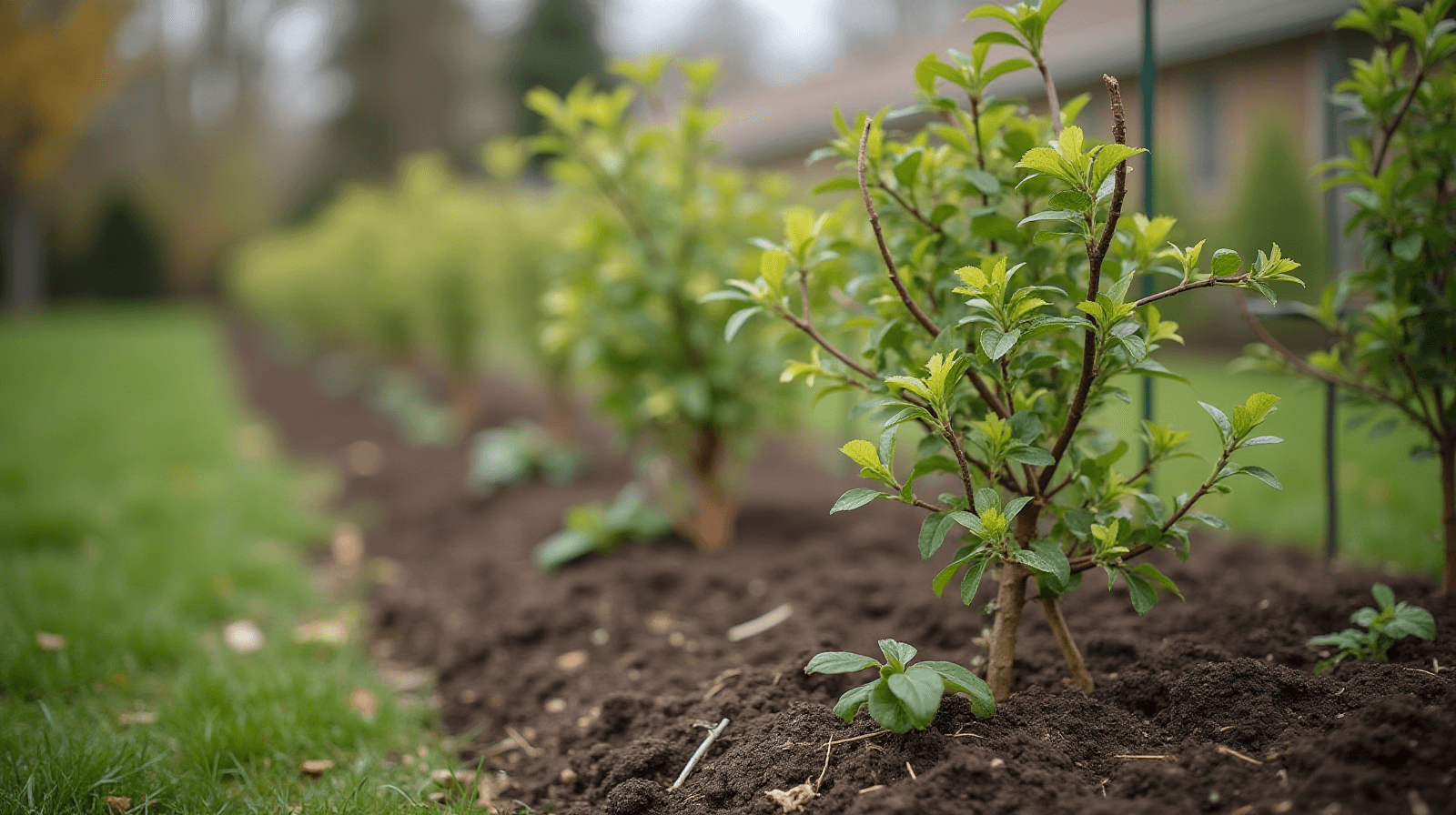
How to Plant Fruit Trees That Actually Survive (And Produce)
Written by David Rodgers — 2026-08-07
Understanding the science and local conditions needed for a successful edible landscape.
The newsletter for gardeners who'd rather learn from a mistake made 40 years ago than repeat it themselves.
fruit treesbackyard gardeningchill hourspollination
Before you buy a sapling: what are fruit trees actually doing?
One of the biggest mistakes I see people make when starting an orchard is picking a variety based solely on how good the fruit looks in a catalog. It’s tempting to pick the "perfect" apple or peach just because it's famous, but here is the reality: a fruit tree isn't just a decoration that happens to produce food; it is a complex biological system trying to survive your specific backyard.
Before you put money down on a sapling, you have to understand that the "fruit" part of the equation only happens if the "survival" and "growth" parts are satisfied first. A tree needs to satisfy its internal biological requirements before it even thinks about blooming. If you pick a variety whose biological needs don't align with your local weather patterns or soil conditions, no amount of careful watering or fertilizing will force it to produce. You aren't just buying a plant; you’re entering into a long-term partnership with something that has very specific requirements for its life cycle. We need to look at the underlying mechanics—things like chill hours and rootstock—before we ever worry about the size of the fruit.
The winter math: understanding chill hours and dormancy
This is where many gardeners get tripped up, especially as you move into different zones. "Chill hours" sounds like a complex scientific concept, but it’s actually pretty straightforward when you break it down. Most fruit trees need to experience a specific amount of cold time during the winter months to "reset" their internal clock. This period of dormancy allows them to rest and prepare for the following spring.
If a tree doesn't get enough chill hours, it might bloom sporadically or not at all, even if it survives the winter perfectly fine. In warmer zones, we have to be especially careful about choosing varieties that require more "chill" than our winters provide. For example, some northern-hardy apples will simply fail to fruit in a mild Oklahoma winter because they never "woke up" properly from their slumber.
| Variety Type | Typical Chill Requirement (Approx) | Risk Factor if Requirements Aren't Met |
|---|---|---|
| Low-Chill Varieties | < 700 hours | May fail to bloom in mild winters |
| Mid-Chill Varieties | 800 - 1,000 hours | The standard for most temperate zones |
| High-Chill Varieties | > 1,000+ hours | Will likely struggle or stay barren in warmer regions |
Always check the specific requirements of a variety before it leaves the nursery. It’s better to have a tree that produces smaller fruit but loves your climate than a "prize" winner that stays dormant because its winter was too warm.
Neighbors matter: why pollination isn't just about having flowers
A common misconception is that if you see blossoms on your tree in the spring, it means fruit is guaranteed in the fall. That’s not always the case. Many fruit trees are "not self-fertile," which is a fancy way of saying they need a neighbor to help them out.
Think of it like this: some trees need a different variety nearby so that bees and wind can move pollen from one tree's flowers to another’s. If you only plant one single peach tree in your backyard, the blossoms might look beautiful, but without a "partner" tree within a reasonable distance (usually about 100-200 feet) of a compatible variety, the fruit won't set properly. You might get a few scattered fruits, or none at all.
When you’re planning your layout, don't think of trees as isolated islands. Think of them as a community. If you only have space for one tree but want guaranteed production, you need to select a variety specifically bred to be self-fertile. Otherwise, you’ll want to plant at least two different varieties that are known to cross-pollinate well with each other. This ensures that when the pollinators come out in the spring, they have plenty of options and your tree has a high chance of actually producing a harvest.
The hidden foundation: choosing the right rootstock
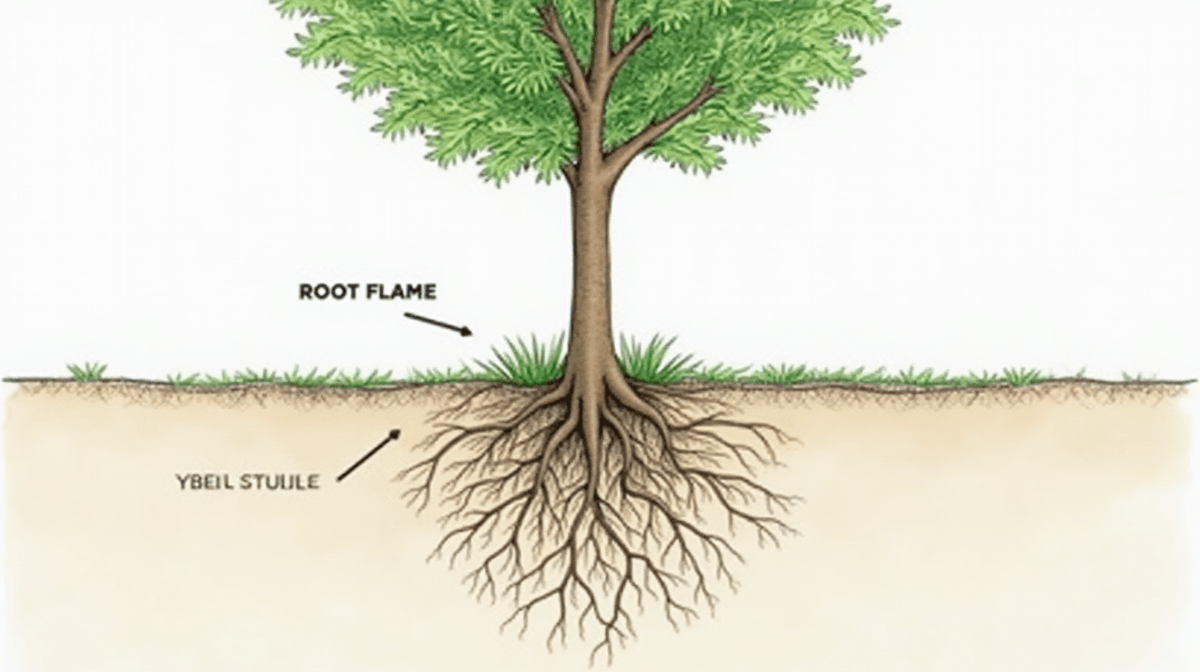
If you want a fruit tree that stays manageable and healthy, you have to care about what’s happening underground. This is where "rootstock" comes in. The rootstock is essentially the "base" or the "engine" of the tree. It’s the part of the plant that determines how large it grows, how well it handles disease, and how much resistance it has against your local soil conditions.
In my experience, people often ignore this because they can't see it, but it’s one of the most important factors for a backyard grower. A tree on a "dwarf" rootstock will stay compact—perfect for a smaller yard—while a tree on a "standard" rootstock might grow into a massive canopy that eventually overwhelms your space and requires heavy pruning to manage. Furthermore, certain rootstocks are bred specifically to be hardy in our specific soil types. Choosing the right one means you won't have to fight as hard against local diseases or poor drainage. When you talk to a nursery worker, don't just ask for "a Gala apple." Ask what kind of rootstock it’s grafted onto and why that matters for your specific backyard.
Getting planted right: deep dive into prep work and spacing
Success with fruit trees starts in the ground before the first shovel ever hits the dirt. One thing I can tell you from years of trial and error is that a tree stuck in a "puddle" will never thrive. You have to be honest about your soil. If it’s heavy clay that holds water too long, you need to address drainage before planting. A fruit tree's roots are looking for oxygen; if they sit in soggy mud all winter, the tree will rot from the bottom up.
When you do get ready to plant, follow these three rules:
- Test your soil: Know what you’re working with regarding pH and nutrients before you start adding amendments.
- The "No-Mound" Rule: When planting, don't pile a big mound of dirt around the base of the trunk like a volcano. This creates a "bowl" that traps water against the trunk, leading to rot. Instead, plant it at its proper depth and level out the soil.
- Give them room: It’s tempting to plant trees close together to create an instant orchard look, but don't do it. A tree needs air circulation to stay healthy and space for its root system to expand. If you crowd them, you invite pests and fungal issues that are much harder to manage later on.
The first year's job: what to expect after you plant it
The biggest shock to many new fruit gardeners is the lack of immediate results. You might spend a lot of effort getting the tree in the ground, only to find out that "success" doesn't mean "fruit by next summer." In the first year, your only goal is establishment. The tree is busy putting its energy into growing a root system that can support it for decades to come.
During this first year, your job is consistent care rather than heavy intervention. You need to keep the soil consistently moist (but not soaked) and provide mulch—think 2-4 inches of wood chips or straw around the base—to help regulate temperature and moisture. This isn't the time to be worried about "pruning for production" yet; you just want the tree to survive its first winter and spring in your yard.
Be patient with yourself, too. Depending on the variety and the rootstock, it can take three to five years before a tree is large enough to produce a significant crop. Think of those first few years as an investment period. You are building the foundation for something that will provide fruit for years to come. If you focus on getting the roots happy in year one, the harvest in year four or five will be much more rewarding.
Your turn
What local edible plants are struggling in your zone? Let me know in the comments below! If this guide helped you plan an orchard, share it with a friend starting their own project.
Apply this next
🌿 Get Seasonal Gardening Tips
New guides, planting reminders, and growing tips — straight to your inbox.
No spam. Unsubscribe anytime.
About the Author
David Rodgers is the Founder & Head Gardener of Planting Atlas. With over 40 years of hands-on gardening experience in Oklahoma's Zone 7 climate, he researches, writes, and personally tests every guide on the site.
David draws from real backyard trials, soil testing, and trusted sources like Oklahoma State University Extension and USDA data to deliver practical, zone-specific advice that actually works.
Read more about David and Planting Atlas →