Loading…
←Back to Newsletters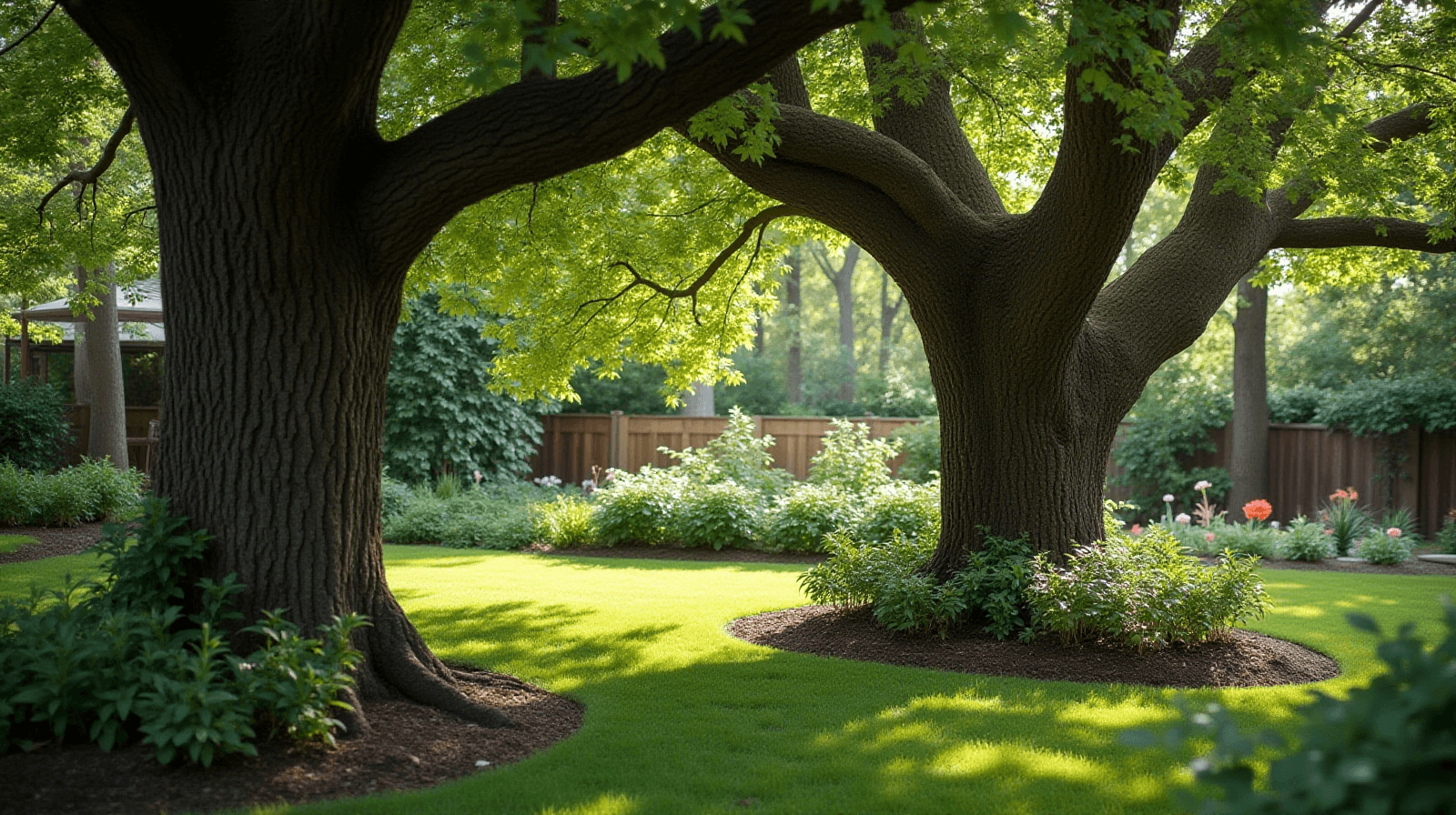
How to Pick Ornamental Trees That Will Actually Work in Your Backyard.
Written by David Rodgers — 2026-08-06
A decision guide that matches tree function and style to your unique space and climate.
The newsletter for gardeners who want to stop guessing which plant will survive their actual yard conditions.
ornamental treeslandscape designsite assessmenthardscaping
Before you buy anything: figure out what your yard actually needs.
Before you head down to the nursery—where it is easy to get swept up by a striking trunk shape or a burst of spring color—you have to do some homework on your own land. One mistake I see far too often is people buying a tree based on how it looks in a pot, without considering where that root system will go in five years.
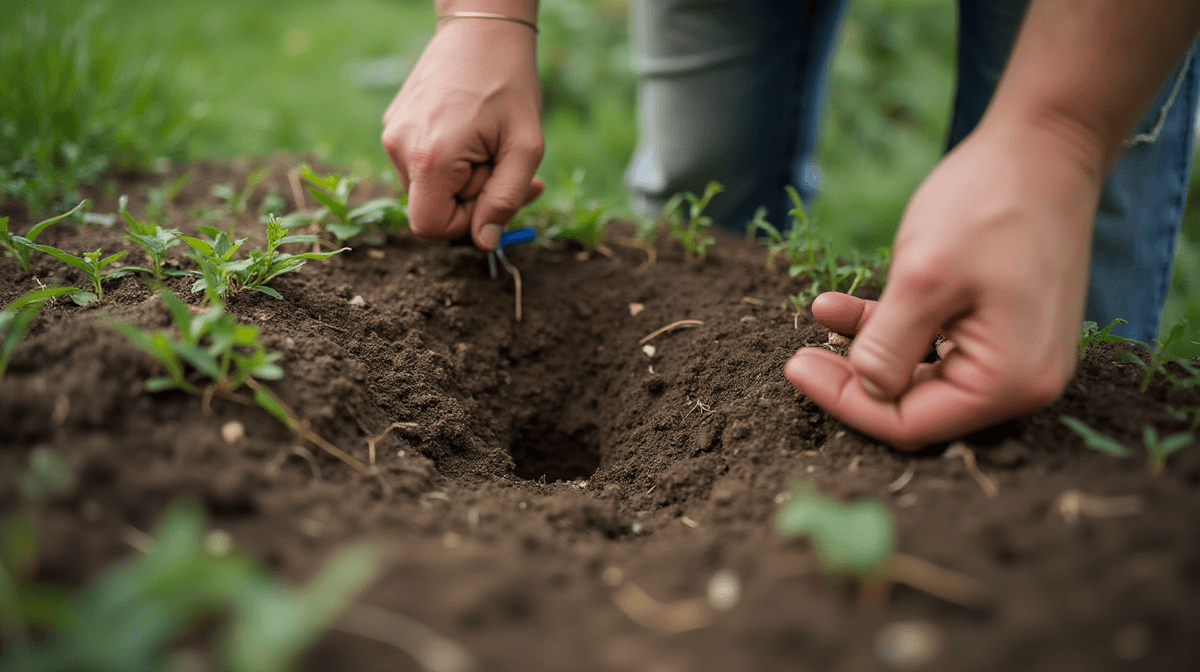
You need to start with three specific measurements: light, soil, and space. For light, track the sun's path across your yard for a full day. Is that corner getting "full sun" (at least six hours of direct hits) or is it filtered by an existing fence? If you put a sun-loving dogwood in a shady nook, it will become leggy and sickly. For soil, don't guess; get a basic test to see if your ground is heavy clay, sandy, or acidic. Finally, measure the "footprint." A tree that looks small today might have a wide canopy tomorrow. You want to ensure its branches won't be hanging over a neighbor’s property line or interfering with power lines by the time it reaches maturity. Knowing these three facts before you spend a dime is the difference between a thriving specimen and a costly headache.
Do I need a focal point or just background filler?
When you are planning your layout, it helps to think of trees as having specific jobs. Not every tree needs to be "the star" of the show. You have to decide if the tree's primary role is to draw the eye toward it—a focal point—or to blend into the scenery and provide a backdrop for other plants.
A focal point should be something with a unique silhouette or a striking seasonal change, like a flowering cherry or a vibrant Japanese Maple. These are placed where you want people to stop and look. They are the "anchors" of your landscape design. On the other hand, background filler—often called screening trees—is meant to do the heavy lifting for the rest of the yard. These are usually denser, more consistent varieties that create a wall of green or color. A screen tree might hide an ugly fence line or provide privacy from a neighbor's driveway. If you want a large area filled with greenery without it being distracting, go with a filler. If you want to celebrate one specific spot in the yard, choose a focal point.
The 'Companion' tree: when two different plants make one perfect pairing.
Sometimes, the best way to handle a large space is not by planting one massive tree, but by creating "companion" pairings. This is where two different species work together to create something more interesting than they could alone. For example, you might pair a tall, structured evergreen with a smaller, deciduous flowering tree nearby.
This works because it provides variety in both texture and timing. While the evergreen gives your yard structure all winter long (especially important in our Zone 7 winters), the neighboring flowering tree offers a burst of color in the spring. When they are planted close enough together—but with enough room for their roots to breathe—they create a layered look that feels intentional rather than accidental. This technique is also great for "softening" hard lines. If you have a very formal, straight-growing tree, placing a more rounded, airy shrub or smaller multi-stemmed tree at its base can break up the harshness of the line and make the transition to your lawn feel more natural.
How soil pH and light levels rule out your favorite species.
This is where many hobbyists get frustrated because they buy a "dream" tree that simply refuses to thrive in their specific dirt. You have to be honest with yourself about what your ground can actually support. If you have heavy, alkaline clay (common in many parts of the South), an acid-loving blueberry or certain types of azaleas won't just struggle—they will eventually fail. Similarly, if a tree requires "full sun" and you plant it in a spot shaded by your house for half the day, it will likely lose its leaves early and become a target for pests.
To help simplify this during the selection process, use this guide to check your site against common requirements:
| Tree Type | Light Requirement | Typical Soil Preference | Common "Deal-Breaker" Issue |
|---|---|---|---|
| Flowering Cherries | Full Sun | Well-drained, neutral pH | Will get sparse and weak in deep shade. |
| Dogwoods | Partial to Full Sun | Acidic, moister soil | Can struggle in heavy alkaline limey soils. |
| Serviceberries | Full Sun | Adaptable/Moderate | Often fails if roots sit in "wet feet" (standing water). |
| Crape Myrthes | Full Sun | Well-drained; adaptable | May have poor bloom and leaf drop in heavy shade. |
If your site doesn't match the tree's requirements, don't try to "force" it by overwatering or over-fertilizing. It is much easier to find a tree that loves your soil than to try and change your soil to suit a specific tree.
Matching trees to function: screen, accent, or structure?
Once you know what your land can support, you need to pick the right tool for the job. I like to categorize ornamental trees into three functional buckets: screening, accenting, and structuring.
Screening is about utility. These are the "walls" of your garden. You want these to be dense and hardy. If you're trying to block a neighbor’s view or muffle road noise, look for varieties that grow thick and stay green through the winter. Accenting is about beauty. These are the showstoppers—the trees with unique leaf shapes or heavy blooms. You don't need five of these; one or two well-placed ones will do the job. Finally, Structure provides the "bones" of your yard. These are often evergreens or very hardy deciduous trees that keep a consistent shape year-round. They provide the framework that makes it okay for other plants to be less orderly. If you aren't sure what you need, look at the area in question: if it feels empty and exposed, you need structure; if it’s ugly or loud, you need screening; and if there is a specific spot where you want people to stop and admire your hard work, that’s where an accent goes.
Making it work with what you already have.
The final step is integrating these new trees into the "real world" of your backyard—which includes fences, house foundations, and existing overgrown bushes. You can't always treat a new planting like it's sitting in a pristine field.
When planting near a structure, such as a porch or a garage, you must account for soil compaction and root spread. I’ve seen many people plant a beautiful tree too close to a foundation; the roots eventually heave the concrete or interfere with plumbing. Always leave at least 10-15 feet of space from any major structure unless it's a small shrub. If you are working around an existing fence, ensure your chosen variety won't have "invasive" root systems that can push over posts or crack the base of the wood. Also, consider how the tree will interact with what’s already there. If you have a large, old oak, don't plant something directly under its drip line where it will be starved of light and water by the larger neighbor. Instead, look for "understory" varieties that can thrive in those conditions. The goal is to make the new tree work with your house and yard, not just to have a pretty tree standing alone on an empty lot.
Your turn
Does the biggest hurdle in your garden right now feel like finding the perfect structure? Share this issue with a friend who is planning their first major landscape overhaul!
Apply this next
🌿 Get Seasonal Gardening Tips
New guides, planting reminders, and growing tips — straight to your inbox.
No spam. Unsubscribe anytime.
About the Author
David Rodgers is the Founder & Head Gardener of Planting Atlas. With over 40 years of hands-on gardening experience in Oklahoma's Zone 7 climate, he researches, writes, and personally tests every guide on the site.
David draws from real backyard trials, soil testing, and trusted sources like Oklahoma State University Extension and USDA data to deliver practical, zone-specific advice that actually works.
Read more about David and Planting Atlas →