Loading…
←Back to Newsletters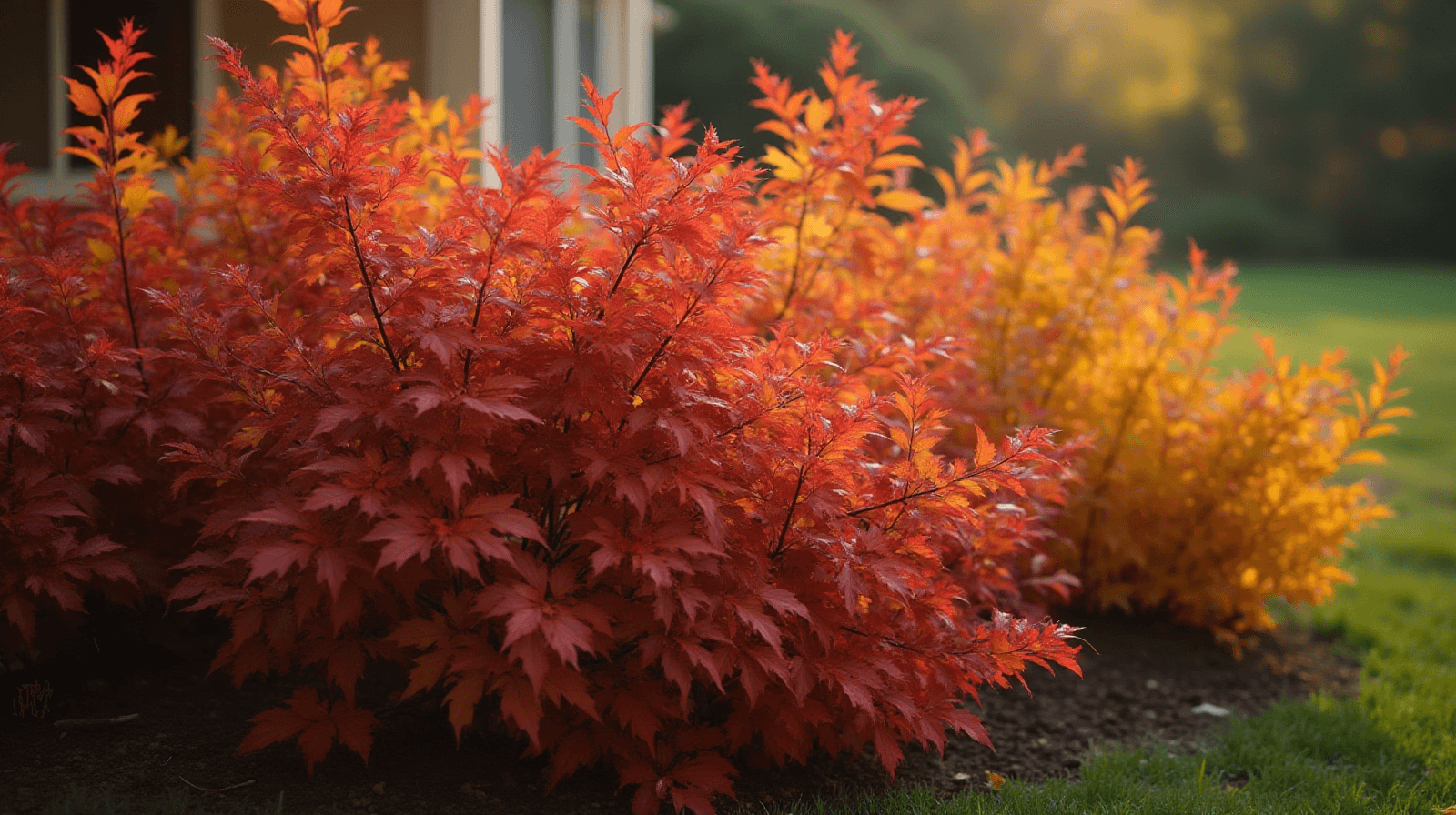

How to Make Your Yard Pop with Shrubs in Autumn
Written by David Rodgers — 2026-09-05
A guide to picking the right woody plants for autumn drama and year-round structure.
The newsletter for gardeners who'd rather learn from a mistake made 40 years ago than repeat it themselves.
autumn plantingshrubsfall foliagelandscape design
Starting the Fall Color Plan: It's Not Just About Leaves
When most people think about fall color, they immediately picture those brilliant red and orange maples or oaks at the edge of a field. While those big trees are beautiful, I’ve learned over forty years in my own backyard that shrubs offer something different—and often more useful for your actual yard layout. When planning for autumn, you shouldn't just be looking for "pretty leaves." You need to think about what stays behind once the first frost hits and the deciduous leaves drop off for the winter.
A good fall plan incorporates three layers: foliage color, fruit/berries, and bark texture. A shrub like a dogwood might provide that stunning crimson leaf in October, but it’s the persistent berries and the structural skeleton of its branches that make it a winner in November and December. I used to make the mistake of picking plants based solely on how they looked in a July catalog. Now, I look for "multi-season" interest. If you want your yard to have depth, you need shrubs that provide something—be it a pop of color or a solid shape—through at least three months of the year. By choosing variety over just "more foliage," you ensure your garden doesn't go "bald" and gray the moment the temperature drops.
The Shrubs to Watch for Specific Colors (And Why)
When you’re looking for specific colors, it helps to group them by what they contribute to the landscape. If you want that fiery look, focus on shrubs known for high-pigment leaf changes or consistent fruit production.
Reds and Oranges
These are your "showstoppers." Varieties like Spiraea (particularly 'Goldflame' or similar) offer reliable reds and oranges that can last well into the cooling months. Another winner is the Serviceberry. While its leaves turn a lovely deep red, its real strength is the cluster of berries that stay on the branches long after the leaves are gone. I’ve found these types to be much more reliable than some "specialty" shrubs that look great for one week and then turn brown.
Yellows and Golds
For those who want a brighter, sunnier palette, certain varieties offer deep golds. Sumac (specifically low-growing cultivars) can provide incredible yellow tones in the fall. However, you have to be careful with your selection; some "wild" types grow too aggressively for a backyard. You want something that stays where you put it. These golden hues are particularly effective when planted near a walkway or as a backdrop for late-season perennials.
Picking the Right Plant for Your Soil and Zone
One of the biggest mistakes I see neighbors make is buying a plant because they liked how it looked at the nursery, regardless of whether it actually likes their dirt. A beautiful shrub will look like a dying one very quickly if it’s sitting in soil that doesn't drain properly or isn't suited for your local climate.
Before you buy anything, check two things: your USDA Hardiness Zone and your soil drainage. In my experience here in Oklahoma (Zone 7), a plant might be hardy enough to survive the winter but won't survive a "wet foot" during a heavy spring rain if the ground is too heavy with clay. You need to match the plant’s requirements to what you actually have, not what you wish you had.
| Shrub Type | Target Fall Color | Light Requirement | Soil Preference | Winter Interest |
|---|---|---|---|---|
| Spiraea | Red / Orange | Full Sun | Well-drained | Good structure |
| Serviceberry | Berries / Bark | Full Sun to Part Shade | Average, well-drained | Berries & bark texture |
| Ninebark | Deep Reds/Purples | Full Sun | Moist but drained | Tough woodiness |
| Sumac (Low) | Yellows / Golds | Full Sun | Well-drained | Texture and color |
If you have heavy clay, look for "well-drained" labels. If your yard is mostly shaded by a large oak tree, don't try to force a sun-loving shrub into the shade; it will become leggy and lose its color potential.
Don't Forget Structure: When Foliage Fades
There is a distinct moment in late November when the "show" of autumn foliage ends and the reality of winter begins. This is where structure becomes your best friend. A well-chosen shrub provides what I call the "skeleton" of the garden. Even when it’s covered in frost, a good shrub should still provide visual interest.
Berries and Bark
Berries are one of the easiest ways to keep interest alive. Species like Serviceberry or certain types of Chokecherry offer clusters of fruit that can persist for months. They don't just provide color; they provide a sense of abundance in an otherwise dormant landscape.
Texture and Form
Bark is another often-overlooked element. Some shrubs have deeply furrowed bark, while others have smooth, peeling surfaces (like certain types of Crape Myrtle, which provides great structure even if it's not the primary source of fall color). When you pick a shrub for autumn, ask yourself: "What will this look like in January?" If the answer is just a pile of sticks on the ground, keep looking. You want something with enough substance that its shape remains appealing throughout the winter months.
Quick Tips for Planting Success in Autumn
Planting in the fall isn't just an option; for many gardeners, it’s actually better than spring planting because it gives the roots a full season to establish before the summer heat hits. However, you have to do a few things right to ensure they take hold.
- Timing is Key: Aim to get your shrubs in the ground while the soil is still warm but the air is cooling down. In many regions, this means late September through October. This allows the root system to "wake up" and grow without being stressed by 90-degree days.
- The Hole Matters: Don't just dig a hole the size of the pot. Dig it twice as wide as the root ball to allow for easier root penetration into the surrounding soil. If you have heavy clay, mix in some organic matter—like compost or aged manure—to help break up the dirt and improve drainage.
- Mulch Deeply: This is a non-negotiable step for me. Apply a 2-to-3-inch layer of wood chips or shredded mulch around the base of the new shrub. Keep the mulch a few inches away from the actual trunk (you don't want to rot the bark). A good layer of mulch helps hold in moisture and regulates soil temperature as the weather fluctuates.
- Watering: Even though it's fall, newly planted shrubs need consistent water for those first few weeks until they are established. Give them a deep soak once a week rather than a quick sprinkle every day. This encourages roots to grow deeper into the ground where it’s cooler and more stable.
Your turn
What are the most reliable fall-color plants in your zone? Let me know down below! If this helped save you a trip to the nursery, share it with another gardener!
🌿 Get Seasonal Gardening Tips
New guides, planting reminders, and growing tips — straight to your inbox.
No spam. Unsubscribe anytime.
About the Author
David Rodgers is the Founder & Head Gardener of Planting Atlas. With over 40 years of hands-on gardening experience in Oklahoma's Zone 7 climate, he researches, writes, and personally tests every guide on the site.
David draws from real backyard trials, soil testing, and trusted sources like Oklahoma State University Extension and USDA data to deliver practical, zone-specific advice that actually works.
Read more about David and Planting Atlas →