Loading…
←Back to Newsletters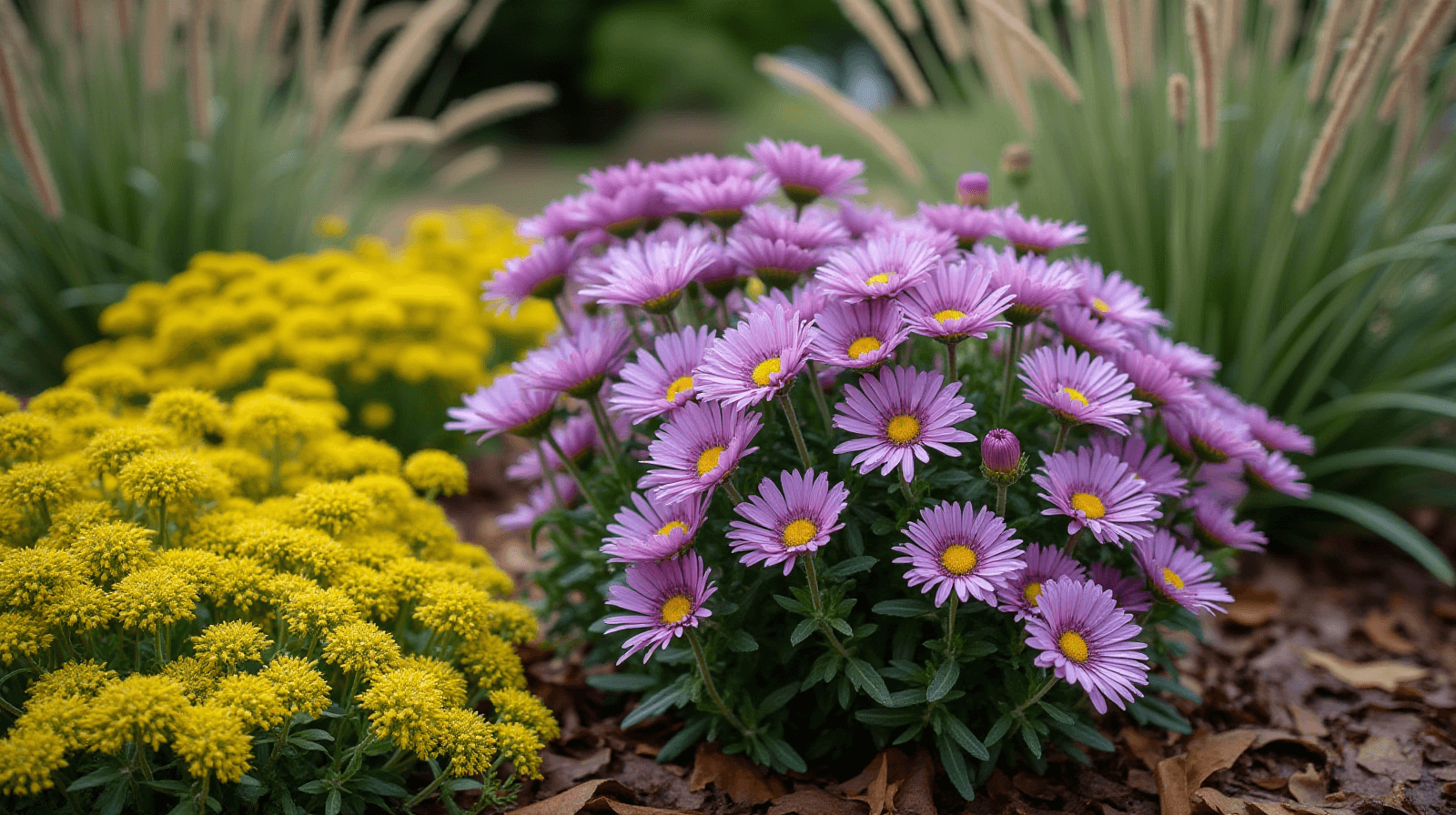
How to Make Your Garden Look Good When Everything Else Is Brown and Dead
Written by David Rodgers — 2026-08-26
A guide for extending color and interest into late autumn season.
The newsletter for backyard growers tired of advice that ignores their actual climate.
perennialsfall caregarden designlate season blooms
The Problem with Fall: The Sudden Drop-Off
I know that feeling well—you spend all spring and summer tending your beds, watching things bloom and grow until they’re just bursting with life in August. Then, the first real cold snap hits, the humidity breaks, and suddenly, it feels like the party is over. By October, a lot of gardens look like they've been abandoned; everything turns brown, brittle, or simply stops showing up.
It's frustrating because you want that "golden hour" feeling to last longer than just a couple of weeks in September. In my own yard here in Oklahoma (Zone 7), I’ve seen how quickly a garden can go from lush and full to looking like a collection of skeletal remains once the first frost touches them. Most people think they have to wait until spring for things to look "good" again, but that's not the case. The problem isn't that the garden is dying; it’s often just that we haven't planted anything specifically designed to stand its ground when the temperature starts to drop. We need a strategy to bridge that gap between the summer peak and the winter sleep.
What ‘Fall Interest’ Actually Means (It's Not Just Blooms)
One of the biggest mistakes I see people make is thinking "fall interest" only refers to flowers. If you rely solely on blooms, your garden will have a very short shelf life once those petals start to drop—which happens fast in many zones. To keep a garden looking intentional and interesting as we head into late autumn, we have to look at the three pillars of design: color, texture, and structure.
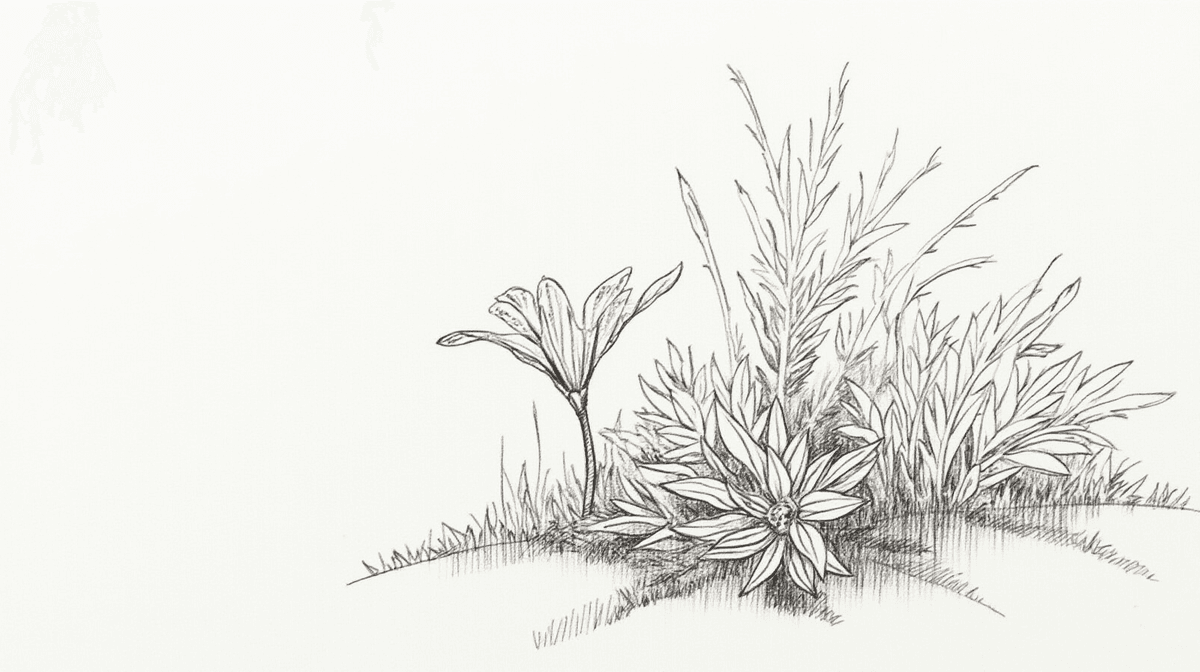
When I talk about "structure," I mean things that stay upright and hold their shape even after they’ve finished flowering. Think about those beautiful, architectural seed heads or the way a certain type of grass holds its form in a breeze. Texture is just as important; it's the difference between a flat, boring patch of dirt and a space that looks "full" because one plant has fuzzy leaves while another has broad, waxy ones. Even if a plant isn't producing a flower at all, it can still be a powerhouse for fall interest if its foliage stays green or turns a deep burgundy. We want to build a garden that doesn't just look good in July; we want it to have something worth looking at when the frost is on the ground and the neighbors are heading inside for the night.
The Workhorse Perennials for Late Season Life
If you want your garden to hold its own, you need "workhorse" plants—the ones that do the heavy lifting because they are hardy enough to handle the transition into colder months. In my experience, there are three main categories of plants that excel here:
- Asters: These are the champions of late-season color. Unlike many summer flowers that burn out by August, certain varieties of Asters will push out deep purples and pinks just as the days get shorter.
- Sedums (Stonecrops): I love these because they provide incredible structure. Many types have succulent leaves that stay firm, and their flower heads often turn into beautiful, architectural shapes in the fall. They are tough enough to handle some neglect while still looking great.
- Ornamental Grasses: These are non-negotiable for a year-round garden. While they might not "bloom" in the traditional sense, they provide movement and height. A good grass will stay standing through several frosts, providing that golden, tawny color that defines a classic autumn landscape.
These aren't just "pretty" additions; they are functional choices. They are selected because they don't give up when the temperature drops into the 40s or 50s, ensuring your garden doesn't look like it's "quitting" for the season prematurely.
Designing With Three Dimensions: Foliage, Bloom, Structure
To make a bed look professional and intentional, you have to mix these elements together. If you plant five different types of flowers that all bloom at once and then die simultaneously, your garden will look like a "pop-up" shop—great for one week, gone the next. Instead, we want to layer them so that as one element fades, another takes over.
Think of it like this:
- The Bloom: This is your primary splash of color (like Asters or late-blooming Mums). It grabs the eye first.
- The Foliage: These are the plants with interesting leaves—maybe something that turns a deep bronze in October. They provide "meat" to the garden when no flowers are present.
- The Structure: This is your "bones." Grasses or seed-bearing perennials (like Echinacea) stay upright and offer visual interest through the frost.
When you pair a tall, wispy grass with a mounded sedum and a cluster of late-blooming asters, you create a scene that feels full. Even when the flowers on the asters eventually drop, the texture of the sedums and the height of the grasses keep the space from looking empty. It’s about making sure there is always something for the eye to land on, regardless of what stage of "death" the summer annuals have reached.
Planting for the Long Haul: Timing & Care Tips
Success with fall-interest plants depends heavily on when you get them into the ground and how you prepare them for the transition. You aren't just planting for this year; you’re planting so they can establish roots before the ground freezes solid.
In most temperate zones, the goal is to get these perennials in by late summer or early fall (depending on your local frost dates). This gives them a few months of "settling in" time. For those who are just starting out, it helps to have a clear idea of what needs more attention versus what can be semi-ignored.
| Plant Type | Primary Role | Typical Timing for Planting | Care Note |
|---|---|---|---|
| Asters | Late Season Color | Early Summer / Early Fall | Keep well-watered during the first dry spell after planting. |
| Sedums | Structure & Texture | Spring or early Autumn | Very hardy; can handle drierer soil than most perennials. |
| Grasses | Movement & Height | Spring / Fall | Cut back to 4-6 inches in late winter, not during the fall. |
When you're planting these out, don't just toss them in a hole and walk away. Use a high-quality composted mix if your soil is heavy clay or very sandy. You want them established enough that they aren't struggling to find water when the first dry spell hits in October. A 2-inch layer of mulch can also help regulate soil temperature, which is vital as we move into those fluctuating autumn weeks.
A Note on Winterizing Your Beds
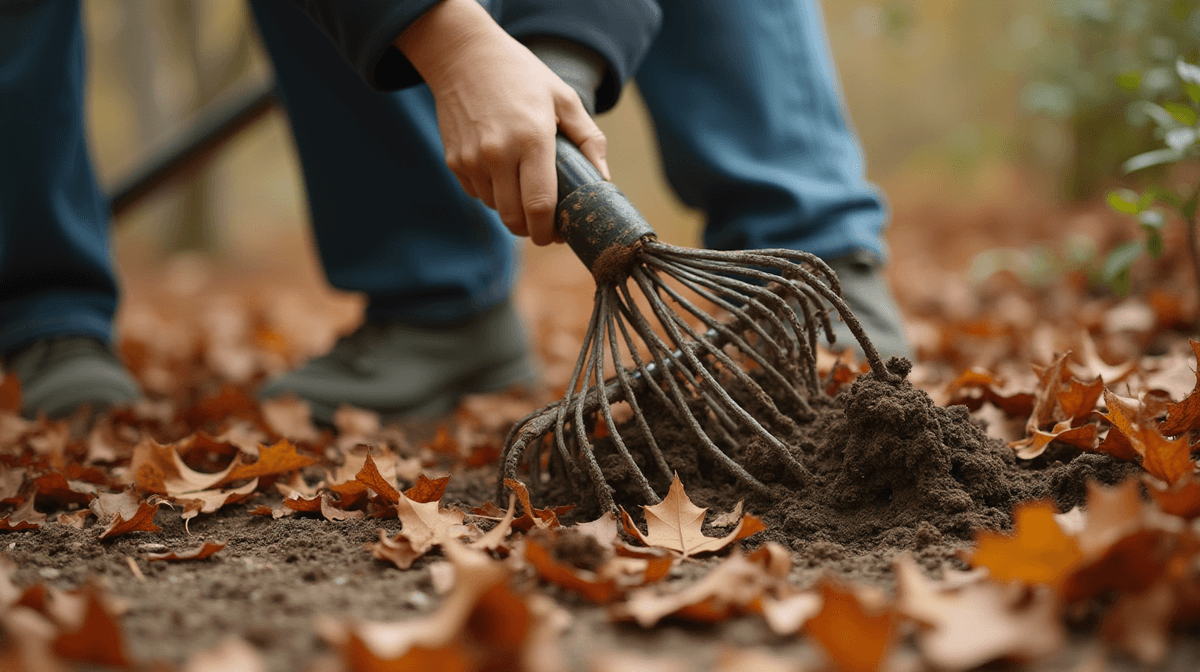
There’s a common misconception that "winterizing" means cutting everything down to the ground the moment it gets chilly. That's not true for many of our fall-interest workhorses. If you cut back your grasses or seed heads in October, you lose all that visual interest we just talked about.
Instead, follow these two rules:
- Leave the Structure: Unless a plant is diseased or looks like it’s rotting at the base, let the grasses and seed-bearing perennials stand. They provide habitat for beneficial insects over the winter and look beautiful in the frost. You can do your "hard" cut-back in late winter (February or March) before new growth starts.
- Mulch for Survival: Once you’ve decided what stays up, add a layer of organic mulch around the base of your perennials. This isn't just about looks; it protects the root zones from extreme temperature swings and helps retain moisture through the winter.
The goal is to make sure that when you walk past your garden in November, it still feels like a living space, not a construction zone. You want those textures and shapes to hold firm until the snow falls or the spring thaw begins.
Your turn
What are your favorite fall bloomers? Share a photo of your late-season corner in the comments! Have you found any reliable sources for local fall planting guides?
🌿 Get Seasonal Gardening Tips
New guides, planting reminders, and growing tips — straight to your inbox.
No spam. Unsubscribe anytime.
About the Author
David Rodgers is the Founder & Head Gardener of Planting Atlas. With over 40 years of hands-on gardening experience in Oklahoma's Zone 7 climate, he researches, writes, and personally tests every guide on the site.
David draws from real backyard trials, soil testing, and trusted sources like Oklahoma State University Extension and USDA data to deliver practical, zone-specific advice that actually works.
Read more about David and Planting Atlas →