Loading…
←Back to Newsletters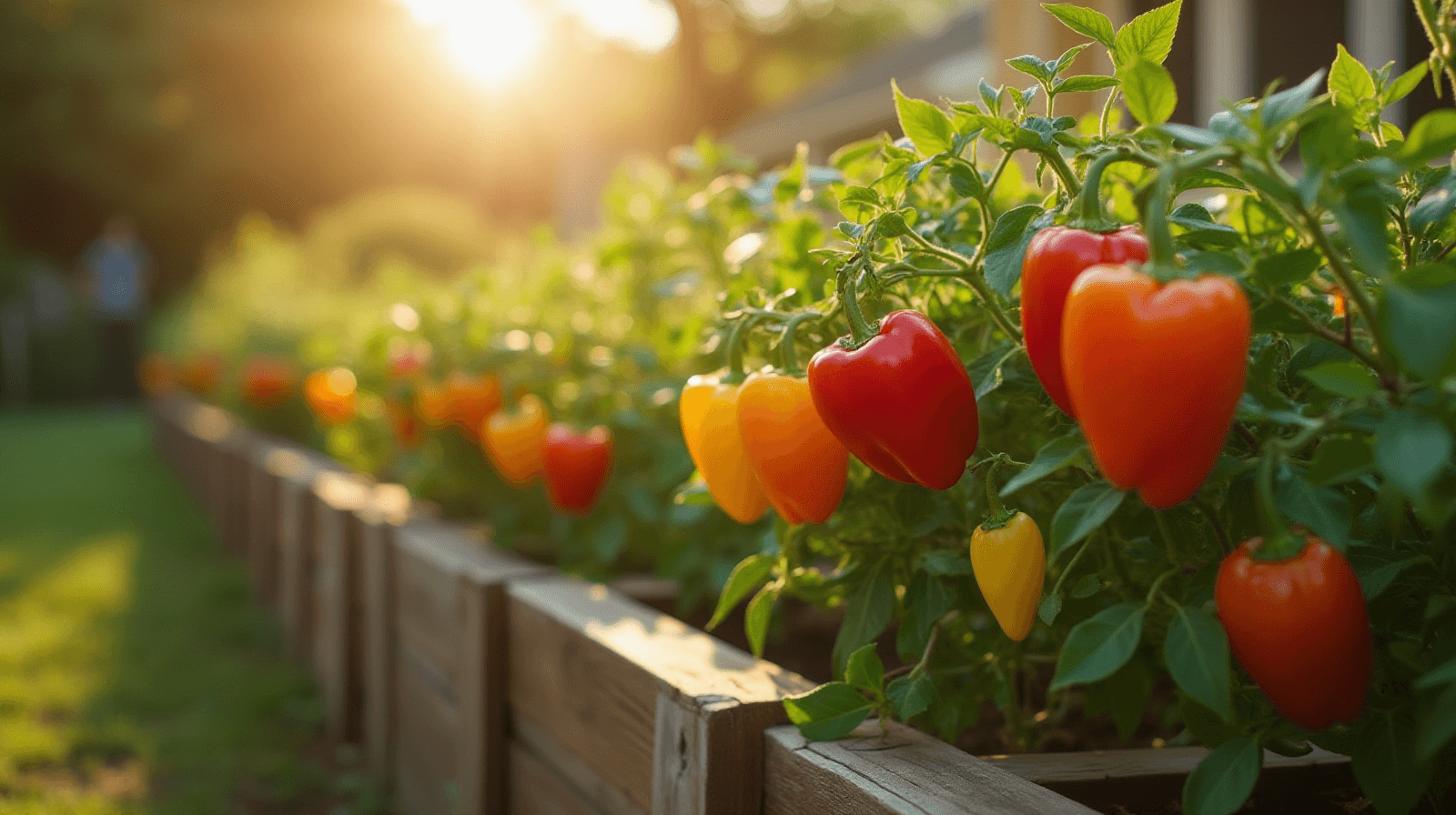
How to keep your pepper plants healthy and productive this season
Written by David Rodgers — 2026-08-05
A guide for keeping the yellow leaves off and maximizing yield in your backyard garden.
The newsletter for gardeners who'd rather learn from a mistake made 40 years ago than repeat it themselves.
pepperspestsdiseasestroubleshooting
The basics: What a happy pepper plant looks like
Before you start worrying about why a leaf is turning yellow or why a stem feels soft, it helps to know what your peppers should look like when they are actually thriving. A healthy pepper plant isn’t just "surviving"; it should look vigorous and sturdy enough to handle the Oklahoma heat.
When things are going right, you'll see deep green foliage—not that dark, almost blackish-green of a nitrogen-overfed plant, but a rich, healthy green. The leaves should feel turgid (that’s just a fancy way of saying they are firm and full of water), not limp or drooping in the afternoon sun. You want to see consistent growth where new leaves at the top look like smaller versions of the ones below them.
A happy plant also has "productive" signs early on. This means you should see small flowers beginning to bloom consistently, followed by tiny fruit sets. If a pepper plant looks robust and steady in its growth, it’s building up the energy it needs to produce those heavy peppers later in the season. When you start your walk through the garden each morning, use this as your baseline: if it looks strong, uniform, and green, let it be. You only need to step in when you see these characteristics start to deviate.
When the leaves start looking stressed (Yellowing or Wilting)
One of the most common frustrations I hear from neighbors is that they can’t tell if their peppers are just thirsty or if something deeper is wrong. In my forty years, I’ve learned that differentiation is key because your "fix" depends entirely on which one it is.
Identifying Thirst vs. Disease
If a plant wilts in the heat of the afternoon but perks back up by the next morning after a good soak, it's usually just thirsty. In Zone 7, our afternoon temperatures can spike quickly, and peppers will often "shut down" slightly to conserve moisture. If you see this cycle—wilt during the day, recovery at night—the plant is likely fine; it just needs more consistent soil moisture.
Identifying Nutrient or Systemic Issues
However, if a leaf stays wilted all day, or if you notice yellowing that doesn't go away with watering, you’ve got a different problem. Yellowing (chlorosis) can start in several ways:
- Bottom-up: If the lowest leaves are turning yellow and falling off while the top remains green, it often points to an old leaf giving up or a localized soil issue.
- Edge-inward: If the edges of the leaves are curling and turning yellow/brown, that’s usually a sign of stress from salt buildup or a specific nutrient deficiency.
Nutrient trouble: Figuring out what’s missing
When your peppers start showing signs of "hunger," it can be frustrating to guess which nutrient is missing. You don't need a chemistry degree to figure this out; you just need to look at where the symptoms are appearing on the plant and the fruit. I try to keep it simple by focusing on the three big ones: Calcium, Phosphorus, and Potassium.
The "Big Three" Simplified
- Calcium (Ca): This is about structure. If you see "blossom end rot"—where the bottom of your pepper turns black and mushy—that’s a calcium issue. It often happens because the soil is too dry or has poor drainage, preventing the plant from moving calcium where it needs to go.
- Phosphorus (P): This helps with energy and root growth. If your plants are stunted, looking "puny," or have very dark green leaves that aren't producing many flowers, they might be lacking phosphorus.
- Potassium (K): Think of this as the "overall health" nutrient. If you see yellowing on the leaf margins or if the fruit isn't reaching full size and flavor, potassium is usually the culprit.
| Symptom | Likely Cause | Common Fix |
|---|---|---|
| Blossom End Rot (Black bottoms) | Calcium Deficiency | Consistent watering & mulch |
| Stunted growth/Dark leaves | Phosphorus Deficiency | Balanced fertilizer in early season |
| Yellowing leaf edges | Potassium Deficiency | Regular feeding during fruiting |
Pests and diseases that do the damage
In a backyard garden, it isn't always "malnutrition" causing the problems. Sometimes, something is actively attacking your plants. In our region, heat-related stress can make peppers more susceptible to these issues once they take hold.
Blight and Fungal Issues
Blight is the one that keeps me up at night in humid spells. It usually shows up as brown or black spots on the leaves that eventually merge into large "blotch" areas. If you see this, it’s spreading through moisture—rain splash or overhead watering can move it from plant to plant quickly.
Sap-Sucking Pests
Aphids and mites are common culprits for distorted growth. They don't usually kill the plant outright, but they suck the life out of the leaves, causing them to curl, pucker, or turn a sickly yellow-green. You’ll often see these clustered on the underside of the leaf or at the growing tips.
The "Sucker" Problem
While not a pest, some varieties can produce "suckers"—vigorous, extra growth from the crotch of the main stem. These suck up energy that should be going into your peppers. If you see these taking over and making the plant look like a wild bush rather than a productive pepper plant, they need to be pinched back so the plant stays focused on fruit production.
The quick fixes: What you can actually do right now
If you walk out into your garden today and notice something isn't right, don't panic. Most of these issues have straightforward solutions that you can implement immediately to get the plants back on track for a productive harvest.
Immediate Action Steps
- For Wilting: If the plant is wilting during the day but looks okay at night, your first move isn't more water—it's mulch. A 2-3 inch layer of straw or shredded wood keeps the soil temperature down and prevents moisture from evaporating so quickly. This stops the "cycle" of stress that weakens the plant over time.
- For Blossom End Rot: If you see a pepper starting to rot at the bottom, pull it off immediately. Don't let it sit on the plant; it wastes energy and can invite more rot. To fix the underlying cause, ensure your irrigation is consistent so the calcium can move through the plant correctly.
- For Pests: If you see aphids or other small bugs, a simple blast of water from the garden hose in the morning is often enough to knock them off. For persistent issues, use an insecticidal soap specifically labeled for vegetables.
Keeping it clean all season long
The best way to handle problems is to prevent them from starting. In my experience, many "diseases" are actually just symptoms of a plant that's struggling because the environment isn't right. A few simple maintenance habits will keep your peppers healthier and more productive through the heat of August.
Space and Airflow
One of the biggest mistakes I see is planting peppers too close together to "maximize" space. In our climate, airflow is life. If plants are crowded, humidity builds up between the leaves, creating a breeding ground for blight. Give them enough room that you can easily walk between them and air can circulate freely around each main stem.
Ground Maintenance
Keep the area under your pepper plants clear of weeds and heavy debris. Weeds aren't just competition for nutrients; they trap moisture against the stems and hide pests from your view.
Strategic Pruning
As the season progresses, keep an eye on the lower leaves—the ones closest to the ground. If these start to yellow or look "scruffy," prune them off. This prevents soil-borne diseases from splashing up onto the foliage during a rainstorm and keeps the main part of the plant clean and focused on producing fruit. A little bit of maintenance now saves you a lot of headache in the final weeks of the season.
Your turn
What's the weirdest plant problem you've faced this year? Drop it below—we might write about it next issue! Share this with a neighbor who grows peppers.
🌿 Get Seasonal Gardening Tips
New guides, planting reminders, and growing tips — straight to your inbox.
No spam. Unsubscribe anytime.
About the Author
David Rodgers is the Founder & Head Gardener of Planting Atlas. With over 40 years of hands-on gardening experience in Oklahoma's Zone 7 climate, he researches, writes, and personally tests every guide on the site.
David draws from real backyard trials, soil testing, and trusted sources like Oklahoma State University Extension and USDA data to deliver practical, zone-specific advice that actually works.
Read more about David and Planting Atlas →