Loading…
←Back to Newsletters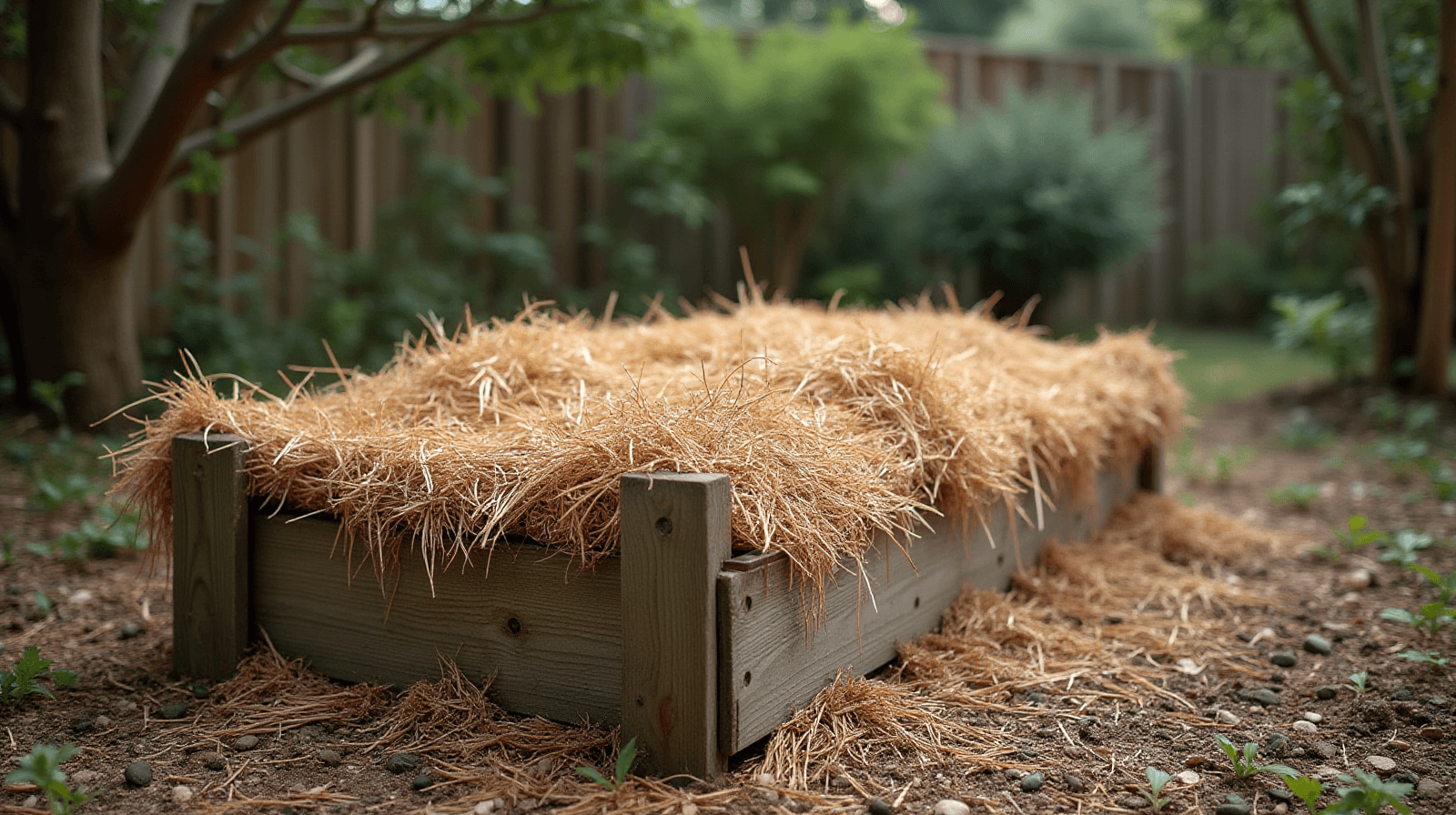
How to Keep Growing Food When the Frost Hits Hard
Written by David Rodgers — 2026-09-06
A practical guide for extending your harvest using basic cold frames and structures.
The newsletter for gardeners who'd rather learn from a mistake made 40 years ago than repeat it themselves.
coldframesyear-round-growingzone-specificinsulation
The first thing to know: What makes year--round gardening possible?
When people talk about growing food all year round, they often imagine a high-tech greenhouse with heaters and automated systems. That isn't what we’re talking about here. I don't have the space or the budget for that kind of setup, and most home gardeners don't need it either to keep things productive into the colder months. What makes year-round gardening possible—and practical—is understanding "extension."
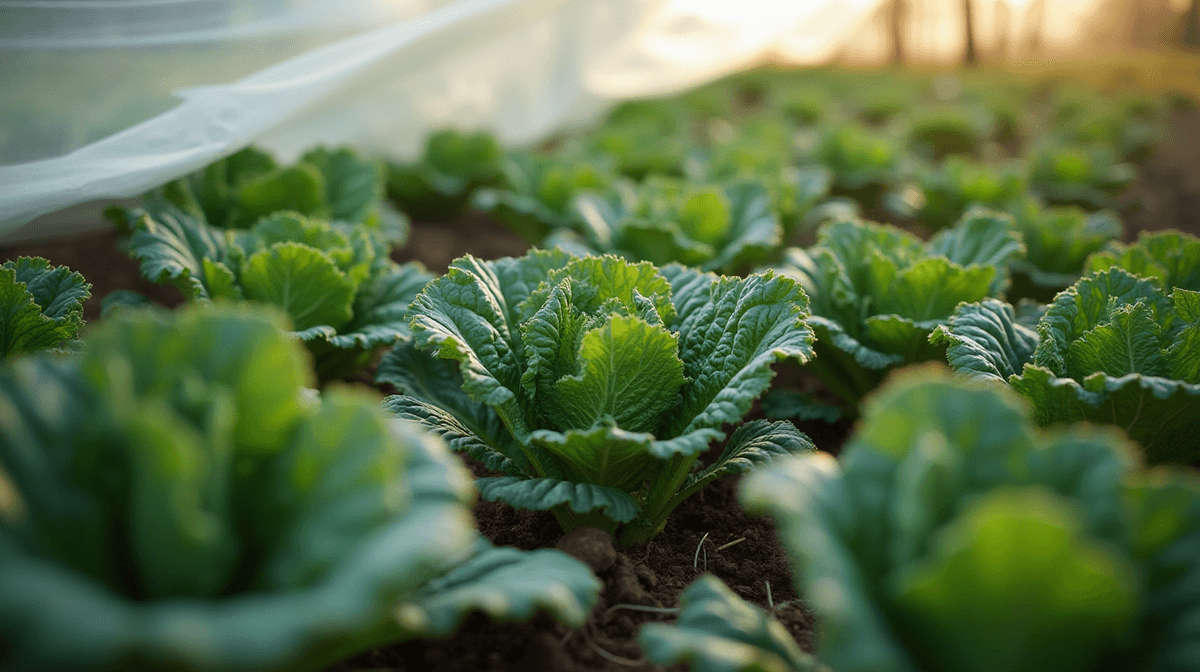
The goal isn't to turn your backyard into a tropical paradise in January; it’s about using simple structures like cold frames or hoop houses to shield plants from the two biggest enemies of late-season growth: wind and extreme temperature swings. I spent years trying to force summer tomatoes to stay alive through November, only to realize that while they won't survive, many other things actually love a bit of chill. By using a simple frame covered in plastic or glass, you create a microclimate. It keeps the ground from freezing solid too quickly and traps enough radiant heat during the day to keep plants growing when the air temperature drops below freezing. You aren't fighting nature; you're just giving your plants a slightly better "room" to wait out the worst of it.
Picking your fight: Choosing crops for winter survival
You can’t grow everything in a cold frame, and trying to do so is a quick way to get frustrated. If I tried to keep peppers going into a Zone 7 frost, they'd just give up. Instead, you have to pick the right "fighters." These are crops that naturally tolerate—or even prefer—colder temperatures and shorter days.
I’ve found success with three main categories:
- Brassicas: Kale, cabbage, and certain types of broccoli actually get sweeter as it gets colder because they start converting starches into sugars to act as a natural antifreeze.
- Root Crops: Carrots, parsnips, and beets are incredibly hardy. Because they spend their energy underground, they can handle significant frost on the surface while continuing to grow slowly in the soil.
- Leafy Greens: Spinach and certain varieties of lettuce (like 'Winter Density') stay tender even when the ground is cold.
The secret here is selecting "cold-hardy" varieties specifically. For example, instead of a standard head of lettuce that might bolt or turn bitter in October, look for those bred for late-season production. If you pick the right plants from the start, they won't just survive; they’ll actually thrive while your neighbor's garden is completely dormant.
The structural fix: Insulating your simple setup
A common mistake I made early on was thinking that just putting a frame over some plants would be enough. It isn't. If you have gaps where the wind can whistle through, the heat will escape instantly, and your soil will freeze. You need to think about "sealing" your space like you’d seal a drafty room in an old house.
For a basic cold frame or hoop house, focus on these three areas:
- The Base: Ensure the frame sits firmly on the ground so wind can't get underneath it and lift the cover or chill the soil from below.
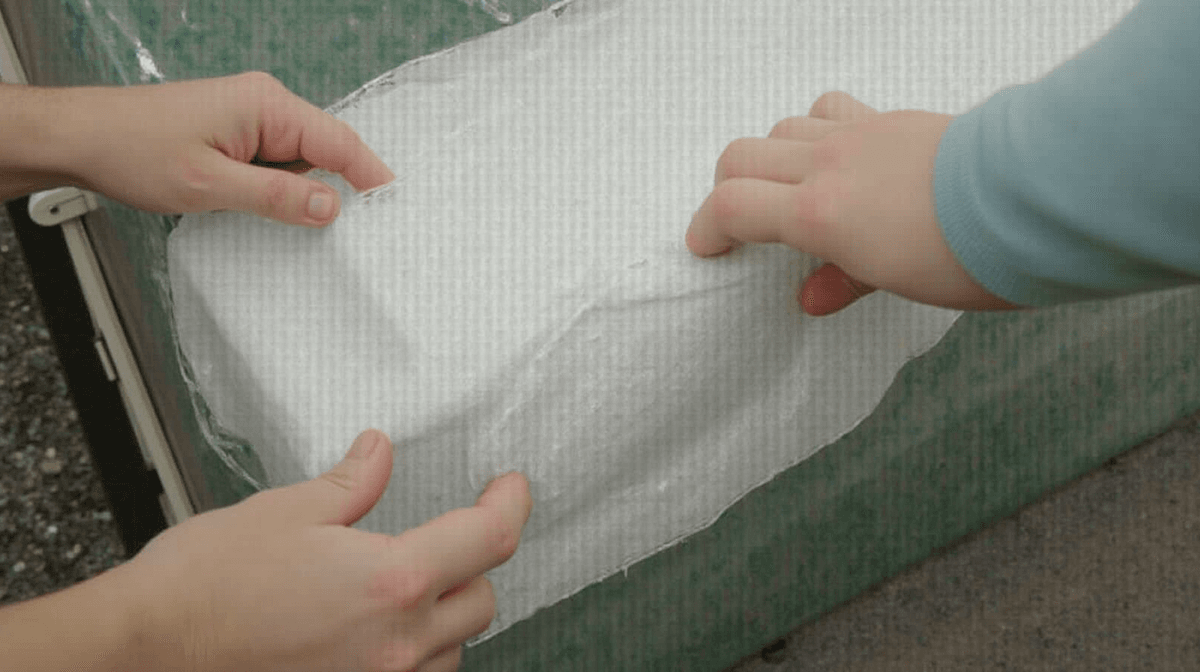
- The Walls: If you use plastic film (common in hoop houses), ensure it is tucked in tightly at the bottom. For a traditional wood-framed cold frame, you might add heavy burlap layers on the sides during extreme cold snaps to provide extra insulation.
- The Top: Use "hoop" structures for larger areas; they allow snow to slide off rather than piling up and crushing your plants.
I’ve found that even a simple layer of mulch—at least 4 inches of straw or shredded leaves—underneath the structure is non-negotiable. It keeps the soil temperature stable, which is what really keeps the roots alive when the air gets biting.
Timing is everything: When to plant and when to harvest by tussle zone
Success in winter gardening depends entirely on your local climate. A "winter" garden in Zone 9 looks very different from one in Zone 5. You have to work with the frost dates of your specific area. In many cases, you aren't just planting for "now"; you are planting a crop that will sit and slowly mature through the winter so it’s ready when everyone else is looking for fresh food in early spring.
Timing depends heavily on your USDA zone:
| Feature | Zone 5 (Cold) | Zone 7 (Moderate/Oklahoma) | Zone 9 (Warm) |
|---|---|---|---|
| Primary Goal | Extending into late fall | Protecting through first hard freeze | Keeping crops fresh in winter chill |
| Key Winter Crops | Kale, Carrots, Collards | Spinach, Beets, Broccoli | Lettuce, Radishes, Herbs |
| Typical Window | Sept – Nov harvest | Oct – Jan harvest | Nov – March harvest |
In my experience here in Zone 7, the "sweet spot" is planting hardy greens and root crops in late August or early September. This allows them to establish a deep root system before the ground hardens. If you wait until November to put something in a cold frame, it likely won't have enough time to mature before the heavy frosts of December hit.
Simple steps for a surviving season extension garden
If you want to start this, don't try to do everything at once. Start with one bed or one small structure and follow these steps to keep things manageable:
- Prepare the Bed: In late summer, clear your winter plot. Incorporate composted manure or aged manure into the soil. This provides a slow-release nutrient boost that lasts through the winter months when growth slows down.
- Install Your Structure: Whether it’s a simple wooden frame with a glass lid or a hoop house with 6-mil plastic, get it in place by September. Ensure you have enough "headroom" so you can actually reach inside to work without hitting the top.
- Plant for Longevity: In late August/early September, sow your hardy seeds directly into the ground (or start them as transplants). I recommend a mix of kale and carrots; they are incredibly forgiving.
- Mulch Heavily: Once you've planted, cover the soil with straw or hay. This is your primary defense against frost heaving—where the ground freezes and "pops" your plants out of the dirt.
- Maintain Minimalist Care: During winter, your main tasks are checking for moisture (if it hasn't rained/snowed) and occasionally "deadheading" or removing old leaves to prevent rot from lingering in the humid air inside the structure.
What to expect: The realities of eating from your cold frame in January
I want to be very honest about what a winter garden actually looks like compared to the glossy photos you see online. You aren't going to get massive, heavy heads of cabbage or huge yields of tomatoes in December. Growth slows significantly when temperatures drop because the plants are spending their energy just trying to stay alive.
What you will get is something much more valuable: freshness and flavor. Because these plants are growing slowly under stress, they often develop a deeper, sweeter flavor than their summer counterparts. However, there are trade-offs:
- Labor: You will spend more time "tending" the structure—clearing snow, checking for moisture, and managing the space.
- Pests: While many pests die off in the cold, some (like certain types of slugs or aphids) can still hang around your protected structures. You'll need to keep a closer eye on them.
- Lower Volume: Think of this as "specialty" production. You might only harvest enough kale for your family each week, but it will be the only fresh greens available in your neighborhood during the coldest months.
Don't expect a bumper crop; expect high-quality produce that keeps you connected to the land when everyone else is just buying from the grocery store. It’s about the joy of seeing green leaves while there’s frost on the grass outside.
Your turn
What's one crop that keeps surviving past its expected season at your place? Share it below! Did we miss a critical insulation hack for extreme zones?
🌿 Get Seasonal Gardening Tips
New guides, planting reminders, and growing tips — straight to your inbox.
No spam. Unsubscribe anytime.
About the Author
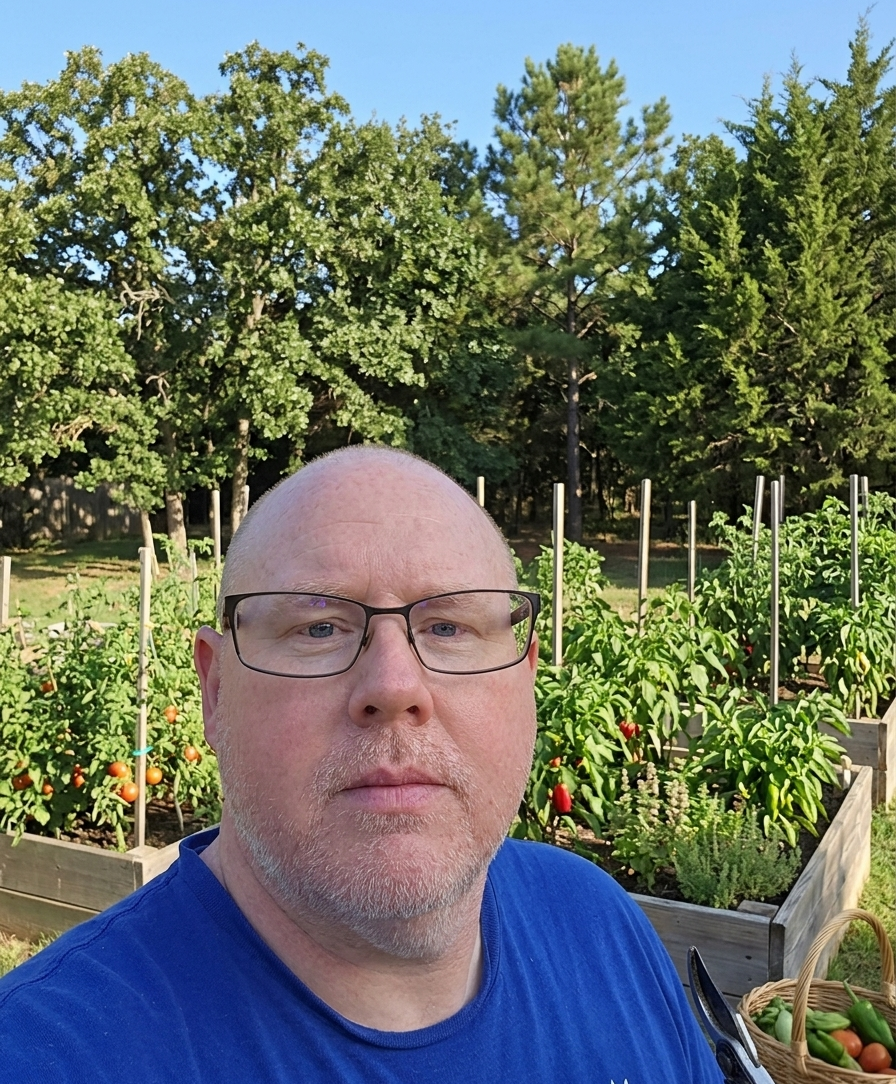
David Rodgers is the Founder & Head Gardener of Planting Atlas. With over 40 years of hands-on gardening experience in Oklahoma's Zone 7 climate, he researches, writes, and personally tests every guide on the site.
David draws from real backyard trials, soil testing, and trusted sources like Oklahoma State University Extension and USDA data to deliver practical, zone-specific advice that actually works.
Read more about David and Planting Atlas →