Loading…
←Back to Newsletters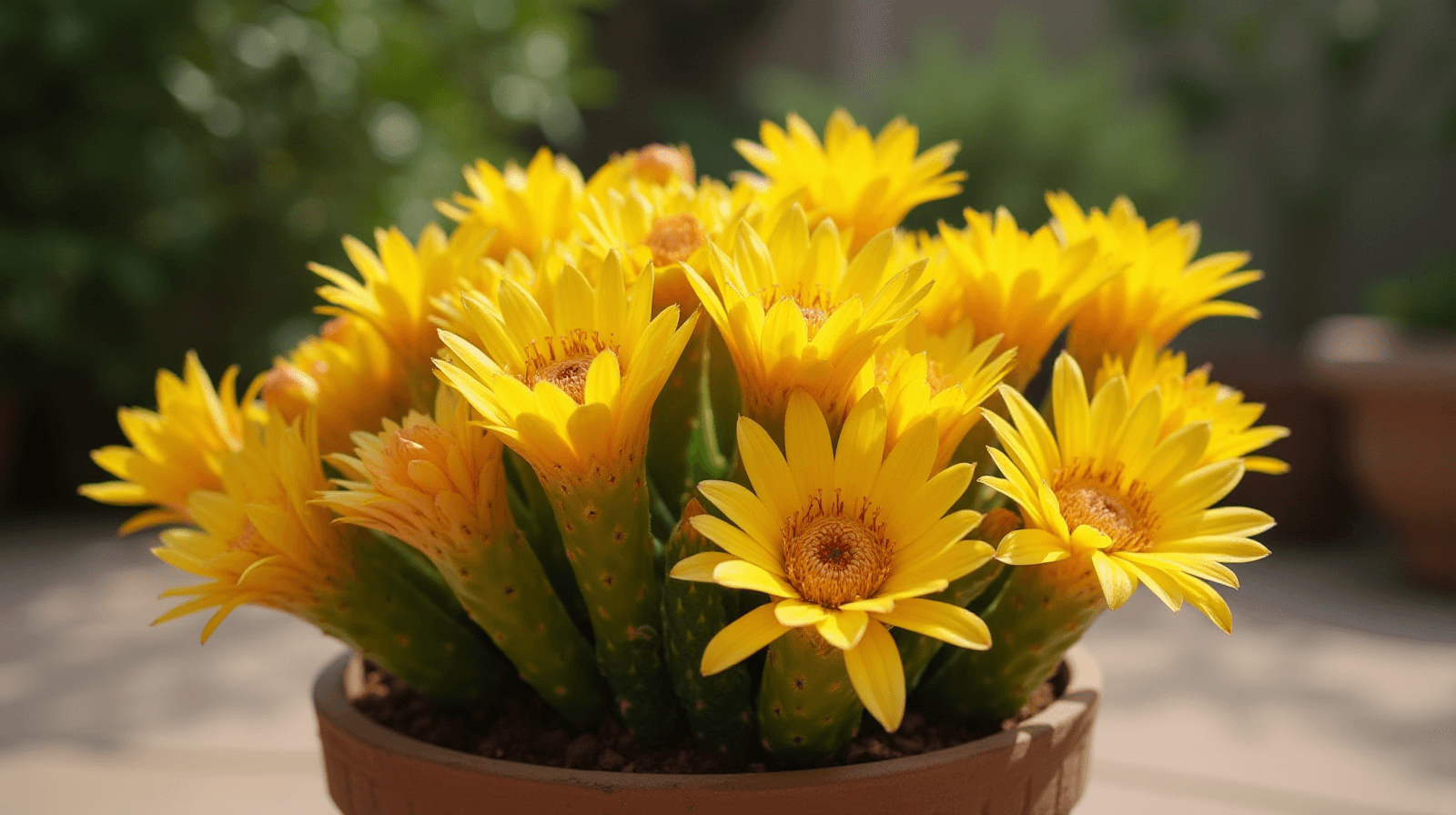
How to Grow Cholla Cacti That Actually Look Right
Written by David Rodgers — 2026-09-19
Planting and caring for these dramatic desert blooms in your backyard.
The newsletter for gardeners who'd rather learn from a mistake made 40 years ago than repeat it themselves.
cactusesdesert gardeningcontainer plantsxeriscaping
Before you buy a single cholla: understanding what they actually are
Before you head to the nursery, let’s get one thing straight about Chollas (specifically those in the Cylindropuntia genus). They aren't your typical "pretty" cactus that sits quietly in a pot. These things are architectural and aggressive—in the best way possible. They grow with dramatic, jointed segments and sharp spines that make them look like something out of an old Western movie.
I spent years thinking all cacti were basically the same: put 'em in a sunny spot and give them water once a month. That’s not how Chollas work. Because they are desert-adapted survivors, their growth habits are very specific. They don't just grow "up"; they branch out into these wild, jagged shapes that can become quite large if left unchecked. You need to decide if you want a sculptural centerpiece or something that will eventually take over its space. Unlike some softer cacti, Chollas have thick, waxy skins designed to store water for months of drought. They aren't "thirsty" plants in the way a hydrangea is; they are survivors. If you’re looking for something soft and approachable, skip these. But if you want a plant with real character that can handle some neglect, they are spectacular choices.
The three non-negotiables for keeping chollas happy (Soil & Drainage)
If I could only give you one piece of advice to keep a Cholla alive in your yard, it would be this: never, ever let the roots sit in wet dirt. Most people make the mistake of using standard "potting soil" because they think it’s what the bag says for plants. It isn't. Standard potting soil holds onto moisture like a sponge. For a Cholla, that’s a death sentence; their roots will rot within days if they can't breathe.
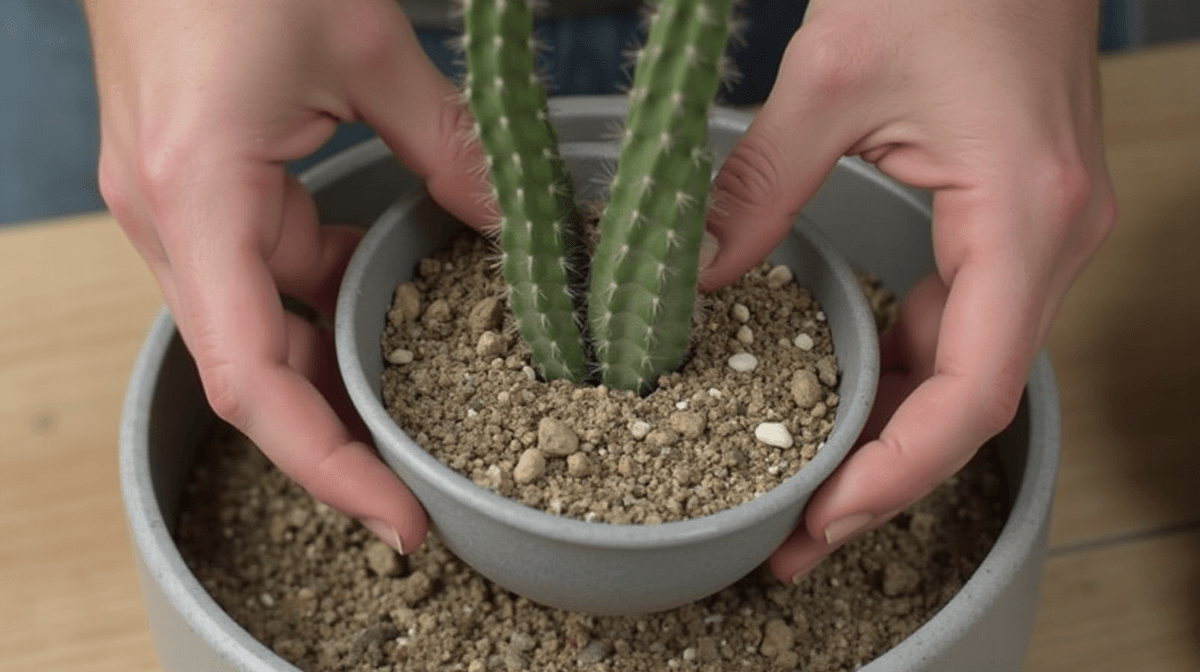
You need to create a gritty, porous environment. Think of the soil as a drainage system first and a nutrient source second. I always recommend mixing your cactus-specific potting soil with at least 30% inorganic material—things like coarse sand, perlite, or even small crushed lava rocks. You want water to move through the pot almost as fast as you pour it in. When you're planting them into the ground (if your zone allows), they need a raised bed or a mounded area so gravity helps pull excess moisture away from the crown of the plant. If the soil stays damp for more than a few days after a heavy rain, you’ve got too much organic matter in the mix and not enough grit.
Where in your yard should a cholla go? Placement, sun, and safety
Because Chollas are desert-hardy, they aren't "shade" plants. They need full sun—we're talking at least six to eight hours of direct sunlight every day. In my experience here in the heat of Oklahoma, putting them in a partially shaded spot often leads to "etiolation," where the plant starts stretching out and looking spindly as it tries to find more light.
However, there is a massive safety component you can't ignore with these specific cacti. Those spines aren't just for show; they are formidable. You should never plant them in high-traffic areas of your yard—not near walkways where people might trip into them, and definitely not within reach of curious dogs or small children. They belong in "look but don't touch" zones. If you’re planting them in a container, place that container on a heavy stand or a dedicated patio area where they won't be bumped by a lawnmower or a wandering pet.
| Feature | Requirement | Why it matters |
|---|---|---|
| Sunlight | Full Sun (6+ hours) | Prevents stretching and keeps growth compact |
| Airflow | High | Prevents rot in the joints of the cactus |
| Distance | 5-10 feet from paths | Safety for people/pets against sharp spines |
The right size pot matters: planting depth and spacing rules
One of the biggest mistakes I see is "over-potting." People buy a small, beautiful Cholla and put it in a massive decorative pot because they want it to look proportional. This is how you kill them with kindness. A massive pot holds a huge volume of soil; if that soil stays damp for even an extra week because the plant's root system isn't big enough to drink it all up, the roots will rot.
Choose a container that is just slightly larger than the current spread of the cactus. You want the "root ball" to fill about two-thirds of the pot. Additionally, if you are grouping them together, leave plenty of space between the individual specimens. Chollas need airflow around their joints and segments. If they are packed too tightly together, moisture can get trapped between the stalks, leading to fungal issues or rot in those "joints" where the cactus branches out. When planting into a pot, ensure you aren't burying the very top of the main stem; it should sit just above the soil line so the crown stays dry.
Watering only when you absolutely have to (and how often)
The golden rule for Chollas is: wait until they are thirsty before you give them a drink. In my garden, I’ve learned that it's much easier to underwater a cactus than it is to fix one that has been overwatered. Overwatering leads to "mushy" stems—once the base of the plant starts turning soft or yellowing, it means rot has set in and it’s likely too late to save it.
Establish a routine based on your local climate and season. In our hot, dry zones (like Zone 7), you might only need to water deeply once every three weeks during the growing season, and even less frequently in the winter. The goal is a "soak and dry" cycle: when you do water, give it enough to saturate the soil thoroughly so the water drains out the bottom of the pot completely. Then, don't touch it again until the soil has dried out all the way down to the bottom. If you’re unsure if it needs water, wait another week. They are much more resilient than most people realize when it comes to drought, but they have zero tolerance for "swampy" conditions.
Bonus points: using chollas in your design
Once you’ve mastered the basics of keeping them alive, Chollas can become some of the most interesting architectural elements in a landscape. Because of their unique branching structure, they work beautifully as focal points at the end of a path or in a rock garden. They don't need much space to make an impact; one well-placed specimen can command attention because of its dramatic silhouette against the sky.
From an ecological standpoint, Chollas are also great for local pollinators. While their spines might keep humans and pets at bay, they don't bother bees or other beneficial insects. They provide a sturdy structure that can host small desert inhabitants while offering nectar to pollinators in the heat of the day. If you want to create a "xeriscape" (a water-wise garden), Chollas are your best friend. Pair them with some hardy, low-water groundcovers or decorative gravel to create a high-contrast look that thrives on neglect and rewards you with striking, sculptural beauty every season.
Your turn
What's the most challenging desert plant you've ever grown? Share a photo of your best Cholla setup below!
🌿 Get Seasonal Gardening Tips
New guides, planting reminders, and growing tips — straight to your inbox.
No spam. Unsubscribe anytime.
About the Author
David Rodgers is the Founder & Head Gardener of Planting Atlas. With over 40 years of hands-on gardening experience in Oklahoma's Zone 7 climate, he researches, writes, and personally tests every guide on the site.
David draws from real backyard trials, soil testing, and trusted sources like Oklahoma State University Extension and USDA data to deliver practical, zone-specific advice that actually works.
Read more about David and Planting Atlas →