Loading…
←Back to Newsletters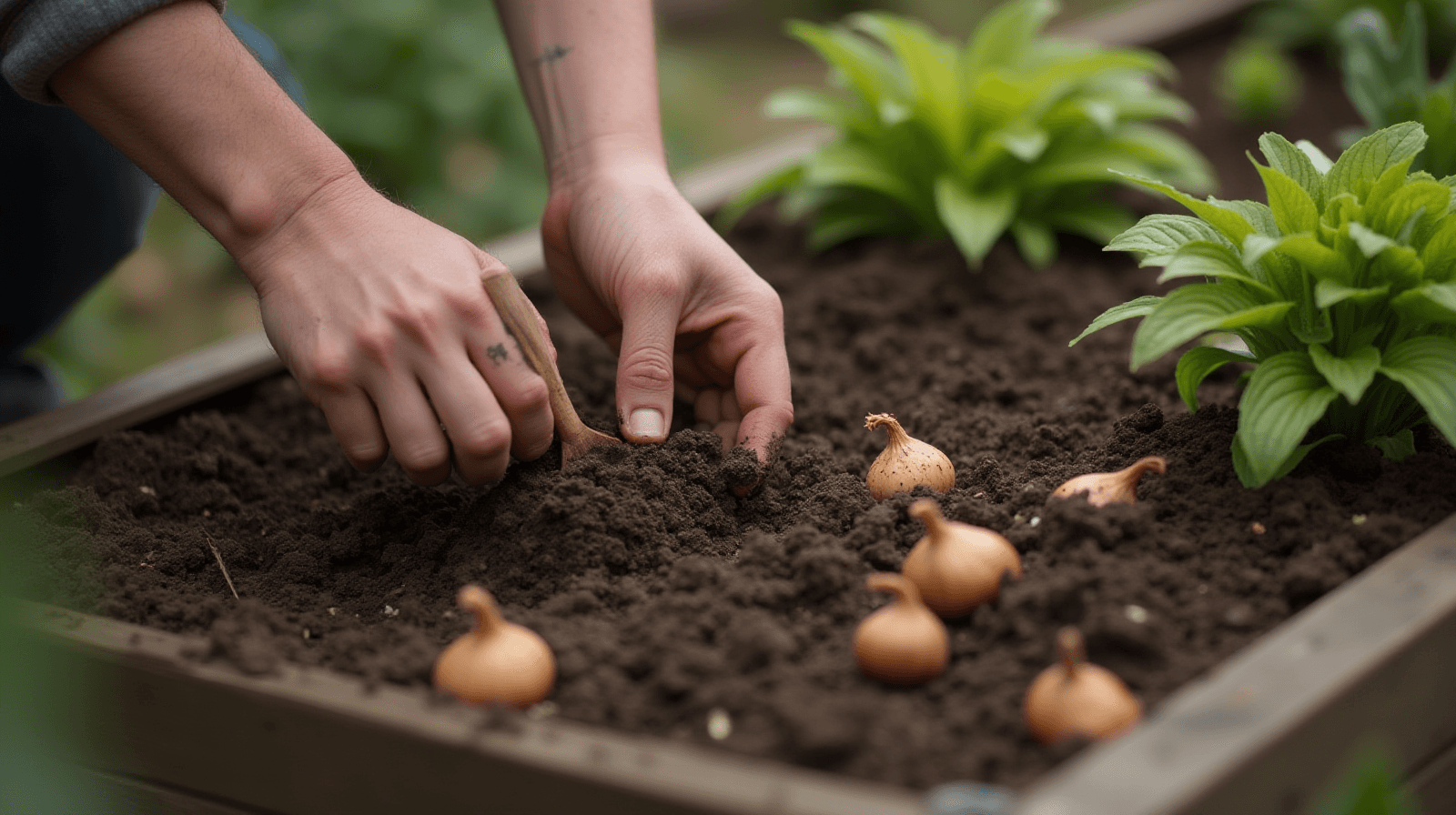

How to find specialty bulbs for next year's showy garden beds
Written by David Rodgers — 2026-09-01
Planning and sourcing uncommon flowers before the first frost.
The newsletter for gardeners who'd rather learn from a mistake made 40 years ago than repeat it themselves.
spring bloomsbulb plantinghardscapingseasonal prep
Before you buy anything: what are you actually trying to achieve?
Before you spend a single cent on bulbs, take a breath and step back from the "pretty" factor for a second. It’s easy to get swept up in the excitement of looking at colorful catalogs or walking through a fall nursery, but if your only goal is "I want some flowers next spring," you’re going to end up with a lot of frustration when the season actually hits.
Instead, I want you to think about the sequence. A great garden bed isn't just one big explosion of color on a single Tuesday in April; it’s a relay race. You want to know what your goal is: Are you trying to fill an empty space under a large tree? Do you want a front-of-the-house display that keeps people looking at it for weeks instead of days?
When I started out, I just bought whatever was on sale and threw them in. The result was three different bulbs blooming all at once for ten days, followed by two months of brown stalks and empty dirt. Now, I plan for the "bloom window." You should decide if you want early spring surprises (like crocus), mid-spring staples (tulips and daffodils), or late-season transitions to summer. Defining your goal—the specific timeframe you want color in—will dictate exactly which bulbs are worth your money and space.
Finding bulbs that don’t advertise themselves at the local nursery
If you walk into a standard neighborhood garden center in the fall, you’re going to find the "greatest hits." You’ll see plenty of standard tulips and perhaps some common daffodils. These are fine for filling space, but if you're looking for those specialty varieties—the ones with unique shapes, irregular colors, or late-season persistence—you usually have to go looking a bit harder than just checking the local shelf.
Many of the most rewarding bulbs aren't mass-produced enough for big box stores to stock them in high volumes. To find these, I recommend two specific paths:
- Specialty Online Growers: There are several reputable companies that specialize specifically in "heritage" or specialty bulbs. They often have much better variety than a general nursery because they aren't trying to cater to the casual weekend shopper who just wants one bag of tulips.
- Wholesale-Direct Sources: Sometimes, finding a local independent grower who sells directly to the public can get you varieties that haven't been "diluted" by commercial shipping demands.
Don't be afraid to order online from these specialists. They often provide much better information on specific growing requirements for your zone than a general nursery worker might have off the top of their head. When you find a variety you love, stick with it; consistency is key in a multi-year planting plan.
The planting schedule matters: timing for different bulb types
Timing isn't just about when you physically put them in the dirt; it’s about giving each specific type of bulb enough time to establish its root system and "wake up" before the ground freezes. In my experience, if you wait until the first frost hits to get your hands in the mud, many of those delicate early-spring varieties won't have enough lead time to produce a substantial bloom.
Different bulbs have different requirements for how long they need to sit underground before they are ready to pop. For example, some spring bulbs can be planted later because their "growing season" is shorter, while others need the full autumn and winter cycle to build up energy.
Depending on your USDA zone, you should aim to get these in the ground as soon as the soil is workable but before the deep freezes set in. Here is a general look at how I categorize them for my own planning:
| Bulb Category | Typical Bloom Window | Planting Goal | Examples |
|---|---|---|---|
| Early Spring | Late Feb - March | Get these in early to ensure they pop before the heat hits. | Crocus, Scilla, Muscari |
| Mid-Spring | March - April | The "staples" of spring; need steady growth time. | Tulips, Daffodils (Narcissus) |
| Late Spring/Summer | April - June | These can often be planted a bit later in the fall. | Gladiolus, Alliums, Lilies |
Mixing it up: how to plant a bed that blooms all season long?
The secret to a "showy" garden isn't having 500 of one type of tulip; it’s about layering your plantings so that as one group fades, the next one takes over. I like to think of this as "staggered success." If you want a bed that keeps people coming back every week in April and May, you need to mix different species with varying bloom times.
Start with your "early birds" at the front or edges—things like Crocus or Muscaris. These are small but mighty, and they give you that first signal that winter is over. Then, move into your mid-season heavy hitters: Daffodils (which stay reliable year after year) and Tulips (which offer a huge pop of color). Finally, I always try to include some "bridge" plants like Alliums or late-blooming lilies. These can provide height and structure even as the tulips start to go over.
To make this work visually, don't plant them in separate blocks. Mix them together. A few crocus bulbs tucked under a clump of daffodils makes for a much more natural look than three feet of one and then three feet of another. This way, when the first group finishes its show, there’s no "dead zone" in your garden—the next bloom is already right next to it.
Don't forget the soil and depth—it’s not just about burying them.
One of the most common mistakes I see people make is treating bulbs like seeds—just tossing them on top of the dirt or barely covering them. A bulb isn't a seed; it needs protection from temperature swings and, more importantly, it needs to be at the right depth so that its "neck" can reach the surface easily without being choked by soil.
The rule of thumb I follow is simple: plant the bulb so that about 2/3 to 3/4 of the bulb is underground. For example, a large tulip bulb might need to be 6 inches deep, while a smaller crocus only needs about 3 or 4. If you plant them too shallow, they are much more likely to rot during a wet winter because they aren't well-insulated from the frost cycles.
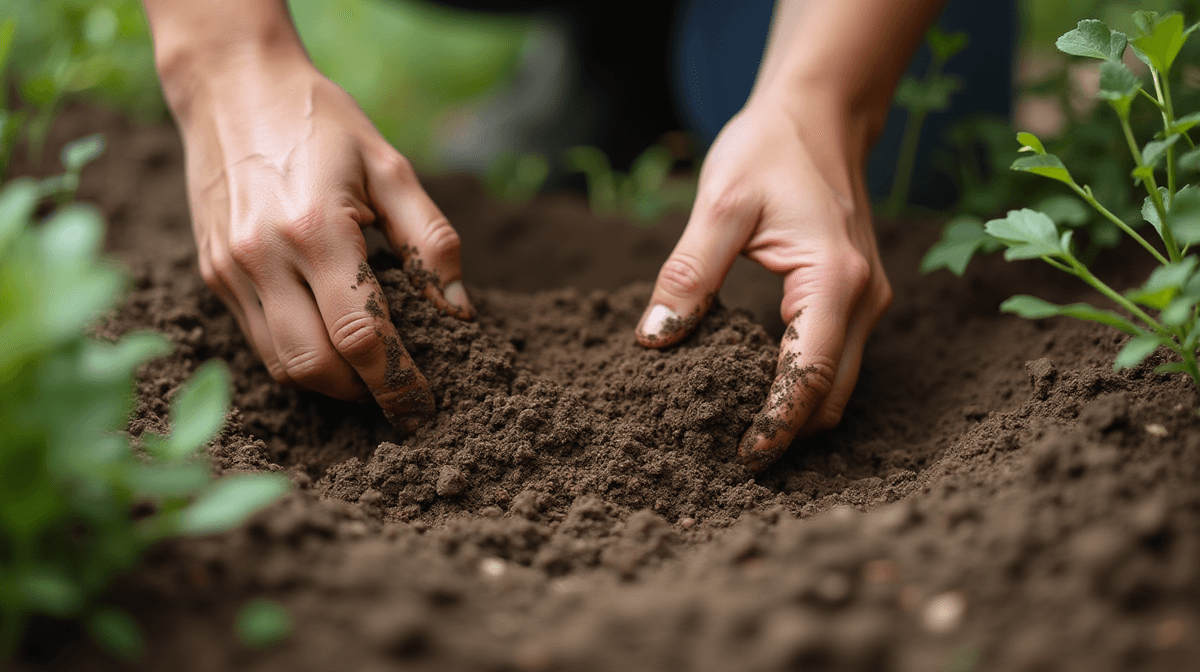
Soil quality is your next hurdle. Bulbs hate "wet feet." In my yard, I always make sure the area has decent drainage before I commit a lot of bulbs to it. If you have heavy clay that holds water like a sponge, mix in some grit or organic matter to help it drain. You want the soil loose enough that the bulb can expand as it grows, but firm enough that it doesn't just "float" in a pocket of mud. Proper spacing is also vital; give them room to breathe so they don't compete for nutrients and space.
A few things I learned the hard way (The mistake of over-buying)
If I could go back twenty years, I would tell my younger self to stop buying "more" and start thinking about "better." One of the biggest mistakes I made early on was the lure of the sale—I’d see a huge bag of tulips at a discount and buy five bags because they were cheap.
This led to two major problems. First, it resulted in overcrowding. When you pack bulbs too tightly together, they compete for nutrients and moisture, which often leads to smaller flowers or "weak" plants that don't have the energy to last through their bloom cycle. Second, I ended up with a monoculture. Having 500 of one variety sounds great until all 500 of them are exactly the same height and color; it looks like a commercial display rather than a natural garden.
I also learned the hard way what happens when you plant bulbs in poorly drained spots just because "it was an empty patch of dirt." If the ground stays soggy for too long, those expensive bulbs will simply rot before they ever see the sun. I’ve had to dig up and replace entire sections of my garden because I didn't check the drainage first. Now, I only plant what I have space for, and I always make sure the "home" I provide for the bulb is one with good soil and enough room to grow without competition.
Your turn
What are the most unusual or hard-to-find bulbs you plan on planting this season? Share photos of your dream beds below! Got a neighbor who always overbuys generic tulips? Send them this issue!
🌿 Get Seasonal Gardening Tips
New guides, planting reminders, and growing tips — straight to your inbox.
No spam. Unsubscribe anytime.
About the Author
David Rodgers is the Founder & Head Gardener of Planting Atlas. With over 40 years of hands-on gardening experience in Oklahoma's Zone 7 climate, he researches, writes, and personally tests every guide on the site.
David draws from real backyard trials, soil testing, and trusted sources like Oklahoma State University Extension and USDA data to deliver practical, zone-specific advice that actually works.
Read more about David and Planting Atlas →