Loading…
←Back to Newsletters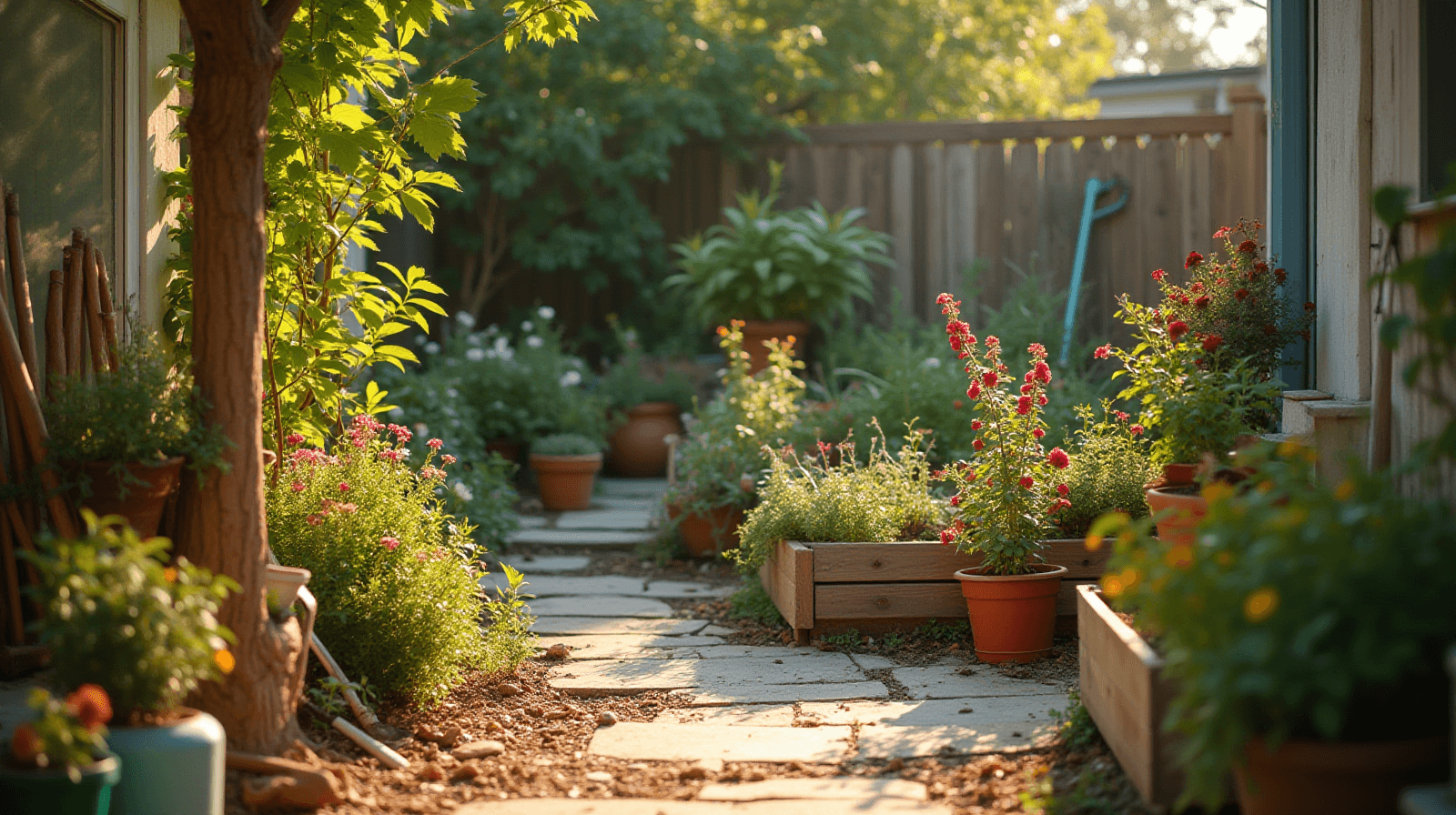
How to Design a Backyard That Actually Feels Like Home
Written by David Rodgers — 2026-08-03
Using simple materials and smart ideas for small spaces.
The newsletter for gardeners who'd rather learn from a mistake made 40 years ago than repeat it themselves.
landscape designcontainer gardeningsmall space gardeningbackyard planning
Thinking Small: Why the Yard Needs to Work for You
One of the biggest hurdles I see with folks starting out—or even those who have been at it for years but feel stuck—is the belief that a small backyard means you have to settle for a "small" garden experience. They think because they don't have three acres, they can’t have a productive or beautiful space. It’s actually the opposite. When you have less ground to work with, every square foot has to earn its keep. You stop thinking about what you can't do and start looking at your yard as a puzzle of constraints.
In my experience here in Oklahoma, I've seen how "bigger" doesn't always mean "better." A massive plot can become unmanageable or feel like a chore to maintain if it isn't designed with purpose. In a smaller space, you have the luxury of focus. You don't need fifty different varieties; you just need three that thrive in your specific soil and sun conditions. The goal is to move away from trying to recreate a sprawling country estate and toward creating a functional outdoor room. We want to design for your daily life—whether that’s a spot to grab a coffee, a place where the tomatoes actually produce, or a visual retreat from the house.
The Power of Lifting Up: Raised Beds and Vertical Space
When you are working with limited ground space, the most effective way to "expand" is to stop thinking about your garden as a flat plane. If we can't go wide, we have to go up—both in terms of physical height (raised beds) and vertical growth (trellises).
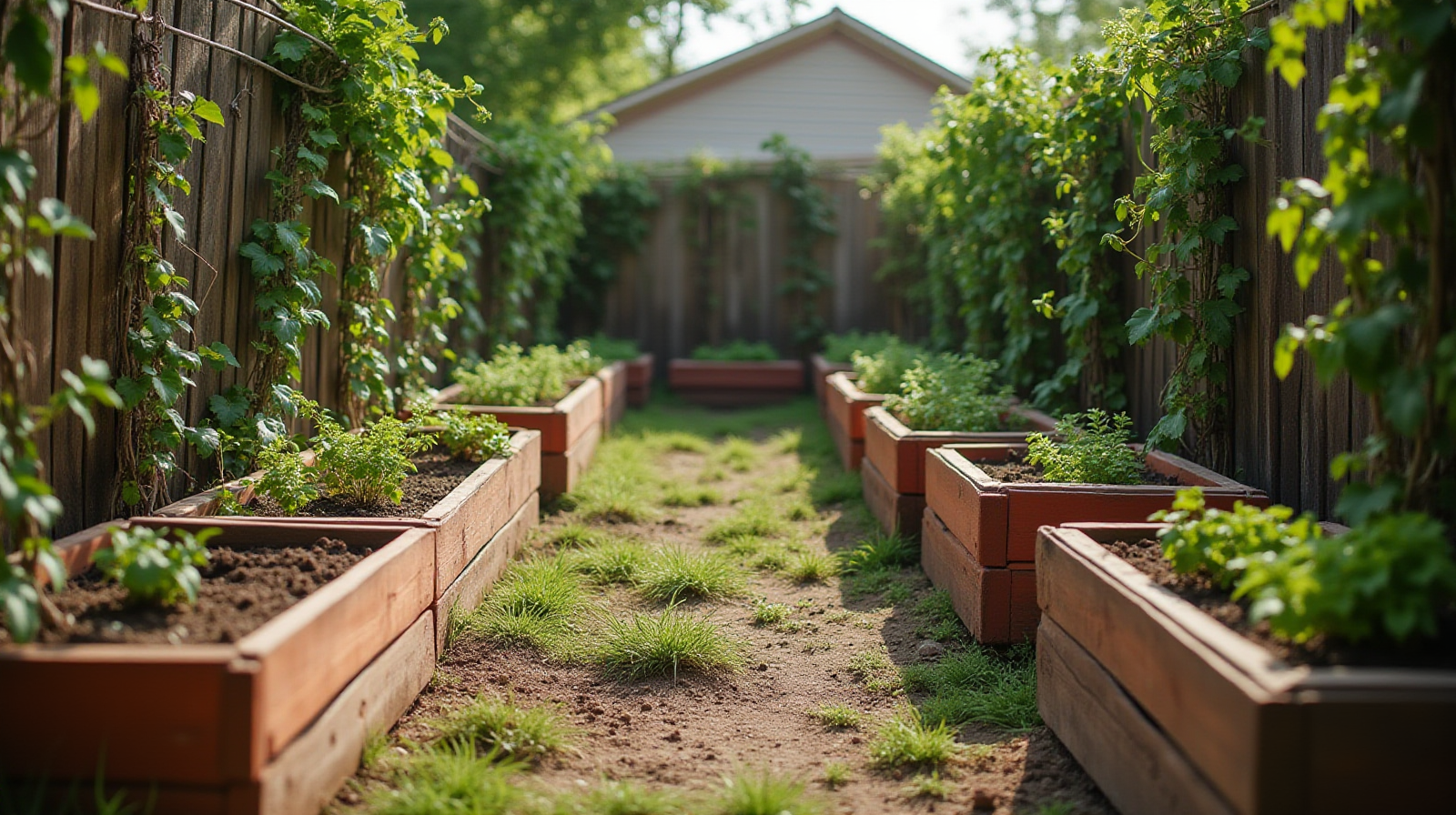
In many parts of my home region, our native soil can be heavy with clay or struggle with drainage issues after a heavy spring rain. Raised beds are one of the most practical "hacks" for this. By lifting your garden several inches off the ground, you gain better control over the soil quality and ensure that water doesn't just sit around the roots. It also makes it much easier on your back when you’re out there weeding or harvesting every day.
Furthermore, verticality is a game-changer for small footprints. Instead of letting a vine crawl across three feet of precious ground, put it on a trellis against a fence or over a small archway. This keeps the walkways clear and creates a sense of enclosure without taking up extra room. It transforms a flat plot into a multi-layered environment that feels much larger than its actual dimensions.
Containers are Your Garden's Best Friend (and often the only option)
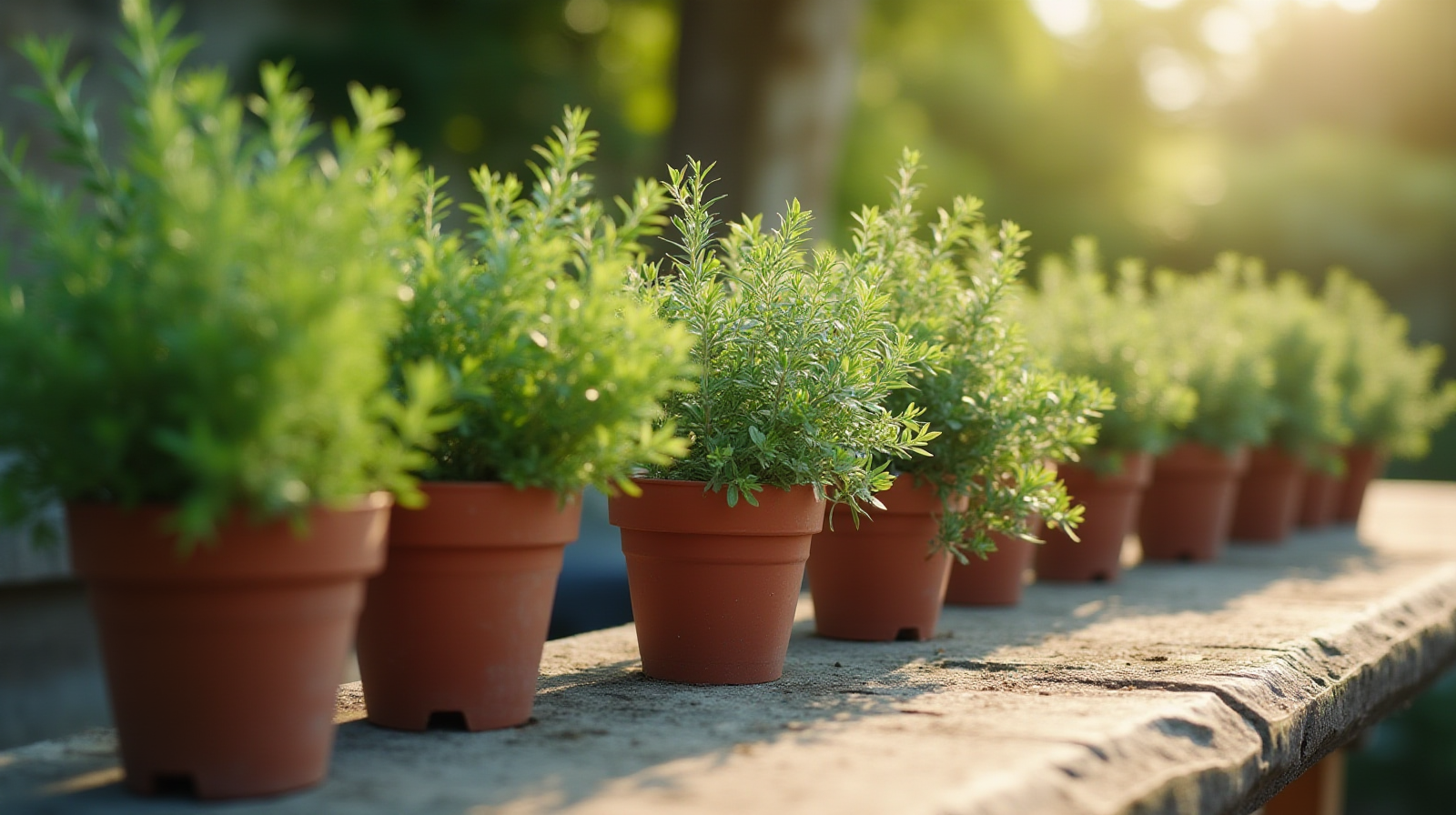
If you have a tiny patio or a very narrow side yard, containers aren’t just an aesthetic choice; they are your primary tool for success. A pot allows you to "place" your garden exactly where it needs to be—in that one sunny corner by the porch or right next to the kitchen door for easy harvesting.
The key here is moving past the "pretty pot" and looking at the practicalities of container gardening. Because containers have a limited amount of soil, they dry out much faster than the ground does. You also need to be very intentional about drainage. If you use heavy clay pots without proper holes or liners, you're asking for root rot.
When choosing materials, consider how long you want the garden to last in our sun. Different materials react differently to heat and moisture:
| Container Material | Pros | Cons | Best For |
|---|---|---|---|
| Terracotta | Breathable, classic look | Heavy, can crack in extreme freezes | Herbs and Mediterranean herbs |
| Fabric Pots | Excellent drainage/air flow | Can look "messy" if not tucked away | Root crops or large shrubs |
| Wood/Cedar | Great insulation for roots | Requires staining/maintenance | Raised beds and larger planters |
| Plastic/Resin | Lightweight, durable, cheap | Can overheat in high-summer sun | Annuals and heavy feeders |
Zoning Out: Grouping Plants for Maximum Impact
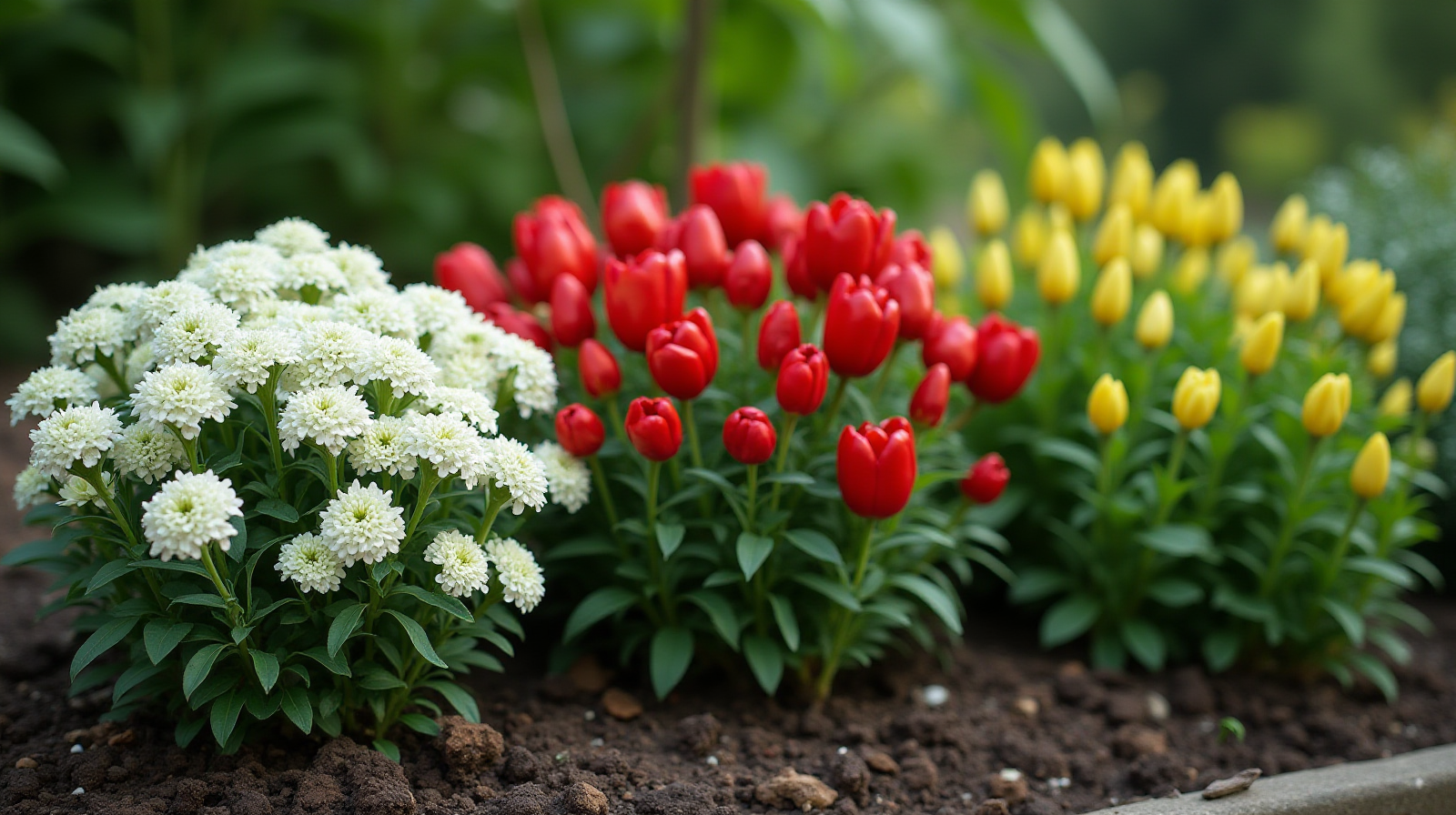
One of the most common mistakes I see in small gardens is "scattered" planting. This is when someone puts one pot here, a different plant there, and another different thing over there. It creates visual noise and makes the space feel cluttered rather than designed. To make a small yard feel intentional, you want to use the principle of grouping—or what some call mass planting.
Instead of having three different types of herbs in three separate pots spread across a porch, put all those herbs together in one large planter or a shared bed. When you group plants with similar needs and textures, it creates "weight." It tells the eye that this is a specific zone of the garden.
For example, if you want to grow peppers, don't scatter them around; plant three or four together. This makes the space look intentional and allows you and I to manage the irrigation more easily since they all have the same needs. You can also group by color or texture—three different varieties of white flowers in one cluster will always look more "designed" than a single white flower standing alone among several others.
A Few Common Mistakes I Made in My Own Small Yards
I didn't learn everything from a book; most of my best lessons came from things that died on my own property. One of my biggest early mistakes was trying to fight the local environment instead of working with it. In my first few years, I tried to squeeze too many "high-maintenance" plants into a small corner because they looked great in pictures. They didn't have enough airflow between them, and the humidity caused issues quickly.
Another big one was neglecting drainage in containers. I once had a beautiful collection of pots that sat on a patio; because the drainage wasn't sufficient for our heavy rain cycles, several plants suffered from "wet feet" and rotted out within a single season. It taught me to always prioritize how water moves through the system before picking out colors.
Lastly, I used to think "fullness" meant filling every inch of dirt with something green. In a small space, this is a mistake because it leaves no room for you to move or work. You need "negative space"—areas where there is just mulch, gravel, or stones—to give your eyes (and your feet) a place to rest. A garden that is too crowded feels claustrophobic; a well-zoned one feels like an escape.
Putting the Plan Into Action: Simple Steps for This Weekend
You don't need to overhaul your entire landscape by Sunday, but you can start making decisions that will make this season much easier. Here are three specific things you can do right now to begin "zoning" and organizing your space.
- Conduct a Sun and Drainage Audit: Spend an hour in your yard today with a notepad. Mark where the sun hits for at least six hours (the "hot zone") and note any areas that stay soggy after a rain. This tells you exactly where to put your heavy feeders versus your drought-tolerant herbs.
- Choose Your Primary Vessel: Pick one area of your yard—maybe a porch, a small patio, or a corner bed—and decide how you will "lift" it. Whether that means buying three large 15-gallon pots for a grouping or building one simple raised bed out of untreated cedar, pick one project and commit to the materials today.
- Establish Your First "Group": Instead of planting things individually, choose one crop (like cherry tomatoes or peppers) and plan them as a group. If you have three plants, they should be placed in a triangle or a row close together. This simplifies your watering routine and creates that intentional "designed" look immediately.
Start with these simple moves, and the garden will start to feel less like a chore and more like home.
Your turn
What is the toughest space in your yard right now? Share pictures of your challenge below—we can troubleshoot it together!
🌿 Get Seasonal Gardening Tips
New guides, planting reminders, and growing tips — straight to your inbox.
No spam. Unsubscribe anytime.
About the Author
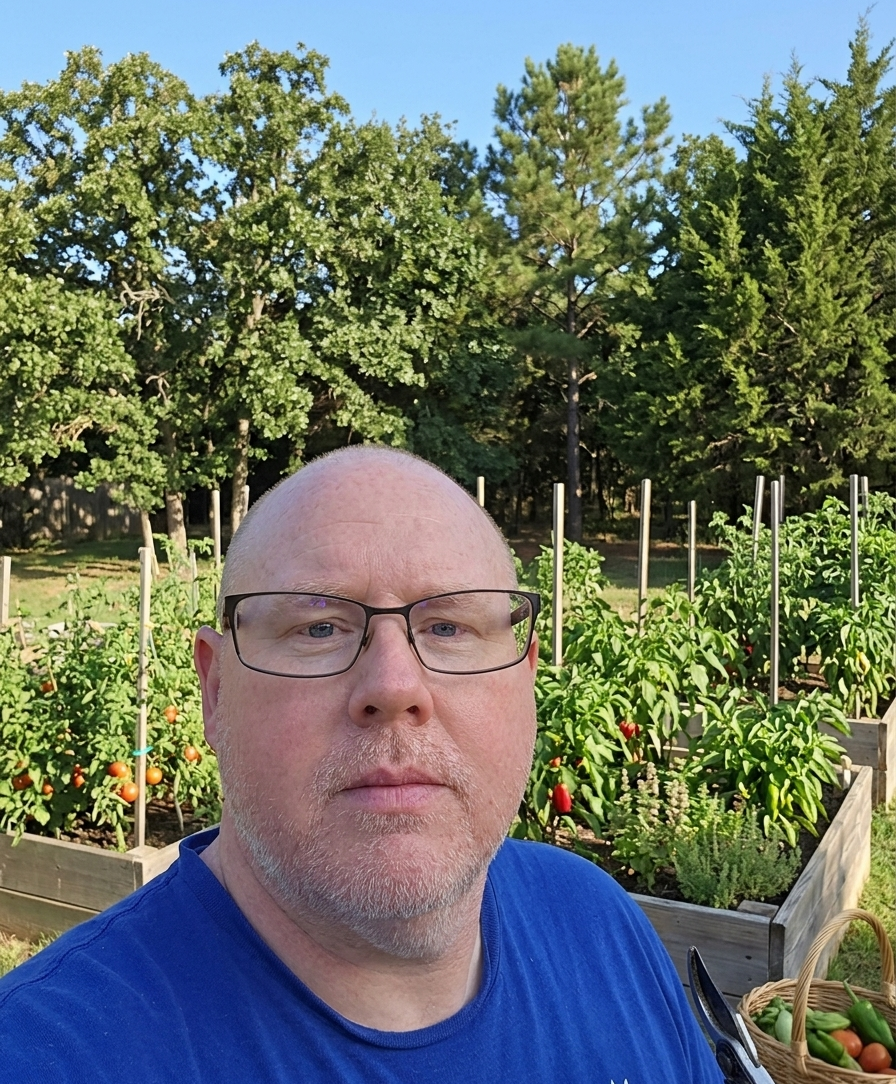
David Rodgers is the Founder & Head Gardener of Planting Atlas. With over 40 years of hands-on gardening experience in Oklahoma's Zone 7 climate, he researches, writes, and personally tests every guide on the site.
David draws from real backyard trials, soil testing, and trusted sources like Oklahoma State University Extension and USDA data to deliver practical, zone-specific advice that actually works.
Read more about David and Planting Atlas →