Loading…
←Back to Newsletters
How to Build Your Seed Stockpile Without Breaking the Bank
Written by David Rodgers — 2026-09-15
A guide to saving seeds and finding free supplies before winter hits.
The newsletter for gardeners who'd rather learn from a mistake made 40 years ago than repeat it themselves.
seed-savingvegetable gardeningbudgetingsuccession planting
The Best Time to Think About Next Year's Seeds
If you’re waiting until the first warm days of March to think about where your seeds are coming from, you’re already behind the curve. In my experience—and especially here in Oklahoma and other Zone 7 areas—the transition from "growing mode" to "preservation mode" starts now. Late summer and early fall is actually the ideal window for seed planning. This isn't just about being organized; it’s about timing your harvest with the natural cycle of the plants.
When you start thinking about seeds in August or September, you can identify which varieties performed well this year. Maybe that specific heirloom tomato stood up to the July heat better than its neighbor, or perhaps a certain variety of bean stayed productive even as the humidity spiked. By starting your "inventory" now, you aren't just preparing for next spring; you’re evaluating what actually worked in your specific backyard soil and climate. It allows you to decide which seeds are worth saving from your own garden and which ones you need to source from others before the first frost hits and the windows for local swaps begin to close.
What Counts as 'Free'? (And What Doesn't)
There is a big difference between "free" and "easy." I want to be clear about what we mean when we talk about low-cost seed sourcing because I don’t want anyone to end up with a bag of moldy, non-viable seeds just because they took the path of least resistance.
Truly free options usually come in three flavors:
- Community Swaps: Trading your surplus for a neighbor's variety. This is high value because it introduces genetic diversity into your garden.
- Library/Extension Programs: Many local university extension offices have "seed libraries" where you can take what you need and "return" seeds from your harvest later.
- Public Giveaways: These are often limited quantities, but great for finding unique heirloom varieties.
What is not free—or rather, what requires significant effort—is saving seed from scratch without a plan. If you don't know how to select the right pods or dry them correctly, your "free" seeds won't sprout in the spring. Don't mistake an easy acquisition for a finished product; if it came from a neighbor, ensure they actually saved and dried it properly before you put it in your bin.
The Core Skill: How to Save Seeds Right
The most common mistake I see people make is harvesting "too soon." If the seed pod or head still feels slightly plump or has any moisture left in it, stop. You have to wait until the plant is physically drying out on the vine—almost turning into a husk. In my early years, I’d grab peas while they were still green and juicy; by November, half of them had turned to mush in their jars because they weren't "bone dry."
To get it right, follow these three rules:
- Wait for the Dry: The pod should feel like parchment paper or wood.
- The Shake Test: If you shake a dried pod and the seeds rattle inside, they are ready to be removed.
- Dryness is Safety: Once harvested, spread them out on a screen or tray in a dry area (not direct sun) for several days until they "clink" when shaken together.
The goal is to reach a state where moisture can no longer support mold growth. If you aren't sure if they are dry enough, wait another week. It’s better to be late than to have your stock rot in storage.
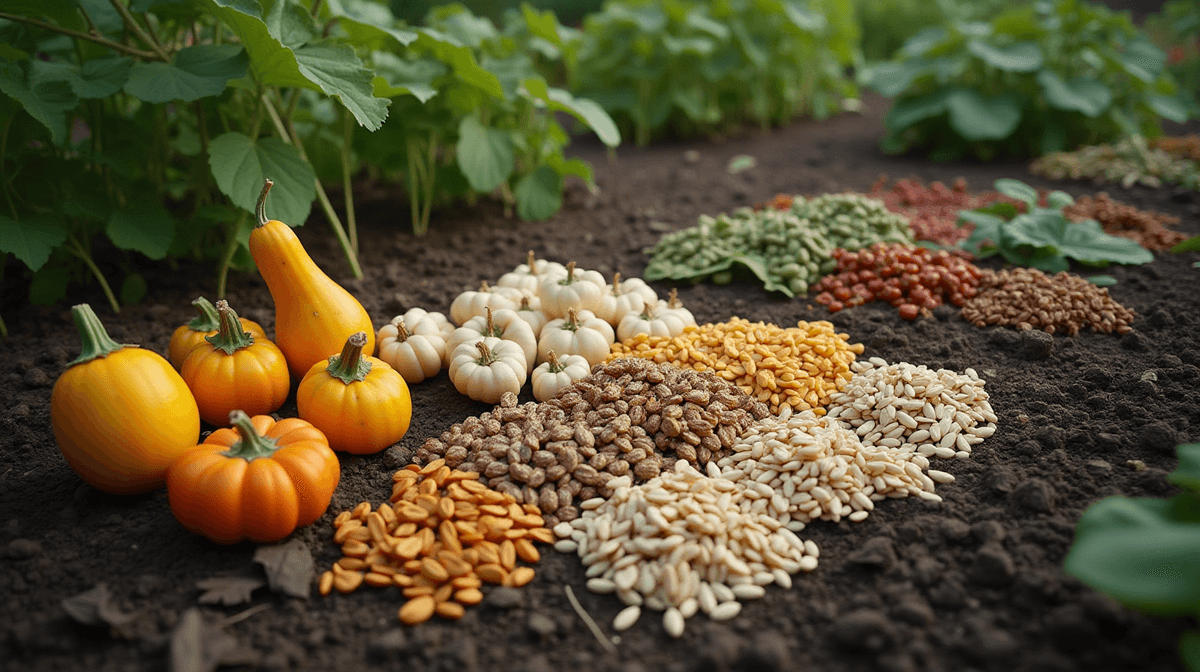
| Seed Type | Ideal Harvest Timing | Storage Note |
|---|---|---|
| Beans/Peas | Wait until pods are brittle and "woody" | Keep in airtight containers; they can stay viable for years. |
| Sunflowers | Wait until heads are heavy and dry-cracking | Remove from heads as soon as possible to prevent mold. |
| Tomatoes | Harvest when fruit is overripe/mushy | Only save seeds from "winners" that didn't crack or rot early. |
| Squash | Wait until vines are dying back and drying | Be careful of "volunteers" (new sprouts) in the fall. |
Beyond Your Backyard: Local Swaps and Libraries
One reason I advocate for local sourcing is genetic adaptation. A seed that thrives here in Zone 7 has survived our specific humidity, heat spikes, and occasional late frosts. When you participate in a local swap or visit a university extension program, you aren't just getting "free" seeds; you are getting seeds that have been "vetted" by your neighbors’ backyards.
I often tell people to look for these three resources specifically:
- University Extension Offices: They are the gold standard for reliable, locally-adapted information and often host seed exchange days.
- Local Seed Libraries: Often found in public libraries or community centers, these are great for finding "heritage" varieties that aren't sold in big-box stores.
- Garden Clubs: These folks have been doing this for decades. They usually have the best "tried and true" swaps of things like specific peppers or heirloom tomatoes.
By tapping into these networks, you get variety without the high cost of specialty seed catalogs. It also builds a bit of community—something that’s often missing in modern gardening but is essential when it comes to sharing what actually works in our local soil.
The 'Buy Cheap' Strategy: End-of-Season Sales & Bulk Buys
Sometimes, "saving" doesn't mean harvesting from your own garden; it means being smart about how you buy for the next year. If there is a staple crop you grow every single year—like bush beans, peas, or certain varieties of squash—you don't need to buy a tiny, expensive packet every season.
Look for these two opportunities:
- The "Clearance" Window: In late August and September, many local garden centers start discounting their remaining stock of seeds and starts. This is the time to grab your basics.
- Bulk Buying: If you have a large plot or just love a specific variety of bean, buy in bulk. A pound of "bulk" peas from a specialty supplier can often be cheaper than buying five separate small packets at a retail store. It covers you for several years and simplifies your organization.
Avoid the temptation to buy "specialty" seeds on deep discount if you don't have the space or time to grow them properly. Stick to what you know works, and use those end-of-season sales to stock up on those staples so you aren't scrambling in the spring.
Putting It All Together: A Checklist for Seed Stockpiling
Before the first frost hits and you put your tools away, run through this checklist to ensure your "stockpile" is actually usable come next spring. This will save you a lot of headaches when you’re trying to get seeds started in the ground.
The Pre-Winter Audit:
- Dryness Check: Shake a sample from every jar. Do they rattle? If they feel "soft," they need more drying time.
- Container Check: Are your jars or bags airtight? Moisture is the enemy of seed longevity. Use heavy-duty plastic bins or glass jars with tight lids.
- Labeling: Every container must have a clear label including: Variety Name, Year Harvested, and any specific notes (e.g., "Extra productive in Zone 7").
- Culling: If you found a variety that failed this year—maybe it got hit by blight or didn't produce much fruit—don't keep the seeds just because they are there. Toss them and make room for something better next year.
- Storage Location: Move your stock to a cool, dry place. A basement or a garage (if dry) is often better than a humid shed.
By checking these off now, you're making sure that when the ground thaws and it’s time to plant, you can just grab what you need and go with confidence.
Your turn
What's one heirloom variety you plan to save seeds from this fall? Share it below and tell a friend who needs to cut back on gardening costs!
Apply this next
🌿 Get Seasonal Gardening Tips
New guides, planting reminders, and growing tips — straight to your inbox.
No spam. Unsubscribe anytime.
About the Author
David Rodgers is the Founder & Head Gardener of Planting Atlas. With over 40 years of hands-on gardening experience in Oklahoma's Zone 7 climate, he researches, writes, and personally tests every guide on the site.
David draws from real backyard trials, soil testing, and trusted sources like Oklahoma State University Extension and USDA data to deliver practical, zone-specific advice that actually works.
Read more about David and Planting Atlas →