Loading…
←Back to Newsletters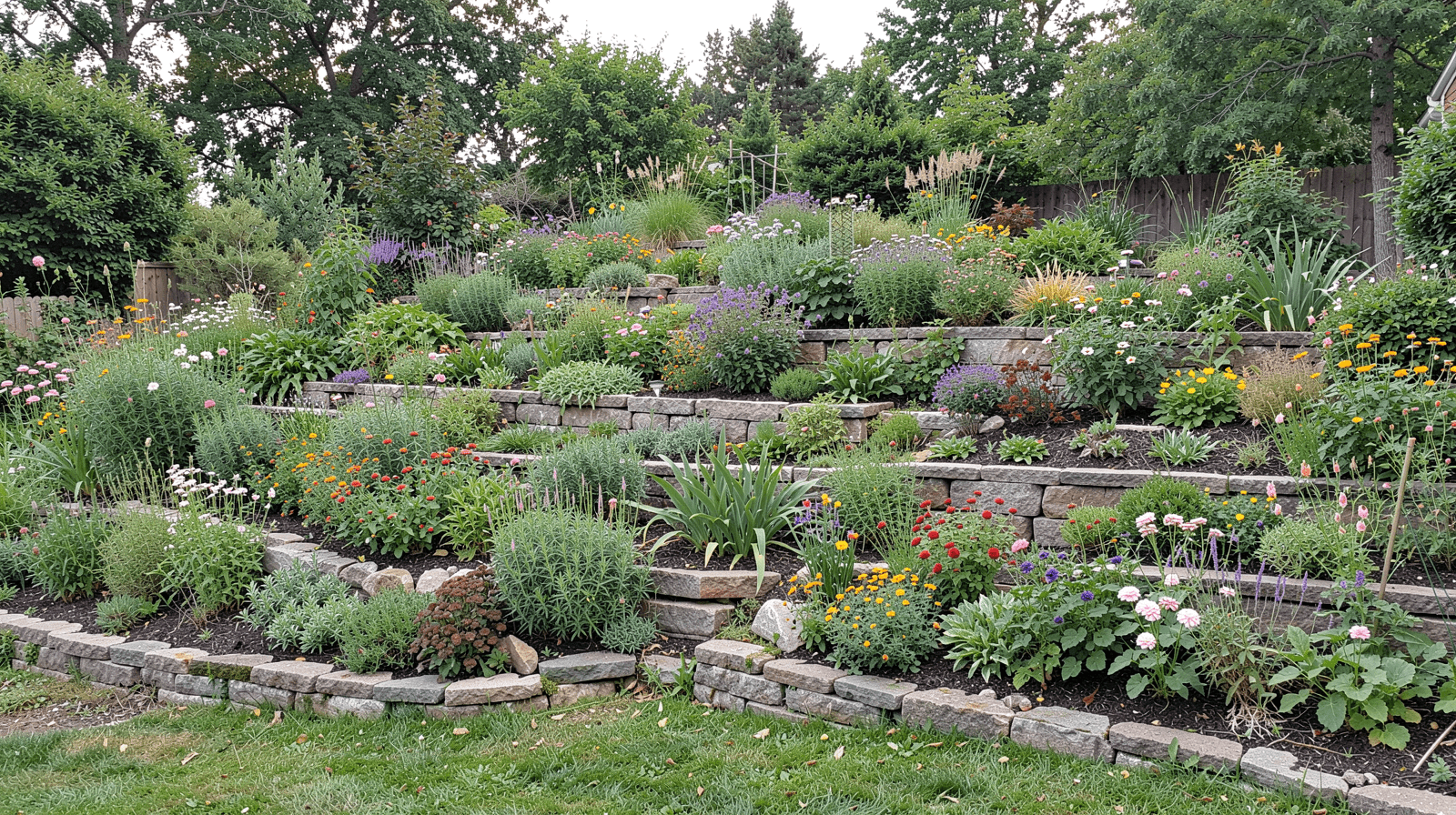
How to Build a Productive Garden When Your Site is Fighting You
Written by David Rodgers — 2026-11-17
Using design principles and drought-tolerant plants to maximize function in any yard.
The newsletter for backyard growers tired of advice that ignores their actual site, grade, or climate.
Landscape DesignDrought ToleranceSite ImprovementMultifunctional Gardening
It's not just about planting; it's about engineering your yard first.
A lot of folks walk into a garden center, see some beautiful heirloom tomatoes or a variety of peppers they want to grow, and head straight out to their backyard to start digging holes. That’s the most common way to get started, but in my experience—and after 40 years of watching plants thrive or wither in Oklahoma soil—it's often why projects fail before they even begin. If your yard has a steep slope, heavy clay that holds water like a sponge, or sits in a wind tunnel, you can’t just "plant" your way out of those problems with better fertilizer or more frequent watering.
You have to think like an engineer first and a gardener second. Successful gardening on a challenging site is about managing the physics of the land: how water moves across it, where the sun hits most intensely, and how the soil actually drains. Before you ever buy a seed packet, you need to look at your yard and identify what’s fighting against you. Is there an area that stays soggy for three days after a rain? Is there a spot where every drop of water just runs off into the neighbor's yard? Addressing these structural issues—the "bones" of the land—is what determines whether your garden will be a source of pride or a constant source of frustration.
The common mistake on challenging sites (and how to fix it)
The biggest mistake I see home gardeners make is trying to fight site physics with sheer willpower. If you have a steep grade and you try to plant a row of heavy-feeding vegetables directly into the slope, gravity will eventually win. Every time it rains, your topsoil—the good stuff you worked so hard to enrich—will wash downhill, taking your seedlings with it. Or, if you're dealing with "wet feet" in a low spot, adding more organic matter can sometimes just turn that area into a swampy mess because the water has nowhere else to go.
The fix isn't necessarily to move your garden three houses down; it’s about structural intervention. You have to break the momentum of the elements. On a slope, this means terracing—creating level "steps" so that gravity is no longer an enemy but a manageable factor. In a drainage problem area, you might need to look at raising those beds significantly or creating diversion paths for water. By intervening in how the land naturally behaves, you create a stable platform where plants can actually establish their root systems without being undermined by erosion or drowning in runoff.
Building the structure: Making terraces and microclimates.
When I talk about terracing, I don't mean you need to hire a massive construction crew for every backyard project. It’s about creating usable flat spaces on land that wants to be slanted. Depending on your yard's specific issues, there are three main ways we can "engineer" these spots:
Terracing and Retaining Walls
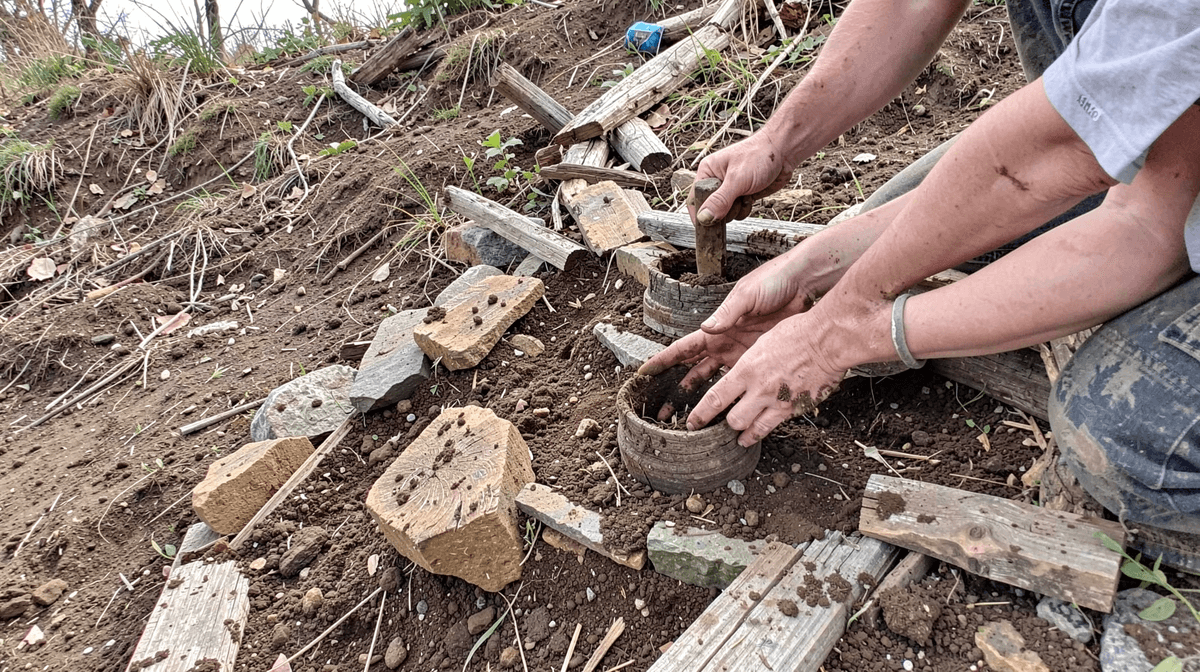
If you have a significant slope, building low retaining walls (even just 6-inch tall stones or timber) creates flat "shelves." This stops the soil from migrating downhill and allows you to create distinct planting zones. Each shelf becomes its own little ecosystem where you can control the soil quality precisely.
Swales and Diversion
If water is moving too fast across your property, a swale—which is really just a shallow, wide ditch dug on contour—can catch that water and let it soak into the ground slowly rather than rushing past. It’s an old-school technique that works wonders for keeping moisture in the soil where you actually want it.
Raised Beds as Structural Fixes
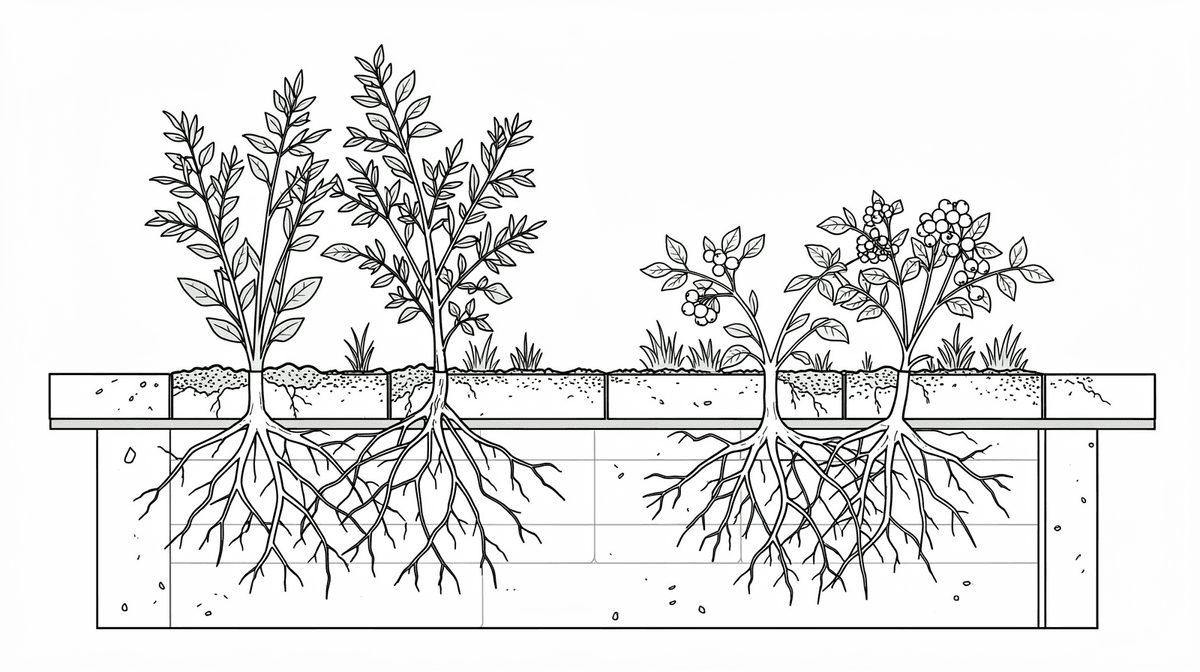
Sometimes, the easiest way to fix a "bad" spot is to lift the garden above it. A well-built raised bed provides its own drainage and prevents your plants from sitting in heavy clay. By choosing the right height and material (like cedar or heat-treated wood), you can create a productive space even on ground that would otherwise be impossible to farm.
Drought strategy 101: Mixing edibles with ornamentals.
One of my favorite ways to tackle a site that gets baked by the sun is to stop thinking of "edible" and "ornamental" as two separate categories. In many yards, especially in drier zones like mine (Zone 7), trying to keep a massive patch of thirsty annuals alive during a July heatwave can be exhausting. The secret to a productive yard that doesn't drain your bank account or your energy is mixing high-water needs with drought-tolerant "anchor" plants.
By interplanting Mediterranean herbs and native perennials with your vegetables, you create a buffer. These hardy plants provide visual interest and structure while requiring very little extra attention once established. They act as the backbone of the garden, staying green and vibrant even when the summer heat is at its peak.
| Plant Type | Example Varieties | Water Needs | Best Use Case |
|---|---|---|---|
| Edibles (High Need) | Tomatoes, Peppers, Zucchini | Regular/Deep | Center of beds with mulch |
| Herbs (Low-Mid Need) | Rosemary, Oregano, Thyme | Moderate/Drought-tolerant | Edges and sunny borders |
| Ornamentals (Low Need) | Lavender, Sage, Russian Sage | Low/Drought-tolerant | Perimeter for windbreaks & color |
Planting for function, not just harvest.
I’ve always believed that a garden should do more than just put food on the table; it should be a place you actually want to spend time in. This is what I mean by "multifunctional." If your yard feels like a chore because every square inch is a demanding crop, you'll eventually burn out. Instead, group your plants by how they serve your daily life.
For example, put your culinary herbs—the ones you reach for every time you cook—near your seating area or patio door. They are low-maintenance and provide an immediate reward. When selecting what to grow, look for "double duty" plants: varieties that offer a harvest but also have beautiful foliage or flowers that attract pollinators like bees and butterflies. A garden that supports local wildlife feels more alive and productive than one that is just a monoculture of vegetables. Selecting plants that thrive in your specific zone's heat while offering both fruit and aesthetic appeal ensures the yard remains a place for relaxation, not just production.
Keeping it working year-round (beyond the tomato yield).
A common pitfall I see with "productive" gardens is the "August slump." You spend all spring and summer tending to your tomatoes and peppers, but once those are harvested, the garden can look like a graveyard of dried stalks and empty dirt. This leads to that feeling of seasonal burnout—where you feel like the job is done, so there's no reason to go outside.
To keep the yard functional year-round, you have to design for what happens after the harvest. That’s where those structural elements and perennial choices we talked about earlier really pay off. By including hardy perennials that provide winter interest or spring blooms, your garden maintains its beauty even when the vegetable beds are resting.
Maintaining Interest:
- Pathways: Ensure you have clear, usable paths so you can walk through the space to enjoy it without stepping into muddy patches or over debris.
- Perennial Anchors: Choose plants that provide structure in the fall and winter—think ornamental grasses or sturdy shrubs.
- Succession Planning: Always have a plan for what goes in next season so you aren't starting from scratch every March.
When your yard is engineered correctly, it stays a place of beauty and function regardless of whether the tomatoes are currently ripening or not.
Your turn
Is your yard fighting you right now? What's the toughest spot you have to work with? Share a photo of it and tell me what kind of edibles you want there!
🌿 Get Seasonal Gardening Tips
New guides, planting reminders, and growing tips — straight to your inbox.
No spam. Unsubscribe anytime.
About the Author
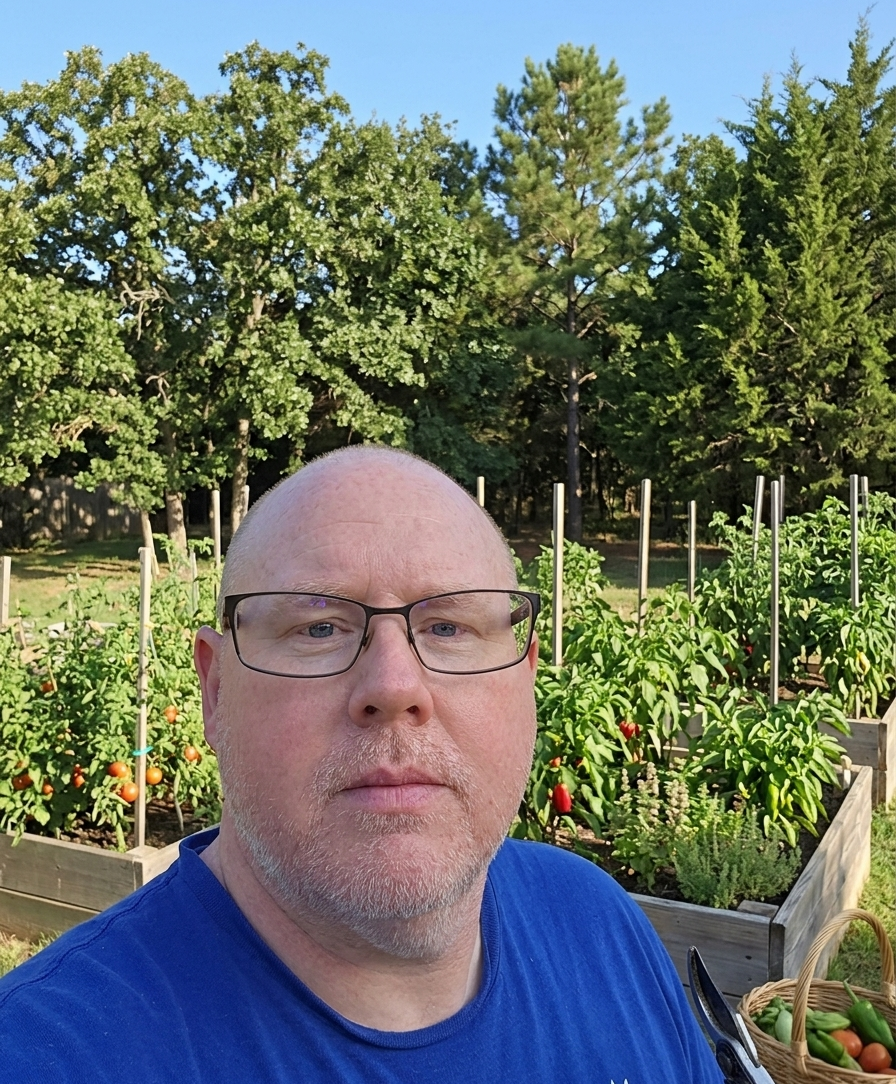
David Rodgers is the Founder & Head Gardener of Planting Atlas. With over 40 years of hands-on gardening experience in Oklahoma's Zone 7 climate, he researches, writes, and personally tests every guide on the site.
David draws from real backyard trials, soil testing, and trusted sources like Oklahoma State University Extension and USDA data to deliver practical, zone-specific advice that actually works.
Read more about David and Planting Atlas →