Loading…
←Back to Newsletters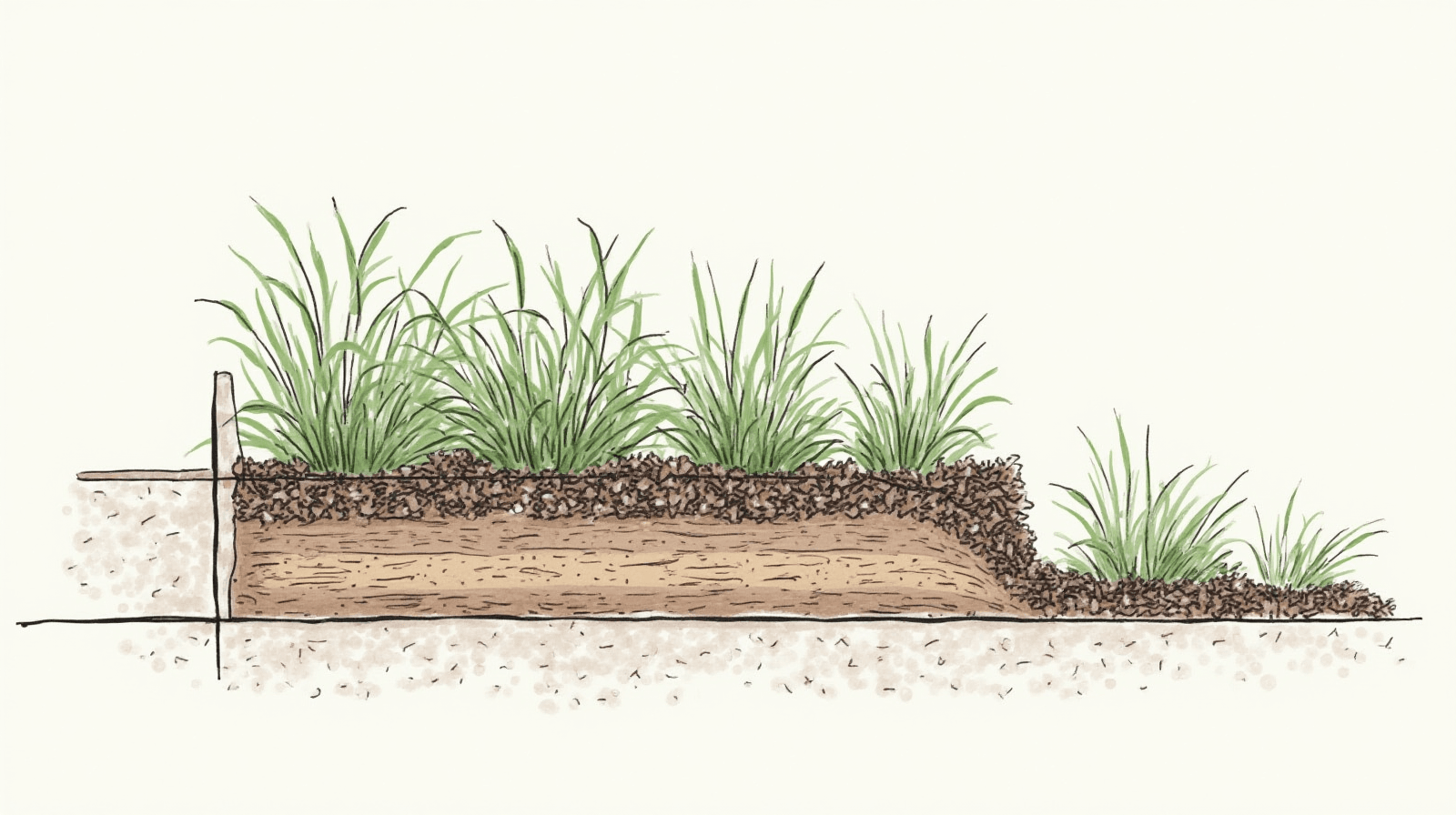
How to Build a Permanent, High-Yield Vegetable Patch
Written by David Rodgers — 2026-09-10
Focusing on biointensive methods that work with your yard's existing structure.
The newsletter for backyard growers who want maximum harvest without the fuss of constantly fixing things.
raised bedsbiointensive gardeningsoil healthvegetable production
Why your current garden patch is probably giving you trouble
If you’ve spent any time in a garden, you know the frustration of tilling. You spend hours turning over the soil, thinking you're "preparing" it for spring. But here is something I learned about the hard way: every time you tilled my old rows, I was essentially inviting problems into my backyard. Tilling breaks up the soil structure and brings buried weed seeds to the surface where they can germinate and take over. Furthermore, unless you are using a specialized tool like a broadfork, heavy tilling often leads to "tillage pan" compaction—where the ground becomes hard as a brick just below the reach of your shovel.
In my early years in Oklahoma, I struggled with beds that became rock-hard by July because they were worked too much and then walked on too much. If you find yourself constantly fighting weeds or struggling to get roots into compacted dirt every single season, it’s likely because the soil is being overworked rather than built up. The goal isn't to "fix" the ground with a tiller every spring; it’s to create a stable environment where the soil can hold its shape and keep its nutrients in place instead of letting them wash away or compact under your boots.
The fixed plan: Why permanent raised beds make sense
Moving toward a permanent bed design changes everything because it gives you a defined "work zone." One of my biggest shifts was moving to standardized bed widths, specifically 30 inches. This isn't an arbitrary number; it’s about the reach of your arms. A 30-inch wide bed allows you to reach the center from either side without ever having to step into the growing area.
When you stop stepping on your soil, you stop compacting it. This is vital for root health. By building a permanent frame—whether out of cedar, heat-treated wood, or even stone—you create a physical boundary that protects the soil structure. These beds also allow you to build up the top layer with high-quality organic matter over several years. Instead of trying to "fix" your native Oklahoma clay every year, you are building an elevated environment where the drainage is consistent and the growing medium stays loose. It’s a shift from "managing a plot of land" to "building a structured system."
Building soil health without turning it over
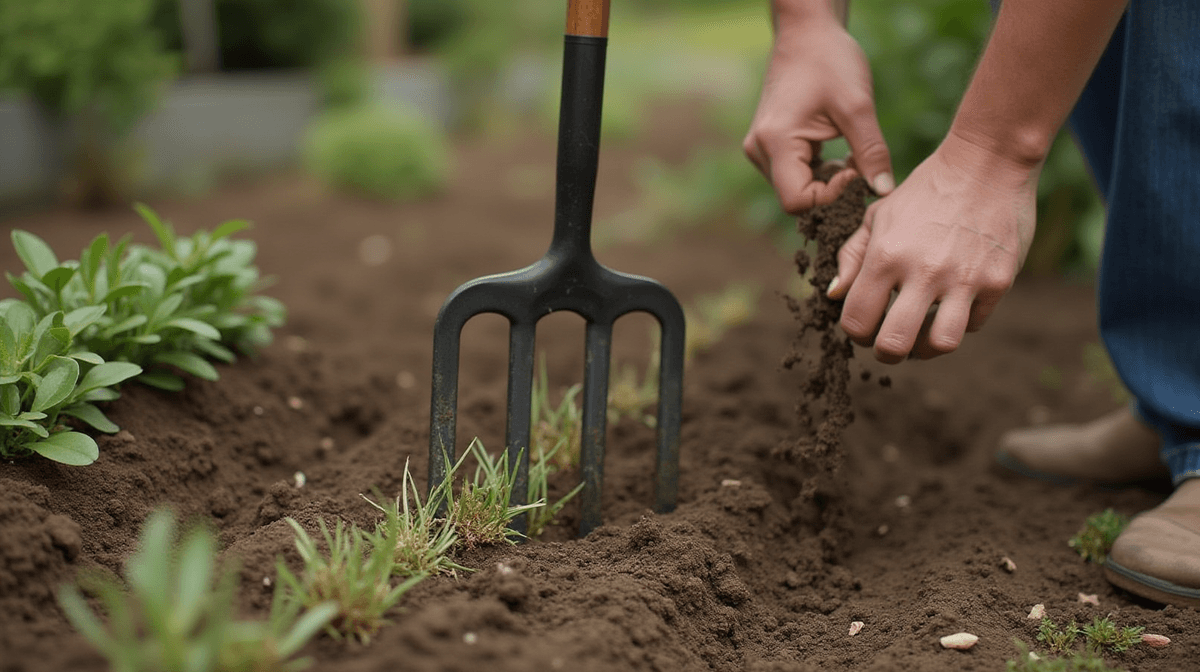
Once you have your beds established, the goal shifts from tilling to aerating. I still believe in getting oxygen into the ground, but we want to do that without destroying the "architecture" of the soil. This is where biointensive techniques like broadforking or deep digging come into play.
Instead of flipping the soil over with a tiller (which destroys the channels created by earthworms and old root systems), you use a tool to lift and crack the soil vertically. Think of it as "opening" the ground rather than turning it inside out. This allows water and air to penetrate deep down while keeping the organic matter where it belongs.
Key differences in soil preparation:
- Tilling: Destroys soil structure, mixes up weed seeds, and leads to rapid compaction.
- Broadforking/Deep Digging: Aerates the ground, breaks up heavy clods, but keeps the soil layers intact.
- The Result: A "spongy" soil that holds moisture during those hot July stretches while still letting roots breathe easily.
Designing for yield: Space management and planting density
One of the biggest mistakes I see in home gardens is giving plants too much room. It feels natural to give a tomato plant three feet of space, but in an intensive system, we want to occupy every available inch of "real estate." The goal is canopy creation. You want your plants—be they peppers, kale, or herbs—to grow so close together that their leaves touch and overlap quickly.
When the ground is covered by a leafy canopy, sunlight can't reach the soil surface. If no light hits the dirt, weed seeds can’t germinate. This "blanketing" effect is your best defense against weeds. To manage this densely packed space, I highly recommend using a stirrup hoe (or a "scuffle" hoe). It allows you to quickly slice through small weeds at the surface without disturbing the root systems of your vegetables.
| Plant Type | Typical Intensive Spacing | Strategy for Success |
|---|---|---|
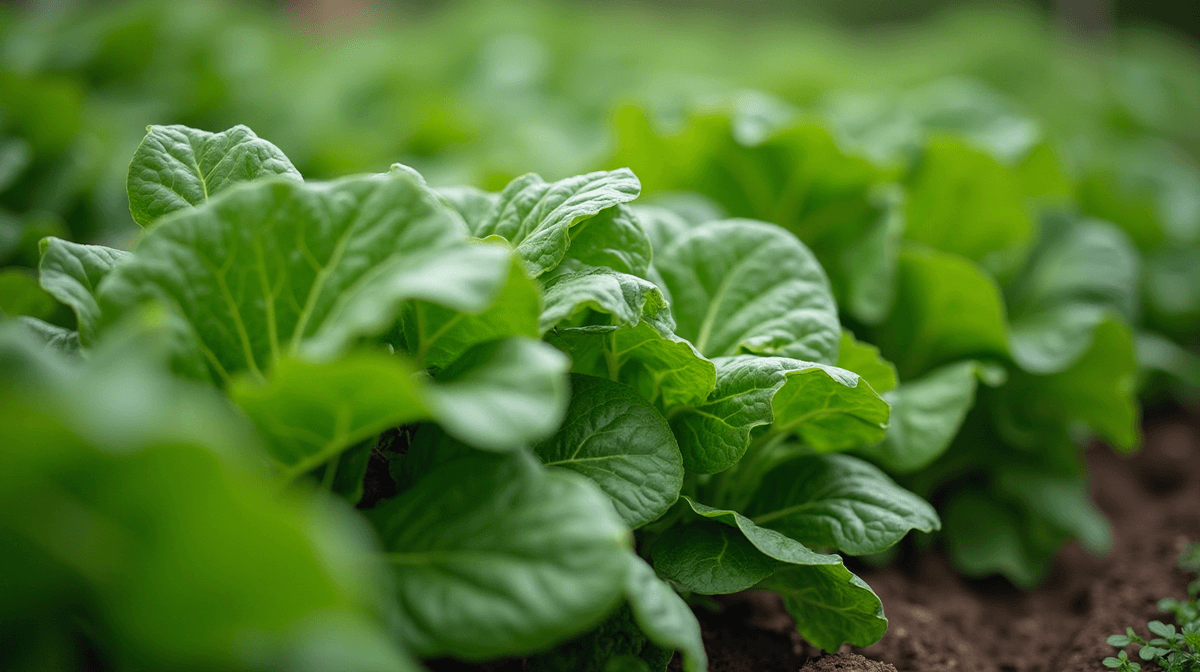
| Leafy Greens | 6-8 inches apart | Plant in blocks rather than long rows to create a solid "carpet." |
| Brassicas (Broccoli/Kale) | 12-14 inches apart | Use heavy mulching to keep the soil cool and moist. |
| Bush Beans | 3-4 inches apart | Plant in dense clusters; they will naturally form a canopy. |
| Tomatoes/Peppers | 18-24 inches apart | Train them upward on stakes or trellises to save ground space. |
Step-by-step plan for building your first intensive bed
If you're ready to move away from the "tilled plot" and toward a permanent system, follow these steps to get started correctly.
1. Site Selection
Choose a spot that gets at least 8 hours of direct sun daily. In Zone 7, drainage is key; avoid low spots where water sits after a heavy thunderstorm.
2. Frame Construction
Build your frames using rot-resistant wood (like cedar) or composite materials. Stick to the 30-inch width rule—it makes a world of difference for your back and your soil's health.
3. The Initial Fill
Don't just fill it with dirt from your yard. You need a "starter" mix. I recommend a blend of:
- Topsoil: For structure and minerals.
- Compost: To provide ongoing nutrients (well-rotted manure is excellent here).
- Organic Matter: Shredded leaves or straw to help hold moisture.
4. Planting Setup
Instead of planting one long row, think in blocks. If you are planting carrots, plant them in a 3x3 foot block. This makes it easier to manage the space and ensures that when they grow, they fill the gap entirely.
Beyond the seeds: What else you need to make it work all season long
Building the bed is only half the battle; keeping it productive requires consistent management of the environment around your plants. In a high-yield system, "maintenance" means protecting what you’ve built from the elements and from competition.
Mulching: The Non-Negotiable
In our region, mulch is not an option—it's a necessity. Once your seedlings are established (about 4 inches tall), cover the soil with a thick layer of straw, shredded straw, or wood chips. You want about 3 to 4 inches of "blanket" coverage. This keeps the soil temperature stable and prevents moisture from evaporating in the afternoon heat.
Weed Control & Feeding
Because you are planting densely, your main weed management should be proactive mulching. However, for those few weeds that do pop up through the straw, use a stirrup hoe to take them out quickly before they go to seed. Regarding feeding, don't just think about "fertilizing" the plant; feed the soil. Every fall or early spring, top your beds with 2-3 inches of fresh compost. This replenishes the organic matter that gets used up as you harvest throughout the summer. By focusing on these consistent habits—proper structure, density, and heavy mulching—you’ll find that the garden starts to work for you rather than against you.
Your turn
What's the biggest gardening headache in your yard right now? Let me know below. And if this helped save you a trip to the nursery or hardware store, share it!
🌿 Get Seasonal Gardening Tips
New guides, planting reminders, and growing tips — straight to your inbox.
No spam. Unsubscribe anytime.
About the Author
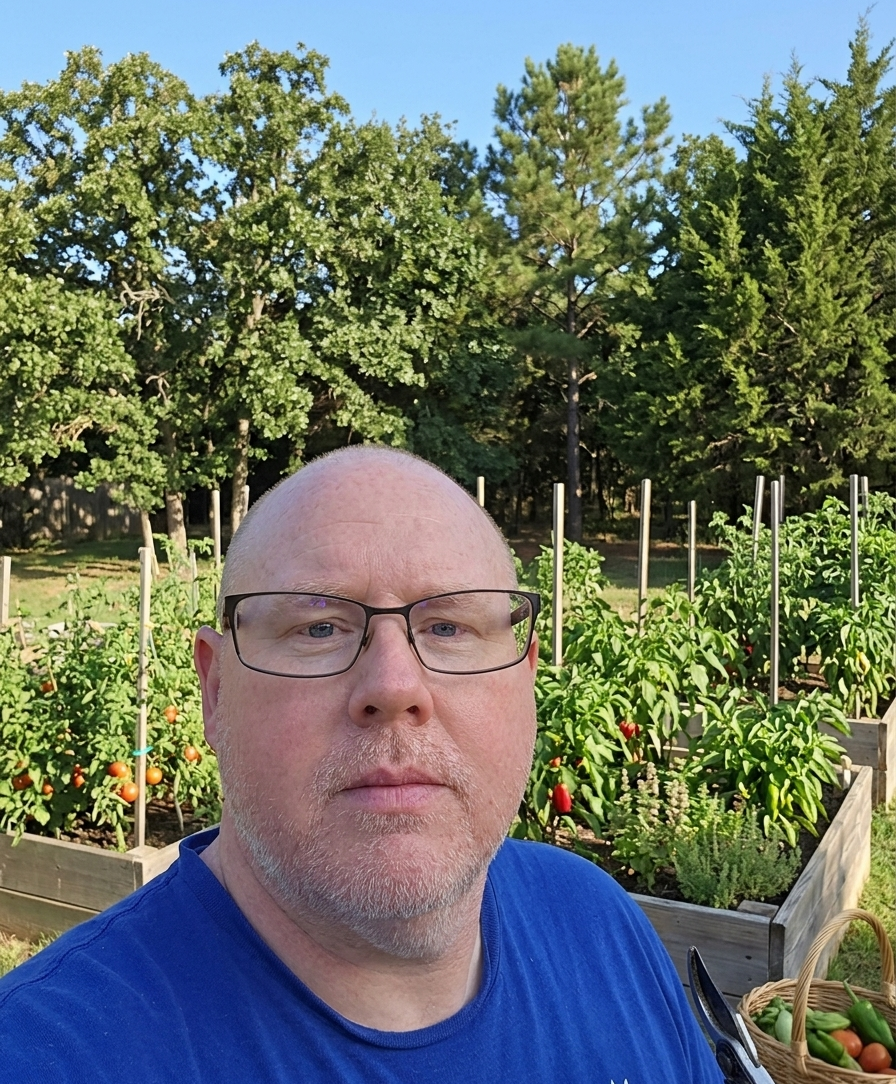
David Rodgers is the Founder & Head Gardener of Planting Atlas. With over 40 years of hands-on gardening experience in Oklahoma's Zone 7 climate, he researches, writes, and personally tests every guide on the site.
David draws from real backyard trials, soil testing, and trusted sources like Oklahoma State University Extension and USDA data to deliver practical, zone-specific advice that actually works.
Read more about David and Planting Atlas →