Loading…
←Back to Newsletters
How to build a passive solar structure for your yard.
Written by David Rodgers — 2026-08-10
Using earth tubes and smart design principles, not just store-bought kits.
The newsletter for gardeners who'd rather learn from a mistake made 40 years ago than repeat it themselves.
greenhousepassive solarearth tuberaised beds
Why bother with passive solar design?
If you’ve ever put a simple row cover or a basic plastic tunnel over your winter greens and watched them wilt in the July heat, you know that simply "covering" plants isn't enough to create a stable environment. A true passive solar structure is different because it doesn't just trap light; it manages energy and temperature using the physics of the site itself. In my experience here in Oklahoma, the biggest challenge isn't just keeping things warm in February—it’s preventing them from cooking in July.
A well-designed passive system uses thermal mass and air movement to buffer against those extremes. Instead of fighting your local climate with heavy power bills or constant manual adjustments, you are working with it. We want a structure that captures the sun's heat during the day and releases it slowly at night, while simultaneously using natural cooling methods when the mercury rises. It’s about moving away from "temporary fixes" and toward a permanent piece of infrastructure that makes your garden more resilient to the unpredictable swings of our local seasons.
The biggest mistake people make (and how they lose their money)
The most expensive mistakes I see people make happen because they treat these structures like decorative items rather than functional machines. The "oven effect" is the primary culprit; many folks build a beautiful, sun-drenched space but fail to plan for ventilation from day one. If you don't have an automated or easily accessible way to move air out of the structure as soon as it hits a certain temperature, your plants will literally bake in their own humidity.
Another major waste of money is choosing "trendy" materials that aren't suited for local conditions. I’ve seen people spend a fortune on specialized glazing only to find out it doesn't hold up against heavy winds or can't be easily replaced. You also have to be careful with insulation. If you insulate the structure but don't provide a way for heat to escape in the summer, you're just building a greenhouse that works perfectly until June 1st, at which point it becomes useless for several months of the year. Don't buy into "kits" that skip these fundamental engineering steps; they usually prioritize aesthetics over actual survival.
Understanding your site: Orientation and materials
Before you drive a single stake into the ground, you have to look at the sun. For passive solar to work, orientation is non-negotiable. The long axis of your structure should generally run East to West, with the largest glass or clear surface facing True South (in the northern hemisphere). This ensures that during the winter months, when the sun is lower in the sky, you are capturing as much direct heat as possible.
When it comes to materials, there is a real trade-off between durability and light transmission. You need to decide what your specific goals are for the structure before purchasing supplies:
| Material Type | Pros | Cons | Best Use Case |
|---|---|---|---|
| Tempered Glass | Excellent clarity, very durable, easy to clean. | Heavy, expensive, harder to transport/install. | Permanent structures with high-value crops. |
| Polycarbonate | Lightweight, impact resistant, good insulation. | Can scratch or yellow over time; slightly less clear. | High-traffic areas or regions with heavy hail. |
In my experience, polycarbonate is often the "workhorse" choice for many home gardeners because it handles our local weather better than some types of glass, though you have to choose a high-quality grade if you want it to last more than five seasons.
Integrating earth tubes for constant temperature
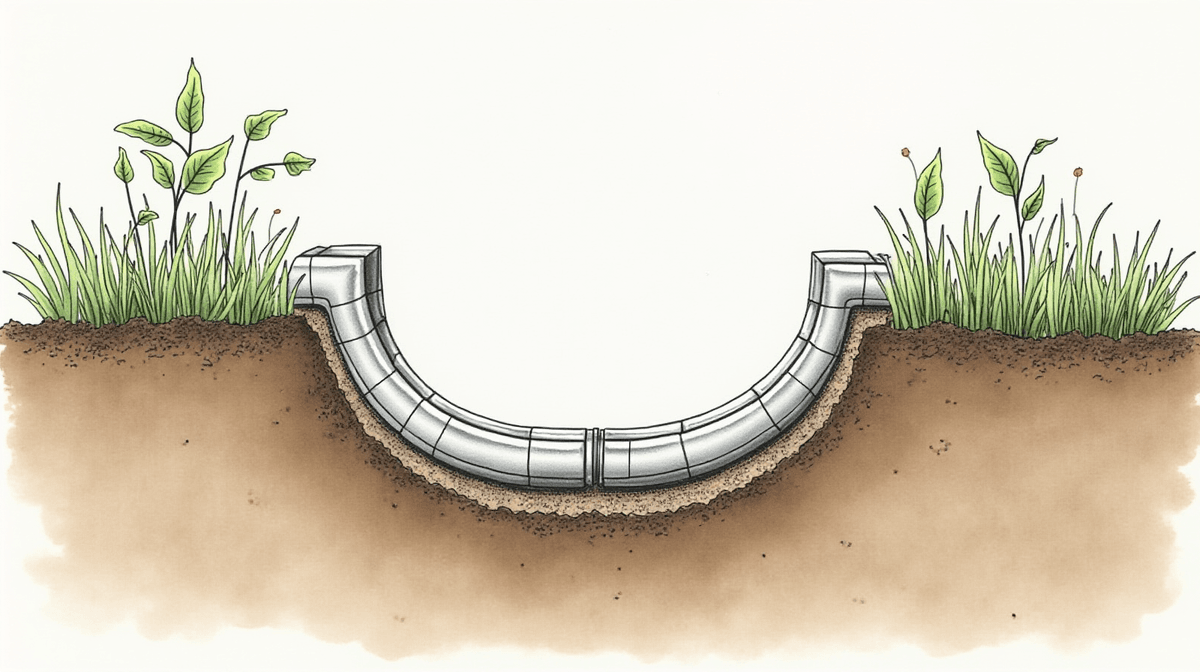
One of the most effective ways to stabilize your structure's internal climate is by incorporating "earth tubes." This isn't just an extra feature; it’s a way to use the ground as a massive, free thermostat. These are essentially pipes buried several feet underground (usually at least 6–8 feet deep) where the soil temperature remains relatively constant year-round regardless of what's happening on the surface.
When you pull air through these tubes before it enters your structure, that air is "pre-conditioned." In the peak of a humid Oklahoma summer, the earth tube cools the incoming air significantly. In the dead of winter, those same pipes provide a warmer intake than the freezing outside air. It’s a passive system—no fans or electricity required for the cooling effect itself. By utilizing this method, you aren't just trying to heat up cold air; you are moderating the extremes. This allows your plants to experience much more stable conditions, which is exactly what they need to produce high-quality fruit and vegetables consistently.
The step-by-step build: Planning the foundation
A solid structure starts with a solid base. Many people skip this because "it's just going to be on dirt," but that leads to sagging frames, shifting doors, and drainage issues that can rot your posts in two seasons. You need to clear and level the site thoroughly before you start framing. If the ground isn't level, the structural tension will eventually pull your frame out of alignment, making it impossible to get your panels to fit correctly.
Foundation Essentials:
- Drainage: Ensure the site is graded so water flows away from the structure. You don't want a basin forming around your foundation where water can pool and rot the base of your supports.
- Anchor Points: Depending on your local wind speeds, you need to plan for how the frame will stay put. This might mean digging post holes below the frost line or using heavy-duty ground anchors.
- Material Prep: Measure twice and cut once. It’s much easier to square up a frame while it's on the ground than it is once you have panels attached.
Think of this phase as the "boring" part, but in my experience, getting the foundation right is what determines if your structure stands for ten years or three.
Finishing touches: Maximizing airflow and venting
The final stage—and often the most overlooked—is making sure that air actually moves once it's inside. A stagnant greenhouse is a breeding ground for mold and pests. You need to design for "cross-ventilation." This means having openings on opposite sides of the structure so that any breeze can pull through, carrying away excess humidity and heat.
Key Ventilation Features:
- Automatic Openers: These are simple mechanical devices that open your vents based on temperature or humidity levels. They take the guesswork out of it; if it gets too hot at noon, the windows pop open automatically.
- Fan Placement: While not strictly "passive," a small solar-powered fan can help move air in still conditions to prevent "hot spots" near the roof.
- Humidity Management: In humid zones, you need to ensure that damp soil doesn't create a microclimate of heavy moisture. Using high-quality growing media and ensuring good spacing between plants helps keep the air breathable.
Don't overlook these details. A beautiful structure with poor ventilation is just an expensive greenhouse for your plants to suffer in during the summer months. Get the airflow right, and you’ll have a much more manageable space to work in year-round.
Your turn
What's the biggest hurdle in building an ambitious garden structure? Share it below, or send us a picture of what you plan on tackling this season!
🌿 Get Seasonal Gardening Tips
New guides, planting reminders, and growing tips — straight to your inbox.
No spam. Unsubscribe anytime.
About the Author
David Rodgers is the Founder & Head Gardener of Planting Atlas. With over 40 years of hands-on gardening experience in Oklahoma's Zone 7 climate, he researches, writes, and personally tests every guide on the site.
David draws from real backyard trials, soil testing, and trusted sources like Oklahoma State University Extension and USDA data to deliver practical, zone-specific advice that actually works.
Read more about David and Planting Atlas →