Loading…
←Back to Newsletters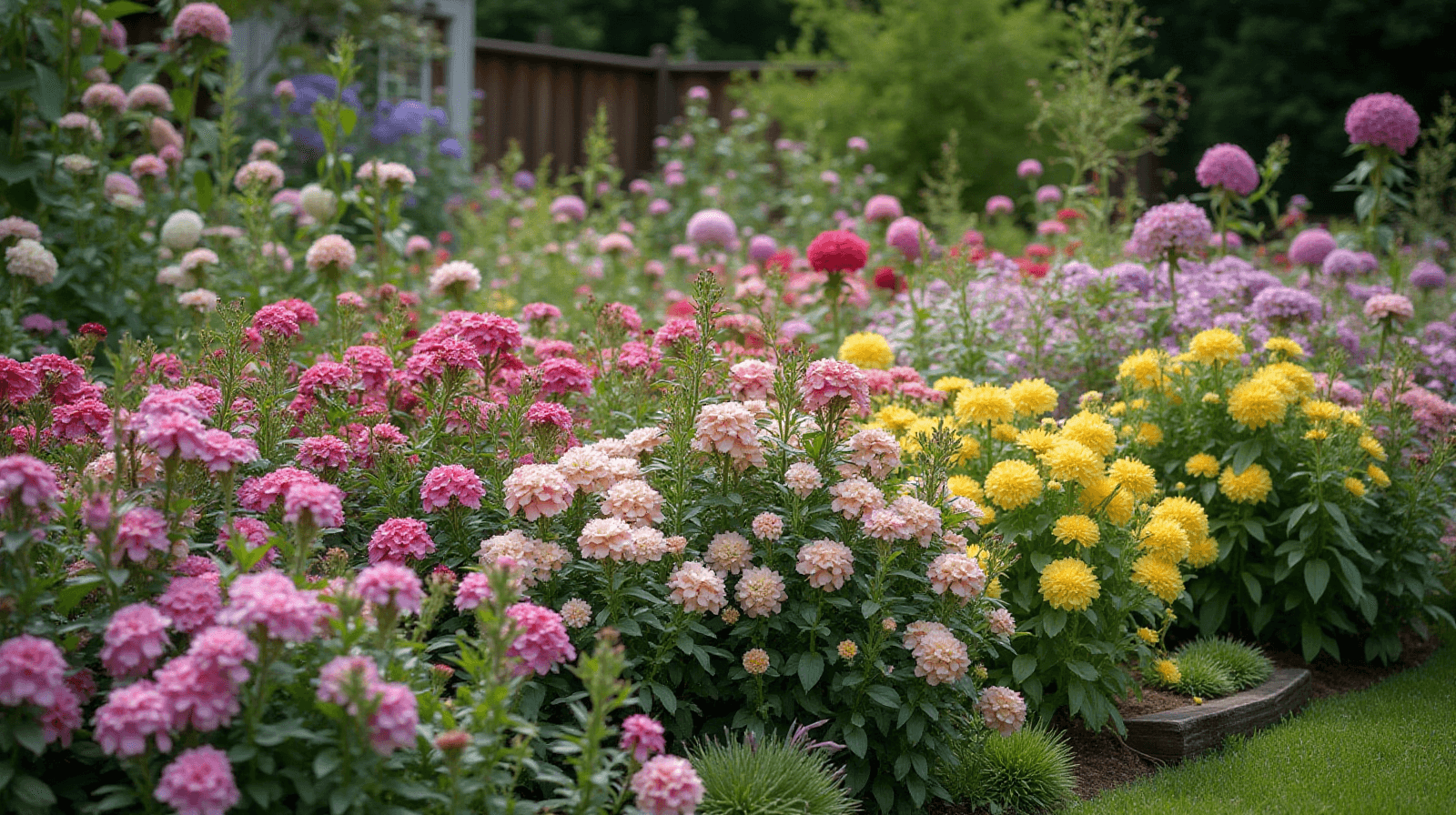


How to Build a Cottage Garden That Actually Looks Good (and Smells Great)
Written by David Rodgers — 2026-08-15
A guide to layering color and texture using plants that handle real-world backyards.
The newsletter for backyard growers who'd rather learn from a mistake made 40 years ago than repeat it themselves.
Cottage GardenPerennialsLayeringIn-Ground Beds
Starting with Intent: What 'Deliberately Chaotic' Really Means
When people hear the term "cottage garden," they often picture a sprawling, overgrown meadow that looks like it hasn't been touched by human hands in decades. In reality, the magic of this style lies in what I call "deliberate chaos." It isn't about neglect; it’s about abundance and layering. The goal is to create a space where plants seem to spill over one another, creating a dense tapestry of color and texture that feels lush rather than sparse.
If you walk into a cottage garden bed and can see the bare dirt between your perennials, then the "chaos" isn't working—it just looks like an unfinished project. To get this look right, you have to plan for density from day one. You aren't just planting individuals; you’re building a community of plants that support each other visually and physically. It takes some foresight to choose varieties that bloom at different times or grow at different heights, but the payoff is a garden that feels full every week of the season rather than just during one specific month of peak bloom.
The Three Layers of a Good Cottage Bed (Ground-Up)
To achieve that "overflowing" look without it turning into a weed patch, you have to think in layers. I like to approach this from the ground up. If you only plant tall shrubs and then leave the space beneath them empty, your garden will look hollow.
First, you need ground covers. These are your low-growing "carpet" plants—things like creeping phlox or sedum—that fill in the gaps near the edges of the bed. They keep weeds down and provide a constant base of color. Next is the mid-height filler layer. This is where most of your visual interest happens. These are the perennials that sit between 12 and 36 inches tall, providing bulk and repeated blooms. Finally, you have your tall anchors. These are your shrubs, climbing roses, or tall sunflowers that provide the "ceiling" for your garden. By filling all three layers, you ensure that even if one plant is having a bad year or isn't currently in bloom, there’s something else right next to it to take its place visually.
Picking Your Players: The Workhorse Plants
In our part of the country (Zone 7), not every pretty flower makes it as a reliable workhorse. You want plants that can handle some heat and won't give up on you after one season. For a cottage garden, I look for three specific traits: hardiness, repeat blooming, and fragrance.
Peonies are an absolute staple; they provide massive blooms in early summer and have a staying power that few other perennials can match. Hydrangeas (specifically the Hardy varieties) offer those huge clusters of color that anchor the space. Then you have Phlox—the true work-horse. It fills space beautifully and provides that classic cottage scent on warm evenings.
| Plant Type | Example Varieties | Why They Work in Zone 7 |
|---|---|---|
| Anchors | Hydrangea macrophylla, Climbing Roses | Provide height/bulk; established systems. |
| Fillers | Garden Phlox, Salvia, Coneflower | Reliable repeat bloomers; great for "filling." |
| Groundcover | Creeping Phlox, Stonecrop (Sedum) | Suppresses weeds; fills the "bottom" layer. |
The Wrong Way to Start a Cottage Garden (And How It Dies)
I’ve seen many neighbors start out with great intentions and end up frustrated because they took the easy way out by planting "monocultures." If you plant twenty of the exact same variety in a row, it won't look like a cottage garden; it will look like a nursery display. One pest or one bad season can wipe out your entire design if everything is identical.
Another common mistake is failing to prepare the soil properly before "filling" the bed. If you just dig a hole and drop a plant in, but the soil is heavy clay or lacks organic matter, that plant will struggle to establish its root system. It might look okay for a year, but it won't have the vigor to compete with weeds. Lastly, some people try to force "deliberate chaos" by planting things that aren't suited for our climate—like delicate woodland flowers in an area that gets blasted by afternoon sun. If you choose plants based on how they look in a magazine rather than what can survive a Zone 7 summer, your garden will be a constant battle of replacement and repair.
Step-by-Step Setup: Building Structure and Soil
If you want this to work, we have to start with the foundation. You can't build a sturdy house on sand, and you can't build a lasting garden in poor soil.
- Amend the Soil: Before any plants go in, incorporate a significant amount of compost or aged manure into your beds. This improves drainage and provides slow-release nutrients that keep things green throughout the summer.
- Define Your Boundaries: Even though the interior of the garden is "messy," the edges should be crisp. Install some timber edging or a stone border. A clean edge tells people (and weeds) where the intentional garden ends and the lawn begins.
- Establish Fast Growers First: Don't wait for your slow-growing perennials to fill in everything. Plant some fast-growing annuals or "filler" varieties first. This gives you an immediate sense of success while your primary perennial choices are finding their footing in the soil.
Maintenance for the Messy Garden (The Trimming Rules)
A cottage garden is a managed wildness, not a neglected one. To keep it looking intentional rather than sloppy, there are three rules I follow:
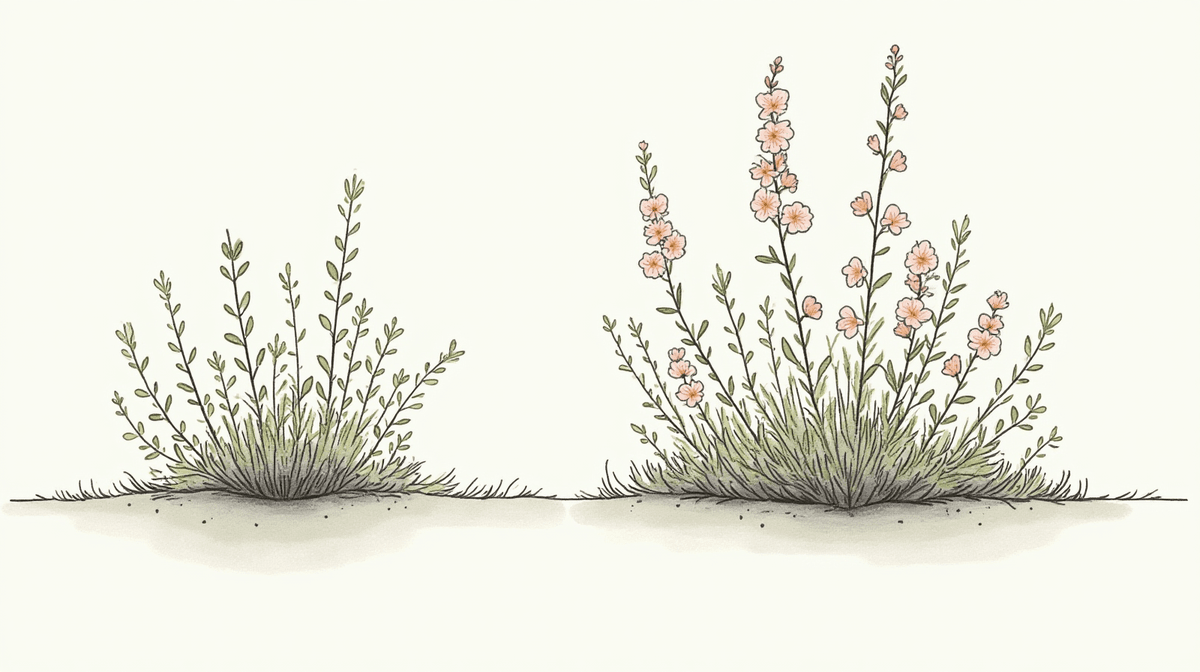
First, deadhead regularly. This isn't just about aesthetics; many of our workhorse plants like Phlox and certain varieties of roses will produce a second flush of blooms if you snip off the spent flowers. It keeps the "energy" of the garden moving forward. Second, manage your invasives. A cottage garden should look dense, but that doesn't mean it should be overrun by crabgrass or bindweed. If you see something taking over and choking out your perennials, pull it immediately.
Finally, your seasonal cleanup shouldn't involve "manicuring" the plants into perfect shapes. You aren't trying to make them look like topiary. Instead, focus on removing dead stalks in late winter and clearing away heavy debris. The goal is a garden that looks like it was designed by nature but kept tidy by a neighbor who knows what they’re doing.
Your turn
What’s the wildest spot in your yard? Let me know below! If this helped get your garden going, pass it along to a neighbor who needs some color inspiration.
🌿 Get Seasonal Gardening Tips
New guides, planting reminders, and growing tips — straight to your inbox.
No spam. Unsubscribe anytime.
About the Author
David Rodgers is the Founder & Head Gardener of Planting Atlas. With over 40 years of hands-on gardening experience in Oklahoma's Zone 7 climate, he researches, writes, and personally tests every guide on the site.
David draws from real backyard trials, soil testing, and trusted sources like Oklahoma State University Extension and USDA data to deliver practical, zone-specific advice that actually works.
Read more about David and Planting Atlas →