Loading…
←Back to Newsletters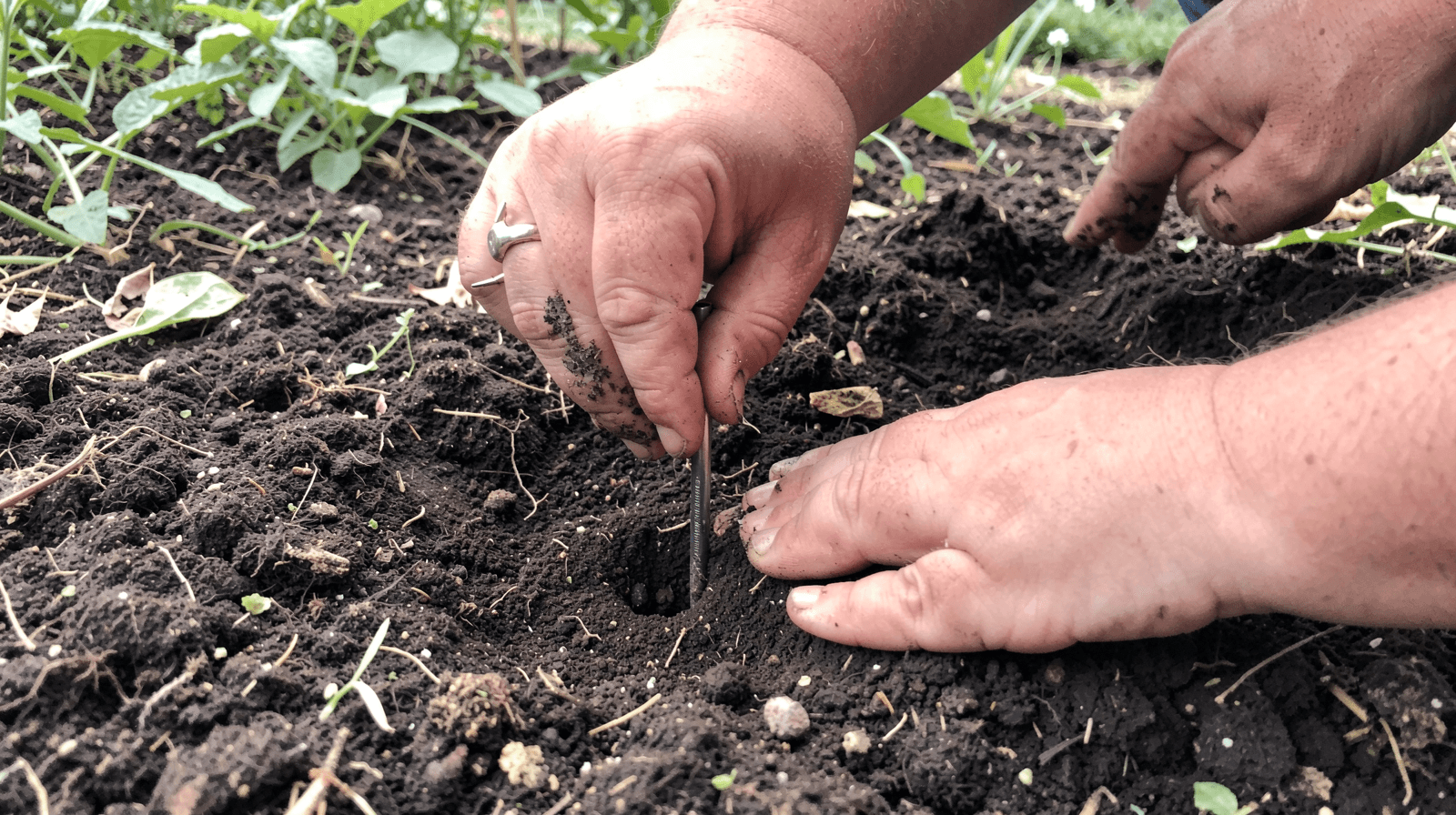
Fall Bulb Planting: Timing Is Everything (And It's Not About the Calendar)
Written by David Rodgers — 2026-11-08
How to use soil temperature and containers to guarantee spring blooms in any USDA zone.
The newsletter for gardeners who'd rather learn from a mistake made 40 years ago than repeat it themselves.
bulbsfall gardeningsoil scienceseasonal timing
Don't trust your calendar when planting bulbs. Trust the dirt instead.
If you’ve ever looked at a gardening book that says, "Plant tulips in October," and then tried to follow it during an unseasonably hot Oklahoma autumn, you know exactly how frustrating—and ultimately fruitless—that can be. I spent my first decade of serious gardening following the calendar religiously. I thought if the date was right, the plants would behave. They didn't.
The reality is that your local soil temperature is the only "clock" that matters for bulbs. A calendar doesn't know how much heat your specific backyard holds or how quickly your ground cools down at night. In a place like Zone 7, we can have nights in October that still feel like early summer, while three states over, the ground might already be chilling. If you put a bulb into soil that is still too warm, it won't enter its necessary period of dormancy. Instead of "sleeping" for the winter, the bulb tries to wake up and grow, exhausting its energy reserves before the first real frost hits. By February, those bulbs will have spent all their fuel just trying to survive a warm autumn, leaving them with nothing left to produce flowers in the spring. You have to wait for the earth to tell you it’s ready.
The Shovel Test: Finding the perfect depth and timing.
To get this right without guessing, you need to actually interact with your soil. I call this "The Shovel Test." Before you start digging rows of holes, take a shovel and dig down about six inches in the area where you plan to plant. You aren't just looking for how soft the dirt is; you’re checking what it feels like against your skin and, if possible, using a simple soil thermometer.
For most fall-blooming bulbs—like tulips, daffodils, and crocuses—you are aiming for a consistent soil temperature between 40°F and 50°F. If the ground still feels "warm" to the touch or registers above 60°F consistently, you need to hold off. I’ve seen people rush it in late September just because they wanted to get the work done, only to have the bulbs fail to establish any root structure. When that shovel goes into the dirt and the soil feels cool but not "frozen" cold, that is your green light. It's about finding that sweet spot where the ground has released its summer heat but hasn't yet locked down for a deep freeze.
How to conduct the test:
- Pick three different spots in your intended planting area (soil temperature can vary even across a small yard).
- Dig a pilot hole about 6 inches deep and let it sit for five minutes to "settle" to the ambient underground temp.
- Check the temperature. If you don't have a thermometer, feel the soil with your palm. It should feel distinctly cooler than the air temperature of a fall afternoon.
- Wait if necessary. If it’s still too warm, wait two weeks and check again.
The biggest mistake I see gardeners making with fall bulbs.
The single most common mistake—the one that leads to "dead" gardens every spring—is planting during the wrong window of dormancy. People often think the goal is just to get them in the ground before it gets too cold. That’s backward logic. The goal is to get them into the ground when they can successfully enter a state of rest.
If you plant your bulbs while the soil is still 65°F or higher, the bulb stays "active." It tries to push out shoots and develop root systems that it simply doesn't have the energy for in those conditions. Because it’s spending its stored starch on growth rather than storage, it eventually "burns out" by mid-winter. On the flip side, if you wait until the ground is already frozen solid or below 35°F, the bulb may struggle to settle into the soil correctly, making it vulnerable to rot or being pushed out of the ground by frost heaving. You want that window where the earth is cool enough to signal "sleep" but still workable enough for the bulb to anchor itself. When you skip this window, you aren't just risking a few flowers; you’re wasting your time and money on bulbs that will never have the strength to bloom.
Salvaging forgotten blooms: Bulbs in pots after the season.
Sometimes life gets in the way. Maybe a week of heavy rain washed out your plans, or a busy month at work meant those bags of tulips sat in the garage until the ground was already too hard to work. Don't toss them out—you can still get results by switching to a container strategy. This is how I handle "leftover" bulbs that missed their primary planting window.
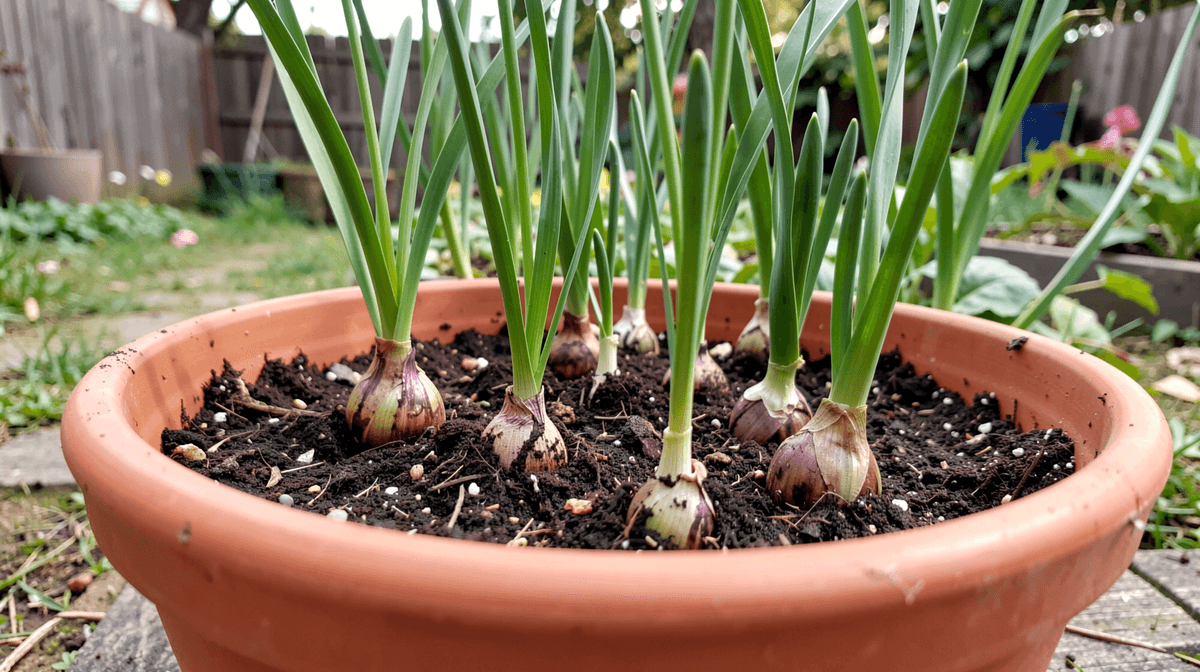
Treat your containers like a separate, managed crop. Instead of mixing them into the general garden beds, plant them in large pots (at least 10-gallon size for several bulbs) with high-quality potting mix and plenty of perlite or coarse sand for drainage. Because you can control the environment more precisely in a pot, these bulbs will often perform better than if they were struggling in compacted backyard soil.
Tips for container bulb success:
- Drainage is non-negotiable. Bulbs sitting in "wet feet" inside a pot will turn into mush within weeks of the first frost. Ensure your pots have large drainage holes at the bottom.
- Potting Mix: Use a well-draining mix, not heavy garden soil. You want it light enough that water moves through quickly but holds just enough moisture to keep the bulb from drying out completely during the winter.
- Placement: Keep these pots in a spot where they get some protection from the harshest winds, but aren't tucked away in a "dead zone" where air can't circulate.
Climate warning labels: What this means across USDA zones 3 through 11.
One of the biggest problems with online gardening advice is that it treats the entire country like one backyard. A planting window for Zone 3 (where the ground freezes early and deep) looks completely different than a window for Zone 8 or 9 (where soil can stay warm well into December). Because we are in Oklahoma, I see people trying to follow "Northern" advice that just doesn't work here because our soil retains heat differently.
The timing of your "Shovel Test" will shift significantly based on your latitude and longitude. In the North, you might be looking for those 40°F–50°F temperatures in late September or early October. Down south, you might not hit that window until November or even December. If you ignore these regional differences, you'll end up planting when it’s still too hot for your bulbs to sleep properly.
| USDA Zone | Typical Soil Cooling Window | Risk Factor if Planted Too Early |
|---|---|---|
| Zones 3-5 | Late Sept - Mid Oct | Bulbs may fail to settle before a deep freeze hits. |
| Zones 6-8 | Mid Oct - Nov | High risk of bulbs staying "active" and burning out energy. |
| Zones 9-11 | Nov - Dec | Soil stays warm too long; requires very specific moisture management. |
Note: These are general guidelines based on average soil behavior. Always use your own backyard's temperature as the final word.
Your fall bulb planting checklist, from soil prep to mulching.
When you finally hit that perfect 40°F–50°F window, don't just start throwing bulbs into holes. You need a system to ensure they stay put and stay healthy through the winter. Here is exactly what I do in my yard when it’s time to get moving:
Preparation & Planting
- Clear the area: Remove any heavy grass or weeds from the planting site so you can see your spacing clearly.
- Check the depth: A general rule of thumb is to plant bulbs at a depth of 2–3 times their height. If it's a large tulip, it needs more room; if it’s a small crocus, don't bury it too deep or it won't have the energy to reach the surface.
- Spacing: Give them room to breathe. Crowding bulbs leads to poor air circulation and can invite fungal issues in the spring.
Finishing Touches
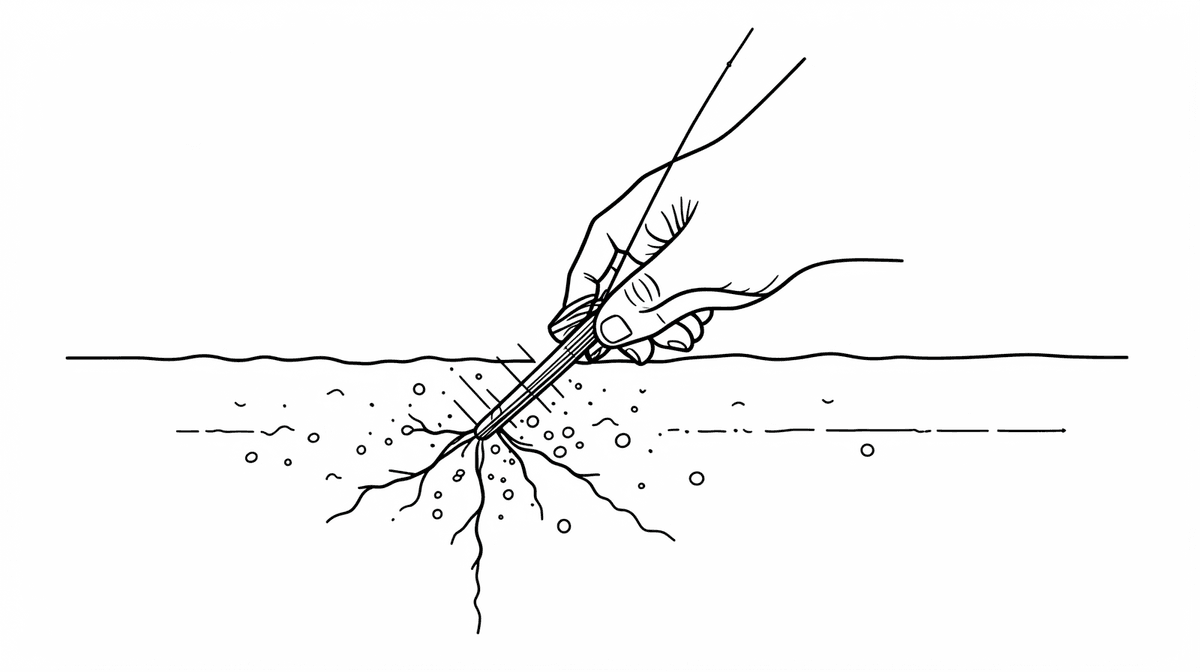
- Firm the soil: After placing the bulb, firm the soil down with your hands or a light tamper. You want to eliminate large air pockets around the bulb where water can pool and cause rot.
- Mulching: Apply a 2-3 inch layer of organic mulch (like straw, shredded leaves, or wood chips). This helps regulate the temperature and keeps moisture consistent. Avoid heavy plastic covers, which trap too much heat and can cook the bulbs in the late autumn sun.
A few things I learned about bulbs over 40 years of trial and error.
I’ll be honest with you: I didn't learn all this by reading a manual. I learned it by watching my garden fail. There was one year in Oklahoma where I got impatient because the weather felt "right" for planting, but the soil was still holding onto that summer heat. I planted a whole row of tulips and watched them simply disappear into the dirt by January—no sprouts, no life, just mulch over empty holes.
That failure taught me more than any success ever could: you have to respect the biology of the plant. A bulb is an energy storage unit; it’s designed to survive a specific cycle of heat and cold. If you break that cycle by planting at the wrong time, the "battery" runs out before spring arrives. My advice? Be patient with the dirt. It might feel like you're "late" to the season if you wait until November to get your bulbs in the ground, but I promise you, those flowers will be much stronger and more vibrant because they actually got their winter rest. Gardening is a long game of trial, error, and eventually, getting it right. Keep growing.
Your turn
When was the last time you checked your actual garden soil temperature? Share what kind of blooms are popping up in your yard this spring!
🌿 Get Seasonal Gardening Tips
New guides, planting reminders, and growing tips — straight to your inbox.
No spam. Unsubscribe anytime.
About the Author
David Rodgers is the Founder & Head Gardener of Planting Atlas. With over 40 years of hands-on gardening experience in Oklahoma's Zone 7 climate, he researches, writes, and personally tests every guide on the site.
David draws from real backyard trials, soil testing, and trusted sources like Oklahoma State University Extension and USDA data to deliver practical, zone-specific advice that actually works.
Read more about David and Planting Atlas →