Loading…
←Back to Newsletters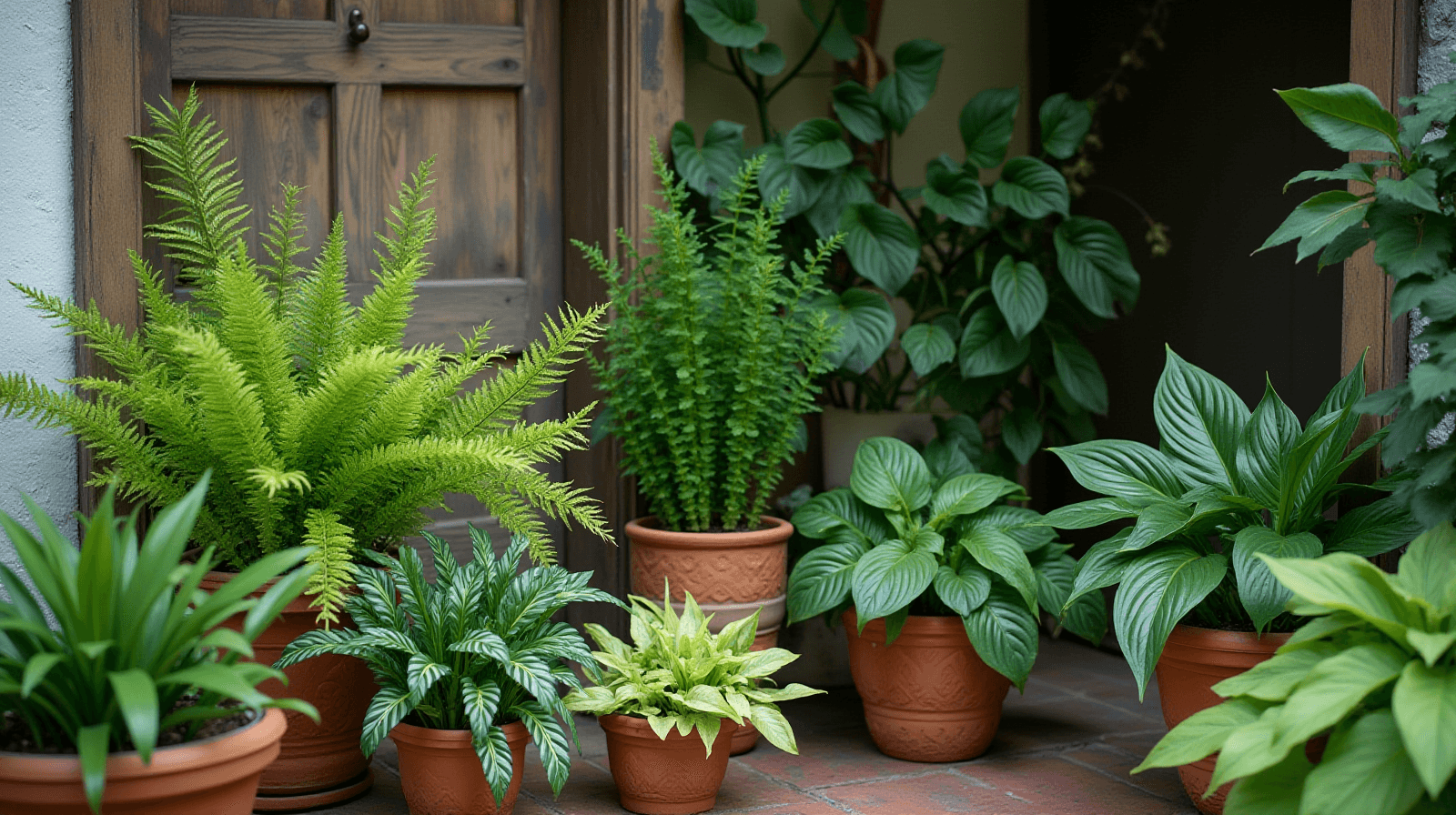

Entryways: How to make your front door look like it belongs in a magazine (without being one).
Written by David Rodgers — 2026-08-25
A few hands-on ways to combine plants and structure for real impact.
The newsletter for gardeners who'd rather learn from a mistake made 40 years ago than repeat it themselves.
container gardeninglandscape designhardscapeentryway
Start by looking at what you already have (the basics)
Before you go out and buy a single pot or bag of mulch, take a long look at the architecture of your entryway. Your house is doing half the work for you; it provides the frame, the colors, and the lines that give the garden its structure. One thing I learned early on in my own yard—and one mistake I see many people make—is trying to "overpower" the house with plants. If you have a heavy stone porch or a sturdy wooden railing, those are your anchors. You shouldn't be trying to hide them; you should be highlighting them.
Think of your entryway as a stage. The steps are the path, and the railings are the frame. When I design an entrance, I start by looking at what’s already there: Is it a wide, welcoming porch or a narrow, steep set of stairs? A large, heavy front door needs "weight" in its landscaping—something like dense shrubs or larger containers to balance out that visual weight. If you have a light, airy screen door, you can go with something more delicate. The goal isn't to make the garden look like it’s fighting against the house; it’s about making sure the plants and the architecture are working together as one unit. When they work together, the entrance feels intentional rather than just "decorated."
Three ways to make the entrance pop: containers, ground beds, and vertical accents
Once you've identified your architectural anchors, there are three main ways to add life to the space. Each serves a different purpose depending on how much effort you want to put in and how much room you actually have.
Containers
Containers are my go-to recommendation for people who want an immediate impact or have limited space, like a narrow walkway where digging a bed isn't practical. The key here is variety in height. Don’t just put three identical pots of the same plant in a row; that looks like a nursery display. Instead, group things together—a tall, structural element (like a dwarf conifer or a large ornamental grass) paired with some mid-sized mounding plants and smaller "filler" flowers at the base. This creates depth.
Ground beds
If you have the space to dig in, ground beds are the gold standard for long-term results. These provide the most consistent look because they allow roots to establish deeply. For an entryway, I recommend using a mix of evergreen shrubs and perennials. The evergreens give you "bones" all year round, while the perennials provide the seasonal pop of color. This ensures that even in the dead of winter, your front door doesn't look like a barren patch of dirt.
Vertical accents
We often forget to look up. If you have a porch railing or a wall next to your path, use it. A climbing hydrangea or some hardy vines can soften the hard lines of a fence or railing. Even something as simple as tall, upright "sentinel" plants—things that grow straight up rather than out—can frame the doorway and draw the eye upward toward the roofline, making the whole entrance feel larger and more grand.
The common mistake is grouping too many colors or plants that look good only from one angle.
One of the most frequent mistakes I see in residential landscaping is what I call "the gift basket" effect. This happens when someone tries to cram every available color into a small space, often using plants that are bred for high-impact blooming but have very little structure once the flowers fade. It looks great in a photo from one specific angle, but it feels cluttered and messy as soon thought about by anyone actually walking through the door.
To avoid this, I advocate for "structural layering." This means you prioritize texture and shape first, then add color second. You want to look at your entryway and see distinct shapes—the rounded mound of a boxwood, the upright spike of an ornamental grass, or the feathery foliage of a fern. These elements provide the structure that stays consistent all year. Once those are in place, you can tuck in some flowering plants for color.
Another practical point: if your garden is right next to a walkway, avoid "one-sided" growth habits. You don't want a plant that grows beautifully toward the street but has spindly, dying branches hanging over the path where people walk. Choose varieties with a rounded or upright habit so they look good from every angle. This ensures the entrance stays tidy and functional for everyone who uses it.
Zone notes: what works when (and where).
You cannot treat your front yard like a magazine page that ignores local weather. A plant that thrives in my backyard in Oklahoma might be a disaster for someone in the Northeast, and vice versa. You have to choose plants based on their ability to handle your specific heat, humidity, and frost dates. For example, many "showy" annuals used in containers look great but will fry in 95-degree July heat unless they are watered multiple times a day—which is not practical for most home gardeners.
When selecting your structural plants (the ones that provide the year-round shape), you must consider their hardiness and their tolerance for "heavy" conditions like wind or high sun. For instance, in warmer zones, you want something that can handle a dry spell without wilting instantly. In colder zones, you need to ensure they won't get "mushy" during a wet spring.
| Feature | Northern Zones (e.g., 4-6) | Central/Southern Zones (e.g., 7-9) |
|---|---|---|
| Structural Shrubs | Focus on hardy evergreens like Arborvitae or Boxwood to provide winter interest. | Look for heat-tolerant varieties that won't "scorch" in the summer sun. |
| Container Strategy | Use larger pots to protect roots from deep frost; prioritize cold-hardy perennials. | Use high-quality potting mix and mulch heavily to keep root zones cool during July/August. |
| Timing for Planting | Wait until late spring once soil thaws fully; focus on early bloomers like Peonies. | Plant in fall or early spring; choose "heat-set" varieties that can handle a long growing season. |
When you're planning your entryway, always check the specific requirements of the plants you’re considering for your zone. It is much better to have one hardy, well-shaped shrub that stays green all year than five different flowering bushes that die off by August because they couldn't handle the local humidity or heat.
Your turn
What is the most unexpected plant you've used in an entry? Share a picture of your approach!
🌿 Get Seasonal Gardening Tips
New guides, planting reminders, and growing tips — straight to your inbox.
No spam. Unsubscribe anytime.
About the Author
David Rodgers is the Founder & Head Gardener of Planting Atlas. With over 40 years of hands-on gardening experience in Oklahoma's Zone 7 climate, he researches, writes, and personally tests every guide on the site.
David draws from real backyard trials, soil testing, and trusted sources like Oklahoma State University Extension and USDA data to deliver practical, zone-specific advice that actually works.
Read more about David and Planting Atlas →