Loading…
←Back to Newsletters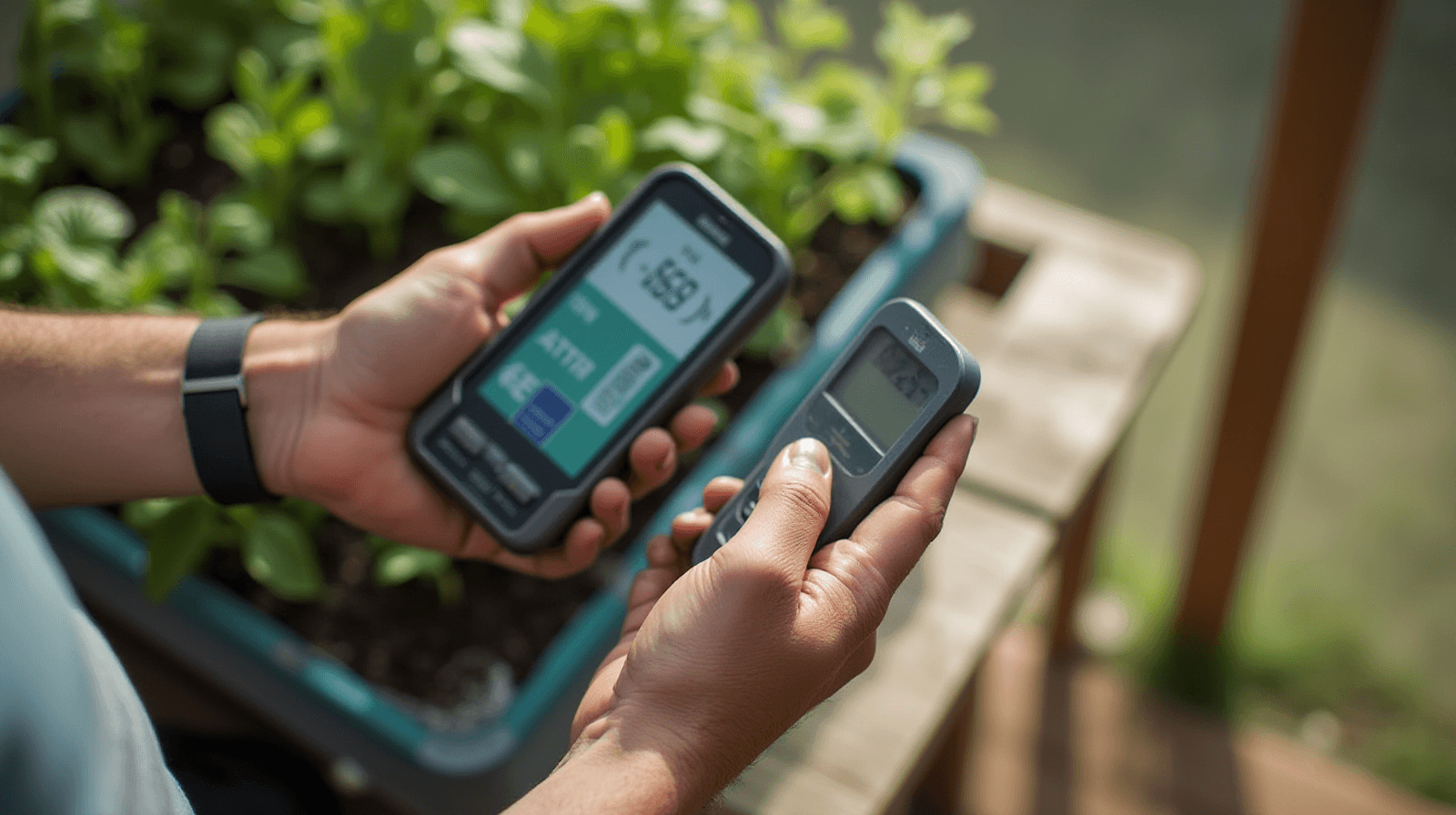
Hydroponics From Scratch · Part 3
Don't Panic Over Numbers: Nutrients, pH, and EC Explained
Written by David Rodgers — 2026-09-29
A plain-English guide to keeping your soilless crops alive (and not burning).
The newsletter for backyard growers tired of overly complicated, textbook gardening advice.
hydroponicssoilless gardeningpH balancebeginner guides
What are these three numbers and why should I care?
When you first step into the world of hydroponics, it can feel like you’ve suddenly been asked to do your taxes instead of gardening. You see charts involving "Nutrients," "pH," and "EC" (Electrical Conductivity), and it feels like a wall of math designed to keep people out. But here is what I’ve learned over years of trial and error: these aren't just arbitrary numbers for the sake of being technical. They are the three primary ways we measure the health of your plant's "kitchen."
Think of Nutrients as the actual food—the proteins, minerals, and vitamins the plant needs to build leaves and fruit. pH is like the door to the pantry; if the acidity level isn't just right, that door stays locked, and even if you have plenty of food available, the plant can't reach it. Finally, EC tells us exactly how much "stuff" (salts and minerals) is dissolved in your water at any given moment. Understanding these three things allows you to move from guessing why a leaf is turning yellow to knowing exactly what’s happening under the surface of the water.
The Big Mistake: Thinking 'Stronger' Means Better
One of the most common mistakes I see—and one I made early on in my own journey—is the assumption that "stronger" means "better." In a lot of traditional gardening, we think more fertilizer equals faster growth. In a hydroponic system, that logic can be dangerous very quickly. Because your plants are growing in a concentrated environment without soil to buffer them, giving them too much of a good thing is like trying to force-feed someone; it's overwhelming and toxic.
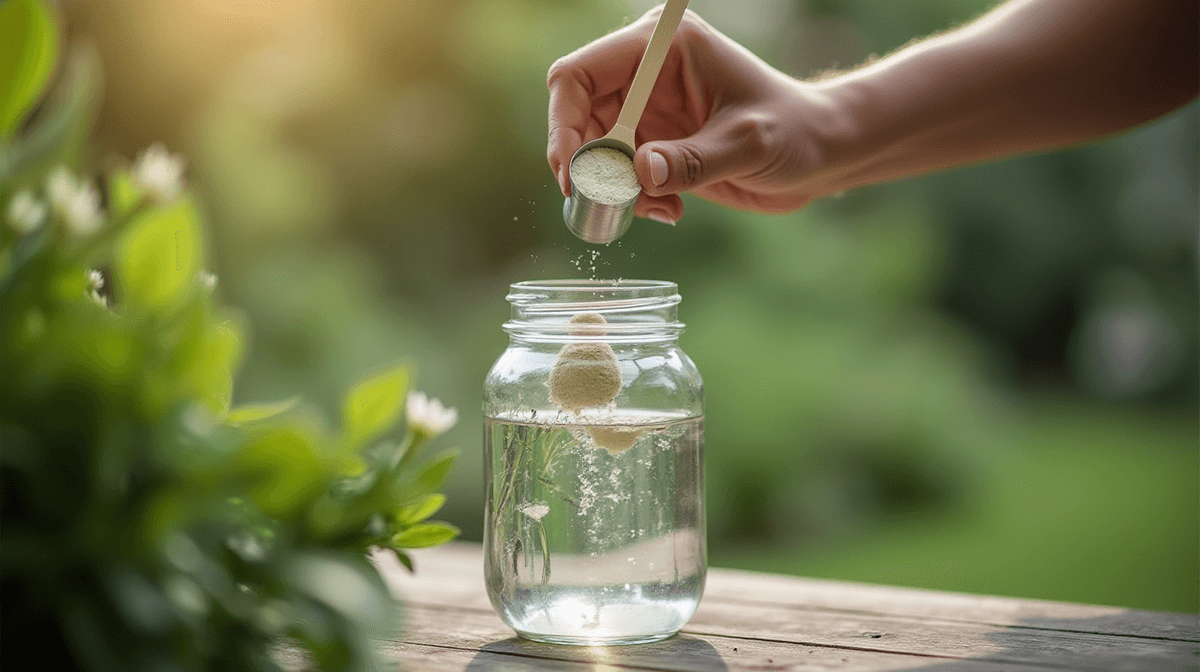
When you over-fertilize, the concentration of salts becomes too high for the roots to handle. This leads to "nutrient burn," where the plant literally begins to struggle against the chemistry of its own water source. It’s not about making the solution as "strong" as possible; it's about finding the sweet spot where there is enough food to thrive, but not so much that it becomes a burden. Balance and dilution are your best friends here. I always tell people: if you aren't sure, start lower. You can always add more nutrients later, but pulling too many salts out of a system once they’ve built up is a real headache.
Understanding pH: It’s about availability, not just acidity.
If you want to understand pH simply, stop thinking about "acid" and start thinking about "availability." The pH scale runs from 0 to 14. For most hydroponic crops, we are aiming for a range between 5.5 and 6.5. If your pH drifts outside of that window—whether it gets too high (alkaline) or too low (acidic)—the chemical "gate" closes.
When the pH is off, certain minerals become chemically "locked." For example, if the water becomes too alkaline, the plant might be unable to grab iron from the solution, even if your nutrient levels are perfect. It’s like having a full pantry but no key to open the door; the food is there, but the plant can't get to it. This "nutrient lockout" often confuses gardeners because they see symptoms of deficiency and just add more fertilizer, which doesn't help because the problem isn't a lack of nutrients—it’s an inaccessible supply. Keeping your pH steady ensures that whatever you put into the system is actually available for the plant to use at its own pace.
Reading the EC Meter: How much food can your plants actually process?
EC stands for Electrical Conductivity, and it’s a way to measure how many dissolved salts are in your water. Think of it as the "density" of your nutrient soup. While pH tells us if the door is open, EC tells us exactly how much stuff is inside the room. Every plant has a different appetite; a leafy green like lettuce doesn't need nearly as much "food" as a heavy feeder like a tomato or a pepper.
If your EC is too low, the plants will be hungry and stunted. If it’s too high, you risk that root burn I mentioned earlier. Finding the right range depends entirely on what you are growing. You want to hit the target for your specific crop so they have enough energy to produce without being overwhelmed by salt stress.
| Crop Type | Target EC Range (Approx.) | Common Issues if Too High |
|---|---|---|
| Leafy Greens (Lettuce, Spinach) | 1.0 - 1.6 | Tip burn, stunted growth |
| Fruiting Crops (Tomatoes, Peppers) | 2.0 - 3.5 | Leaf curling, "burnt" edges |
| Herbs (Basil, Cilantro) | 1.4 - 2.0 | Slow growth, bitter flavor |
A Weekly Maintenance Checklist: What does the solution need?
Managing a hydroponic system doesn't have to be a daily chore of constant tweaking, but it does require a consistent routine. You want to check your numbers regularly enough to catch a drift before it becomes a disaster for the plants. I recommend a thorough check at least once a week, though if you are running a large system or one in a very hot environment (like our Oklahoma summers), you might want to do this every 3-4 days.
- Test all three: Grab your meters and check pH, EC, and your nutrient concentration. Write them down; seeing the trend over two weeks is often more helpful than looking at a single number today.
- Top up vs. Mix: When your water level drops due to evaporation or plant uptake, don't just add straight nutrients into the tank unless you know exactly how much you are adding. It’s usually safer to top off with "clean" water and then adjust your nutrient levels as needed based on a fresh reading.
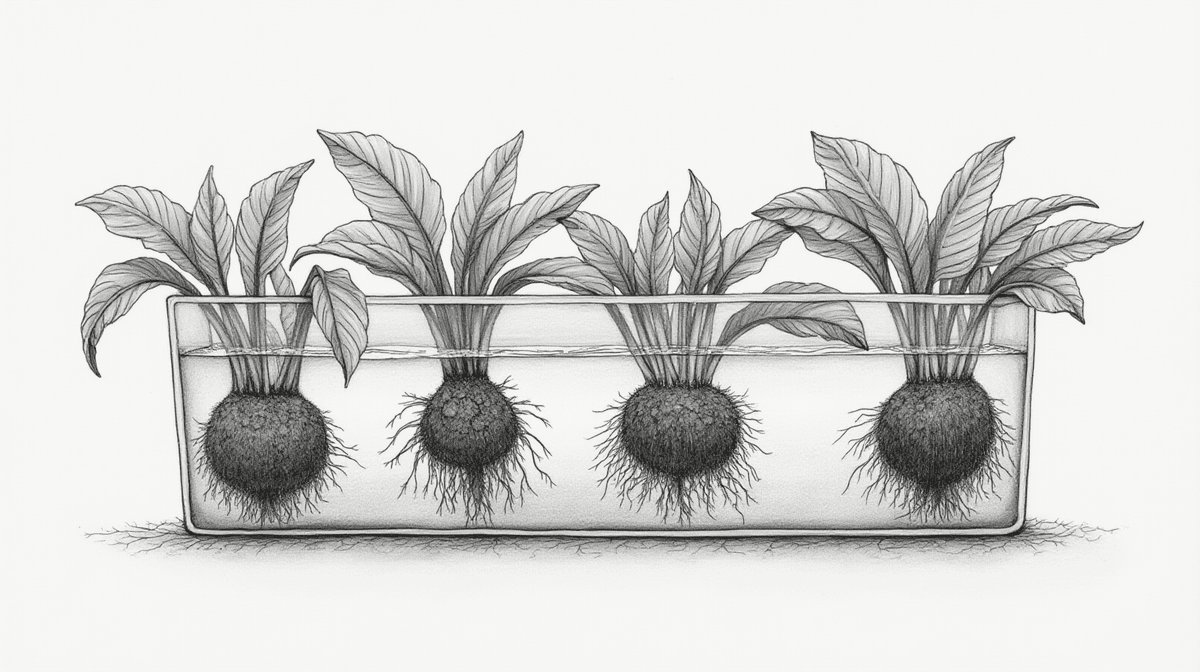
- Watch the roots: This is my favorite way to double-check the numbers. Healthy roots should be white and firm. If they start turning brown or feeling slimy, it's often a sign that your EC is too high or your pH has been drifting for too long.
Quick Tips for Common Problems (The Red Flags)
When things go wrong, the plants will tell you—you just have to know how to listen to them. Most issues in hydroponics can be traced back to one of our three "big" numbers if you look closely at the symptoms:
- Yellowing lower leaves: This is often a sign of nitrogen deficiency or a pH that has drifted too high, locking out the nutrients.
- Brown/Crispy leaf tips: This usually points to an EC that is too high (too much salt) or a concentration that's too heavy for the plant to process quickly.
- Stunted growth with dark green leaves: The plant might be "happy" but it's not growing because the nutrient levels are too low; it has just stopped trying to reach out for more.
- Mottled or "spotted" leaves: This can sometimes indicate a specific micronutrient lockout due to a fluctuating pH.
If you see these signs, don't panic and dump in a bunch of chemicals. Check your pH first. If that’s stable, check your EC. Usually, the problem is much simpler than it looks—it’s just a matter of getting those three numbers back into their comfortable "home" range for the specific crop you’re growing.
Your turn
Do you have any questions about balancing nutrients or adjusting pH in your current setup? Share this guide with another new grower who thinks hydroponics is too complicated!
Next issue
Next time, we'll tackle light: figuring out exactly how much artificial sun your indoor tomatoes and peppers really need.
Apply this next
🌿 Get Seasonal Gardening Tips
New guides, planting reminders, and growing tips — straight to your inbox.
No spam. Unsubscribe anytime.
About the Author
David Rodgers is the Founder & Head Gardener of Planting Atlas. With over 40 years of hands-on gardening experience in Oklahoma's Zone 7 climate, he researches, writes, and personally tests every guide on the site.
David draws from real backyard trials, soil testing, and trusted sources like Oklahoma State University Extension and USDA data to deliver practical, zone-specific advice that actually works.
Read more about David and Planting Atlas →