Loading…
←Back to Newsletters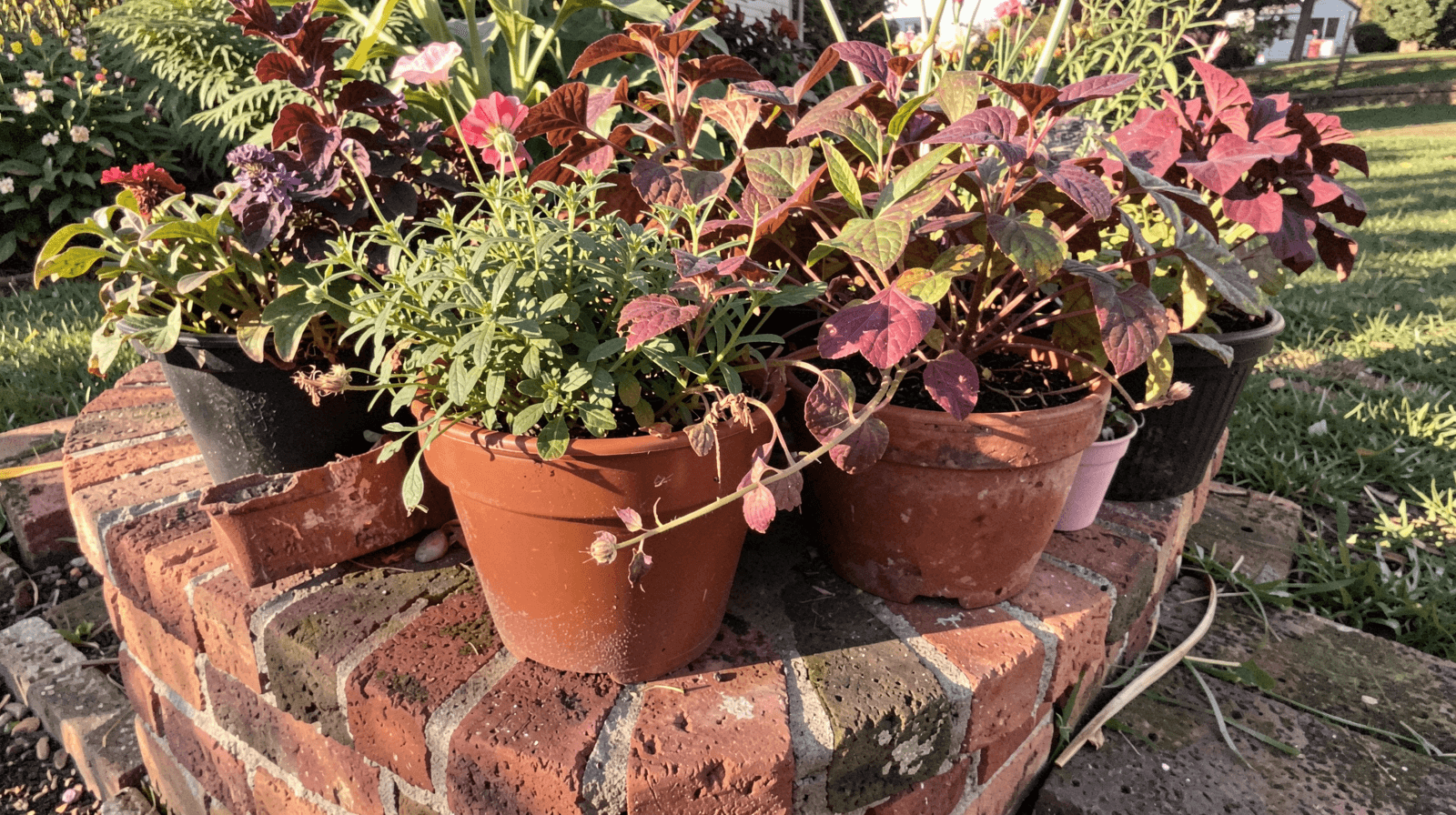
Don't Let Root Rot Kill Your Potted Plants This Winter.
Written by David Rodgers — 2026-10-24
The simple trick using pot risers and drainage to keep roots healthy when the ground freezes.
The newsletter for gardeners who'd rather learn from a mistake made 40 years ago than repeat it themselves.
Container GardeningCold Weather CareWatering TechniquesPlant Health
The biggest mistake container gardeners make when the weather cools off
I’ve spent a lot of time watching neighbors—and even my own past mistakes—make the same error every year as the temperature starts to dip. When that first real chill hits, everyone panics about "saving" their potted plants from the frost. We start thinking about heavy blankets, moving pots into the garage, or wrapping everything in burlap like it’s a high-stakes rescue mission. While protecting against freezing temperatures is important for some species, most people completely overlook the silent killer that actually does more damage: poor drainage.
The mistake is treating a container plant as if its only enemy is the cold. In reality, when you have a pot sitting on a flat surface—be it a patio, a porch, or just a patch of dirt—and the weather turns grey and damp, water has nowhere to go. It pools at the bottom of the pot, turning your potting mix into a stagnant swamp. I’ve seen beautiful container gardens turn into "death traps" because the gardener was so busy worrying about a 30-degree night that they didn't notice their plants were slowly drowning in three inches of standing water at the base of the pot. We focus on the thermometer, but we should be focusing on the drainage holes.
It's not the frost that kills them—it's standing water
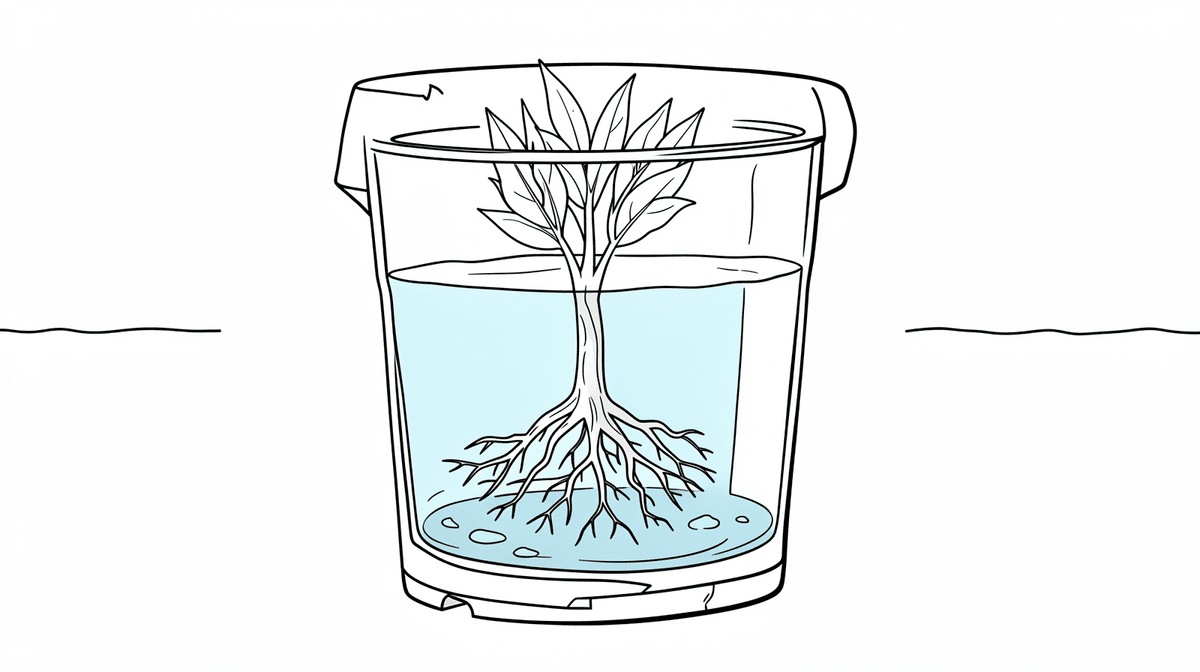
Here is a hard truth I learned after years of trial and error: for most container plants, it isn’t actually the freeze that ends their life; it’s asphyxiation. Roots are living tissue, and just like us, they need to breathe. When a pot sits flat on the ground or a deck, the bottom of the container creates a seal. If you water that plant—or if a heavy rain hits—the water stays trapped in that bottom inch of soil.
When roots sit in saturated, oxygen-depleted mud for days at a time, they begin to rot. This is "root rot," and it’s one of the most frustrating things to diagnose because by the time you see the leaves turning yellow or drooping on top, the root system is already collapsing underground. I used to think my plants were just reacting poorly to the winter cold, but once I started looking at the soil in those heavy ceramic pots, I saw the "mush." The roots weren't crisp and white; they were brown and slimy. In many cases, a plant can survive a much colder night than it can survive ten days of sitting in its own stagnant water. We have to prioritize keeping the roots oxygenated over everything else during those damp winter months.
The simple, 5-minute fix: getting the roots to breathe again
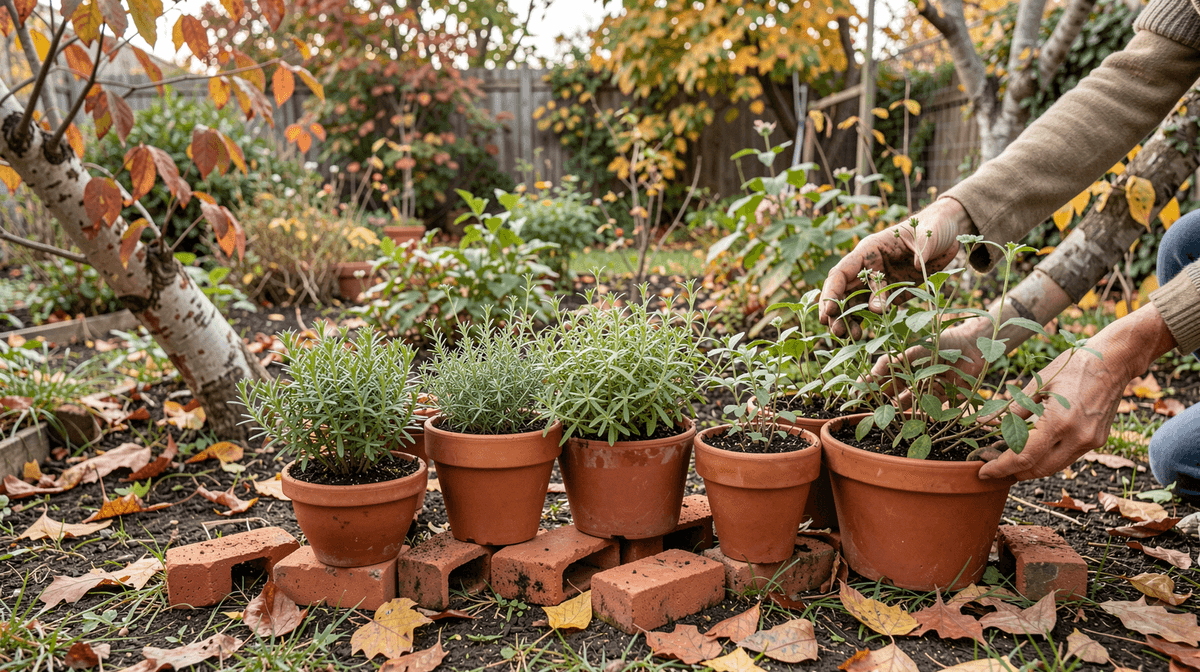
If you want to stop this cycle, the solution is incredibly simple and honestly takes about five minutes to implement. You need to break that seal between the bottom of your pot and the surface it's sitting on. My go-to method is using pot risers or even just a few sturdy bricks. The goal isn't just to "lift" the plant; it’s to create an air gap.
When you lift a pot off the ground, you allow gravity to do its job properly. Instead of water pooling at the bottom and soaking into the lowest layer of soil indefinitely, it can flow out of the drainage holes and away from the container. This creates a "chimney effect" where air can circulate underneath the pot, ensuring that even when the soil is moist, there are pockets of oxygen reaching those lower roots. I’ve seen pots that were struggling for months suddenly perk up just by being propped up on two bricks. It's about making sure that water moves through the container rather than staying in it. Whether you use specialized plastic "feet," old cinder blocks, or even some pieces of scrap wood, the principle is the same: give those roots a way to breathe.
How to set up your pots for winter survival: a simple checklist
Setting this up doesn't require any special tools or complex landscaping skills. It’s just about making sure every pot in your collection has an escape route for water. Here is how I handle it in my own backyard to make sure nothing gets left behind during the wet months:
Preparation Checklist
- Identify "Flat-Bottom" Pots: Walk around your patio or garden and look for any container that sits directly on a hard surface (concrete, wood) or heavy soil without any clearance. These are your high-risk plants.
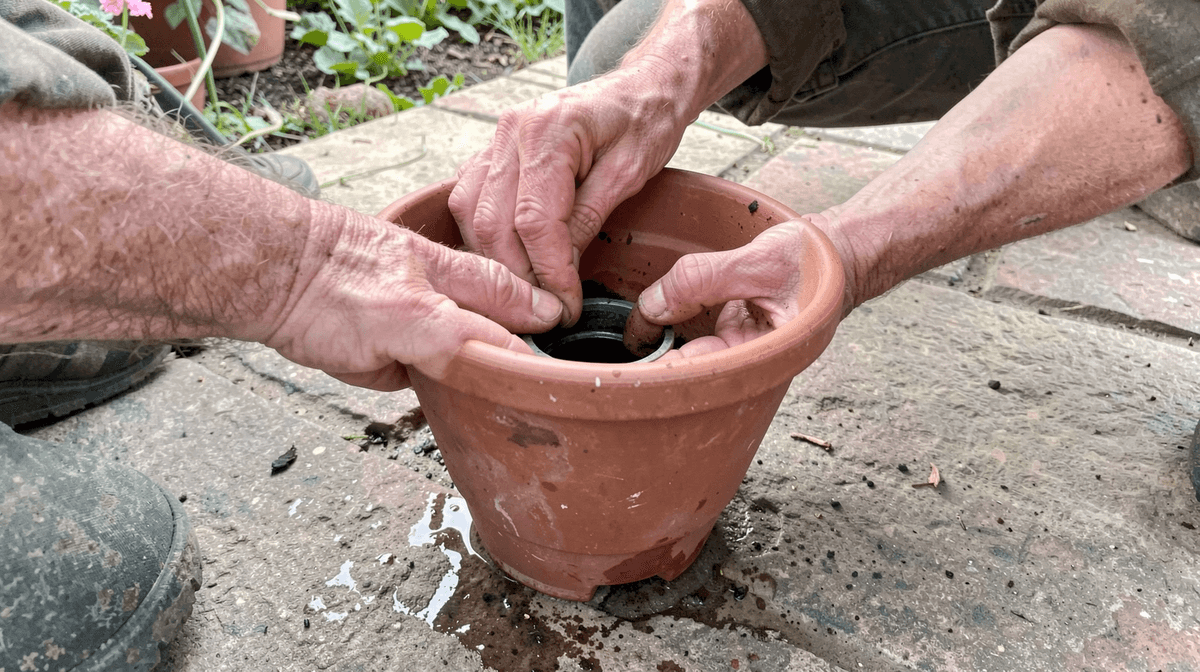
- Clear the Drainage Holes: Before you do anything else, take a stick or an old screwdriver and poke into every drainage hole at the bottom of the pot. Over time, potting mix and organic debris clog these up like a clogged sink drain. Clear them out completely.
- Select Your Risers: You don't need to buy fancy equipment. For heavy ceramic pots, use sturdy bricks or large flat stones. For lighter plastic nursery pots, simple "pot feet" from the hardware store work great.
- Apply and Space: Place your risers under the pots. Make sure they are stable so the pot won't tip over in a high wind. You only need enough to lift the pot about 1–2 inches off the surface.
- Check the "Flow": After you’ve lifted them, give the pots a quick water test. Pour a little bit of water in and watch it come out the bottom. If it flows freely, you're done for the season.
A note about climate zones and watering habits this time of year
One thing I always tell people is that "winter" looks different depending on where you live. In my neck of the woods (Oklahoma), we have a distinct shift in how we manage water compared to someone way up in the North or down in the Gulf. You have to adjust your watering frequency based on your specific USDA zone, but the rule about drainage remains universal.
In colder zones, your goal is often just keeping the soil from being completely saturated by snowmelt or heavy winter rains. In warmer zones, you might still need to water occasionally even if it's chilly out because the pots are large and can dry out quickly in the wind.
| USDA Zone | Typical Winter Condition | Watering Strategy |
|---|---|---|
| Zones 3-5 | Heavy snow, deep freezes | Minimal to no watering; focus on preventing "ice-damming" at the base of pots. |
| Zones 6-8 | Fluctuating temps, wet periods | Reduce frequency significantly; only water if soil is bone dry and it hasn't rained recently. |
| Zones 9-10 | Mild winters, occasional frost | Moderate watering; keep a "deep soak" schedule but cut the volume by half compared to summer. |
The key takeaway here: regardless of your zone, you are moving into a "less is more" phase with water. You want the soil moist enough that it doesn't turn into dust, but never so wet that it becomes a swamp. If you have those risers in place, you can be much more confident that even if you over-water slightly, the excess will actually leave the pot instead of staying there to do damage.
Final check: What to do before the first hard freeze hits
Before that first big freeze arrives—the one where the ground turns into a sheet of ice and the wind starts biting—take one last walk through your garden. It’s about being proactive rather than reactive. I always use this quick mental checklist to make sure my backyard is ready:
- The "Lift" Test: Are all my heavy pots sitting on bricks or risers? (If they're flat on the ground, move them now).
- Drainage Check: Can I see water actually exiting the bottom of the pots when it rains?
- Mulch Layer: Do my larger containers have a layer of mulch or straw on top to insulate the root ball from extreme temperature swings? (Note: This is for insulation, not drainage!)
- The "Watch" List: Are there any plants currently showing yellowing leaves that feel mushy at the base? If so, those are your priority for moving into a sheltered spot immediately.
Gardening is often about observing the small signals before they become big problems. If you take five minutes today to check your drainage and lift those pots up, you’re doing more for their survival than any fancy frost blanket ever could. It's simple physics: give them air, let the water move, and let nature do the rest of the work during the dormant season.
Your turn
What's the biggest mistake you learned from in a potted plant? Share it below! (And tell a neighbor who keeps their pots on saucers.)
🌿 Get Seasonal Gardening Tips
New guides, planting reminders, and growing tips — straight to your inbox.
No spam. Unsubscribe anytime.
About the Author
David Rodgers is the Founder & Head Gardener of Planting Atlas. With over 40 years of hands-on gardening experience in Oklahoma's Zone 7 climate, he researches, writes, and personally tests every guide on the site.
David draws from real backyard trials, soil testing, and trusted sources like Oklahoma State University Extension and USDA data to deliver practical, zone-specific advice that actually works.
Read more about David and Planting Atlas →