Loading…
←Back to Newsletters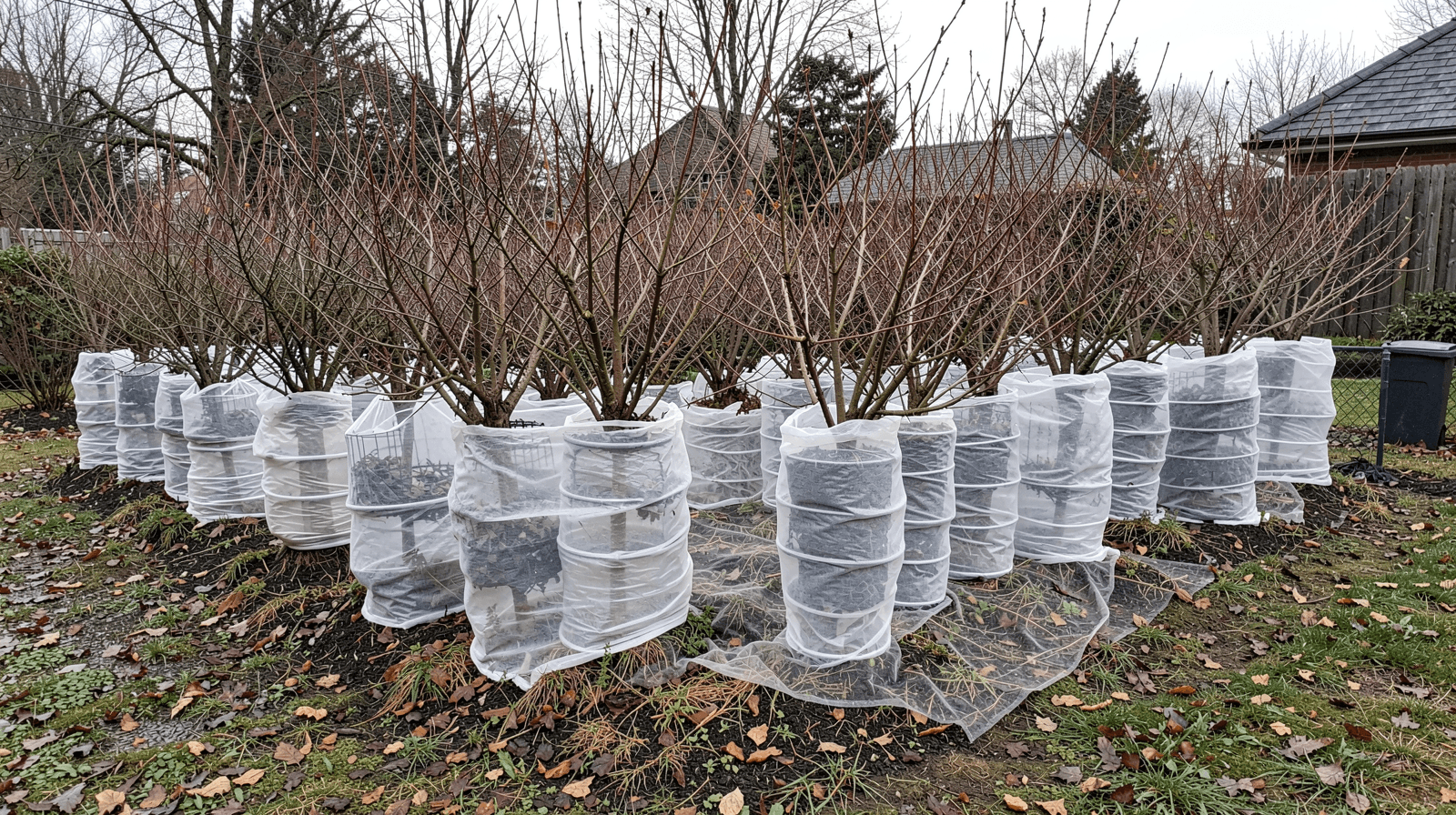

Don't Let Frost Kill Your Best Blooms.
Written by David Rodgers — 2026-11-10
How to turn old tomato cages into effective, budget-friendly frost shields for your backyard perennials.
The newsletter for gardeners who'd rather learn from a mistake made 40 years ago than repeat it themselves.
perennialsfrost protectionDIY gardeningwinter prep
When late fall feels too warm (and then suddenly freezing)
There is a specific kind of deception that happens in the garden during late October and early November, especially here in Oklahoma. You’ll spend several days enjoying those golden afternoons where the air feels perfectly crisp but not "cold." The grass stays green, the sun still feels strong enough to warm your shoulders, and it's easy to convince yourself that winter is still a long way off. But then, almost overnight, the atmosphere shifts. A high-pressure system moves in, the humidity drops, and you wake up to a hard, biting frost that has turned your favorite perennials into brittle sculptures of ice.
I’ve seen this happen more times than I can count over my 40 years of gardening. That sudden drop is what catches most people off guard. It isn't just about the temperature on the thermometer; it’s about how quickly the heat leaves the soil and the air around your plants. When a "snap" freeze hits, those tender new growth tips—the ones you spent all summer nurturing—can turn to mush in a matter of hours. The problem is that these events are often unpredictable. You can't always count on a steady decline in temperature; sometimes it’s a sudden plunge that leaves your most vulnerable plants paying the price for a "warm" week that turned out to be a trap.
The Problem with a Simple Blanket Wrap
One of the biggest mistakes I see (and one I made early on) is thinking that simply throwing a bedsheet or an old tarp over a plant is enough to save it. While it seems like common sense, there is a specific reason why this often fails: it’s all about airflow and heat pockets. If you drape a heavy, non-breathable material directly onto the branches of a shrub, you are essentially suffocating the plant while also creating a "cold sink."
Without some kind of structure to hold that fabric up, the material will sag. When it sags against the leaves, it traps moisture against the plant's surface. In those freezing temperatures, that moisture can turn into ice, which actually damages the delicate tissue more than the cold air alone would have. Furthermore, you want a buffer zone—a small pocket of air between your protective layer and the plant itself. This allows the ground to radiate a tiny bit of residual heat upward while blocking the wind chill from hitting the stems directly. If there is no gap, there is no protection; it's just a wet weight sitting on top of your garden.
Cages, Fleece, and the Structural Defense: A DIY Approach
This is where we can get creative with what you already have in the shed. Instead of buying expensive specialized equipment, look at those old tomato cages from last summer’s harvest. They are perfect for creating a structural "skeleton" for your frost defense. By placing these cages around your high-value perennials and tender shrubs, you create a frame that keeps your covering material off the actual foliage.
The goal is to build what I like to call a "cold snuggle cocoon." You want a layered approach: first, the cage provides the height and shape; second, you drape a breathable fabric—like frost fleece or even an old burlap sack—over the frame. Because the cage keeps the fabric taut and elevated, it creates that essential air gap we talked about. It also prevents your plants from being crushed if there’s any heavy snow or ice buildup during the night. This method is budget-friendly because you aren't buying anything new; you are just repurposing "trash" to create a sophisticated microclimate for your most prized backyard residents.
Zone 7 Specifics: Timing Your Winter Prep
In Oklahoma and other parts of Zone 7, timing is everything. We have a very specific window where the nights start getting chilly enough to warrant protection, but the days are still warm enough that we aren't dealing with constant frost. You want to have your cages and materials ready before that first hard freeze hits. If you wait until the frost is already on the grass, it’s usually too late—the plant has already taken its beating, and trying to "save" it at that point is often a losing battle.
Preparation should happen when the nights consistently dip into the low 30s but before the ground begins to truly harden for winter. This allows you to get your structures in place while the plants are still active enough to benefit from the protection. Keep an eye on local forecasts, as "hard" freezes (anything below 28°F) are the ones that really demand this level of intervention.
| USDA Zone | Typical Preparation Window | Primary Goal |
|---|---|---|
| Zone 7 | Late Oct - Early Nov | Protect tender shrubs and high-value perennials from "snap" freezes. |
| Zone 8 | Mid Nov - Dec | Shield plants against sudden, late-season cold fronts. |
| Zone 6 | Early Nov | Provide consistent protection for woody plants during the full frost season. |
Step-by-Step Setup: Building a Cold Snuggle Cocoon
Setting this up doesn't have to be a massive weekend project; it’s just a few deliberate steps per plant. Once you have your materials gathered, follow this process to ensure they actually do their job when the temperature drops:
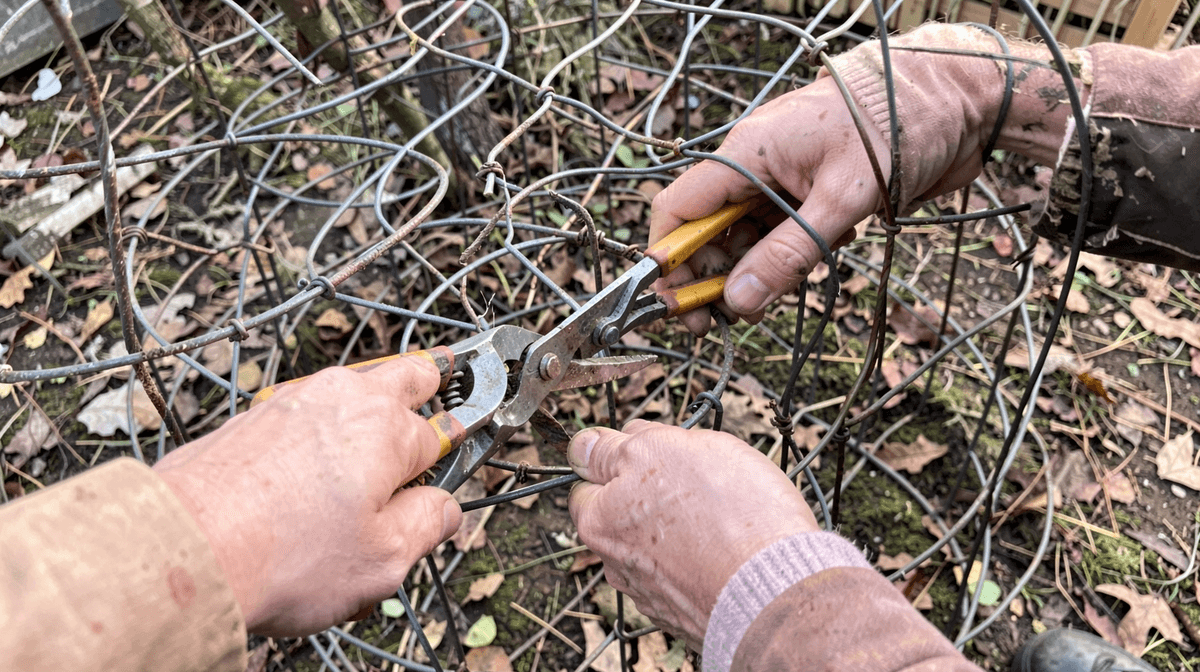
- Prep the Cages: Take your old tomato cages and give them a quick shake-out or scrub. You want to remove any debris from last season so they don't harbor pests during the winter months.
- Positioning: Place the cage around the base of the plant you intend to protect. Ensure it is centered so that the "roof" will cover the most tender parts of the shrub or perennial.
- Layering the Fabric: Drape your frost fleece or burlap over the top of the cage. You want enough material to cover the entire structure, but don't pull it so tight that it loses its shape.
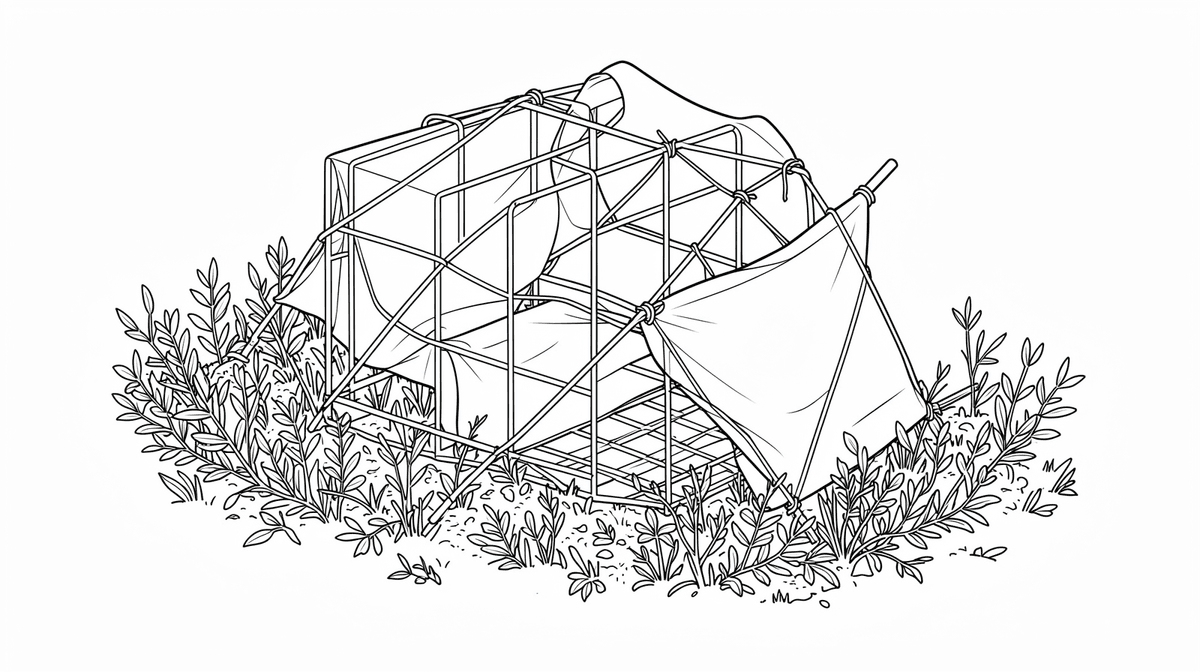
- Securing the "Tent": This is the most important step. Use garden clips, heavy-duty twine, or even large binder clips to secure the fabric edges to the cage itself. You want it snug enough that a gust of wind won't blow your protection away into the neighbor's yard, but loose enough that air can still circulate through the "tent."
- Check the Gap: Look inside the cocoon. You should be able to see clear space between the fabric and the plant stems. If it’s touching the leaves, loosen the clips a bit.
What to Prioritize (And What You Can Skip)
I want to be very honest with you: do not try to protect every single thing in your backyard. It is an exhausting way to garden, and frankly, many of your plants are designed by nature to handle our climate just fine. If you try to build a cocoon for every bush from the fence line to the back porch, you will run out of cages and energy before you even get halfway through.
Be strategic about what's worth the effort. Focus on your high-value items—the expensive hydrangeas that took all year to establish, the rare perennials you spent a lot of money on, or those tender shrubs that would be a total heartbreak to lose next spring. These are your priorities. On the other hand, don’t waste your time shielding hardy groundcovers, native grasses, or "tough" plants like certain types of viburnum or dogwood that can handle a few nights of frost without any help from you. It's about being smart with your resources and focusing on the garden features that matter most to you.
Your turn
What is the most valuable plant in your yard that needs protection? Share a picture and tell us what you're struggling to keep alive this season!
🌿 Get Seasonal Gardening Tips
New guides, planting reminders, and growing tips — straight to your inbox.
No spam. Unsubscribe anytime.
About the Author
David Rodgers is the Founder & Head Gardener of Planting Atlas. With over 40 years of hands-on gardening experience in Oklahoma's Zone 7 climate, he researches, writes, and personally tests every guide on the site.
David draws from real backyard trials, soil testing, and trusted sources like Oklahoma State University Extension and USDA data to deliver practical, zone-specific advice that actually works.
Read more about David and Planting Atlas →