Loading…
←Back to Newsletters
Don't let a mild frost ruin your yield: Extending the growing season in Zone 7.
Written by David Rodgers — 2026-08-19
How to keep vegetables producing long after most people think they should quit.
The newsletter for backyard growers tired of advice that ignores their actual climate.
cold framessuccession plantingrow coversvegetables
The Fall Slowdown: Why you need to keep working when everyone else is pulling out.
Most people treat the first frost as a "game over" sign for their garden. They see the temperatures dip, and they immediately start pulling everything up and clearing the beds for winter. In my experience—and especially here in Oklahoma’s Zone 7—that’s a mistake that leaves a lot of good food on the table. There is a massive difference between the first frost and a hard freeze that actually kills off your plants.
When you stop working just because it's getting "chilly," you miss out on some of the best produce of the year. Late-season crops like kale, spinach, and certain root vegetables often taste better in the fall than they do in the summer heat. They aren't stressed by high temperatures, and their flavors concentrate as the days get shorter. I used to think that once October hit, my job was done. Now I know that with just a little bit of extra effort and some basic protection, you can keep your garden productive well into November. You don’t have to let the season end just because the calendar says so; you only need to stop when the ground actually freezes or the sustained cold becomes too much for the plants to handle regardless of what we do for them.
Understanding your real microclimate (and the USDA zone limits).
One of the biggest hurdles for home gardeners is trying to follow "general" advice that doesn't account for where you actually live. A Zone 7 designation is a broad bucket, but your specific backyard might be much warmer or cooler than the average. You might have a south-facing wall that soaks up sun all afternoon, or a low spot in the yard that holds onto heat like an oven. These are "microclimates," and they are your best friend when it comes to extending your season.
While a gardening book might say you need to be done by late October, your specific backyard might allow for extra weeks of growth if you know how to work with its unique layout. For example, in transition zones like mine, the difference between an "average" day and a "protected" night can be ten degrees—the difference between a thriving head of broccoli and a ruined one.
| Crop Category | Standard Advice (Mid-Season) | Extended Strategy (Zone 7 Focus) |
|---|---|---|
| Leafy Greens | Harvest by first frost | Use row covers to extend through November |
| Root Crops | Pull when growth slows | Leave in ground; light frosts improve sugar content |
| Brassicas | Limit to summer/early fall | Protect with frames for late-season harvests |
By understanding your specific backyard's behavior, you can push the boundaries of what’s possible. Don't just follow a national calendar; watch how your own soil and sun behave as the season shifts.
Simple methods: Row covers and mulch for instant protection.
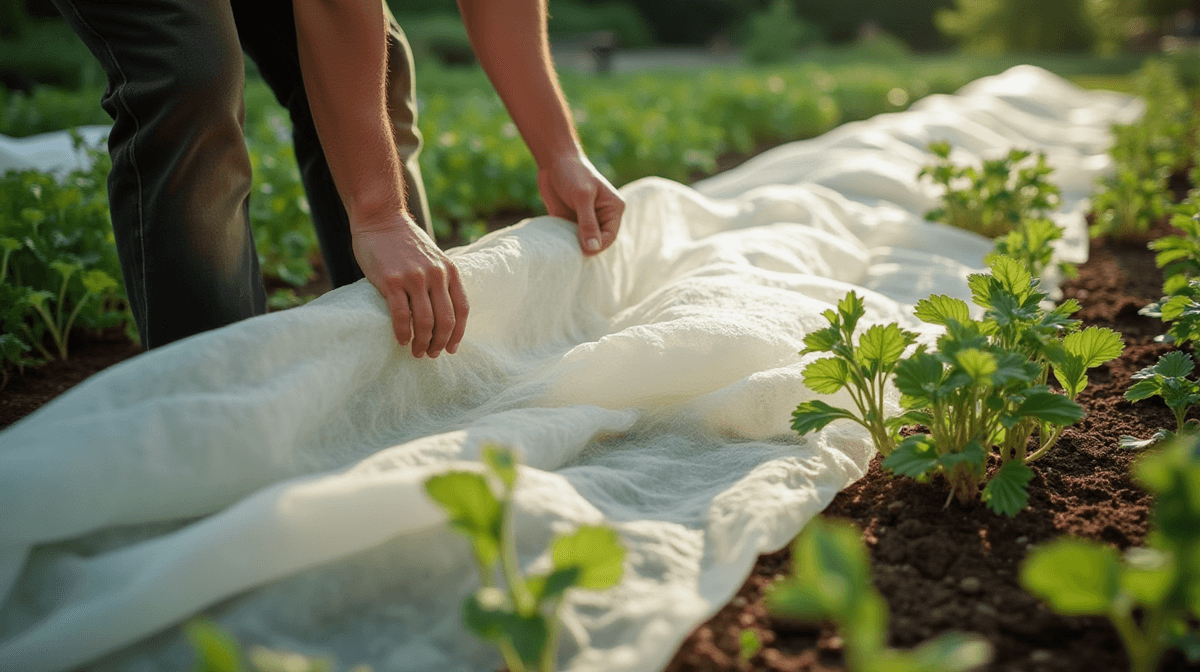
If you want to keep growing without building complex structures, row covers and heavy mulching are your two best tools. I often tell people that "row cover" sounds fancy, but it’s really just a simple way to put a blanket over your plants. These aren't the thin plastic sheets that get too hot in the sun; they are breathable fabrics like fleece or "agribon." They let in light and water but trap enough heat from the soil to keep the air around the plant several degrees warmer during those chilly October nights.
Mulching is equally important, but it’s about more than just keeping weeds down in the fall. A thick layer of straw, shredded leaves, or wood chips acts as an insulator for your root systems. When a "mild frost" hits—meaning the air temperature drops near freezing but doesn't stay there long enough to freeze the ground—a heavy mulch layer keeps the soil temperature stable. I’ve seen many folks lose their late-season greens because they had bare dirt; the roots would chill too quickly and stop producing. Adding 4 to 6 inches of organic material ensures that while the air might be cold, the "engine" under the ground stays warm enough to keep your plants working until the very last possible moment.
The Cold Frame deep dive: Creating a little mini-greenhouse.
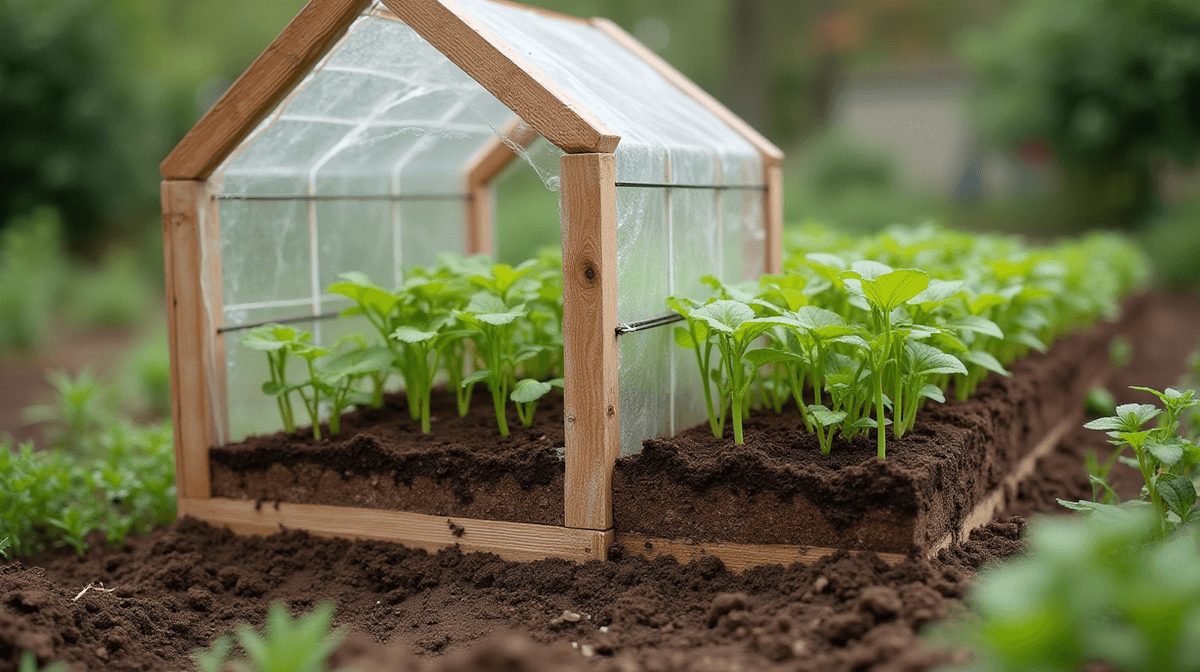
When you want to get serious about extending the season, a cold frame is one of the most rewarding investments you can make. Think of it as a heavy-duty box with a transparent lid—something like an old garden bed frame topped with a sheet of plexiglass or clear polycarbonate. It works by trapping solar radiation during the day and insulating the soil against the wind and frost at night.
I’ve used cold frames for years to keep high-value items, like specialty greens and herbs, productive when it's too cold for them to be out in the open air. The key is that they don't just protect from frost; they create a slightly warmer environment where plants can continue their growth cycle longer than usual. You don’t need anything fancy to start. A sturdy wooden frame covered with heavy-duty plastic (which you can pull back during sunny days) works well enough for many people. The goal is to keep the soil temperature consistent. In my experience, a well-built cold frame can give you an extra 4 to 6 weeks of growing time compared to standard rows. It’s especially useful for those "late starters" that don't have much time to mature before winter hits.
Succession planting that keeps going (after the first crop is done).
One reason many gardeners think they need to stop in the fall is because their summer crops are finished, and they feel like there is nothing left to do with the space. This is where succession planting changes the game. Instead of thinking about your garden as a single season's event, think of it as a relay race. As soon as one crop is harvested or begins to fail in the heat, you move straight into a fall-hardy variety that loves the cooler temperatures.
Because these crops are often fast-growing and thrive in shorter days, they can be tucked into small spaces very quickly. You don't need a massive field; even a few rows of "quick wins" can make your garden feel productive all the way through December. Some varieties I highly recommend for this transition include:
- Radishes: These are incredibly fast and love the cooler soil of late summer/early fall.
- Spinach and Arugula: Both are very hardy and can handle a bit of frost without wilting immediately.
- Mache (Corn Salad): This is my favorite "secret" for late-season greens; it’s incredibly cold-hardy.
By planning these transitions, you ensure that your garden never feels empty. You aren't just waiting out the winter; you are actively moving from one productive stage to the next.
The last big push: Preparing for dormancy and harvesting success.
The final phase of the season is about timing and preparation. One thing I want to emphasize—and something that surprises a lot of new gardeners—is that some crops actually get better when they experience a light frost. Root crops like carrots, parsnips, and beets are prime examples. When the first frost hits these plants, it causes them to stop focusing on growing larger and instead start converting their starches into sugars. This results in a much sweeter, more concentrated flavor. In my garden, I often wait until after a few "light" frosts before pulling these from the ground for the final harvest.
However, you still need to prepare your soil and beds for the winter sleep. Once you’ve harvested your late-season greens and root crops, it's time to clear out the spent stalks and debris. This isn't just about aesthetics; it’s about preventing pests and diseases from overwintering in your garden beds. I recommend a final heavy mulching of "winter mulch" (like compost or straw) over the entire area once you are done with the season. This protects the soil structure from erosion during winter rains and keeps the ground biology active so that when spring arrives, your soil is ready to go immediately. Don't rush into the clean-up just because it’s cold; wait until you have finished every last bit of harvestable food first.
Your turn
What are you trying to harvest right now? Send me a picture of it and I might have advice! Have you tried overwintering any seeds next year?
🌿 Get Seasonal Gardening Tips
New guides, planting reminders, and growing tips — straight to your inbox.
No spam. Unsubscribe anytime.
About the Author
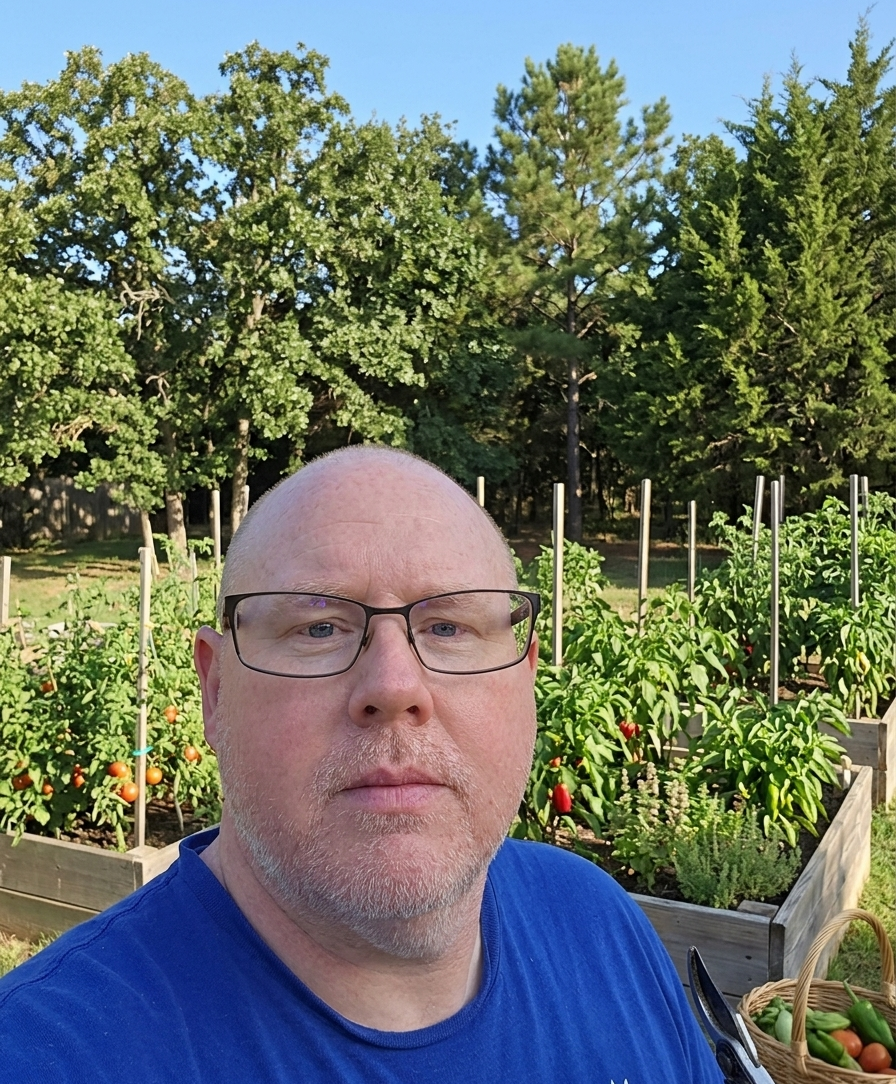
David Rodgers is the Founder & Head Gardener of Planting Atlas. With over 40 years of hands-on gardening experience in Oklahoma's Zone 7 climate, he researches, writes, and personally tests every guide on the site.
David draws from real backyard trials, soil testing, and trusted sources like Oklahoma State University Extension and USDA data to deliver practical, zone-specific advice that actually works.
Read more about David and Planting Atlas →