Loading…
←Back to Newsletters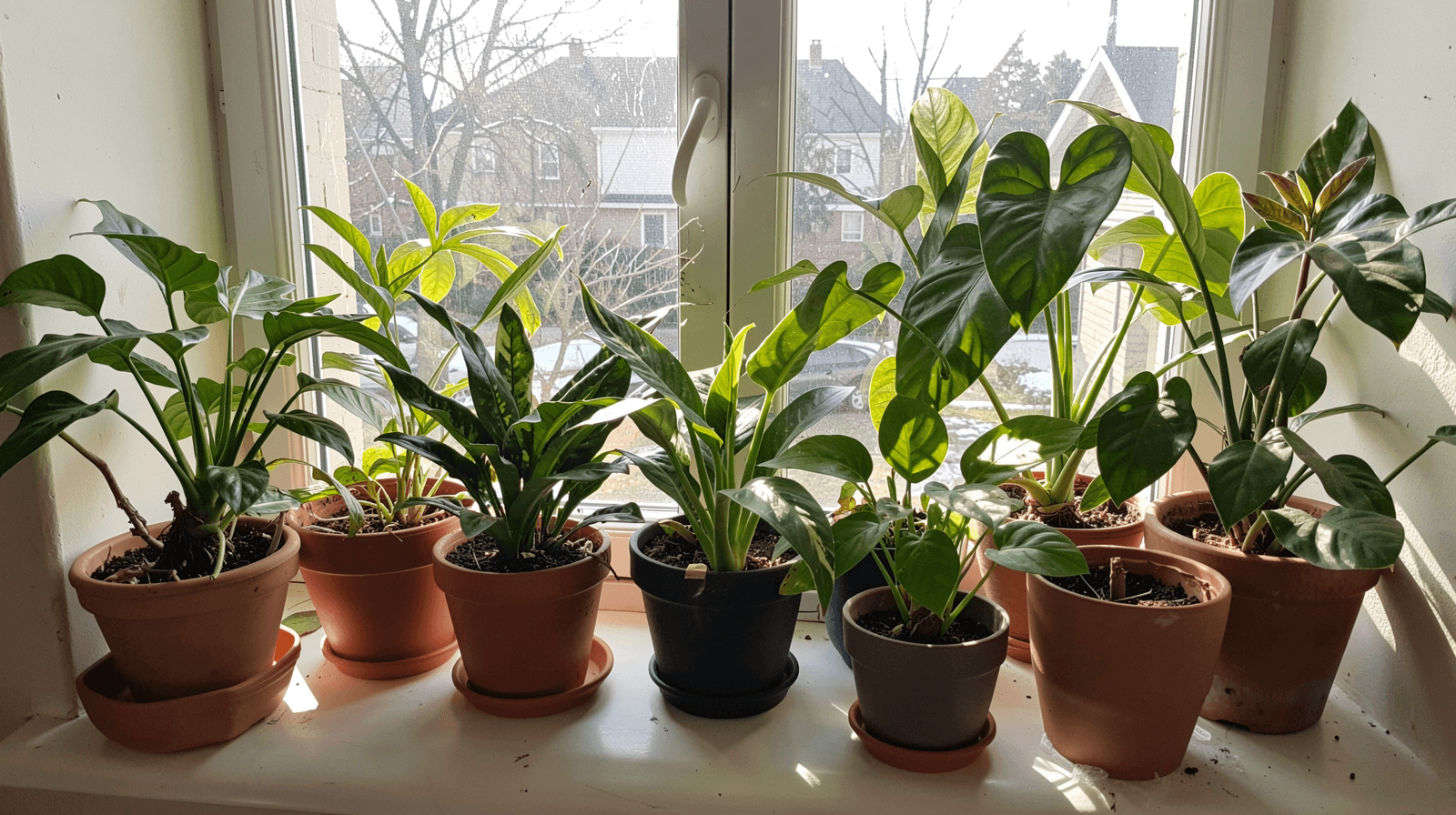
Don't Kill Your Houseplants: A Simple Guide to Winter Survival
Written by David Rodgers — 2026-11-17
Making sure your containers and indoor beds can handle the low light and dry air.
The newsletter for gardeners who'd rather learn from a mistake made 40 years ago than repeat it themselves.
HouseplantsWinter CareContainer GardeningHumidity
The Biggest Mistake (and the easiest fix): Watering less often
One of the most common ways I see people unintentionally kill their houseplants during the winter is by being "too kind" with the watering can. When the days get shorter and the air turns crisp, it feels like the plants are going into a slumber. While that’s true—most indoor plants do slow down their metabolic processes in the cold—that doesn't mean they stop drinking entirely; it just means they drink significantly less.
I learned this the hard way early on when I kept my fiddle-leaf fig perfectly watered every Sunday, only to have it turn yellow and mushy within a month. The problem wasn't that the plant was thirsty; it was that the soil stayed saturated for too long because the plant wasn't "breathing" out moisture as quickly as it did in the summer. In Oklahoma’s dry winter air, if you keep the soil constantly damp while the plant is in a low-growth phase, you are essentially inviting root rot to move in.
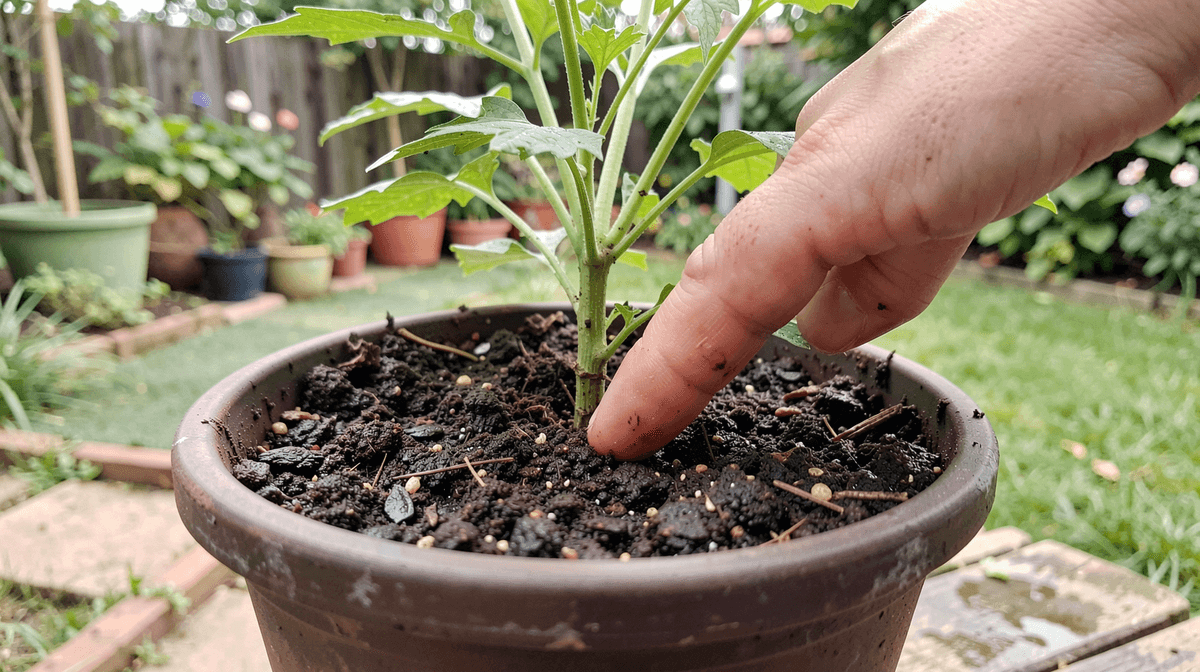
The fix is simple: switch from a calendar-based watering schedule to a "feel" test. Before you pour, stick your finger two inches into the dirt. If it feels even slightly moist, walk away. It’s much easier to let a plant get a little thirsty than it is to recover a root system that has started to rot in a swampy pot.
When natural light isn't enough: Rotations and reflectors
In our part of the country, winter sun can be a fickle thing. You might have a few hours of bright light one day and then nothing but grey overcast for three days straight. Because your plants are getting less "fuel" from the sun, they will start to lean—or "stretch"—toward whatever light source they can find. If you notice your pots tilting toward the window, it’s time to intervene.
I recommend a simple rotation system. Every time you water (which is less often in winter), give that pot a quarter-turn. This ensures that all sides of the plant get an equal share of what little light is available, preventing that awkward, lopsided growth where one side of the plant becomes long and spindly while the other stays short.
If your plants are still looking a bit sad or "leggy," you can help them out without buying expensive grow lights. A simple trick I use is placing a piece of white poster board or even aluminum foil on the wall opposite the window. This acts as a reflector, bouncing that precious winter sun back into the shadows of the foliage. It’s not a substitute for actual light, but in those dim January afternoons, it can make a noticeable difference in keeping the leaves looking healthy rather than pale and stressed.
The humidity trap: Dealing with dry indoor air in the cold months
This is one of the biggest hurdles for home gardeners during the winter. When you crank up the central heat to keep the house comfortable against the Oklahoma chill, you are effectively turning your living room into a desert. Most houseplants are tropical or subtropical by nature; they thrive in humidity that our furnaces just strip away. This leads to those crispy, brown edges on the leaves—a clear sign that the plant is struggling to maintain its internal moisture.
You don't need a high-tech industrial humidifier to fix this, though they do work. A more "over-the-fence" solution I recommend is grouping your pots together. Plants naturally transpire, and by huddling them close to one another, they create a small microclimate of slightly higher humidity in the space between their leaves.
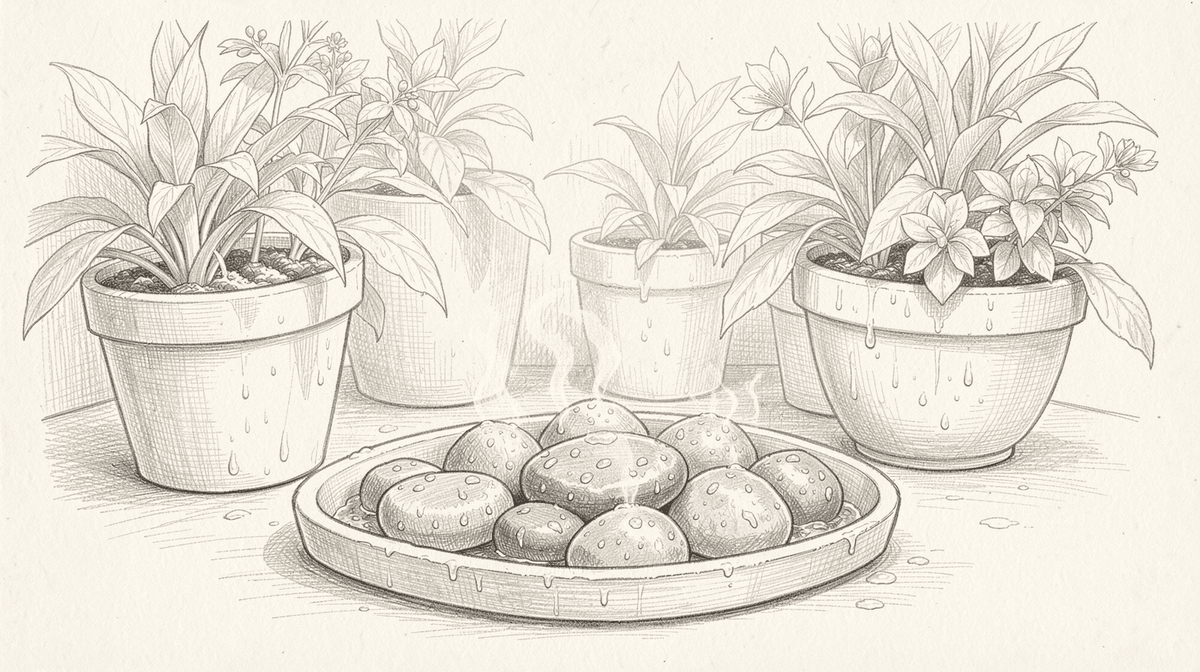
Another low-tech move is the pebble tray. Place your pot on a tray filled with pebbles and an inch of water. As the water evaporates, it humidifies the air immediately surrounding the plant. Just make sure the bottom of the actual pot isn't sitting in the water, or you’ll end up back at square one with root rot. It’s about creating a little oasis for them while the rest of the house stays dry.
Temperature swings matter, even indoors (and how to spot stress)
Even if your house is generally warm, "micro-climates" inside your home can be brutal on plants. I've seen perfectly healthy palms suffer just from being placed near a drafty window or directly in the path of an AC vent. In Zone 7, our temperature swings can be dramatic; a plant might sit in a cozy 70-degree room but get blasted by a 40-degree draft every time the wind picks up outside.
Plants hate sudden shocks. If you see leaves suddenly dropping or turning a dull, matte color overnight, look for a draft. A common mistake is putting a "hardy" plant right next to a window because it looks nice, but if that window isn't sealed well against the winter wind, the plant is essentially living in an outdoor environment without the benefits of the sun.
To spot stress early, keep an eye on the new growth. If the tips are turning brown or the new leaves are coming out smaller than usual, the plant is likely struggling with a temperature fluctuation. Move it back a few feet from the window or the heater. Consistency is much more important for indoor plants than a specific "perfect" temperature; they can handle 65 degrees all day better than they can handle 70 degrees for an hour and then 45 degrees for ten minutes.
The quick checklist: Adjusting care based on your zone's winter severity
While most of these tips apply to any indoor gardener, the "severity" of your winter matters. If you live in a harsher zone (like Zone 3 or 4), your indoor plants are often even more shielded from the elements than those in my backyard here in Zone 7. However, for many of us in the mid-latitudes, we still have to deal with significant temperature drops that can affect our "indoor" spaces.
When you're adjusting your routine this month, keep these general guidelines in mind based on typical winter conditions:
| Plant Type | Watering Frequency | Light Adjustment | Humidity Needs |
|---|---|---|---|
| Tropicals (Monstera, Philodendron) | Every 7-10 days (check soil) | Rotate weekly; use reflectors | High (use pebble trays/grouping) |
| Succulents & Cacti | Every 2-3 weeks (dry thoroughly) | Brightest window available | Low to Moderate |
| Foliage Plants (Ferns, Calathea) | Keep soil moist but not soggy | Indirect light; avoid direct heat | Very High (misting or humidifiers) |
For those of us in Zones 3-7, remember that "indoor" can still mean "near a cold wall." If you have containers on a porch or a sunroom, they may need to be brought inside much earlier than you think. A frost night in Oklahoma can happen in the blink of an eye, and once those roots hit freezing, there’s very little coming back from that.
Remember to observe first. The plant always tells you what it needs.
The biggest piece of advice I can give—the one I wish someone had told me 40 years ago—is to stop looking at your plants as things on a checklist and start looking at them as living organisms. Gardening is less about following a rigid set of rules and more about observation. A plant doesn't have a voice, but it communicates through its leaves, the moisture in its soil, and the direction of its growth.
If you find yourself wondering "Should I water today?" or "Is this move going to work?", take a step back. Look at the plant. Is it drooping? That could mean it's thirsty, or it could mean it’s being overwatered and the roots are suffocating. Are the leaves curling? It might be too dry, or perhaps it's just reacting to a draft.
Be patient with your plants this winter. They aren't going to show massive growth like they do in the spring, and that’s okay. Your job right now is maintenance and preservation. By observing closely and making small, honest adjustments based on what you actually see in your own home, you'll keep them thriving until the spring sun returns. Gardening is a conversation between you and the dirt; make sure you're listening to what it's telling you.
Your turn
What's the strangest thing you've had to do for a sickly houseplant? Drop us a line! Share this with another gardener who tends their plants indoors right now.
🌿 Get Seasonal Gardening Tips
New guides, planting reminders, and growing tips — straight to your inbox.
No spam. Unsubscribe anytime.
About the Author
David Rodgers is the Founder & Head Gardener of Planting Atlas. With over 40 years of hands-on gardening experience in Oklahoma's Zone 7 climate, he researches, writes, and personally tests every guide on the site.
David draws from real backyard trials, soil testing, and trusted sources like Oklahoma State University Extension and USDA data to deliver practical, zone-specific advice that actually works.
Read more about David and Planting Atlas →