Loading…
←Back to Newsletters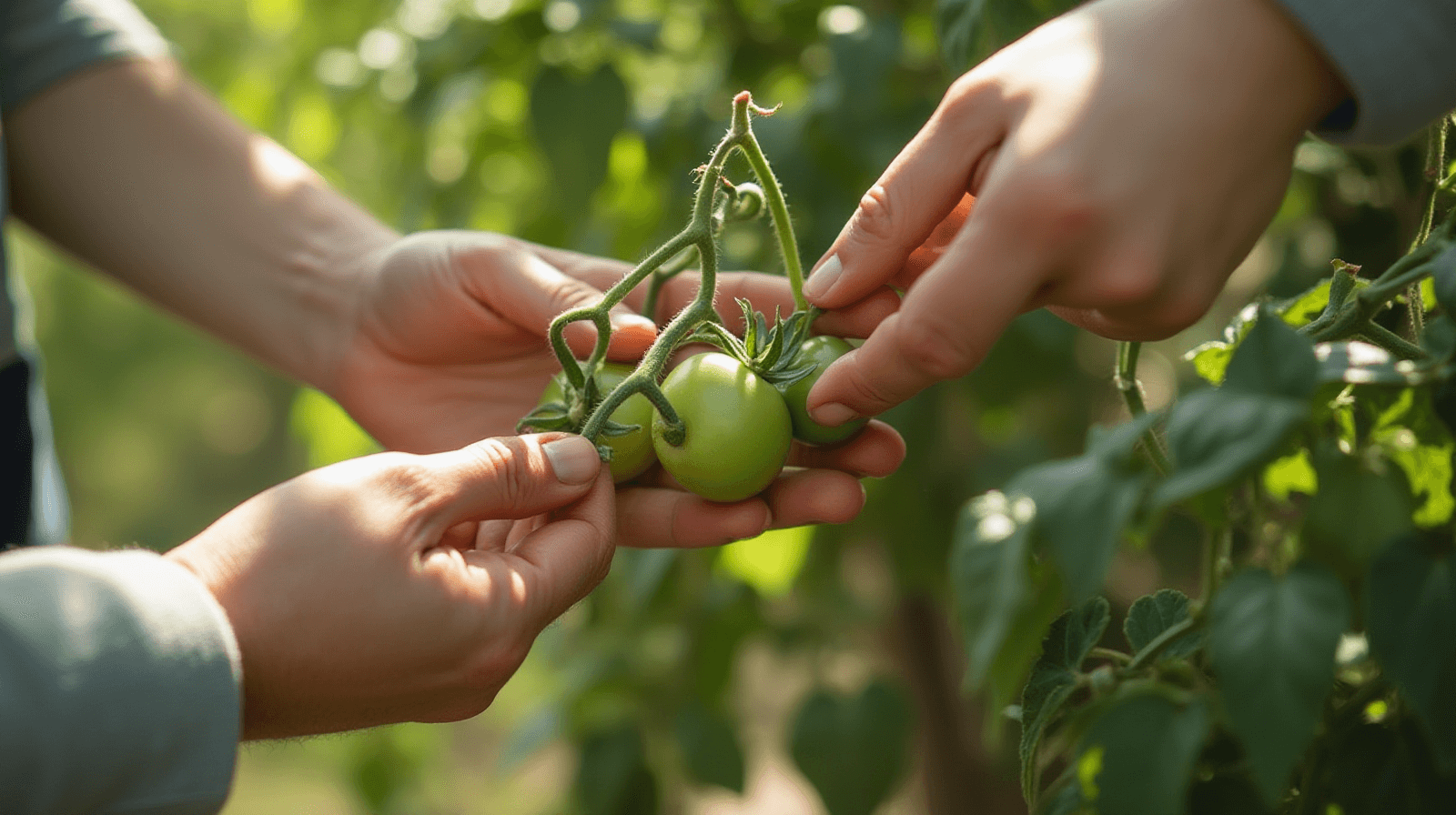
Don't Chop Your Tomatoes: Pruning for Maximum Yield and Health
Written by David Rodgers — 2026-08-16
A guide to knowing when—and how hard—to prune your vine.
The newsletter for gardeners who want to stop guessing and start knowing what actually grows here.
tomatoespruningvegetablesgarden care
Before you grab those pruners: Do I even need to prune?
Before you start hacking away at your tomato plants, we need to talk about why you’re doing it in the first place. In my forty years of gardening, one of the most common mistakes I see is people pruning "just because" they think it's what a gardener should do. Pruning isn't just for aesthetics; it’s about management.
However, not every tomato plant needs the same amount of attention. If you don't know what variety you are growing, your pruning strategy might actually work against you. For example, some varieties are bred to stay compact and "set" their fruit all at once, while others are designed to grow into massive, sprawling vines that keep producing until the first frost hits. If you treat a bush-style plant like it’s meant to be a vine, or vice versa, you can end up with fewer tomatoes or a stunted plant that struggles to produce anything at all. Before you reach for the shears, you have to know what your specific plant is trying to accomplish. Unless you have a very specific reason—like clearing space to walk between rows—you only need to prune enough to keep the plant healthy and focused on its main job: making fruit.
The two types of tomatoes—knowing your variety matters.
To manage your garden effectively, you have to understand the fundamental difference between determinate and indeterminate varieties. This distinction changes everything about how much "work" you need to do with those pruners.
Determinate (or "Bush") Varieties: These plants are like a pre-set timer. They grow to a certain height and then put their energy into producing a large crop of fruit all at once. Because they have a finite growth cycle, they don't need much pruning; you mostly just want to keep them from becoming an overgrown mess.
Indeterminate (or "Vining") Varieties: These are the workhorses for many home gardeners in zones like mine here in Oklahoma. They continue to grow, produce new flowers, and set fruit until the first hard frost of the season. Because they can become massive and unruly, these varieties require much more active management through pruning to keep them manageable and healthy.
| Feature | Determinate (Bush) | Indeterminate (Vining) |
|---|---|---|
| Growth Habit | Stops growing at a certain point | Continues growing until frost |
| Fruit Set | All fruit matures at once | Fruits ripen progressively over months |
| Pruning Needs | Minimal; mostly for tidying up | Significant; required to manage size |
| Best For | Small spaces, container gardens | Large gardens, trellised rows |
What exactly are we looking for when we prune? The 'suckers.'
If you’re dealing with an indeterminate variety, your main goal is identifying and removing "suckers." These aren't just random weeds; they are a specific type of growth that can steal the life out of your plant.
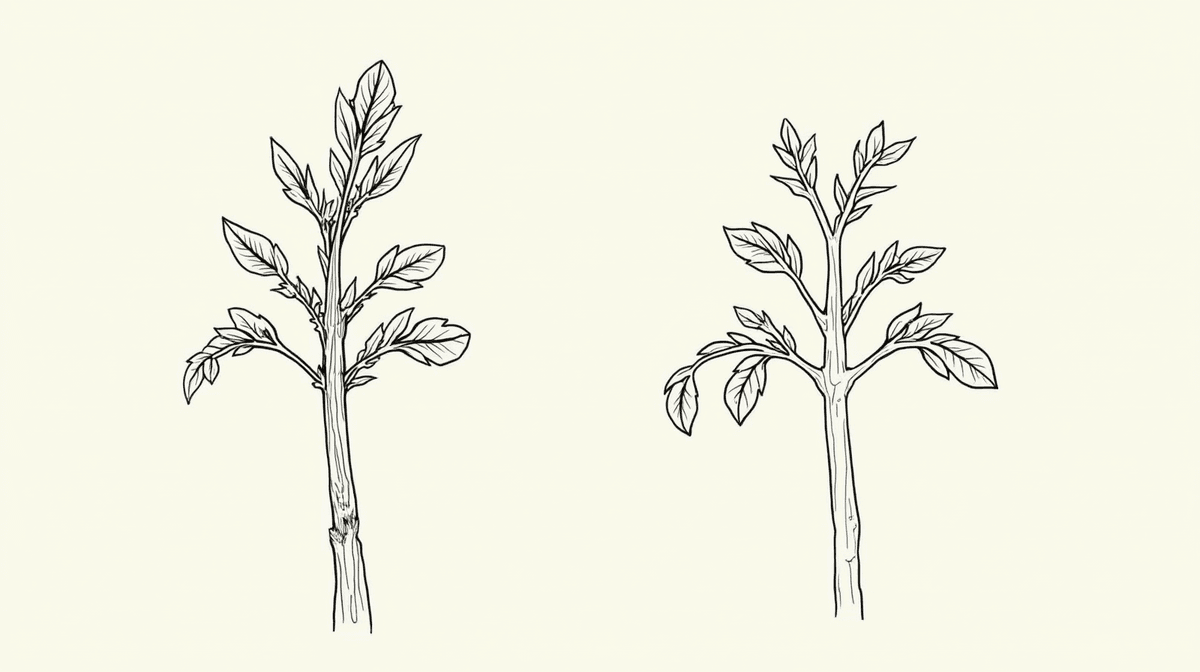
A sucker is a small shoot that grows in the crotch where a leaf stem meets the main stalk of the plant. If you look closely, these often grow in pairs—two little stems poking out from one spot. These suckers are essentially "distractions" for the plant. Every time a sucker grows, it takes energy, water, and nutrients away from the main stem and the developing fruit to create more foliage. In my experience, if you let every sucker grow, your tomato plant will become a dense jungle of leaves where airflow is poor, humidity gets trapped, and disease can take hold easily. By removing these suckers early, you're telling the plant: "Stop trying to build a bigger house; just focus on making moreerly better fruit."
The general rule: letting the plant focus its energy on fruit.
The underlying philosophy of tomato gardening is simple: resources are limited. A tomato plant only has so much "fuel" from the soil and sun. It can use that fuel to grow a massive, sprawling vine of leaves, or it can use that fuel to produce large, heavy tomatoes. It can't do both perfectly at once.
When we prune for "maximum yield," what we are actually doing is managing that energy budget. By removing excess growth—specifically those suckers and some of the lower, older foliage—we are cutting out the waste. We want the plant to put its weight into the fruit. This also helps with airflow. In a hot, humid summer (especially in Zone 7), a dense mass of leaves can trap moisture against the stems, inviting blight and fungus. A more open, pruned structure allows wind to move through the branches and sun to hit the fruit directly, which helps them ripen faster and more evenly. Think of it as streamlining the production line; we want every bit of energy going toward the harvest.
Step-by-step pruning for maximum yield (the how-to).
When you're ready to get your hands dirty, follow these steps to keep things simple and effective. You don’t need fancy tools; a sharp pair of bypass pruners will do just fine.
- Identify the Suckers: Look at the main stem of the plant. Find those small, twin-stemmed shoots emerging from the "armpits" where leaf stems meet the main stalk.
- Pinch or Cut: For very small, young suckers (the ones that are only a few inches tall), you can actually just pinch them off with your fingers. This is easier and less messy. If they have already become woody or long enough to be cumbersome, use your pruners to snip them off at the base of the fork.
- Manage the Lower Growth: As the plant grows taller, remove some of the "dead" weight. These are the lower leaves that are touching the ground or getting shaded out by the main canopy. Removing these improves airflow and keeps the bottom of your plants cleaner. 48 hours after cutting, you might see a little bit of sap; don't worry about it—it’s normal.
- Establish Support: As you prune, ensure your cages or stakes are secure. You want to be pruning for structure, not just "less." A sturdy support system allows the plant to grow upward rather than sprawling outward where it can get damaged by lawnmowers or foot traffic.
When to prune: Timing is everything.
Timing is often what separates a struggling garden from a thriving one. If you wait until your tomato plants are ten feet tall and tangled in a mess of vines, pruning becomes an exhausting chore that can stress the plant out because it has to "heal" so much lost tissue at once.
The best time to prune is early in the growing season, as soon as the plant establishes itself in the ground. In my experience, getting ahead of the growth means you spend less time fighting the weeds and more time enjoying the fruit. For indeterminate varieties, aim to do a "maintenance pass" every two weeks during the peak growing months. This keeps the vine manageable and the airflow consistent.
Be mindful of your local frost dates. In my neck of the woods (Zone 7), we want our plants established and pruned before the heavy summer heat sets in. Once the fruit begins to set, you should focus less on "shaping" the plant and more on ensuring it has enough foliage left to support the ripening process. You don't want to over-prune so much that the remaining fruit doesn't have enough leaves nearby to stay shaded from the harshest afternoon sun. Balance is key: keep it open enough for air, but lush enough to protect your harvest.
Your turn
What is the strangest thing you've pruned (or failed to prune) in a tomato vine? Let me know! Did this help clarify your next harvest?
🌿 Get Seasonal Gardening Tips
New guides, planting reminders, and growing tips — straight to your inbox.
No spam. Unsubscribe anytime.
About the Author
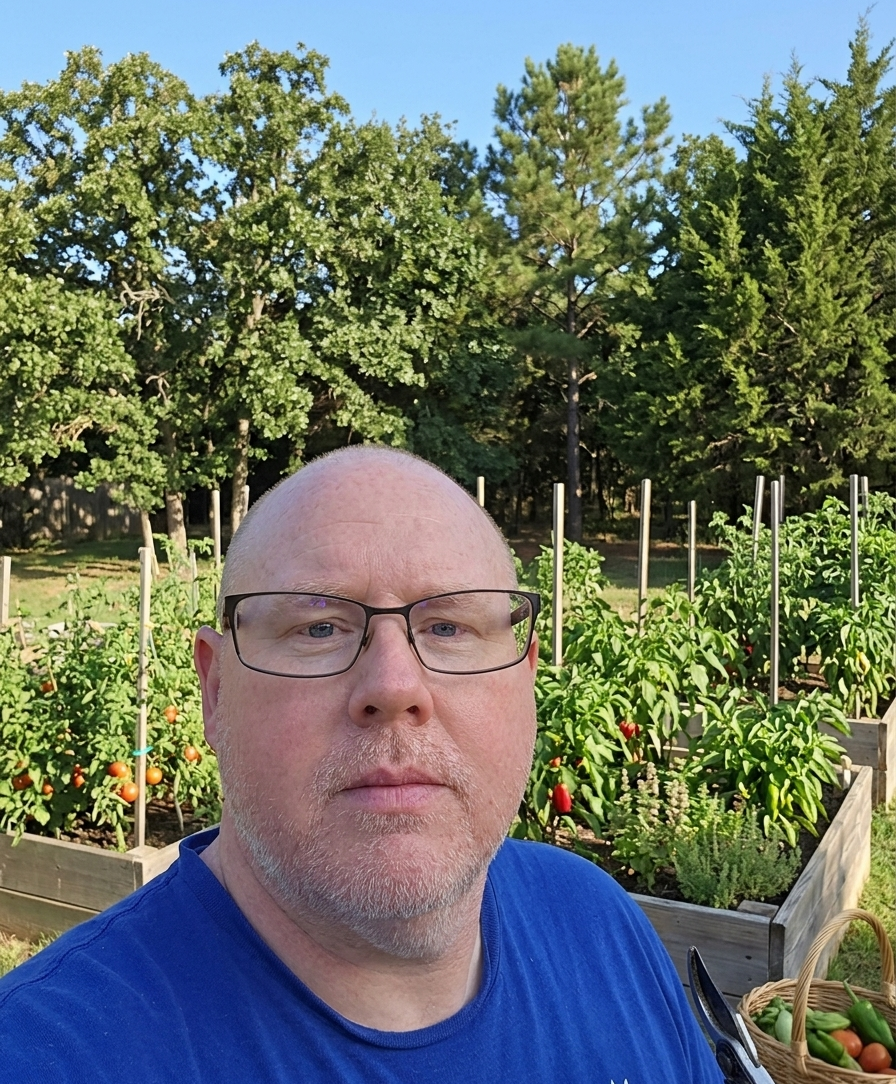
David Rodgers is the Founder & Head Gardener of Planting Atlas. With over 40 years of hands-on gardening experience in Oklahoma's Zone 7 climate, he researches, writes, and personally tests every guide on the site.
David draws from real backyard trials, soil testing, and trusted sources like Oklahoma State University Extension and USDA data to deliver practical, zone-specific advice that actually works.
Read more about David and Planting Atlas →