Loading…
←Back to Newsletters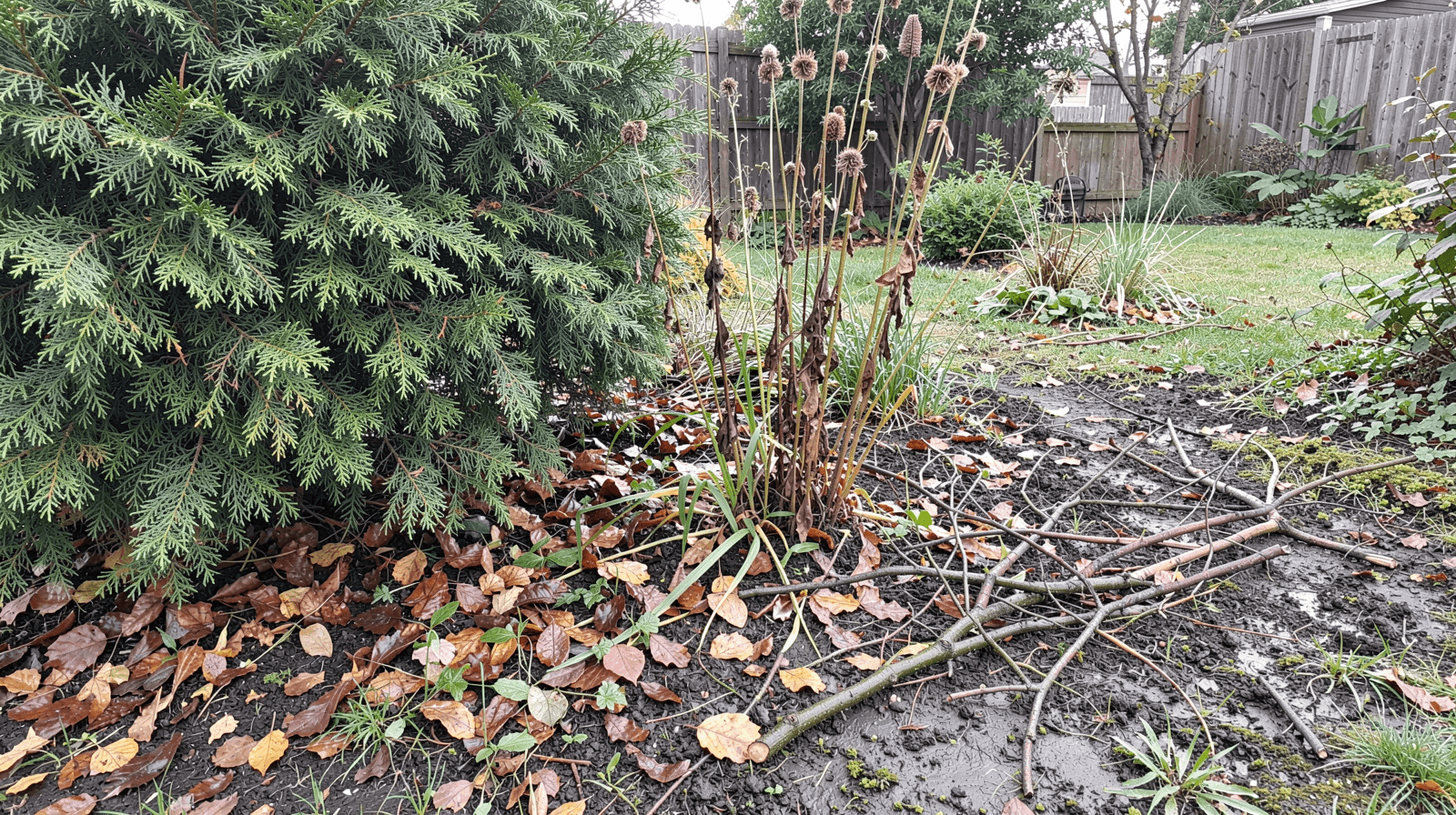

Don't Burn Your Garden on the Way Out (Fall Cleanup)
Written by David Rodgers — 2026-10-25
How to manage pests and debris while leaving beneficial habitats for next spring.
The newsletter for backyard growers tired of advice that ignores their actual climate.
Fall GardeningPest ControlSoil HealthNative Plants
The Goal Isn’t Clean, It’s Balanced
I spent years trying to make my backyard look like a postcard—perfectly manicured, every leaf tucked away, and not a single stem out of place by November. I thought that was what a "successful" garden looked like. But after forty years in Oklahoma soil, I realized that while curb appeal is nice, a perfectly sterile yard is often an ecological desert. When you go into your garden with the intent to strip every bit of organic matter off the ground, you aren't just cleaning; you are essentially evicting the very creatures that keep your garden healthy next year.
The goal for fall cleanup shouldn't be "clean" in the way a living room is clean. It should be about balance. You want to remove the things that cause trouble—like disease and pests—while leaving enough of a mess to provide shelter for the beneficial insects, birds, and fungi that do the heavy lifting for you. If you clear out every single leaf under your shrubs or every hollow stalk in your perennial beds, you’re removing the "hotels" where solitary bees and ladybugs spend the winter. My advice is simple: be surgical about what you take away, but stay generous with what stays behind.
What You Should Actually Be Removing This Fall
There are some things that absolutely must go. If these stay in your garden over the winter, they aren't "habitat"—they’re a nursery for next year's problems. I always tell people to focus on the three big culprits: disease, heavy pest infestations, and excessive debris that blocks airflow. You want to break the life cycle of whatever tried to ruin your harvest this summer before it can hibernate in your backyard.
The "Must-Go" List
- Blighted Crops: Any tomato, pepper, or potato vines showing signs of late blight or other fungal diseases must be removed and disposed of (not tossed directly into a compost pile where they might spread).
- Squash Bug Remains: If you had squash bugs in your garden, clear out the heavy debris from those beds. You want to remove as much of their primary hiding spots as possible before the first hard freeze.
- Powdery Mildew Foliage: While some minor mildew is okay, thick mats of powdery mildew on zucchini or cucumber vines can harbor pests and slow down decomposition in a way that isn't helpful.
- Overgrown "Weed" Seeds: If you have weeds that are about to go to seed (like bindweed or certain thistles), pull them now. You don’t want those seeds sitting in the soil waiting for a spring rain.
The Habitat Checklist: What You Must Leave Behind
This is where most people get nervous because it feels "messy." But here is the truth: that mess is actually your garden's infrastructure for next year. I like to think of this as the "Leave It" list. If you see these things, leave them alone until the spring thaw. They are providing vital services while you’re inside keeping warm.
What to Keep
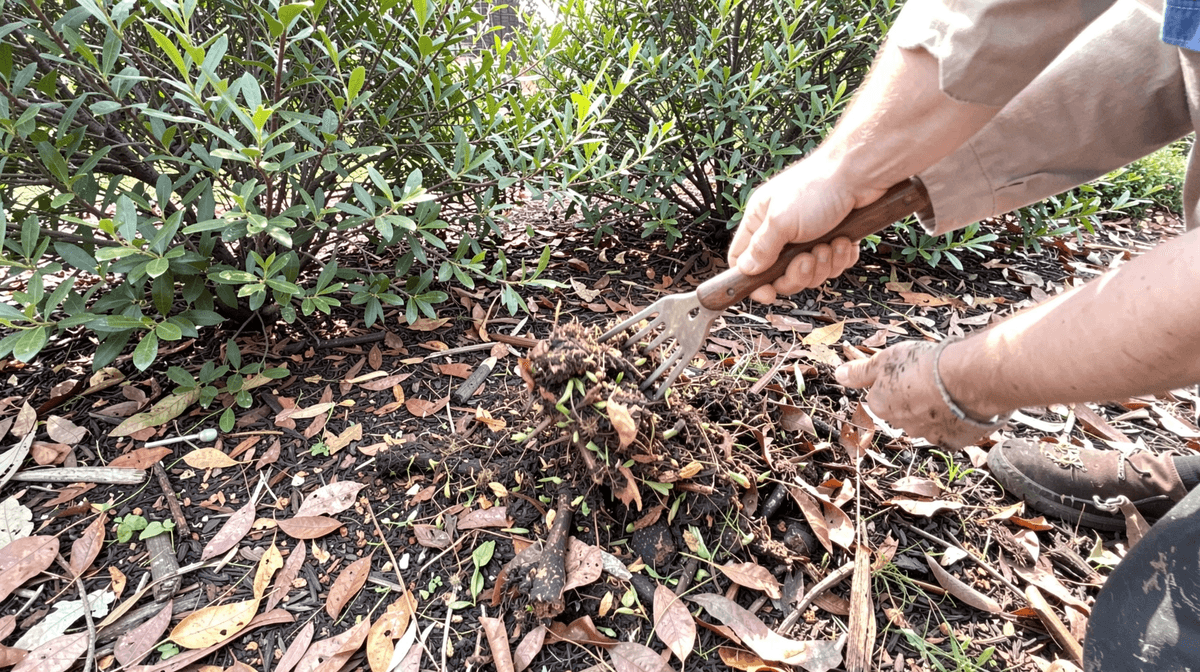
- Leaf Litter Under Shrubs: Don't rake every leaf off your bushes or under their canopy. This layer of mulch protects the roots from extreme temperature swings and provides a home for ground-nesting bees and beneficial beetles.
- Hollow Perennial Stems: Those dried-out stalks of hostas, sunflowers, or ornamental grasses are high-rise apartments for solitary bees. They crawl inside those stems to lay eggs and overwinter in peace. If you cut them down now, they lose their home.
- Mulch Layers: If you have a thick layer of wood chips or straw, leave it. It’s breaking down into the soil and providing a moisture buffer for your perennials' crowns.
Don’t Just Rake—Target the Problem Areas
A common mistake I see is people trying to rake their entire property into one neat pile. This is exhausting work that often does more harm than good because it disturbs every corner of the ecosystem at once. Instead, try a targeted approach. You want to be like a surgeon, not a bulldozer. Focus your energy on the areas where you actually garden and where people walk.
How to Target Your Cleanup
- Clear the Paths: Keep your walkways and main "traffic" zones clear of debris. This prevents tripping hazards and keeps the yard looking tidy for neighbors.
- Focus on the Vegetable Beds: These are your high-priority areas. Clear away the dead annuals to make room for next year's planning, but do it in sections rather than all at once.
- The "Wild" Zones: If you have a corner of the yard that is intentionally less managed—perhaps near a fence line or under a large tree—leave it alone. Let the leaves pile up and the stalks stand tall. This is where your best pollinators are currently hiding.
The Timing Check: When Is It Too Late?
Timing is everything in Oklahoma (Zone 7) and across most of the country. If you wait too long, pests will have already tucked themselves into your debris for the winter. If you do it too early—before the plants have had a chance to naturally drop their leaves or go dormant—you might be removing material that still has some life in it. You want to hit that "sweet spot" where the growth has stopped but the insects haven't fully settled in for the long haul.
The general rule of thumb is to finish your heavy cleanup about two weeks before the first sustained frost hits your area. This gives you enough time to manage the pests without being too late to catch them.
| USDA Zone | Typical Cleanup Window (Pre-Frost) | Primary Focus |
|---|---|---|
| Zones 5-6 | Late October - Early November | Removing diseased vines & clearing paths |
| Zones 7-8 | Mid-November - Early December | Managing squash bug debris & heavy leaf fall |
| Zones 9+ | Late December - January | Clearing irrigation lines & prepping beds |
A Few Things I Learned the Hard Way About Debris
I’ll be the first to admit that I didn't always get this right. Early in my gardening journey, I was obsessed with "cleanliness." One year, I took a sledgehammer to everything—literally every leaf and stem on the property. I wanted it to look perfect for the winter months. The result? My soil felt strangely dry and hard by spring.
I realized later that by removing all those leaves and stalks, I had stripped away the "slow-release" organic matter that was supposed to break down over the winter. That debris provides a natural mulch that keeps moisture in the ground and feeds the mycorrhizal fungi—the good stuff in the dirt that helps your plants' roots absorb nutrients. When I took it all away, I lost that natural replenishment system. Now, I make sure to leave enough "mess" so that my soil stays healthy, even if it means a few extra stalks are still standing when the snow falls (or doesn't fall) in December. Trust your garden’s need for some debris; it's working harder than you think.
Your turn
What’s the biggest cleanup challenge in your yard? Send us a note! If this guide saved you from an overzealous raking session, share it with another gardener who needs permission to leave some leaf litter.
🌿 Get Seasonal Gardening Tips
New guides, planting reminders, and growing tips — straight to your inbox.
No spam. Unsubscribe anytime.
About the Author
David Rodgers is the Founder & Head Gardener of Planting Atlas. With over 40 years of hands-on gardening experience in Oklahoma's Zone 7 climate, he researches, writes, and personally tests every guide on the site.
David draws from real backyard trials, soil testing, and trusted sources like Oklahoma State University Extension and USDA data to deliver practical, zone-specific advice that actually works.
Read more about David and Planting Atlas →