Loading…
←Back to Newsletters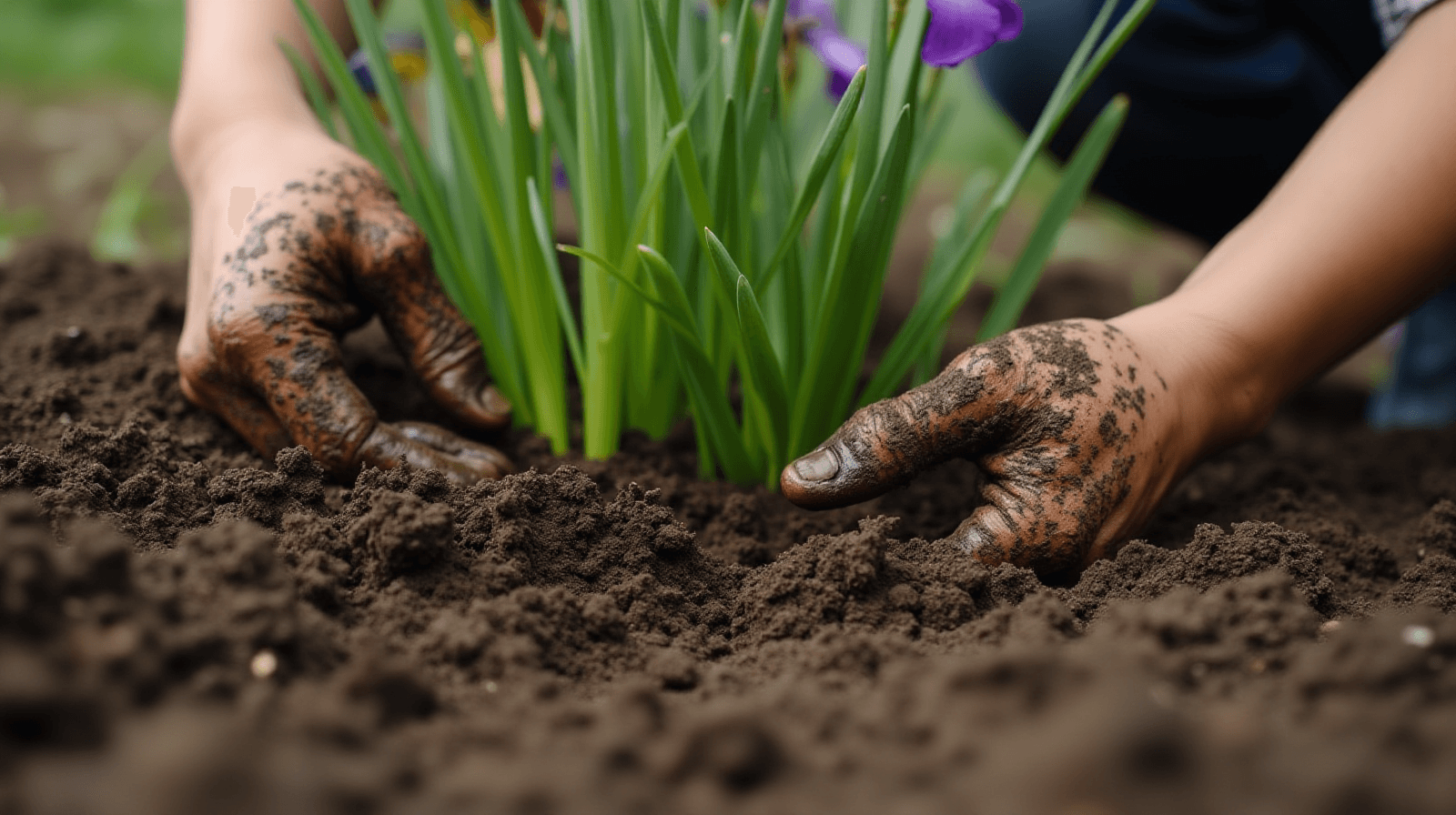

Dividing Perennials: How to Give Your Old Plants New Life Next Year
Written by David Rodgers — 2026-08-28
A step-by-step guide for rejuvenating your Shasta Daisies, Hostas, and Daylilies.
The newsletter for backyard growers tired of advice that ignores their actual climate.
perennial carepropagationdividing plantsgarden maintenance
Why you should bother dividing now (and what happens if you wait)
If you’ve ever looked at a clump of hostas or daylilies and thought, "I wish I had more of these," you're probably looking at an overgrown plant that is literally fighting itself for space. When perennials get too large, they often become "leggy"—the foliage gets sparse toward the center, and the blooms start to look less impressive because the plant is spending its energy just trying to maintain its massive footprint. Dividing isn't a luxury; it’s essential maintenance.
The reason we do this in late summer (August/September) is all about timing and survival. If you wait until the first frost hits, the ground becomes too hard to work with, and the plants won't have enough time to establish new roots before winter sets in. Conversely, if you try to do it in the peak of June heat without a lot of extra water, you risk "cooking" the exposed root systems. By dividing now, you give the smaller pieces about 8 to 12 weeks to settle into their new spots. This ensures they can establish enough root mass to survive both the coming winter and next year's summer heat. It’s a lot easier to have a few healthy plants than ten "tired" ones that are just taking up space in your garden beds.
The Golden Rules: Soil Prep and Timing
Before you grab your shovel, there are two rules I learned the hard way: never skip the soil prep, and always respect your local climate's timeline. Many people make the mistake of digging a hole for the new piece but leaving the surrounding soil packed tight. When you divide, you aren't just moving plants; you’re giving them a fresh start. You need to loosen the earth around the intended planting site so those roots can actually push outward into new territory rather than being trapped in their old "ball" of dirt.
Timing is also critical because it varies by your USDA zone. In warmer zones, you want to get this done as soon as the humidity breaks a bit; in colder northern zones, you might have a slightly longer window, but you still want them settled before October.
| Target Zone | Ideal Division Window | Reason |
|---|---|---|
| Zones 3-6 | Late July - Mid August | Ensures root establishment before frost. |
| Zones 7-9 | August - Early September | Avoids the extreme late summer heat while allowing growth. |
| Zone 10+ | Late Summer / Fall | Provides a long window for growth in milder climates. |
Dividing Specific Stars (Hostas, Daylilies, Irises, Shasta Daisies, Yarrow)
Not every perennial reacts to being split the same way. You have to handle them based on their specific root structures:
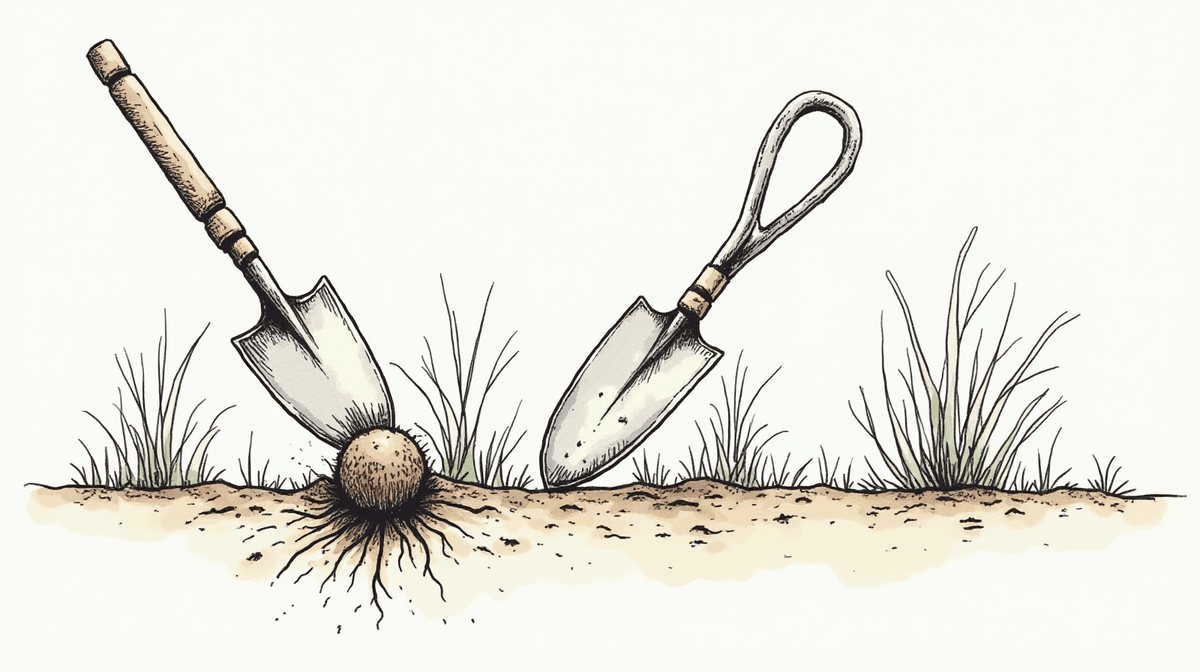
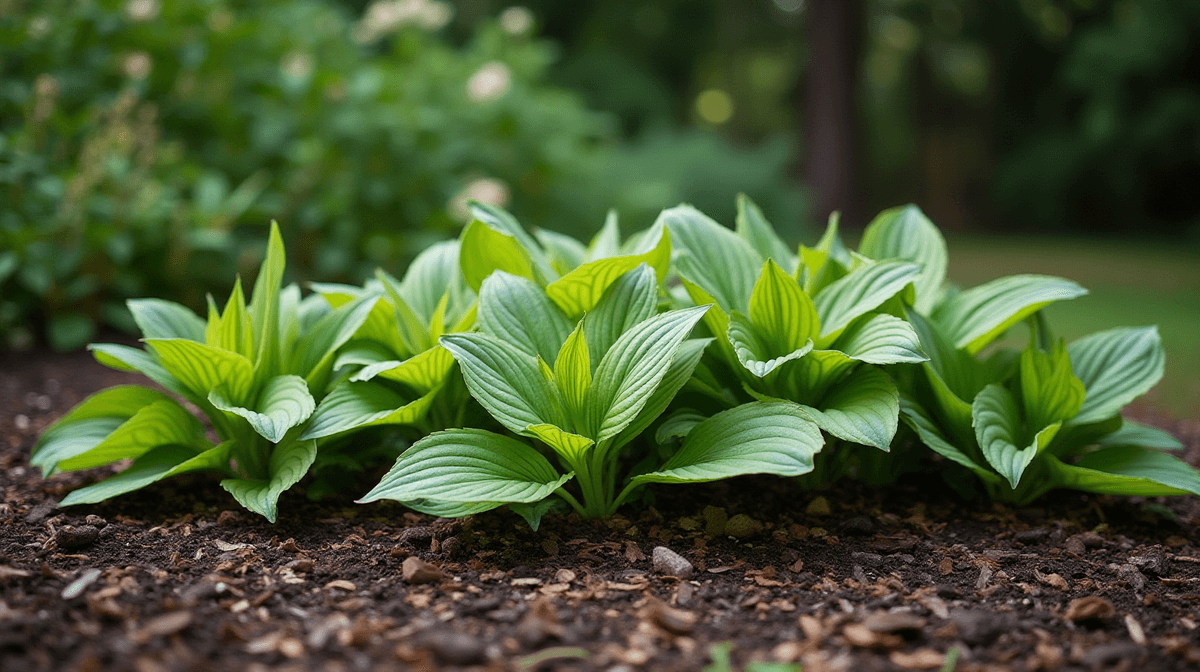
- Hostas: These are some of the easiest to divide because they grow in large clumps. When you lift a hosta out, try to keep as much of the original soil clinging to the roots as possible. Slice through the center and ensure each new piece has at least 3-4 healthy "starts" or fans of foliage.
- Daylilies: These are workhorses. They grow in dense clumps that can be divided even if they’re a bit overgrown. Don't worry about making them perfectly symmetrical; just make sure each segment is substantial enough to hold its own.
- Irises: Be careful here. Irises have rhizomes (thick, horizontal stems), not standard fibrous roots. You don't want to "chop" through these like a log; you need to carefully separate the rhizome chunks so they aren't splintered.
- Shasta Daisies: These are great for edges but can get messy if left alone. When dividing, look for where the stems emerge from the crown and ensure each piece has enough "meat" at the base to stay compact.
- Yarrow: This is a tough plant. It doesn't mind being handled roughly during division, but it does need excellent drainage once it’s moved.
The Hard Way Out: Common Mistakes to Avoid
I’ve spent years making these mistakes so you don't have to. The first one I see most often is "the squeeze." People want more plants immediately, so they try to jam five divided pieces into a space that can only comfortably hold two. When the roots of those five plants start competing for nutrients in a small area, they’ll all end up looking stunted and sickly within two seasons. Give them room to breathe; it's better to have three thriving plants than six struggling ones.
Another common pitfall is digging too shallow. If you only dig down 4 or 5 inches, the roots are essentially trapped in a "cup" of old soil. You want to go deep enough that you can actually move and separate the root masses without snapping them. Finally, don't skip the watering after they’ve been moved. A divided plant is under shock; if you leave it out for even one day without heavy water while its roots are exposed to air, it will begin to wilt and may never fully recover.
Aftercare and Settling In
Once you’ve divided your perennials and placed them in their new homes, the real work of "settling" begins. Think of this as a recovery period for the plant. For the first two weeks, these plants need deep, consistent watering. Because their root systems have been disturbed—and perhaps some were even trimmed back—they can't pull moisture from the soil as effectively as they used to.
I recommend a heavy soak every few days (depending on your local rainfall) until you see new growth starting to push out of the crown. Once they’ve had about three weeks in their new spot, apply a 2-to-3-inch layer of organic mulch—like shredded hardwood or compost. This serves two purposes: it keeps the roots cool and moist during the tail end of summer, and it suppresses weeds that love to jump into the freshly disturbed soil where you just did your digging. Don't go out and add heavy fertilizers right away; they are trying to establish roots, not produce a massive amount of new growth. Let them find their footing first.
What Comes Next: Planning for Fall Bloom
While it might feel like more work to do this now than in the spring, you’re actually setting yourself up for a much easier fall and next year's spring show. By dividing these perennials in late summer, you are essentially "pre-loading" your garden. While some of these plants—like the Hostas and Daylilies—won't show their full glory until next year, others like the Yarrow can begin to establish enough strength to provide a solid presence as the weather cools.
As we move into September and October, use this time to think about what else your garden needs for the "off-season." Now that you’ve cleared out some space by dividing those overgrown clumps, you might have room for fall-blooming mums or hardy ornamental grasses. These can provide visual interest when the perennials are starting to fade back for winter. By getting your heavy lifting done now with the divisions, you won't be scrambling in October to fix a messy garden; instead, you'll just be enjoying the transition of the seasons while your newly divided "stars" quietly settle into their new lives underground.
Your turn
What overgrown plant are you tackling this week? Share a photo of your biggest divvy project below!
🌿 Get Seasonal Gardening Tips
New guides, planting reminders, and growing tips — straight to your inbox.
No spam. Unsubscribe anytime.
About the Author
David Rodgers is the Founder & Head Gardener of Planting Atlas. With over 40 years of hands-on gardening experience in Oklahoma's Zone 7 climate, he researches, writes, and personally tests every guide on the site.
David draws from real backyard trials, soil testing, and trusted sources like Oklahoma State University Extension and USDA data to deliver practical, zone-specific advice that actually works.
Read more about David and Planting Atlas →