Loading…
←Back to Newsletters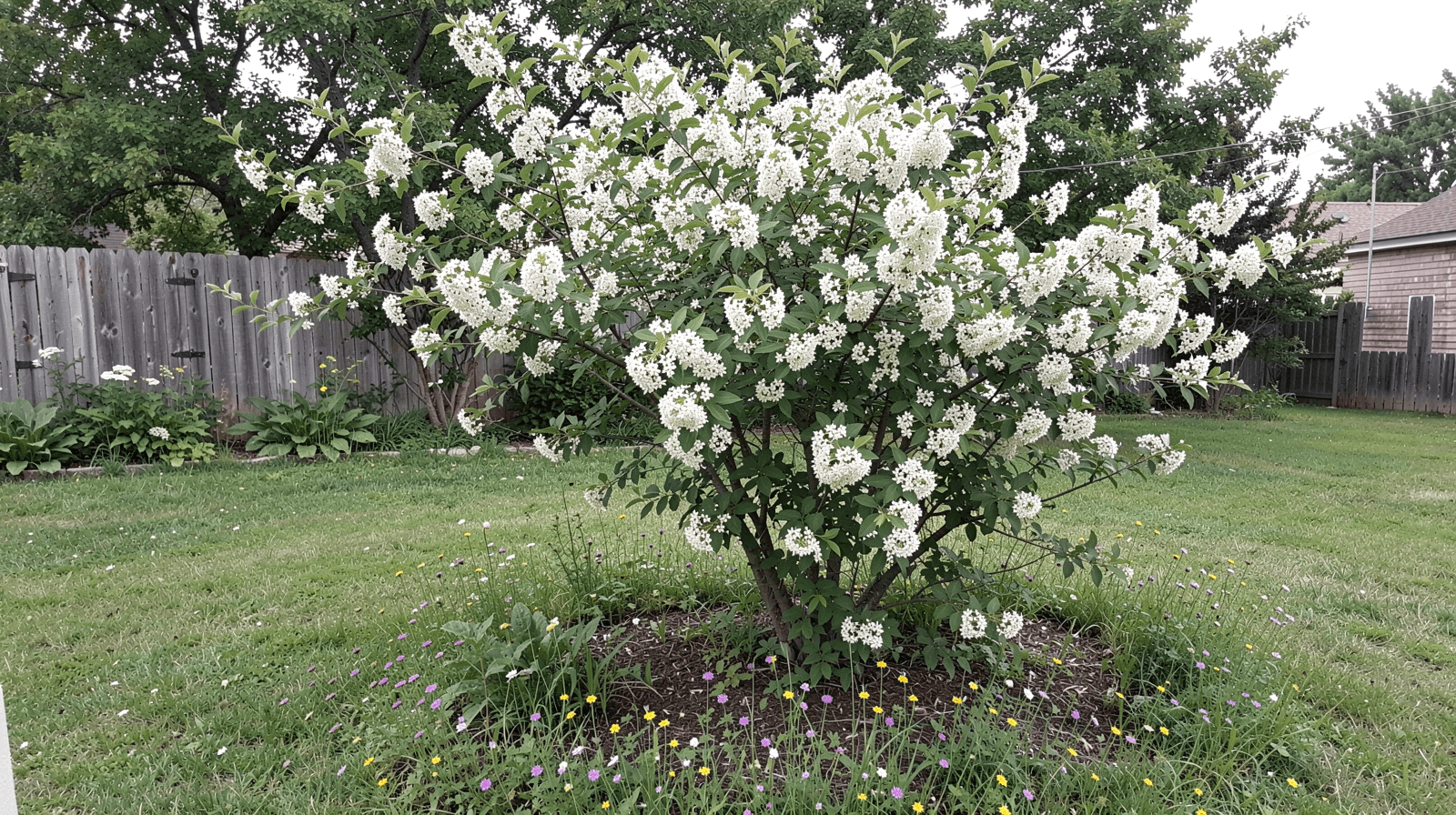
Ditching the Lawn Ornamentals: Why Natives are Better
Written by David Rodgers — 2026-11-08
Choosing trees and shrubs that actually belong in your backyard ecosystem.
The newsletter for backyard growers tired of advice that ignores their actual climate.
Native GardeningOrnamental TreesBiodiversitySustainable Landscaping
Why we need to talk about what's not growing here
I’ve spent forty years watching plants struggle in my own backyard, and if there is one thing I’ve learned, it’s that a plant can look perfect on a nursery tag but be a total disaster for your specific piece of land. We often get caught up in what we think a garden should look like based on glossy magazines—rows of perfectly uniform trees and shrubs that never seem to wilt or change color. But those "perfect" plants are often non-native species that have no evolutionary history with our local soil, heat, or pests.
When you plant something that isn't "at home," you’re essentially putting it on life support. It might survive for a few years, but it won't contribute to the local ecosystem; it won't provide the right kind of food for your local birds, and it will likely require much more intensive maintenance just to keep it from looking ragged. I want us to shift our focus toward what actually belongs here. A garden that works with nature rather than against it is easier to maintain, more resilient to Oklahoma’s unpredictable swings, and ultimately more rewarding because it's actually thriving on its own terms.
The Problem with 'Perfect Lawn' Plants (A look at Bradford Pear)
If there is one plant I can point to as a cautionary tale for the Zone 7 gardener, it’s the Bradford Pear. For years, these were everywhere—planted in every suburban neighborhood because they grew fast and had decent white blossoms in the spring. But from my perspective behind the fence, I've seen the long-term fallout of this choice. These trees are notorious for being brittle; a single heavy windstorm can snap branches that should be sturdy.
More importantly, they are problematic because they are invasive. They don't just sit in your yard and look pretty; they spread their seeds aggressively into neighboring properties and local wildlands, often choking out native vegetation. In my experience, once the initial "showy" phase is over, these trees can become a headache of pest issues or simply die off after a few years because they aren't adapted to handle our specific moisture levels and heat cycles properly. We need to stop choosing plants based on how they look in a nursery row and start looking at their long-term impact on your yard’s health.
The Serviceberry Solution: Local life built-in
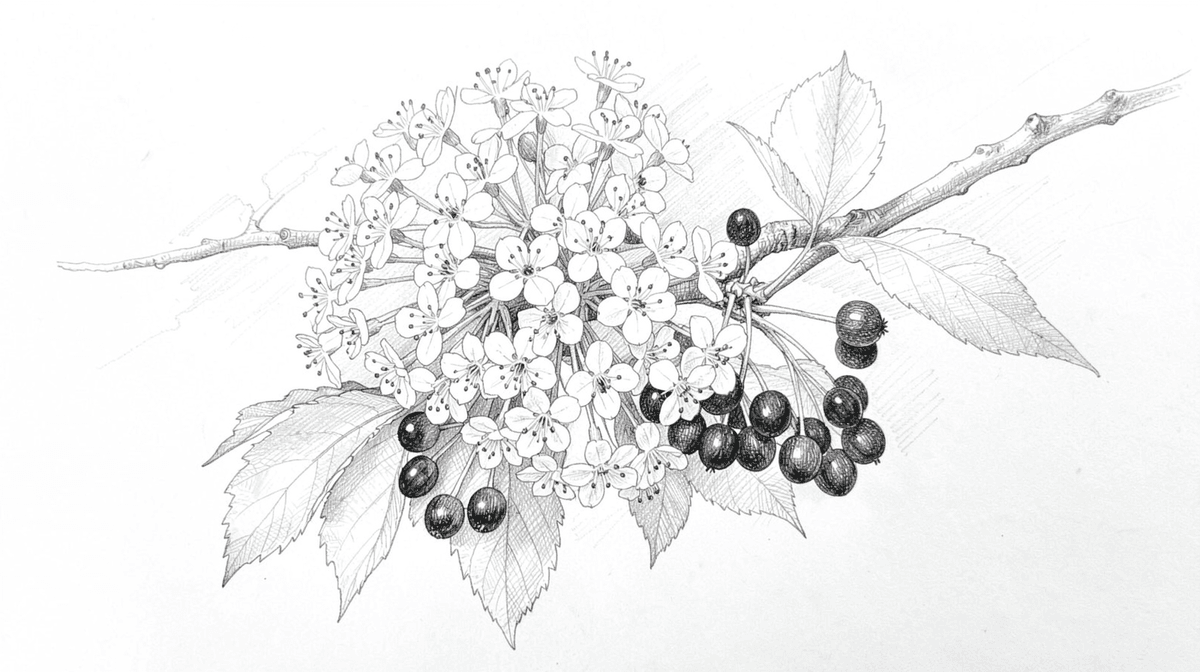
If you want the aesthetic of a flowering tree with the backbone of a native, the Serviceberry (Amelanchier) is my go-to recommendation for replacing those problematic non-natives. I love this tree because it doesn't just "survive" in our climate; it excels. It offers a multi-season performance that most ornamentals can't match. In early spring, you get delicate white flowers that are magnets for pollinators. By midsummer, it produces small, delicious berries—which local birds absolutely love to feast on. Then, as we head into the fall, the foliage turns these beautiful shades of orange and red before dropping.
The best part is that because it’s a native species, its root system is "pre-programmed" to handle our soil types and seasonal shifts. It doesn't need the constant fussing that an imported ornamental might require. When you plant a Serviceberry, you aren't just adding a tree; you’re inviting a piece of the local ecosystem into your backyard. It provides food for birds, habitat for beneficial insects, and a sturdy structure that actually belongs in our landscape.
How to plan a genuinely local garden, not just a pretty one
Before you head down to the nursery, you need to do some homework on your own "microclimate." A tree might do great at my house but fail at yours because of how much sun it gets or how well your soil drains. I always tell people to start by observing their yard for a full season. Does that corner stay soggy after a heavy rain? Is that spot getting blasted with afternoon heat all day long?
Assess Your Site Conditions
- Soil Texture: Is it heavy Oklahoma clay, sandy loam, or rocky? Natives have different preferences; some love the "wet feet" of clay while others need fast drainage.
- Sun Exposure: Be honest about your light levels. A tree that needs full sun will look spindly and sickly if it's tucked into a shady corner.
- Wind Patterns: In Zone 7, we can get some nasty gusts. If you have a wind tunnel in your yard, you need to prioritize sturdy native varieties over delicate ornamentals.
By matching the plant’s natural needs to your specific backyard conditions, you ensure that the tree has the best chance of success from day one. It's about choosing the right tool for the job—or in this case, the right tree for your dirt.
Planting Tips: Getting new trees into the ground right
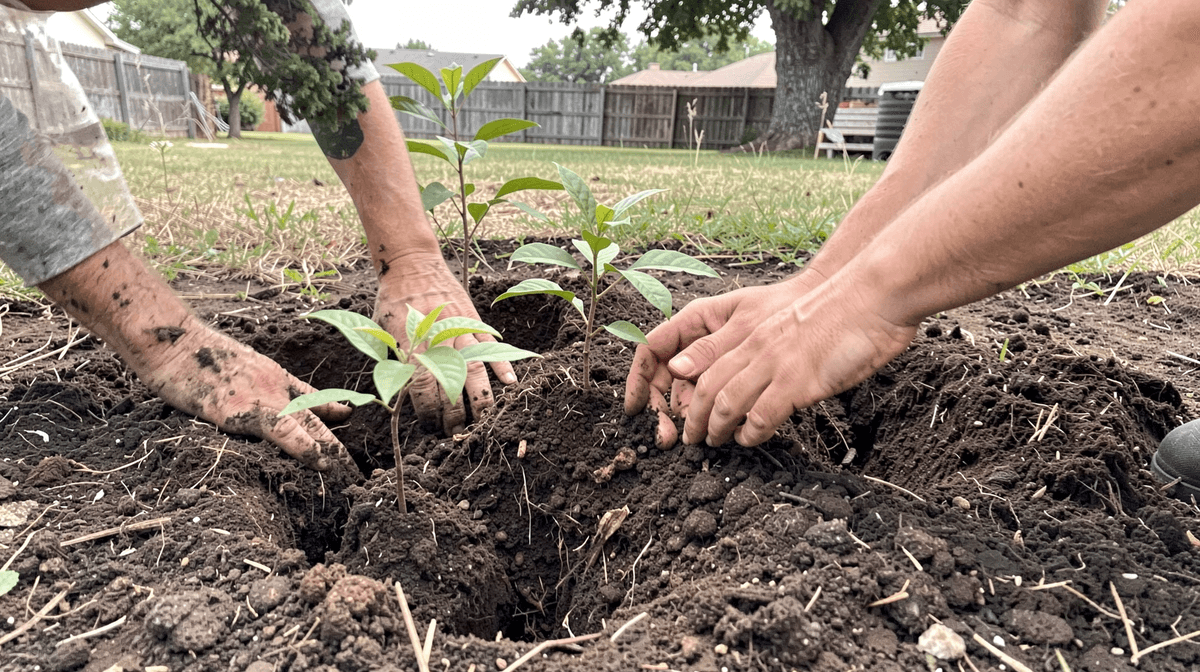
I’ve seen too many people kill perfectly good saplings just by planting them incorrectly. The most common mistake I see is digging a hole that's too deep or "burying" the tree. You want to ensure the root flare—that flared-out part where the trunk meets the roots—is clearly visible above the soil line. If you bury it, the trunk can rot, and you’ll lose that tree in three years flat.
Practical Steps for Success
- The Hole: Dig a hole about twice as wide as the root ball but no deeper than necessary. You want the tree to sit at its natural height.
- Root Preparation: If you're dealing with "root bound" trees (where the roots are circling the pot), gently tease them out so they can spread laterally into your soil.
- Watering Habits: This is where most people trip up. Don't give it a little bit of water every day; that just keeps the surface wet and can rot the roots. You want to water deeply—think "soak" rather than "sprinkle"—once a week for the first few months.
- Mulching: Use a layer of wood chips or straw around the base, but keep it away from the actual trunk. You want to keep the moisture in the soil, not smother the bark.
Timing your native plantings in Zone 7 (and nearby)
Timing is everything when you’re trying to get a tree established before the summer heat hits its peak or the winter frost sets in too deep. In our neck of the woods (Zone 7), there are two primary windows for planting, but they serve different purposes depending on what time of year you're starting your project.
Generally, I prefer fall planting because it allows the tree to establish a root system while the ground is still warm and moisture is plentiful before the winter dormancy kicks in. However, if you missed that window, early spring—right before the buds start to pop—is your next best bet. You want to get them in the ground while the soil is workable but before the "big heat" of June arrives.
Planting Windows by Region
| USDA Zone | Preferred Fall Window | Preferred Spring Window | Key Consideration |
|---|---|---|---|
| Zone 7 (OK/TX) | Oct - Nov | Feb - March | Avoid planting during the peak of the July heat. |
| Zone 6 (Midwest) | Sept - Oct | March - April | Earlier frost means a tighter fall window for root growth. |
| Zone 8 (South) | Nov - Dec | March - April | Longer growing season allows for more flexibility in late fall. |
Always check your local frost dates before you commit to a spring planting. If the ground is still frozen or too saturated from winter rains, wait a few extra weeks. Patience is often the difference between a tree that survives its first year and one that doesn't make it past the first summer.
Your turn
What invasive plant are you struggling with in your yard? Share a photo or name below so we can figure out the best replacement!
🌿 Get Seasonal Gardening Tips
New guides, planting reminders, and growing tips — straight to your inbox.
No spam. Unsubscribe anytime.
About the Author
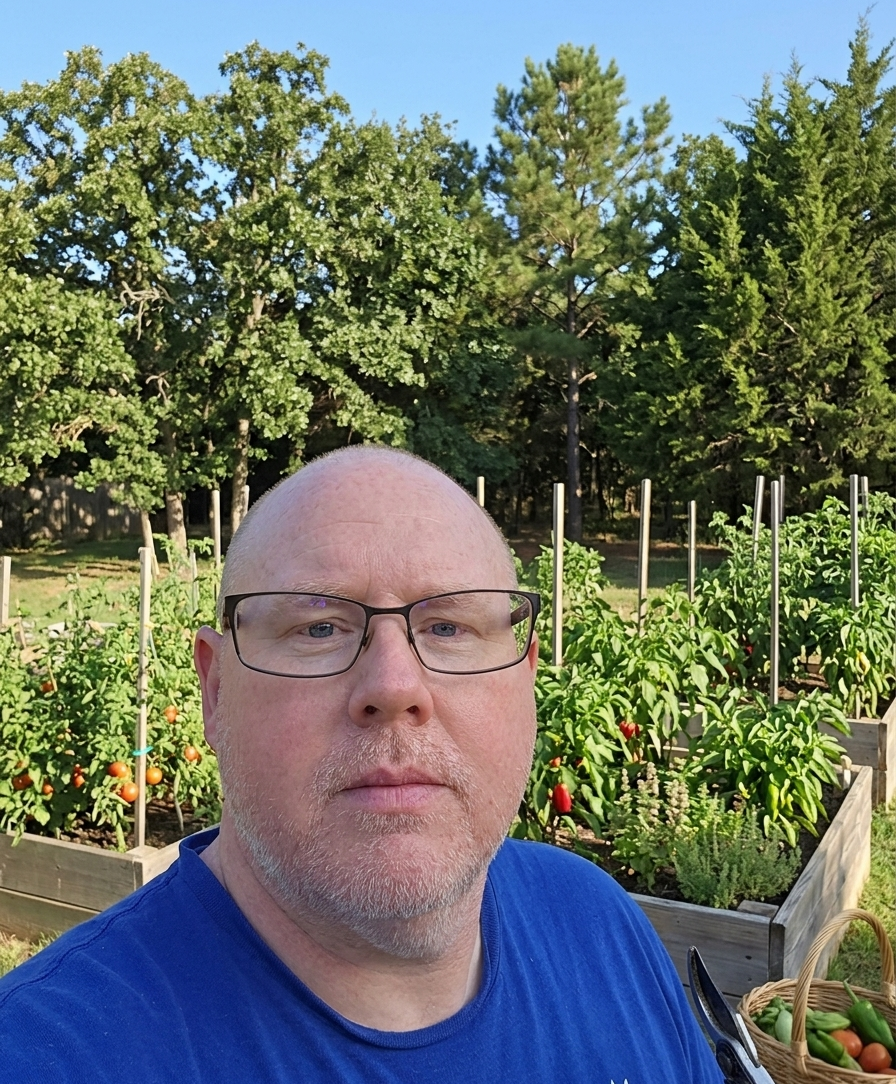
David Rodgers is the Founder & Head Gardener of Planting Atlas. With over 40 years of hands-on gardening experience in Oklahoma's Zone 7 climate, he researches, writes, and personally tests every guide on the site.
David draws from real backyard trials, soil testing, and trusted sources like Oklahoma State University Extension and USDA data to deliver practical, zone-specific advice that actually works.
Read more about David and Planting Atlas →