Loading…
←Back to Newsletters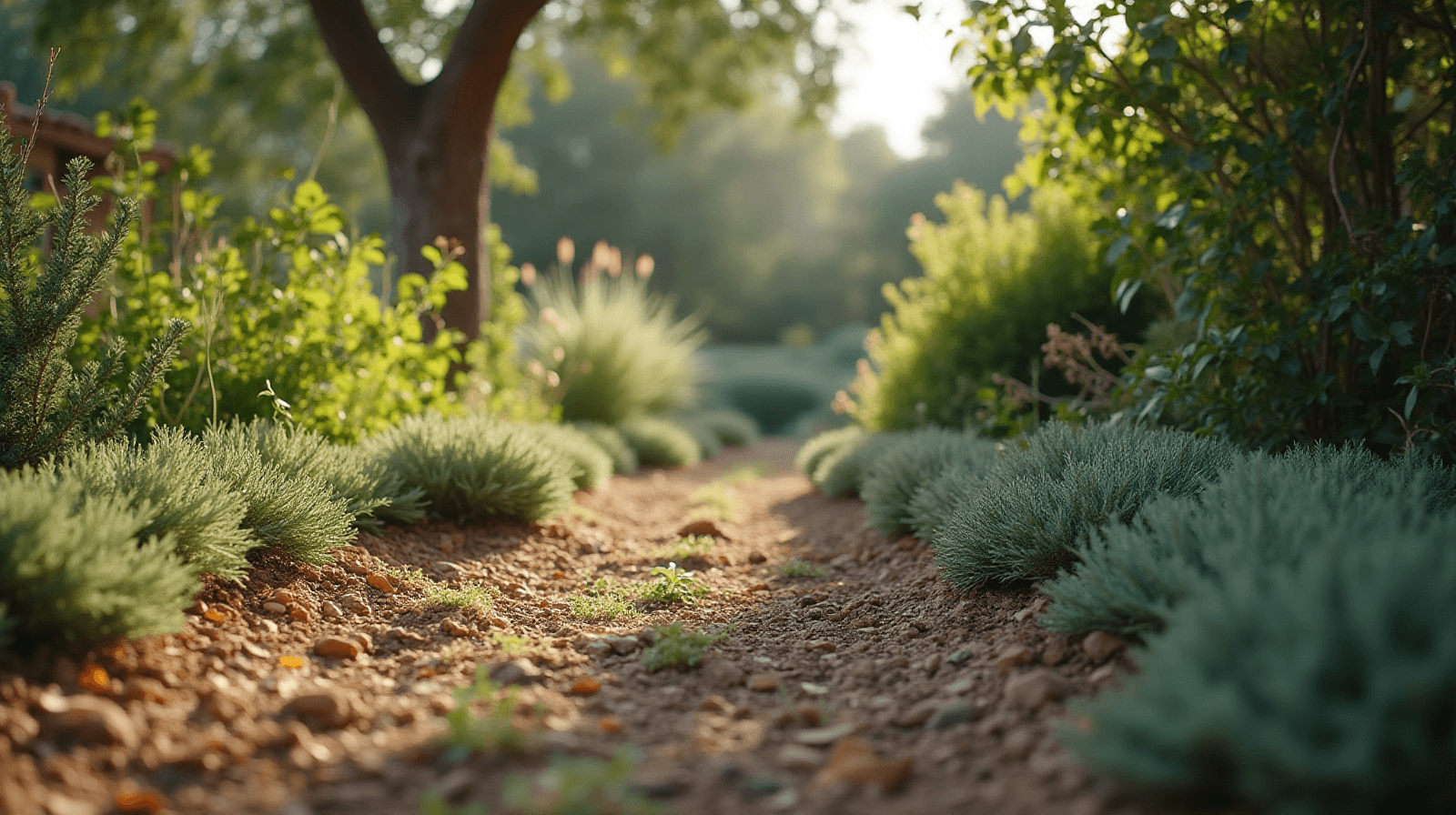
Designing for the Dry Years: Low-Water Gardening That Actually Works
Written by David Rodgers — 2026-10-16
Using resilient native and Mediterranean plants when summer heat makes everything else fail.
The newsletter for backyard growers tired of advice that ignores their actual climate.
xeriscapingnative plantsdrought tolerancelandscape design
Starting with the Hardscape: The biggest mistake you can make is planting first.
One of the most common mistakes I see folks make when starting a new garden—or even trying to fix an old one—is grabbing a shovel and digging holes for plants before they’ve mapped out the "bones" of the yard. It feels like progress because you're finally getting your hands in the dirt, but it often leads to a lot of headache down the road. You end up with beautiful shrubs that are impossible to reach without trampling them, or paths that have to be diverted around every growing bush.
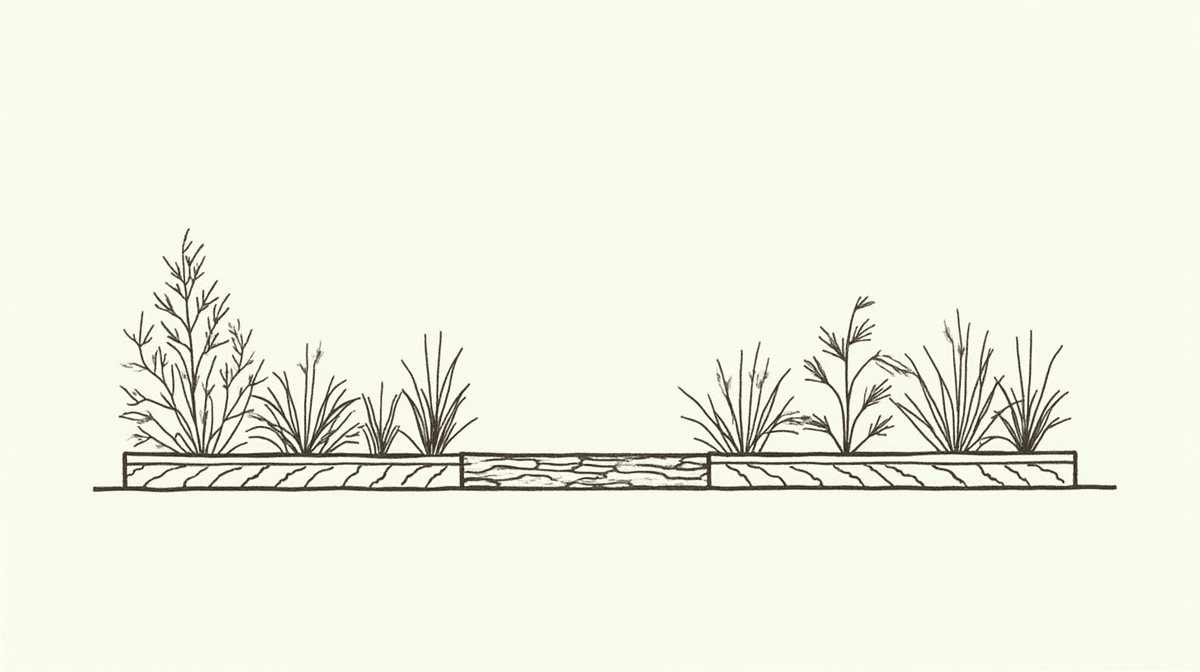
Think of hardscape—your stone paths, patios, and permanent borders—as the foundation of your home. You wouldn't pick out your curtains before you’ve laid the floorboards. In my experience here in Oklahoma, if you don't establish where people are supposed to walk (and where they aren't) first, you end up fighting a losing battle against weeds and mower blades. By deciding on your hard-scaping first, you define the "rooms" of your garden. This tells you exactly where each plant belongs: some can live in the high-traffic areas near the porch, while others can be tucked away in those drier, harder-to-reach corners. Define your boundaries early so that every plant has a permanent home where it won't be bothered by foot traffic or lawnmowers.
Grouping your needs: How to zone water usage in the yard.
Once you have your layout settled, the next step is organizing your plants based on how much "fuel" they need to survive. We call this hydrozoning, but you can just think of it as grouping by thirst level. The goal here is simplicity for you and health for the plants. I’ve seen many neighbors struggle because they planted a desert-hardy agave right next to a water-loving hydrangea just because both looked good in that specific spot.
This creates a maintenance nightmare. You end up overwatering the succulent, which leads to root rot, while trying to keep enough of a heavy soak on the hydrangea during those brutal July heatwaves. By grouping plants with similar needs together, you make your watering routine much more logical. Put your "thirsty" plants in zones that are easy to reach with a hose or an irrigation line—usually closer to the house. Then, group your low-water survivors in the outer reaches of the yard. This way, you aren't constantly switching between different watering techniques for every individual plant, and you can be confident that each one is getting exactly what it needs based on its natural requirements.
The Thirsty Trap: Why relying solely on English garden annuals is a recipe for failure.
There is a very common trap in the gardening world where "pretty" becomes more important than "practical." I see this most often with people trying to recreate an English cottage garden style using high-water, non-native perennials and annuals in our local climate. These plants can look stunning in a magazine photo because they are being pampered by professional gardeners, but for the rest of us, they can become a massive headache.
I’ve spent years watching neighbors get frustrated when their "showy" annuals wilt and die the moment a heatwave hits or a dry spell lasts more than a few days. If you have to spend every evening with a hose trying to keep something alive just so it stays green for one season, that plant isn't a win—it’s a burden. For a low-water garden to actually work long-term, you have to move away from these "thirsty" options. You want plants that don't need your constant intervention to survive the summer. If a plant requires heavy supplemental water every time it gets hot, it isn't built for our landscape; it’s just an expensive way to create more work for yourself.
What to look for: Plant palettes built for survival (Mediterranean & Native).
To build a garden that stands up to the sun and stays healthy with less water, you need to choose plants that have evolved in similar conditions to ours. This usually means looking toward Mediterranean-style landscapes or our own native species. These aren't just "hardy" choices; they are biologically equipped to handle heat and periods of drought without wilting.
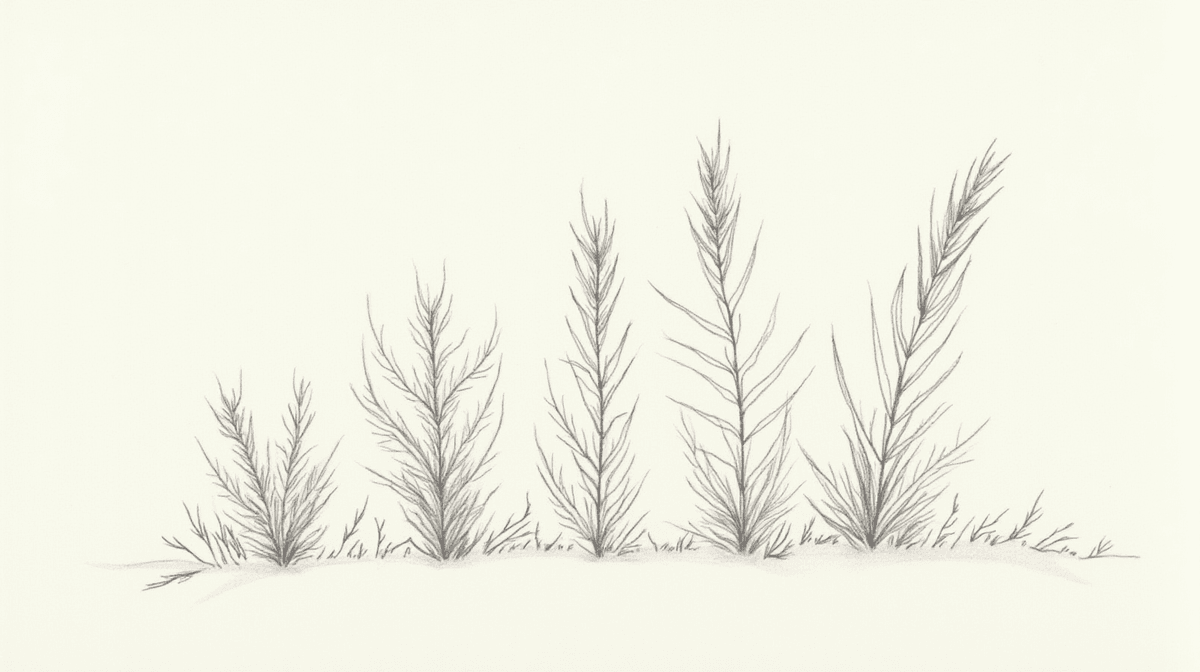
When selecting your palette, look for textures that suggest resilience—think silvery leaves, waxy coatings, or fuzzy foliage (which helps trap moisture). Instead of high-maintenance annuals, focus on perennials and shrubs that put on a show with less help from you. These plants establish deep root systems over time, making them much more reliable as the seasons change.
| Plant Category | Example Varieties | Why They Work for Low Water |
|---|---|---|
| Mediterranean | Salvias, Rosemary, Lavender | Established varieties that love full sun and dry soil. |
| Native/Succulent | Yucca, Agave, Ornamental Grasses | Adapted to local extremes; very low maintenance once established. |
Making the soil work harder for you: Mulch and grading basics.
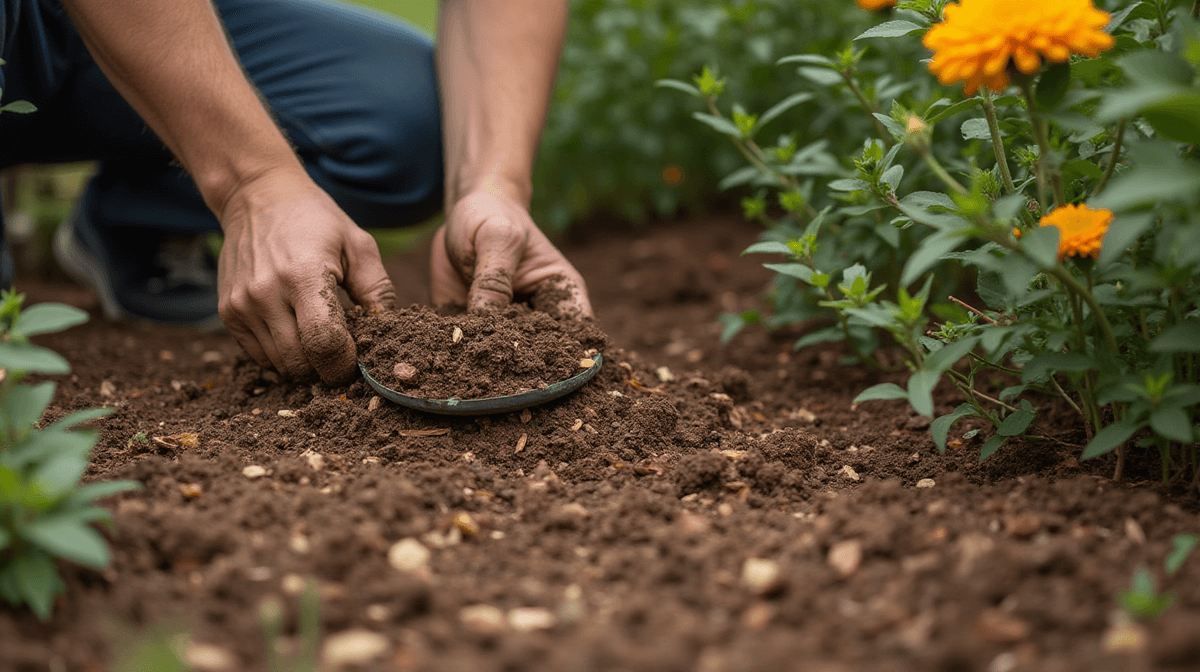
Even with the best drought-tolerant plants in your yard, they still need a foundation that works for them. One of the most effective things you can do is improve how your garden holds onto moisture before it evaporates into the air or runs off during a heavy rain. This starts with mulch. I’ve learned the hard way that "a little" isn't enough; you want a thick, consistent layer—about 3 to 4 inches—of organic mulch around your plants. This acts like a blanket for the soil, keeping it cool and significantly slowing down evaporation.
Grading is the other half of this equation. You don't need to be an engineer to understand that water needs somewhere to go when it falls from the sky. If your garden beds are perfectly flat or slightly tilted toward the street, heavy rain will just wash over them rather than soaking in. By making small adjustments to the grade—slightly mounding soil at the base of plants and ensuring there is a slight "bowl" effect where you want water to sit—you force the moisture into the ground where it can reach the roots. It’s about giving your plants a reservoir to draw from when the sun comes out.
Seasonal Checklist: Your low-water prep tasks (Autumn/Spring).
Preparing for a low-water landscape isn't something you do just once; it’s about setting things up during the right windows of the year. Depending on where you are in your gardening journey, these steps will help ensure your plants can handle the stress of our local climate without constant fussing from you.
Autumn Prep (Getting ready for winter and next summer):
- Mulch Refresh: Apply a thick layer of wood chips or shredded mulch around all established perennials to protect roots and retain moisture through the spring.
- Weed Control: Clear out invasive weeds that compete with your drought-tolerant plants for precious water during the growing season.
- Pruning: Cut back spent perennial stalks to help them establish a clean structure before new growth begins in the spring.
Spring Prep (Setting up for the heat):
- Grading Check: Before the heavy rains of late spring, check your beds to ensure water isn't running off into the street but is instead soaking into the root zones.
- New Plantings: If you are adding new stock, do so in early-to-mid spring so they can establish a deep root system before the July heat hits.
- Watering Routine: Establish your "zone" watering schedule now, focusing on getting deep, infrequent soakings for your established plants rather than frequent shallow sprinkles.
Your turn
What’s the single hardest spot in your backyard to keep alive? Let me know and we can talk specific fixes! Share this with a neighbor who keeps getting discouraged by summer heat.
🌿 Get Seasonal Gardening Tips
New guides, planting reminders, and growing tips — straight to your inbox.
No spam. Unsubscribe anytime.
About the Author
David Rodgers is the Founder & Head Gardener of Planting Atlas. With over 40 years of hands-on gardening experience in Oklahoma's Zone 7 climate, he researches, writes, and personally tests every guide on the site.
David draws from real backyard trials, soil testing, and trusted sources like Oklahoma State University Extension and USDA data to deliver practical, zone-specific advice that actually works.
Read more about David and Planting Atlas →