Loading…
←Back to Newsletters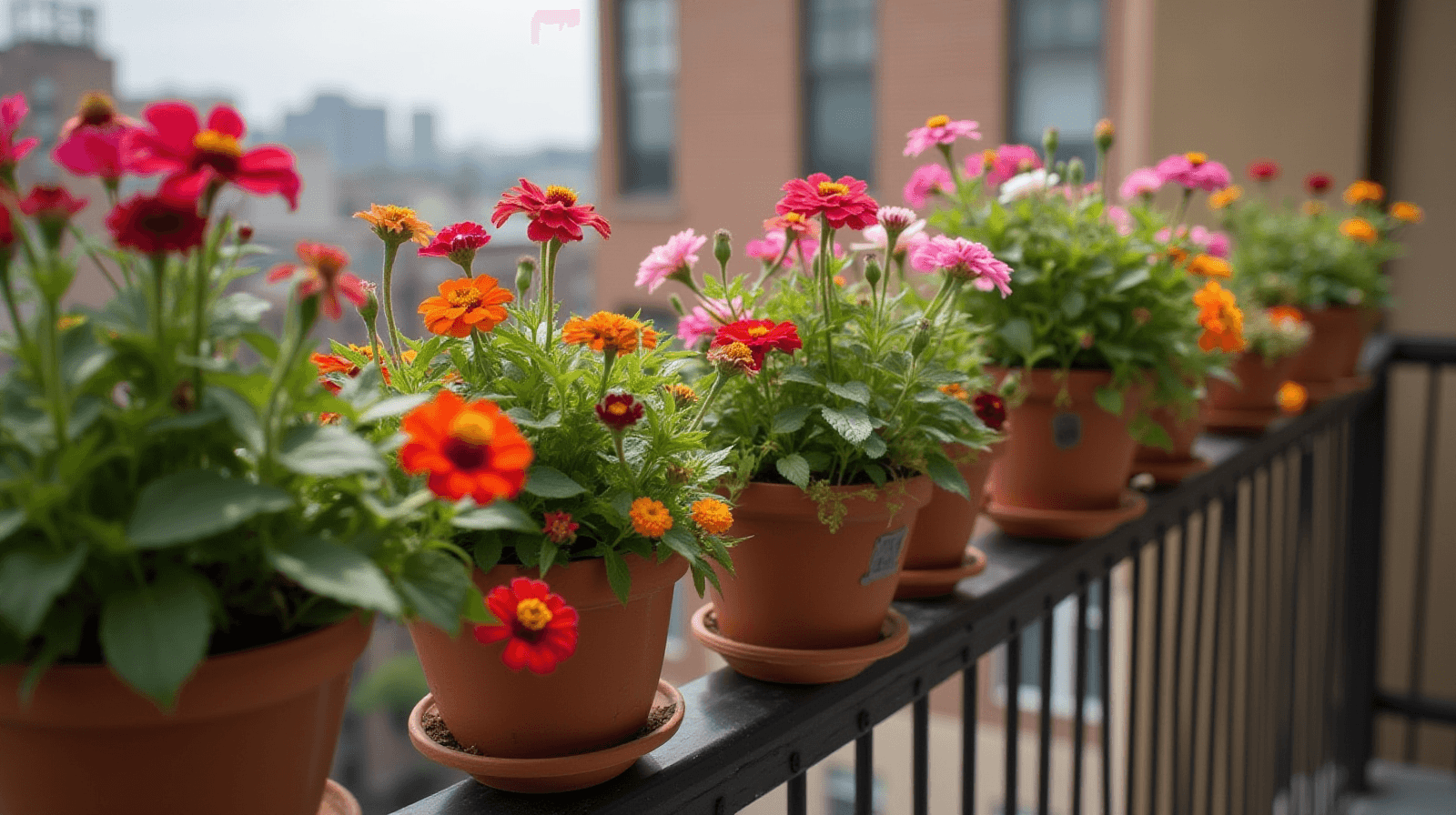
Designing a Joyful Container Garden for Little Yards
Written by David Rodgers — 2026-09-03
How to make the most of your balcony or patio without losing the fun of growing things.
The newsletter for gardeners who'd rather learn from a mistake made 40 years ago than repeat it themselves.
containerssmall-spaceannualsmindfulness
Before you buy a single pot: thinking about what makes gardening feel good
Before you head to the nursery or start scrolling through online catalogs, we need to talk about why you’re doing this in the first place. In my forty years of gardening, I’ve seen people get caught up in the "production" mindset—thinking that if they don't have a massive plot of land producing enough tomatoes to feed a crowd, it doesn't count as a real garden. If you have a balcony or a small patio, let me be clear: your goal isn't to become a commercial farm. It’s about the joy of watching something grow.
In a small space, gardening is an intimate experience. It’s about that moment in the morning when you see a new bloom on a porch chair, or the way a trailing vine spills over the edge of a pot and catches your eye while you're having coffee. When space is limited, we have to shift our focus from "how much can I grow?" to "what brings me peace?" If it makes you happy to see a burst of color in a ceramic pot against a brick wall, that’s a successful garden. Don't let the pressure of "traditional" gardening tell you that your small space is somehow lesser just because it doesn't have rows of staked peppers stretching toward the horizon.
The 'happy mix' approach: Don’t plant one thing everywhere
One of the biggest mistakes I see in container gardening—and it happens a lot with beginners who are afraid to make "mistakes"—is planting three identical things in a row. It looks like a nursery display, and honestly, it gets boring for your eyes very quickly. To keep a small space interesting, you want a "happy mix." This means looking for different textures, growth habits, and bloom cycles so that the container feels full even when one specific plant isn't at its peak.
Think about these three categories:
- The Thrillers: These are your upright plants that provide height and structure. They are the "stars" of the pot.
- The Fillers: These are mounded plants that bridge the gap between the tall ones and the edges, filling in the space so you don't see bare dirt.
- The Spillers: These are your trailing varieties. They spill over the sides of the container, softening the hard edges of the pot and making it look established rather than just "placed" there.
By mixing these three habits, you create a sense of depth. For example, a tall upright variety like a sunflower or a sturdy perennial mixed with some bushy petunias and a trailing sweet potato vine creates a visual layers that keeps your eyes moving. It feels intentional rather than accidental.
Picking your palette: Color, height, and container size
Once you know what kind of "feel" you want, we have to get practical about the hardware. People often grab a pot because it looks nice on their porch, but they don't consider if that pot is actually big enough for the plants they want to put in it. A common failure point I’ve seen over the years is putting too many large-rooted plants into a small "decorative" pot. The roots will quickly become cramped (this is called being root-bound), and the plant will struggle to find enough nutrients or water to survive the summer heat.
When choosing your containers, keep these three rules in mind:
- Size Matters: Always go slightly larger than you think you need for a single large statement plant. A 12-inch pot might look cute, but it can be overwhelmed by one medium shrub very quickly.
- Vary the Heights: Don't put all your pots at the same level on a table or shelf. Grouping them in clusters of three with varying heights creates much more visual interest.
- Coordinate Your Colors: You don't have to match every pot, but try to stick to a cohesive palette. If you have one bright blue glazed pot, maybe pair it with two neutral terracotta ones rather than three different neon colors that fight for attention.
| Container Type | Best For... | Typical Longevity in Zone 7 |
|---|---|---|
| Terracotta/Clay | Drought-tolerant herbs and succulents; breathable but dries out fast. | High (unless it's a very dry summer) |
| Glazed Ceramic | Flowers that need consistent moisture; holds water longer than clay. | Medium (harder to manage in high heat) |
| Wood/Composite | Large "statement" plants; provides good insulation for roots. | High |
| Fabric Bags | Root-heavy crops or very thirsty annuals; excellent drainage. | Variable (requires frequent watering) |
Annuals that put on a show (and don't need constant attention)
If you are looking for "easy wins" in your containers—especially if you live in a zone like mine where the summer sun can be unforgiving—you want hardy annuals. These are plants that live for one season but provide a massive amount of color and growth during that time. I often tell people who are intimidated by "finicky" flowers to start with these staples because they handle the heat well and don't mind being in a pot as much as others do.
- Zinnias: These are my old reliable. They come in almost every color imaginable, have various heights, and can take a beating from the sun.
- Cosmos: If you want something that feels airy and light, cosmos are great for "spilling" out of the edges of larger pots.
- Marigolds: These are tough as nails. They provide consistent color all summer long and aren't picky about soil quality.
The trick with annuals in containers is choosing varieties that bloom continuously rather than just once. In my experience, if you pick a "multi-bloom" variety of zinnia or petunia, you won't have to worry as much about the plant looking "dead" after its first big show. They will keep producing until the first frost hits in late autumn.
How to set up your container garden the right way, every time
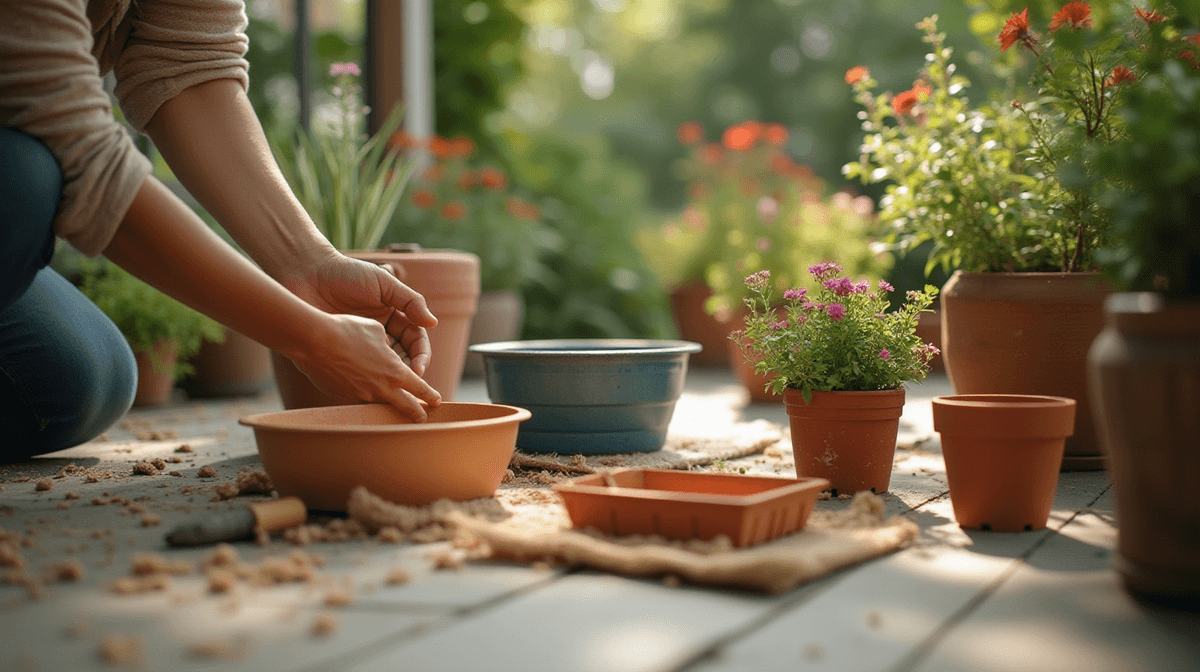
There is a specific technique for getting these pots started that most people skip because they think "it's just a pot." However, if you don't do it right from day one, you’ll be fighting your plants all summer. The biggest hurdle here is soil quality. You cannot use "garden soil" or "topsoil" in a container. Garden soil contains clumps of dirt and organic matter that will compact into a brick the moment you water it, essentially suffocating the roots.
Follow these steps for every pot:
- Drainage Check: Ensure your pot has holes at the bottom. If it doesn't, drill some. A pot without drainage is just a fancy bucket, and the roots will rot in the standing water.
- The Right Mix: Use a high-quality "potting mix." These are designed to be light, airy, and well-draining. They usually contain peat moss or coconut coir and perlite (those little white rocks you see) to keep air moving around the roots.
- Initial Planting: When you put your plants in, don't pack the soil down with your hands like you’re trying to pack a suitcase. You want it firm enough so the plant doesn't wobble, but loose enough that water can flow through it freely.
The biggest mistake? Ignoring how much water those little containers need.
If I could only tell you one thing about container gardening, it would be this: pots dry out significantly faster than the ground does. Because a pot has so little soil volume and is exposed to air on all sides (and often sits in direct sun), it can go from perfectly moist to bone-dry in just a few hours during an Oklahoma July afternoon.
Many people start their garden with great success, but by late July, they find their plants wilting every evening at 6:00 PM. This usually happens because the soil has become "hydrophobic" or simply because the roots are struggling to find moisture in a small amount of dirt that dries out too fast.
To keep your container garden thriving, follow these rules:
- Consistency is key: Try to water on a regular schedule, but more importantly, check the soil with your finger. If it feels dry an inch down, it needs a drink.
- Water deeply: Instead of giving them a little bit every day, give them a deep soak that runs out of the bottom holes once or twice a day in extreme heat. This encourages the roots to grow deep into the pot rather than staying at the surface where they'll fry.
- Mulch your pots: This is a secret weapon for container gardeners. Adding a layer of straw, wood chips, or even decorative pebbles on top of the soil helps hold onto moisture and keeps the "root zone" cooler during those triple-digit days.
Your turn
What’s the single best thing growing in a pot right now at your house? Share it below! Did this give you an idea for next year's setup?
🌿 Get Seasonal Gardening Tips
New guides, planting reminders, and growing tips — straight to your inbox.
No spam. Unsubscribe anytime.
About the Author
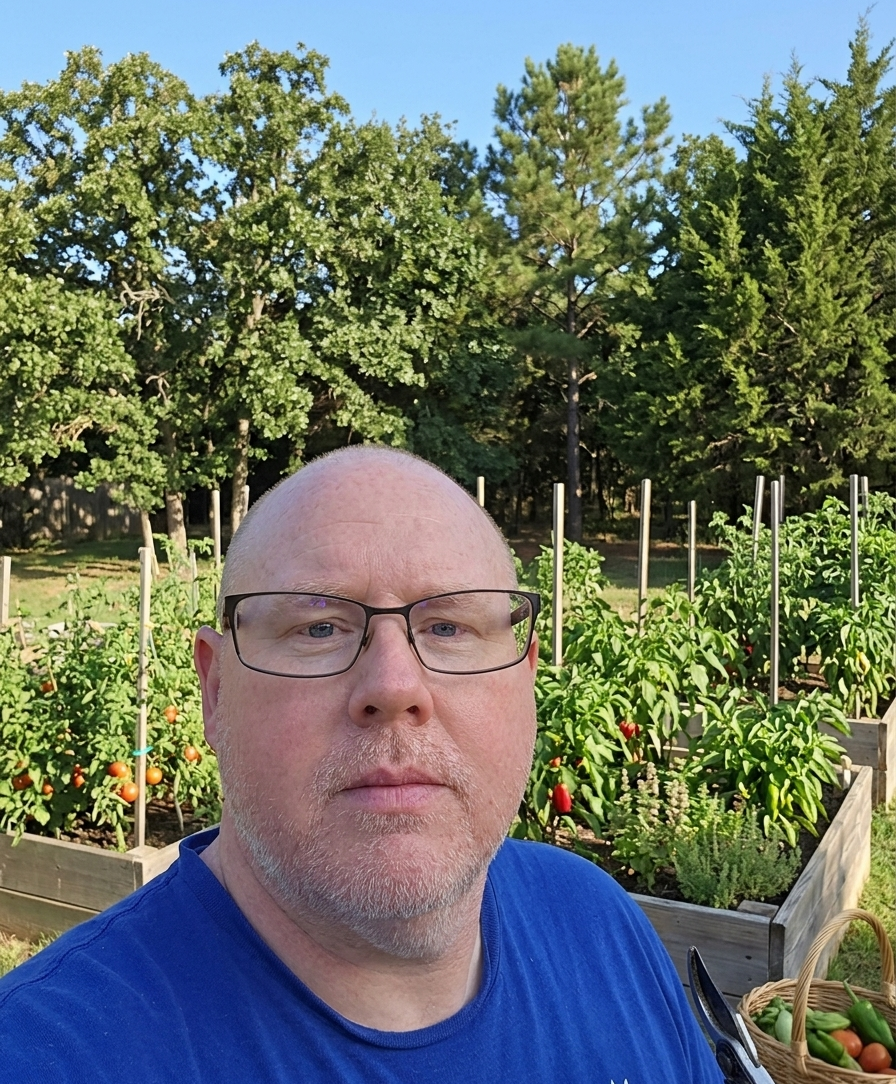
David Rodgers is the Founder & Head Gardener of Planting Atlas. With over 40 years of hands-on gardening experience in Oklahoma's Zone 7 climate, he researches, writes, and personally tests every guide on the site.
David draws from real backyard trials, soil testing, and trusted sources like Oklahoma State University Extension and USDA data to deliver practical, zone-specific advice that actually works.
Read more about David and Planting Atlas →