Loading…
←Back to Newsletters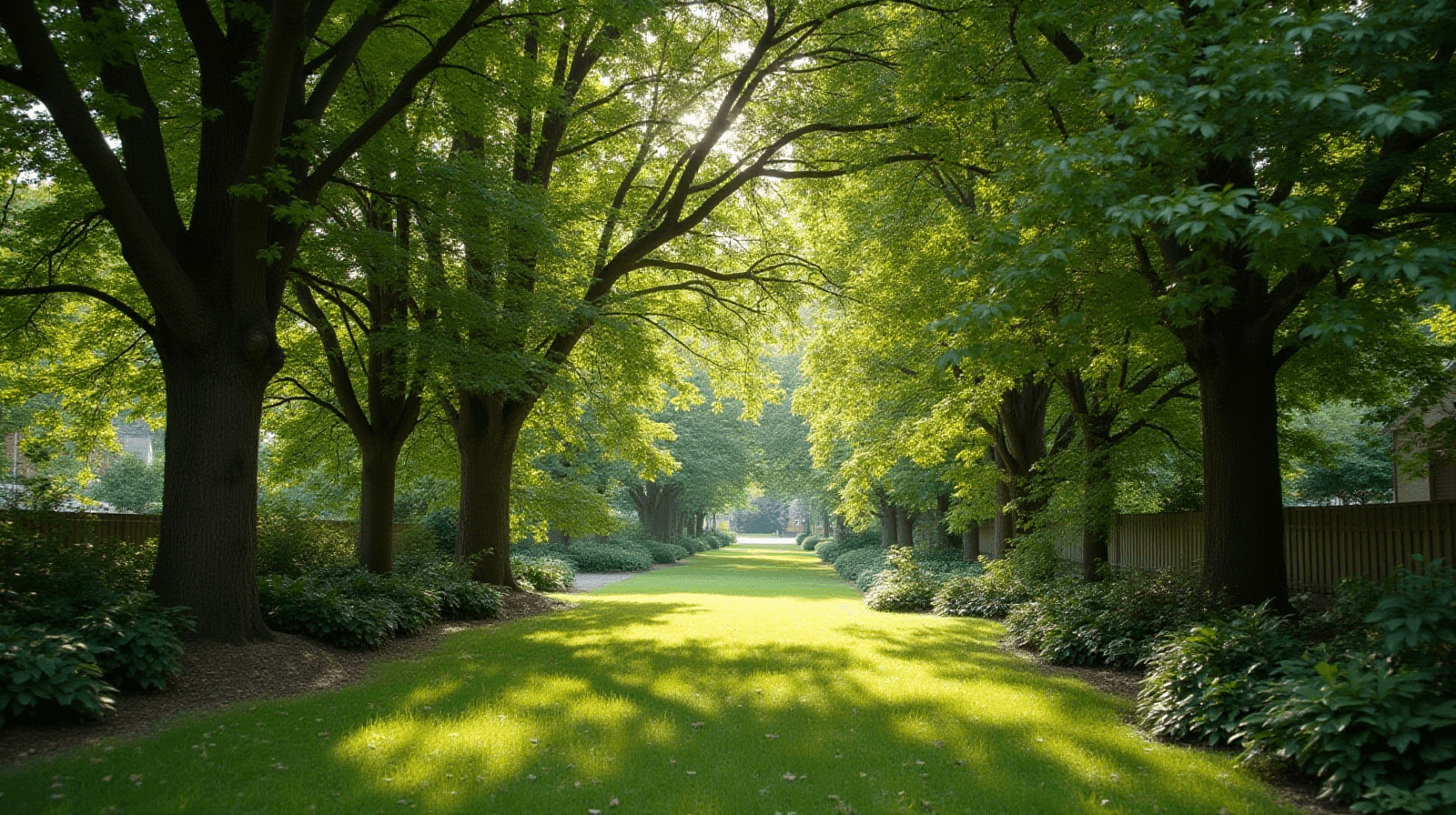

Choosing Shade Trees That Actually Work in Your Yard
Written by David Rodgers — 2026-08-06
A guide to making sure your landscape enhances your life, not just looks pretty on a postcard.
The newsletter for gardeners who'd rather learn from a mistake made 40 years ago than repeat it themselves.
shade treessite planninglandscape designUSDA zones
Before you pick a single sapling: what are the rules of your specific site?
The biggest mistake I see people make when they start their "shade tree journey" is shopping for aesthetics before they shop for suitability. It’s tempting to go to the nursery and point at the prettiest, most majestic-looking trunk in the lot. But a beautiful tree that can't handle your soil chemistry or sits on top of a main water line isn't an asset—it's a liability.
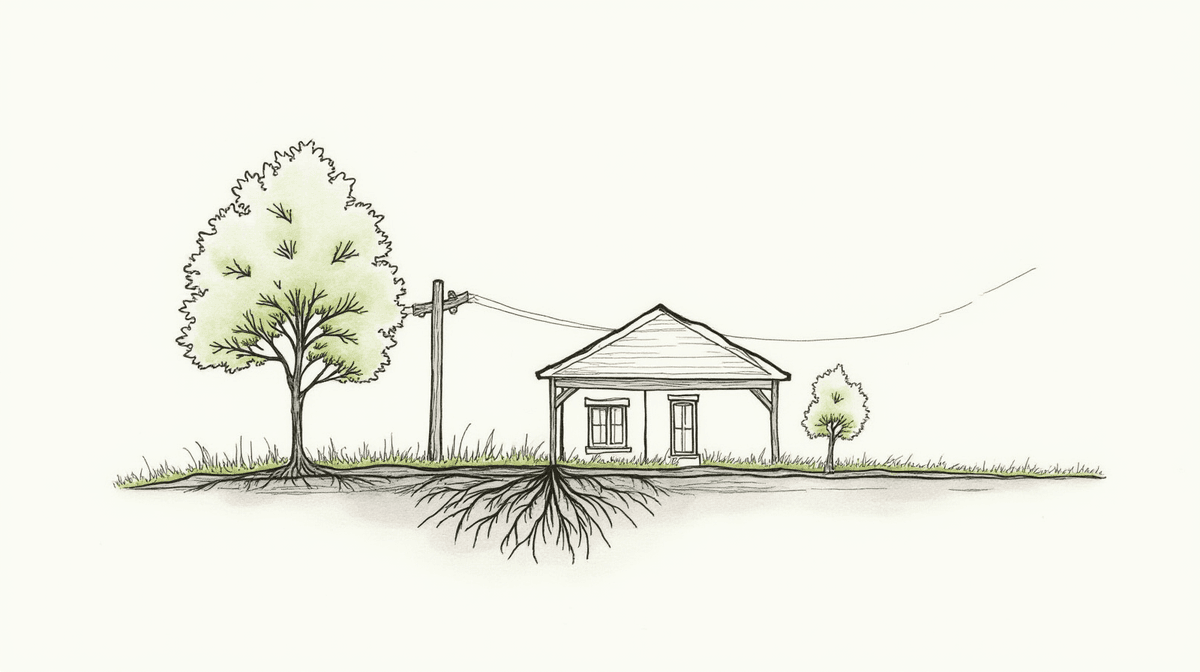
Before you fall in love with a specific species, you have to understand what your land is actually offering. I’ve spent years watching neighbors plant trees that eventually died because they didn't check the drainage first; the ground stayed soggy for three weeks after every rain, rotting the roots of "tough" trees. You also need to know exactly where your utility lines run. Call before you dig isn't just a suggestion; it’s how you avoid a five-figure repair bill when a root eventually finds its way into a sewer pipe or power line.
Think of your yard as a set of constraints. Your soil pH, the amount of sun that actually hits that specific patch of dirt during July, and the local drainage patterns are the "rules" of the game. If you ignore these rules in favor of what looks good on a postcard, you’re just setting yourself up for a headache five years down the road. Get your soil tested and map out your obstacles before you ever put a shovel in the ground.
Deciduous vs. Evergreen: Which one wins for climate control and yard use?
When it comes to managing shade, deciduous and evergreen trees serve two very different functions. I often tell people that if they want "smart" shade—the kind that adapts to the seasons—they should lean toward deciduous varieties. These are the trees that drop their leaves in the winter. In many regions, this is a huge advantage because it allows the low-angled sun of January and February to reach your home and garden, providing much-needed warmth while still blocking the harsh overhead heat of July and August.
Evergreens, on the other hand, are your year-round workhorses. They provide consistent windbreaks and visual privacy that doesn't disappear when the seasons change. However, because they keep their foliage all year, they can sometimes block too much light in the winter or create a "dead zone" of shade that prevents smaller plants from getting enough energy during the colder months.
The choice usually comes down to your specific goal:
- Deciduous trees are often better for creating dynamic spaces where you want different types of light throughout the year (think flowering shrubs underneath them).
- Evergreen trees are superior when your primary goal is a permanent visual screen or protection from heavy winter winds.
Picking a tree based on its actual future size (and what that means)
One of the most common "rookie" mistakes in backyard gardening is judging a tree by how it looks today. A three-year-old sapling might look like a modest, manageable addition to your landscape, but you have to think about its "canopy footprint." This isn't just about how wide the trunk is; it’s about where those branches will reach in 15 or 20 years.
You need to account for three specific dimensions:
- Mature Width: How much of your lawn, driveway, or walkway will this tree eventually overhang?
- Height: Will it eventually tower over the roofline or interfere with power lines?
- Root Spread: Roots aren't just "under" the tree; they are a living system that needs space to expand.
If you plant a large-growth species too close to your house because it looks small enough now, you’ll eventually have to deal with heavy limbs hanging over your roof or roots and soil heaving in your walkway. When I look at a site, I imagine the tree at full maturity. If that "future" version of the tree creates problems for your daily life—like blocking a neighbor's view where it shouldn't or encroaching on a fence line—it’s the wrong spot, regardless of how much you like the species.
When to plant: timing trees for your specific USDA zone
Timing is everything because a tree is most vulnerable when it’s first put into the ground. You want to give it as much time as possible to establish its root system before the stress of the next growing season hits. In many regions, this means planting in the fall so the tree can settle in while temperatures are cooling down and the ground isn't baked hard by summer heat.
However, timing varies significantly depending on your USDA zone. For example, a spring planting in Zone 9 might be perfectly fine, whereas that same window in Zone 5 could leave a tree vulnerable to late-spring frosts or summer droughts before it has established enough roots to survive.
| Region Type | Recommended Planting Window | Why? |
|---|---|---|
| Zones 3–6 | Late Fall (Oct/Nov) or Early Spring (April/May) | Avoids the extreme heat of mid-summer and allows for root establishment before deep freezes. |
| Zones 7–9 | Fall is preferred, but Spring works if soil moisture is maintained. | Allows time to establish before the intense summer sun hits. |
| Zones 10+ | Early Spring or late Summer. | Focuses on getting established before any potential winter frosts. |
Always check your local frost dates and rainfall patterns. If you're in a dry area, "fall" is almost always better than "spring," as it gives the tree several months of cooler weather to get its roots deep enough to find water before the summer heat arrives.
The three things people forget when planning shade trees around a house
When we start talking about planting near structures, I like to focus on what usually goes wrong—the stuff that costs you money and headaches later. There are three specific factors that often get overlooked until it's too late:
- Utility Line Clearance: It sounds basic, but many people don't realize how quickly a "small" tree can grow into the path of power lines or telecommunications cables. If your line of sight for these utilities is compromised by branches even once, you’ll be dealing with trimming costs every year.
- Proper Drainage and Root Barriers: You cannot simply plant a large shade tree near a foundation without thinking about water. Roots will follow moisture; if your house's gutter system dumps water into the soil where a tree is planted, those roots will grow aggressively toward that source of hydration—which usually means they’ll end up under your slab or pipes.
- Microclimates: A spot might look like it has "good sun" in July, but because of how the house sits on the land, it might be a freezing, wind-whipped canyon in January. You have to consider the tree's experience through all four seasons, not just what you see during your morning coffee today.
Building the perfect canopy: balancing beauty with function
The ultimate goal is a landscape that works for you. A "perfect" shade tree provides a balance between aesthetic appeal (like beautiful fall colors or unique leaf shapes) and functional benefits (like filtering light so your grass can still grow underneath it).
To achieve this, I recommend selecting species based on their canopy density. Some trees provide a very dense, heavy shadow that is great for cooling a yard but won't allow much anything to grow beneath them. Others offer "dappled" shade—think of the light filtering through a large oak or certain varieties of maple. This dappled light is often the sweet spot because it reduces the temperature of your yard without creating a dark, unusable zone of dirt.
Additionally, consider the local wildlife. A tree that supports pollinators or provides nesting sites for birds adds a layer of "life" to your backyard that beauty alone can't provide. When you’re choosing between two species that both offer good shade, pick the one that fits into your specific ecosystem. If you want fall color, find a variety known for it; if you need a windbreak, go with something sturdy and dense. The best trees are those that fulfill their purpose—providing cooling, beauty, and protection—without requiring constant intervention to keep them from becoming a nuisance.
Your turn
What's one feature in your backyard (a path, a seating area, etc.) that currently feels underserviced? Share it below! Want to help others avoid the same tree planting mistakes? Send us your best shade tree advice!
Apply this next
🌿 Get Seasonal Gardening Tips
New guides, planting reminders, and growing tips — straight to your inbox.
No spam. Unsubscribe anytime.
About the Author
David Rodgers is the Founder & Head Gardener of Planting Atlas. With over 40 years of hands-on gardening experience in Oklahoma's Zone 7 climate, he researches, writes, and personally tests every guide on the site.
David draws from real backyard trials, soil testing, and trusted sources like Oklahoma State University Extension and USDA data to deliver practical, zone-specific advice that actually works.
Read more about David and Planting Atlas →