Loading…
←Back to Newsletters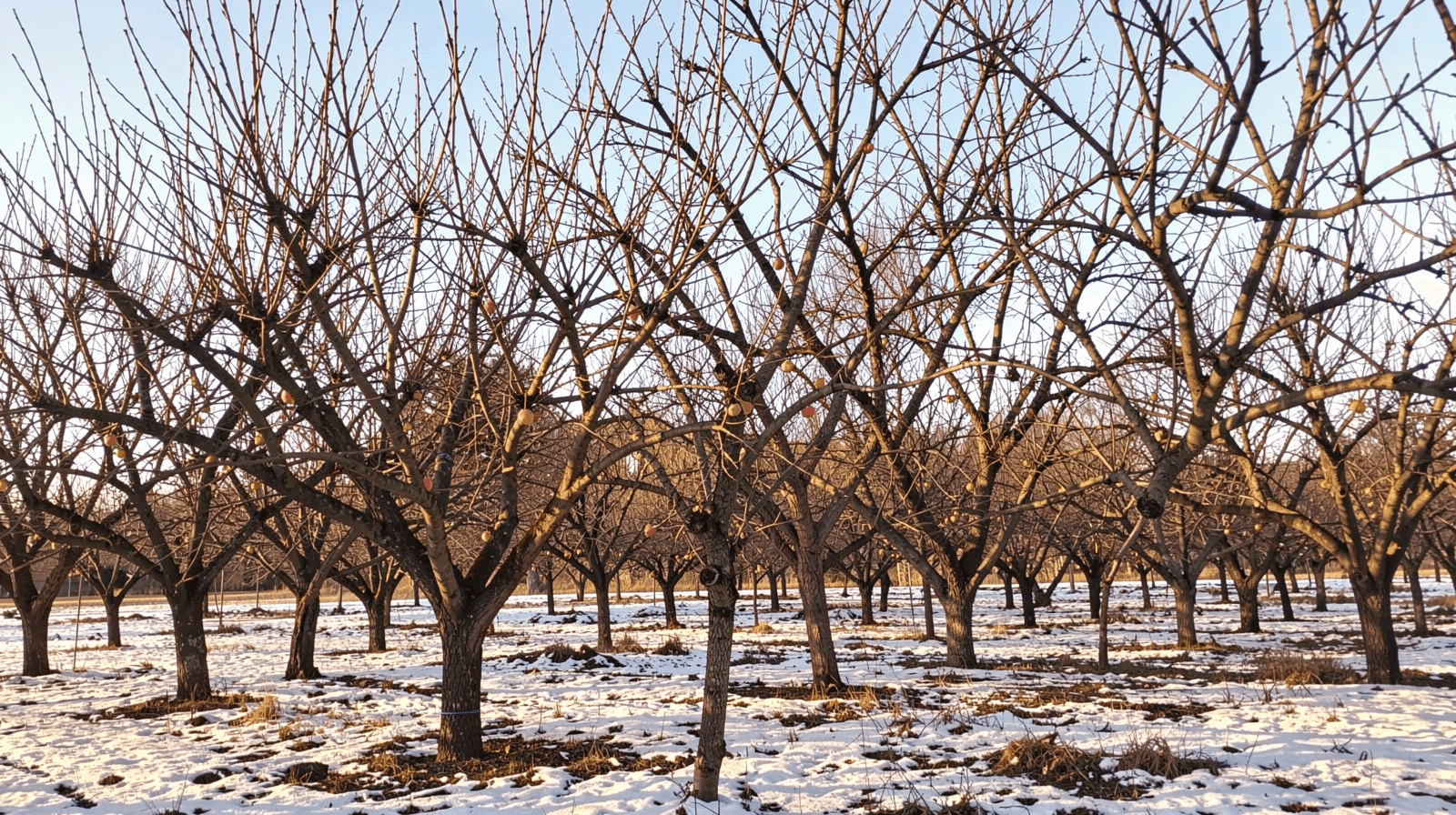
Chill Hours: How Far You Are From a Good Harvest
Written by David Rodgers — 2026-11-13
Matching your orchard's winter needs to the varieties that actually survive here.
The newsletter for backyard growers tired of advice that ignores their actual climate.
fruit-treesperennialschill-hoursbackyard-orchard
Before you buy the first root ball: The biggest mistake new orchardists make
I’ve spent years watching folks walk into a local nursery, see a gorgeous variety of fruit tree that looks perfect in the display bed, and just... buy it because it's "hardy." It is the single most expensive mistake an aspiring orchardist can make. You spend your hard-earned money on a beautiful root ball and plenty of sweat moving it into your yard, only to find out two years later that the tree didn't just fail to produce—it actually died because its biological "clock" was never set correctly for our climate.
The mistake is assuming that if a plant can survive the winter temperature, it will also thrive in your specific backyard and eventually bear fruit. That isn't always true. A tree might be hardy enough to stay alive during a cold snap, but if it doesn't receive the correct amount of "rest" during those cold months, it won't have the internal signal to start its growth cycle in the spring. I’ve seen people plant varieties that were meant for much colder climates; they survived the frost only to sit there as stunted, unproductive sticks because their biological needs weren't being met by our local winter cycles. Before you put a shovel in the ground, you have to look past the "hardy" label and look at what happens inside the tree’s cells during December and January.
What are 'Chill Hours,' and why do they matter more than just your zone?
To understand how an orchard works, you have to think of a fruit tree like it's on a long sleep cycle. In the winter, these trees go into deep dormancy—a state of suspended animation where growth stops entirely to protect the plant from freezing. "Chill hours" is simply the measure of time a tree spends at temperatures cool enough (usually between 32°F and 45°F) to keep it in that sleep state.
Think of chill hours as an alarm clock. Every variety has its own specific "alarm" requirement—a certain number of hours it needs to stay cold before it feels safe enough to wake up and start growing again. If a tree requires 1,000 chill hours to break dormancy but your region only provides 600 during the winter, that tree will be confused. It won't "wake up" properly in the spring. This leads to erratic growth, poor fruit set, or even a total failure to bloom because the internal chemistry of the tree never got the memo that winter was over. Understanding this count is about much more than surviving the cold; it’s about meeting the specific physiological requirements for a successful harvest next year.
The difference between 'Hardy to Zone X' and 'Requires Y Chill Hours'
This is where most gardening advice falls short because they treat "hardiness" as a catch-all term. In my experience, relying solely on USDA zones can lead you straight into a trap. A zone tells you the minimum temperature a plant can likely survive without dying; chill hours tell you if that plant will actually perform the job of producing fruit in your specific backyard.
You can have two trees that are both technically "hardy" for Zone 7, but one might require significantly more chill hours than the other. If you live in an area where winters are becoming milder or shorter, a variety that is hardy enough to survive -5°F might still fail to produce because it didn't get its required "chill count." It’s like trying to run a marathon on three hours of sleep—you might be physically capable of moving your legs, but your body isn't ready for the effort. When you are selecting trees, I always tell people to check both numbers. You need to ensure the tree can survive your coldest night (Hardiness), but more importantly, you need to ensure it gets its required "sleep" during the winter months (Chill Hours).
How much does my specific location matter? (Localizing your data)
One of the things I’ve learned over 40 years is that a weather station three towns over doesn't always tell the truth about what’s happening in your backyard. This is especially true when it comes to chill hours and orchard planning. Microclimates are real, and they can drastically shift how your trees experience the season.
For example, if you live in a low-lying valley, you might experience "frost pockets" where cold air settles, giving you more chill than someone on a ridge just two miles away. Conversely, if you’re near a large body of water or in a coastal area, the humidity and moderated temperatures can prevent those deep chill cycles from ever happening. Even a "heat island" effect from a nearby paved area or heavy traffic can keep your yard a few degrees warmer than the official record says. When I'm helping someone plan an orchard, I tell them to look at their own backyard’s history if possible. Don't just trust a generic online calculator that uses data from a city airport; consider how your specific elevation, wind exposure, and proximity to water change the way winter "feels" to your trees.
A simple checklist for matching varieties: Peaches, Apples, Figs...
When you start narrowing down your list of potential fruit trees, you need a systematic way to filter them out. You don't want to guess; you want to cross-reference what they need against what your land provides. Here is the process I use to make sure a variety actually has a chance of success in our region:
The Selection Process
- Identify your local average: Determine roughly how many chill hours your area gets on average during a typical winter (you can find this through regional agricultural extension offices).
- Check the "Hardy" Floor: Ensure the variety is rated for at least one zone lower than yours to account for those random, extreme cold snaps.
- Verify Chill Requirements: Look specifically for the "Minimum Chill Hours" required for fruit production.
- Compare and Contrast: If your local chill hours are significantly lower than the tree's requirement, skip it—no matter how beautiful it looks in the catalog.
Regional Variety Reference Table (Example)
| Fruit Type | Common Requirement Category | Key Consideration for Our Area | Actionable Step |
|---|---|---|---|
| Peaches | Low to Medium Chill | Need careful selection if winters are mild. | Look for "Low Chill" varieties specifically rated for Zone 7/8 transitions. |
| Apples | High to Very High Chill | Some heritage varieties may fail to fruit in milder years. | Prioritize "Mid-Chill" varieties to ensure consistent spring bloom. |
| Figs | Low Chill / Heat Lovers | More about heat accumulation than winter chill counts. | Focus on "Self-Fertile" types that handle our summer humidity well. |
Getting set up for success (Beyond just planting)
Once you’ve done the homework and selected a variety that actually fits your local climate, the work of ensuring its survival begins. Selection is only half the battle; the first three years are about establishing a foundation so the tree can focus on root growth rather than just trying to stay alive.
I always tell people: don't crowd your trees. It’s tempting to plant them close together for an immediate "orchard" look, but you need airflow to prevent fungal issues and room for the canopy to expand without shading out its neighbors. When you get those trees in the ground, focus on soil drainage first. A tree that has a "wet foot" during our heavy rains will struggle more than any chill-hour deficiency ever could. Use a good mulch—not just for moisture, but to keep the root zone temperature stable. Finally, remember that early pruning isn't about shaping a masterpiece; it’s about removing "suckers" and ensuring the main trunk has a clear path upward. If you get the variety right and give them those first few years of proper space and drainage, they'll reward your patience with a harvest you can actually be proud of.
Your turn
Are you planning any permanent plantings this year? What local variety are you leaning toward?
🌿 Get Seasonal Gardening Tips
New guides, planting reminders, and growing tips — straight to your inbox.
No spam. Unsubscribe anytime.
About the Author
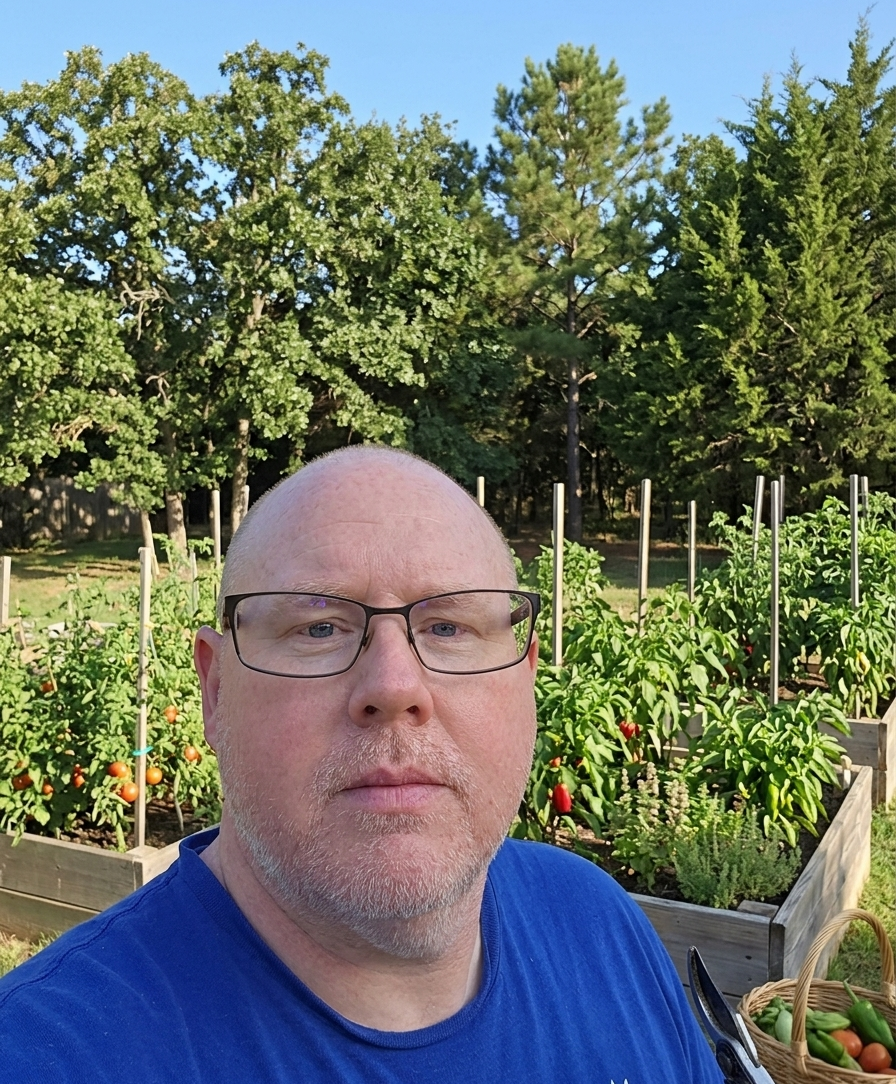
David Rodgers is the Founder & Head Gardener of Planting Atlas. With over 40 years of hands-on gardening experience in Oklahoma's Zone 7 climate, he researches, writes, and personally tests every guide on the site.
David draws from real backyard trials, soil testing, and trusted sources like Oklahoma State University Extension and USDA data to deliver practical, zone-specific advice that actually works.
Read more about David and Planting Atlas →