Loading…
←Back to Newsletters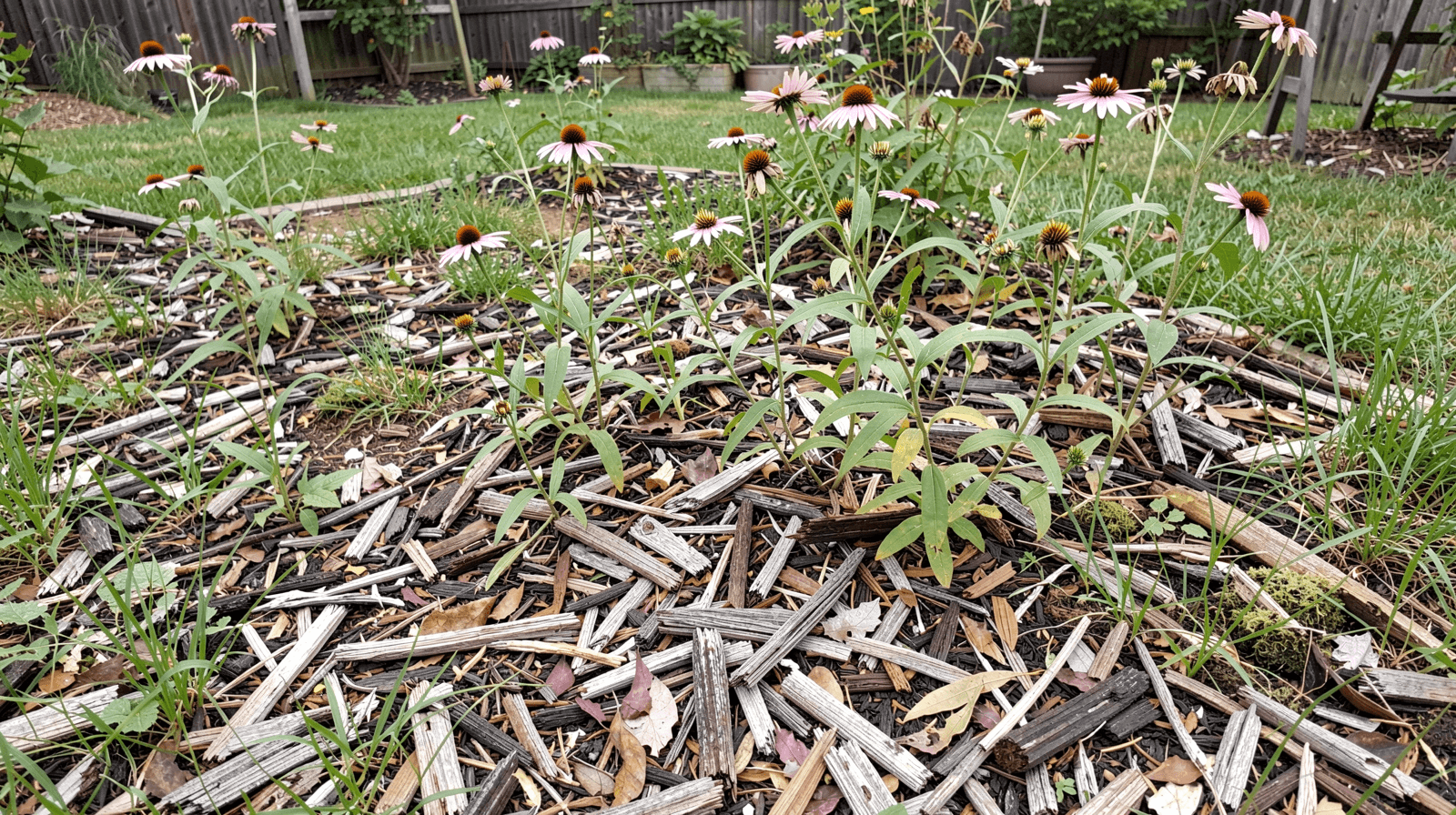
Building Your Backyard Pollinator Patch: How to Stop Guessing and Start Growing Wildlife.
Written by David Rodgers — 2026-11-10
A guide to converting unused lawn space into functional habitat using native plants.
The newsletter for backyard growers tired of advice that ignores their actual climate.
native plantspollinatorssheet mulchinghabitat design
Why just letting it grow isn't enough (and what failure looks like)
I’ve seen a lot of folks get excited about the idea of a pollinator garden and think they can simply toss a handful of wildflower seeds over an existing patch of lawn and call it a day. I used to be one of those people, thinking that if I just gave nature enough "stuff," it would do the heavy lifting for me. It doesn't work like that. In my backyard here in Oklahoma, I learned the hard way that grass is an incredibly aggressive competitor. If you don’t actively displace the turf and its root system, the grass will choke out your seedlings before they even have a chance to establish their first deep roots.
The failure mode usually looks like a "patchy" mess: a few tiny flowers popping up here and there, quickly being overtaken by crabgrass or bermudagrass within three weeks. You end up with more weeds than bees. The most critical—and honestly, the most exhausting—part of this project isn't actually choosing the plants; it’s preparing the ground. To get a pollinator patch to succeed, you have to treat that lawn space like a construction site first. You need to break the cycle of the existing turf so your new plants aren't fighting an uphill battle against established roots.
The sheet mulching method: How to prep for victory
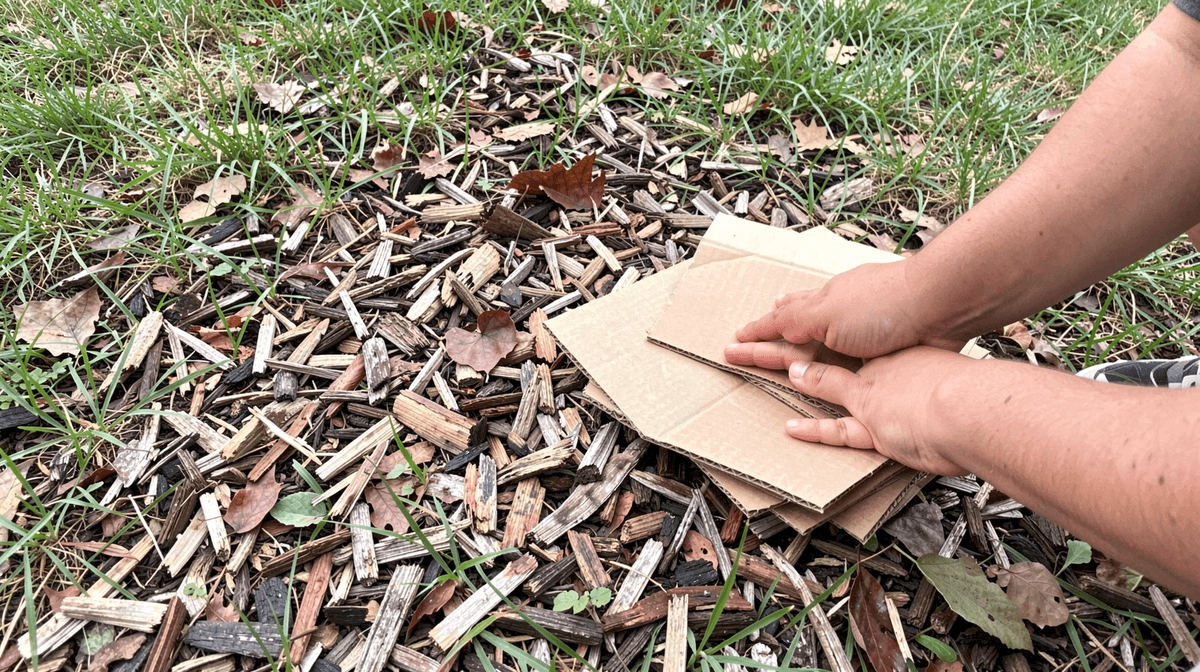
If you want to avoid back-breaking digging or the chemical warfare of herbicides, I highly recommend what we call "sheet mulching" (or lasagna gardening). This is how I’ve successfully converted several sections of my yard without turning it into a muddy mess. The goal is to smother the grass and build up high-quality soil volume simultaneously.
How to do it right:
- Clear the surface: Mow your target area as short as possible—basically "scalp" the lawn so there's no tall grass to get in the way of your layers.
- The Cardboard Layer: Lay down heavy-duty cardboard or thick sheets of newspaper over the entire area. This is the most important step because it creates a physical barrier that blocks sunlight from reaching the grass roots, essentially starving them out. Make sure to remove any plastic tape or staples first—those will just sit there and rot slowly while everything else decomposes.
- The "Lasagna" Layers: Once the cardboard is down, cover it with 4–6 inches of organic material. I usually start with a layer of fallen leaves (which are free if you're willing to haul them) followed by a layer of compost or aged mulch.
- Moisture and Time: Keep that area damp for the first few weeks. As the cardboard breaks down, it creates a rich, spongy base for your new plants.
What actually counts as 'native' (and why it matters)
You’ll see plenty of "pollinator-friendly" plants at the big box stores—brightly colored hybrids that look great in a vase but might not do much for our local ecosystem. When I talk about native plants, I mean species that have lived in this region for thousands of years. They didn't just arrive here; they co-evolved with our specific local insects, birds, and soil types.
This matters because many of our local bees and butterflies are "specialists." Certain insects need very specific chemical cues from certain plants to trigger their feeding or egg-laying behaviors. A non-native ornamental might provide some nectar, but it’s like offering a picky eater a meal they don't recognize—it just isn't the right fuel for them. Native plants are also built for our Zone 7 extremes; they have deep taproots that can survive a scorching Oklahoma July and aren't as prone to "damping off" (that's when tiny seedlings rot at the base) because they know how to handle our local moisture cycles. When you plant native, you’re providing a reliable food source from the very first bloom of spring through the last frost of fall.
Selecting your patches: What to plant and where
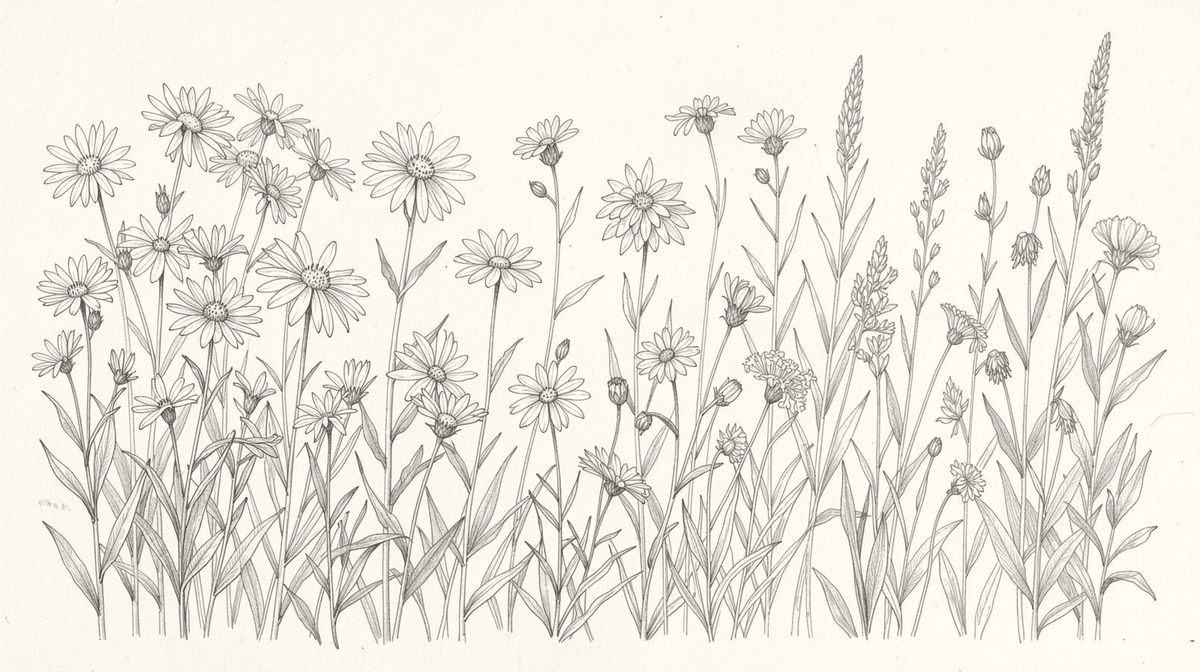
A common mistake I see is people planting a "monoculture"—a big block of just one type of flower. While that looks pretty in a photo, it doesn't provide a continuous life cycle for wildlife. Pollinators need a "relay race" of food sources throughout the season. If everything blooms in May and then nothing is left until September, you’re leaving your local bees hungry during those hot July weeks.
The Succession Strategy:
- Early Spring Bloomers: You want things that pop up as soon as the ground warms. These provide critical energy for queen bees emerging from winter. Think of plants that can handle a late frost but won't be out-competed by weeds in April.
- Mid-Summer Feeders: This is your "workhorse" period. You need high-nectar producers that can stand up to the heat and humidity. These are the staples that keep the population numbers high during the peak of summer.
- Late Fall Seed Sources: Don't forget about the end of the season. Plants like asters or goldenrod provide vital late-season fuel for migrating insects and birds preparing for winter.
By mixing these three types into your patch, you ensure that there is always something on the menu, regardless of what month it is.
Dealing with the fallout: Neighbors, HOAs, and creepy crawlies
Let’s be real: a native pollinator patch doesn't always look like a manicured English garden. It can look "messy" to people who are used to perfectly edged lawns. You might get a look from a neighbor or a letter from your HOA about the "overgrown weeds." This is where you have to be proactive with your communication.
Managing expectations:
- The Neighbor Talk: If someone asks what you're doing, tell them exactly what it is: an intentional wildlife habitat. Explain that by letting certain plants grow tall and "wild," you’re creating a sanctuary for the insects that help our fruit trees and gardens thrive. Most people are much more accepting once they understand there’s a purpose behind the aesthetic.
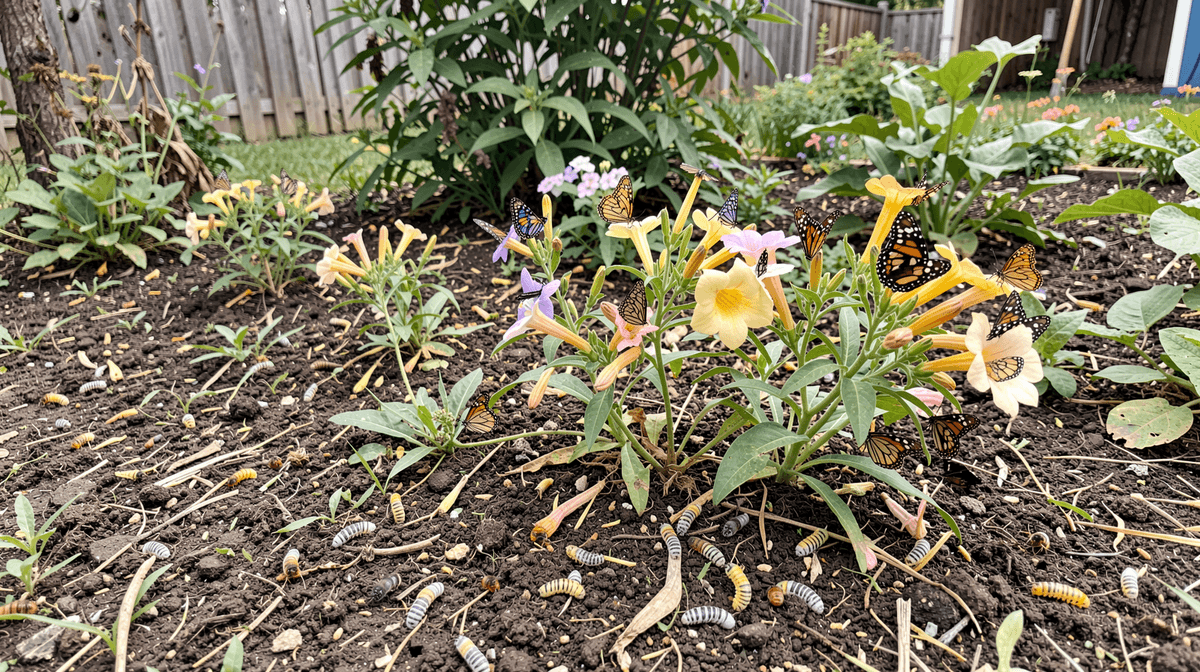
- The Creepy Crawlies: When you invite in the bees, you're also inviting the spiders and other predators. You will see more of them. My advice? Embrace it. Those spiders are just part of the balance; they keep the insect population from exploding. If you find a spider in your porch light, just remember he’s doing his job as part of the ecosystem you worked so hard to build.
Timing it right for your Zone 7 corner
Timing is everything when you're working with our climate. In Oklahoma (Zone 7), we have to be careful not to get ahead of ourselves. If you lay down your cardboard and mulch too early, a heavy spring rain can turn your "lasagna" into a muddy soup before the grass has even had a chance to die off. Conversely, if you wait until it’s already scorching hot in July, the heat might bake the soil so hard that new seeds won't be able to penetrate the surface.
Zone 7 Planning Milestones:
| Action Item | Target Timing (Zone 7) | Why? |
|---|---|---|
| Cardboard & Mulch Layer | Late Winter / Early Spring | Allows the "smothering" process to begin before the main growing season. |
| Soil Settling Period | 4–6 Weeks | Gives the cardboard time to start breaking down and moisture to distribute. |
| Planting Window | Mid-Spring (Post-Frost) | Ensures seedlings have enough warmth to grow but aren't hit by a sudden freeze. |
Always keep an eye on your local frost dates. I’d rather see you wait an extra week for the ground to warm than lose a month's worth of progress to one unexpected late-season freeze.
Your concrete goal this week: Start gathering materials.
Don't feel like you have to go out and start digging up your lawn today. That's how people get overwhelmed and quit before they even start. The most important thing you can do right now is gather the "raw materials" for your project.
Your mission this week: Collect a large quantity of organic material. This means finding sources for high-quality cardboard (check local grocery stores—they often have huge stacks of shipping boxes), and starting to stockpile fallen leaves or straw. Having these materials ready on your property takes the "mental load" out of the project; when you're ready to start, all you have to do is move them into place. It turns a massive overhaul into a series of manageable steps.
Your turn
Do you have an area in your yard that currently just eats up grass? Send us a photo (and maybe your zip code) — we'll tell you what might grow there instead!
🌿 Get Seasonal Gardening Tips
New guides, planting reminders, and growing tips — straight to your inbox.
No spam. Unsubscribe anytime.
About the Author
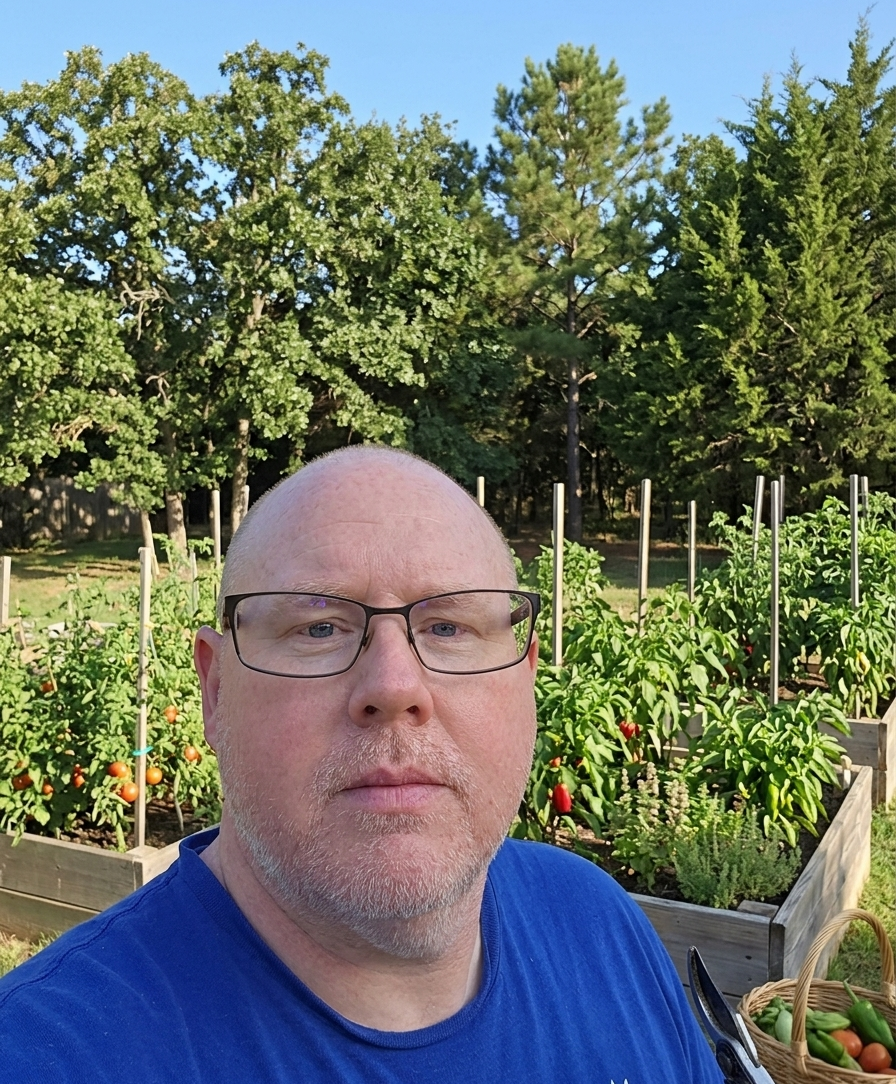
David Rodgers is the Founder & Head Gardener of Planting Atlas. With over 40 years of hands-on gardening experience in Oklahoma's Zone 7 climate, he researches, writes, and personally tests every guide on the site.
David draws from real backyard trials, soil testing, and trusted sources like Oklahoma State University Extension and USDA data to deliver practical, zone-specific advice that actually works.
Read more about David and Planting Atlas →