Loading…
←Back to Newsletters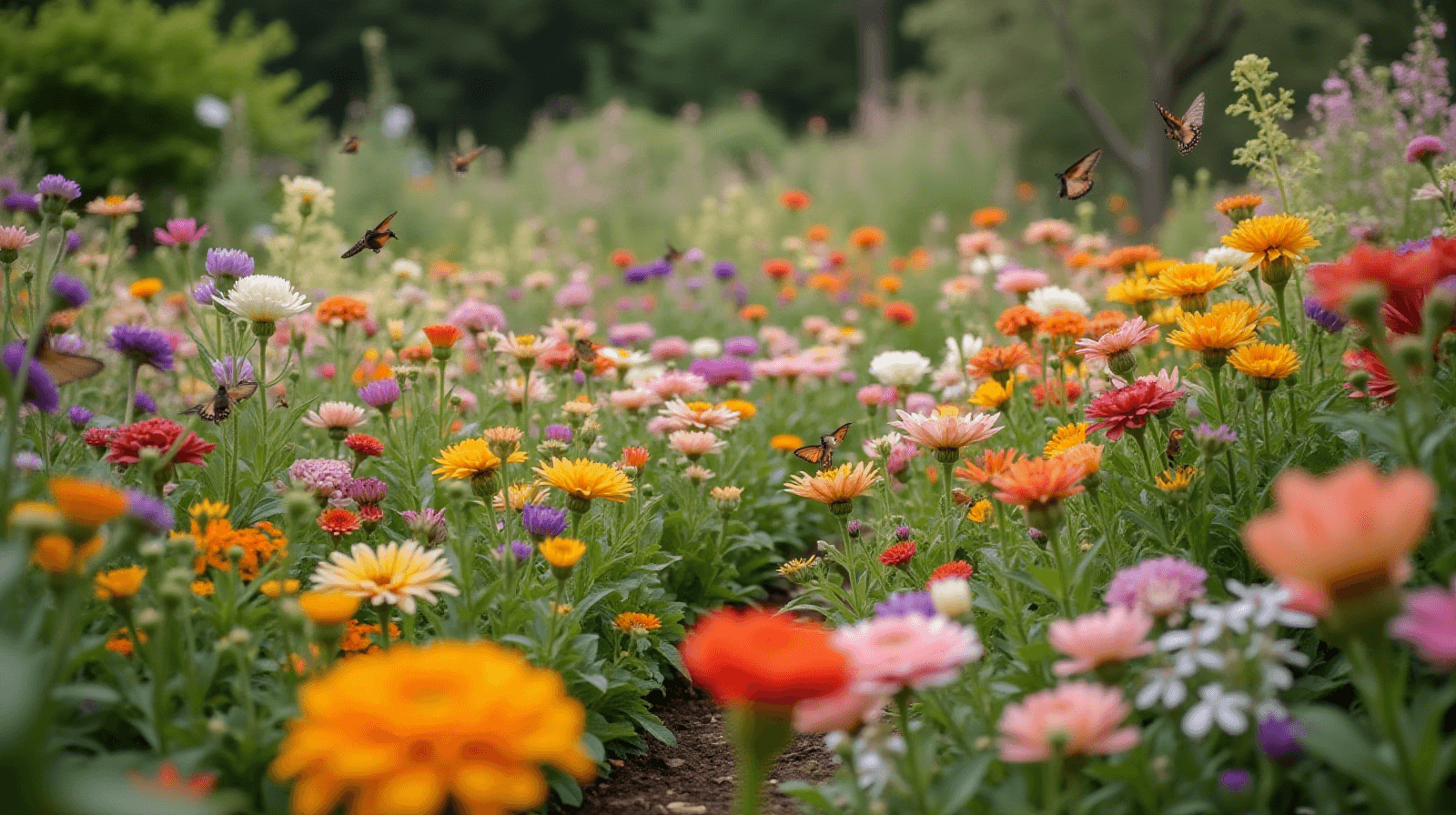
Building a Buzzing Backyard Haven with Native Plants and Simple Geometry
Written by David Rodgers — 2026-10-07
How to structure your yard—no matter the size—to maximize local wildlife attraction.
The newsletter for backyard growers looking to make a huge ecological statement without spending professional money.
Native PlantsPollinator GardenLandscape DesignBackyard Ecology
Why just ‘planting pretty’ isn't enough (and what your yard is missing)
I spent a lot of my early years in the garden thinking that if I could just get some nice colors and pleasant shapes, I had "won." It was an aesthetic victory. But after decades of watching how my own backyard behaved through Oklahoma summers—the way certain plants would wilt by July or others would sit perfectly still while no bees visited them—I realized there is a massive difference between a garden that looks like a painting and a garden that actually functions as an ecosystem.
When we focus only on "pretty," we often end up with what I call "dead zones." These are patches of yard where the flowers look great, but they don't provide much for the local insects that keep our environment running. A truly successful garden has to be functional. It needs to feed the pollinators and host the native insects that have lived here for thousands of years. If you want a backyard that hums with life, you have to move past the "look" and start thinking about what your yard is actually doing for the local neighborhood. We aren't just building a display; we are building a home for others.
The power of structure: Using geometry instead of randomness
One of the hardest things I’ve seen new gardeners struggle with is where to put things. Without a plan, it’s easy to end up with "random" planting—where you just put something in a spot because there was an empty gap. While some love that look, it often leads to patchy areas or plants getting lost in the visual noise of the yard. This is where simple geometry comes in as a tool for clarity and purpose.
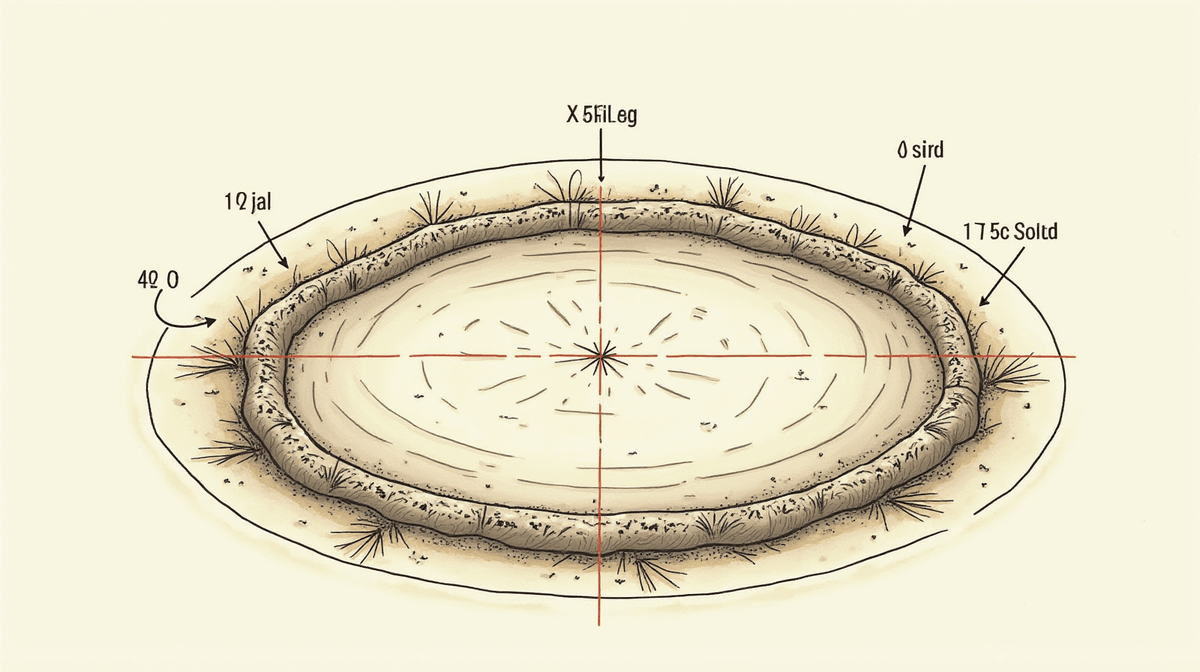
I’m not talking about making your yard look like a formal French estate. I'm talking about using shapes—like circles, spirals, or arcs—as a framework to guide your planting. A circle garden, for example, creates a natural focal point and allows you to pack plants in more densely than a standard rectangular bed might allow. Geometry provides a "map" for the eye. It helps you define boundaries and ensures that every plant has a specific place to live. By using these basic shapes, you create a sense of intentionality. Even if your yard is an odd shape or quite small, a well-placed circle can break up the monotony and give your garden structure that lasts across seasons.
Finding your flow: Translating design ideas to real-world yards
A common misconception I hear from neighbors is that "garden design" is only for people with massive acreage and professional landscapers. They see these big, sprawling designs in magazines—sometimes featuring 100-foot circles of wild prairie grass—and think it’s not applicable to their small backyard or a few raised beds. That couldn't be further from the truth.
The key is scaling down while keeping the density high. You don't need a massive field to benefit from a circular design; you just need to shrink the scale of the circle until it fits your space. If you have a small corner, that might mean a 10-foot diameter circle. If you’re working with containers or raised beds, think about how those shapes can be repeated to create "islands" of interest. The goal is to eliminate wasted space. In my experience, the best way to do this is to plant closer together than you think you should—almost touching each other—so that by the time they fill out over a few seasons, there isn't a gap where weeds can move in. Whether it’s a tiny three-foot circle or a large winding path of plantings, the geometry serves as your blueprint for what is "in" and what is "out."
The Secret Weapon: Native Plants and the Pollinator Payoff
If we want to get those bees and butterflies into our yards consistently, we have to give them something they recognize. This is where native plants become your most powerful tool. I’ve learned through many seasons of trial and error that while a non-native exotic might put on a spectacular show for two weeks in June, it often fails to provide the consistent food source that local insects need throughout their life cycles.
Native plants have co-evolved with our local environment; they are built to survive our specific droughts, frosts, and soil types. More importantly, they contain the specific chemical "signals" and nutrient profiles that native pollinators have evolved to find. When you plant a native species, you aren't just planting a flower; you’re providing a known resource. To make this work even better, focus on diversity in bloom time. You want something blooming in early spring when the first bees emerge, steady production through the heat of mid-summer, and some late-season interest to feed pollinators before they head into winter. A variety of natives ensures that your "buzzing backyard" doesn't go quiet just because one specific flower isn't currently in bloom.
Getting your hands dirty: Structuring the plot and planting in layers
Once you’ve picked your shape and your plants, it’s time to actually move some dirt. One mistake I see a lot is people treating every plant as if it has the same needs for space or depth. To create a garden that lasts, you have to think about "layering." This means thinking vertically and horizontally at the same time.
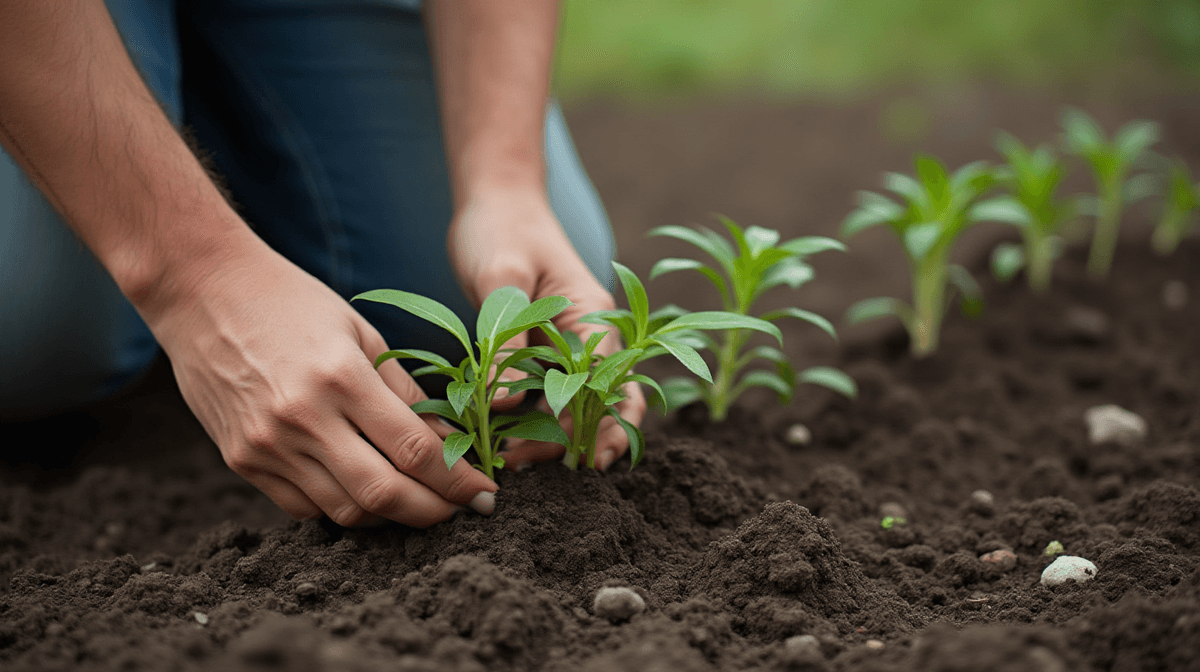
Start by preparing your beds properly. In my yard, this often involves ensuring good drainage—something we struggle with in certain zones where heavy rains can turn soil into a swamp for days. Once the bed is prepped, start planting in layers:
- The Groundcover Layer: These are low-growing plants that hug the soil. They act as a living mulch, keeping moisture in and weeds out.
- The Mid-Layer: These are your primary "show" flowers—the ones that fill the middle of your circle or bed with color and texture.
- The Structural Layer: These are taller plants or shrubs that provide height and backdrop.
By planting this way, you ensure that every inch of available space is utilized. You want to create a dense, interwoven tapestry where there is no "bare" earth visible. This doesn't just look better; it creates a more stable environment for the roots to thrive and keeps your garden looking full even as some plants go dormant for the winter.
Three natives that work hard: Spotlight on reliable bloomers
I want to share a few specific varieties that have stood up to my scrutiny over many seasons in the Oklahoma heat. These aren't just "pretty" flowers; they are workhorses that provide great structure and heavy pollinator interest. When you find these, try to group them by their needs so your maintenance stays simple.
| Plant Name | Typical Height | Bloom Period | Why it works |
|---|---|---|---|
| Agastache (Hyssop) | 2-3 feet | Mid-Summer | Extremely hardy, loves full sun, and is a magnet for bees. |
| Liatris (Blazing Star) | 3-5 feet | Late Summer | Provides great vertical "spikes" of color; very drought tolerant once established. |
| Echinacea (Coneflower) | 2-4 feet | Summer to Fall | Sturdy stems, long blooming season, and provides seeds for birds in winter. |
Each of these has its own personality. Agastache is my go-to when I want something that can handle a bit of neglect but still offers a massive amount of nectar. Liatris gives you that verticality that makes a circle garden look intentional rather than flat. Echinacea is the backbone; it’s tough as nails and provides that consistent, dependable presence in the mid-section of your design.
The next steps: Keeping it going without losing your mind
The biggest hurdle for many gardeners is the fear that "natural" or "native" means "high maintenance." I can tell you from experience that's not the case. In fact, a well-structured garden with the right plants usually requires less work over time than a traditional lawn-centric landscape. The goal here is to build something sustainable—a system that works for you as much as it does for the bees.
To keep your momentum going without burning out, focus on these three things:
- Mulch Heavily: A thick layer of wood chips or straw helps suppress weeds and keeps moisture in the soil during those scorching summer months.
- Prune with Purpose: Instead of constant "deadheading" (removing every spent bloom), only prune back your perennials once a year after they have finished their season and gone dormant. This allows them to store energy for next year's growth.
- Let it Go to Seed: Unless you find the look bothersome, let some of your natives go to seed in the fall. It provides winter interest and is vital food for local birds.
Start small. You don’t have to overhaul your entire property this weekend. Pick one corner, pick one shape, and start there. A garden that thrives on its own terms—with a bit of structure and some native muscle—is much easier to enjoy than one you have to fight against every day.
Your turn
What single plant in your yard is doing the best job for pollinators right now? Share a photo and tell us what species it is!
🌿 Get Seasonal Gardening Tips
New guides, planting reminders, and growing tips — straight to your inbox.
No spam. Unsubscribe anytime.
About the Author
David Rodgers is the Founder & Head Gardener of Planting Atlas. With over 40 years of hands-on gardening experience in Oklahoma's Zone 7 climate, he researches, writes, and personally tests every guide on the site.
David draws from real backyard trials, soil testing, and trusted sources like Oklahoma State University Extension and USDA data to deliver practical, zone-specific advice that actually works.
Read more about David and Planting Atlas →