Loading…
←Back to Newsletters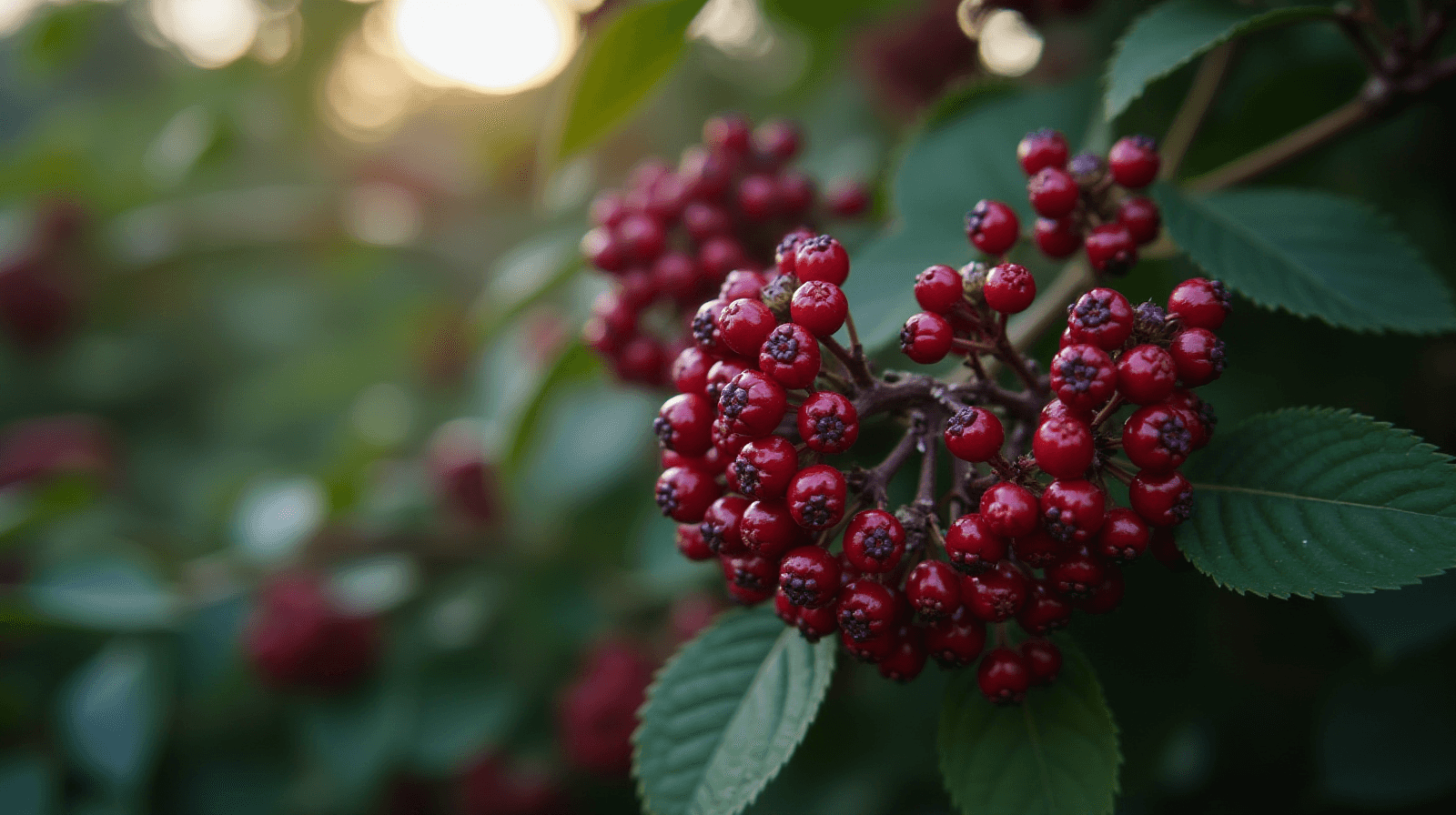
Building a Bird Buffet: Native Trees and Shrubs That Feed Your Yard.
Written by David Rodgers — 2026-08-20
A guide to planting plants that not only look good but actually support local wildlife.
The newsletter for gardeners who'd rather learn from a mistake made 40 years ago than repeat it themselves.
wildlifenative plantsornamental treesbird feeders
The Bird Buffet: Why Planting for Critters is Different from Just Planting Pretty Stuff
I spent a lot of years early on thinking that if I just put some colorful flowers and a few trees in my backyard, the birds would eventually show up and stay. It’s a common mistake because our minds are wired to appreciate what looks good first. But after four decades of trial and error here in Oklahoma, I can tell you that "pretty" doesn't always equal "productive." A lot of those high-maintenance, nursery-standard hybrids look stunning for three weeks in June but offer absolutely nothing to a hungry bird by October.
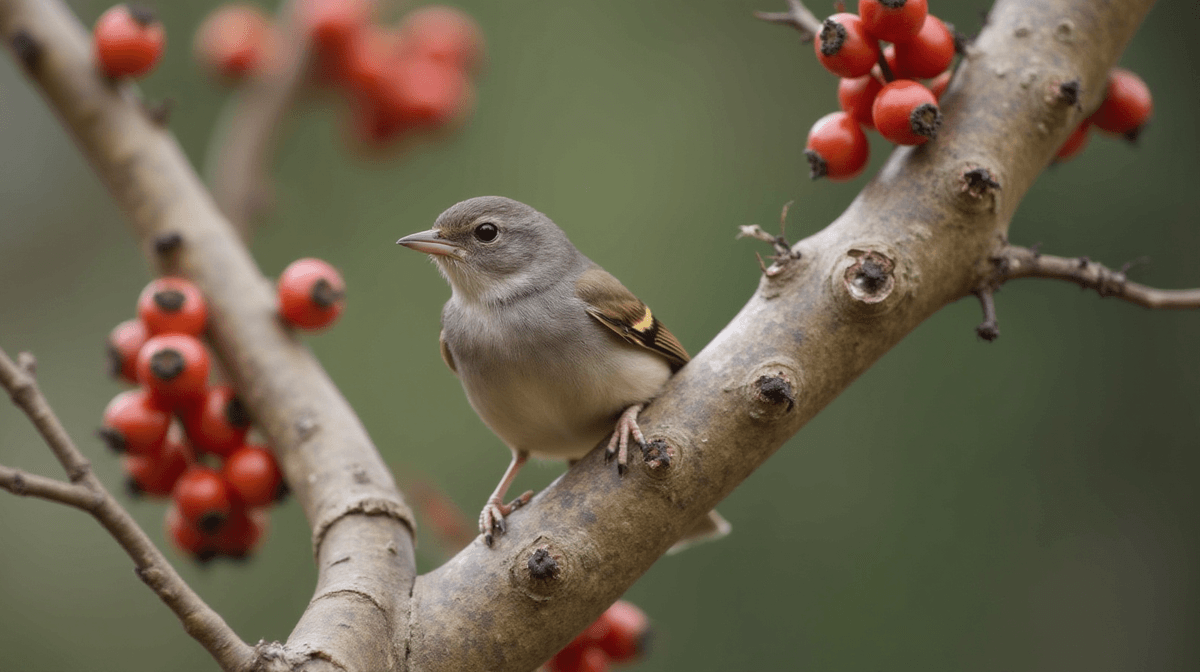
If you want a yard full of activity—the constant fluttering and chirping of local birds—you have to think about the year-long cycle. Birds aren't just looking for a place to sit; they are looking for fuel and shelter. A "bird buffet" isn't about one big event in spring; it’s about providing resources across every season. You need plants that provide high-protein seeds for the winter, berries that persist through early frosts, and dense foliage where birds can hide from predators or just hunk down during a cold snap. When we move away from "pretty" as our only metric and start thinking about "functional," your garden transforms from a static picture into a living ecosystem.
Which Plants Actually Feed the Neighborhood Birds?
When you're looking for real workhorses—the plants that actually do the heavy lifting of feeding local birds—you want to look toward native species that have evolved right alongside our local wildlife. In my experience, three types of plants provide the most consistent "menu" items for a variety of bird species:
- Viburnums: These are incredibly hardy and often produce clusters of berries that hold their color well into the winter. They aren't just pretty; they stay useful long after the first frost hits.
- Hawthorns (Crataegus): If you want something tough, go with a Hawthorn. They produce small, hard-shelled fruits (often called "haws"). While many birds might ignore them in the summer, they are staples for smaller birds during the lean months of late fall.
- Serviceberries: These provide an early feast. They offer high-quality berries that can be a critical energy source as some species begin preparing for migration or winter survival.
The key is variety. By mixing these types, you ensure there’s something on the "menu" regardless of what month it happens to be.
Don’t Just Plant for Spring Bloom—Think Winter Survival
One thing I learned the hard way is that a garden that looks great in May can be a desert by January. In Zone 7, we deal with significant temperature swings and early frosts that can wipe out "soft" foliage quickly. To keep birds coming back every year, you have to plant for structure as much as for food.
This means incorporating evergreens or semi-evergreen shrubs into your plan. These provide the physical architecture of your garden—dense branches where a bird can actually hide from a hawk or find shelter from the wind. When we talk about "winter survival," we mean plants that maintain their form and, ideally, some fruit source during the cold months. For example, certain types of hardy viburnum don't just offer berries; they provide thickets that remain useful long after the deciduous trees have lost their leaves. You want to avoid a "blank" landscape in November. If your backyard is empty of cover and food by December, the birds will move on to someone else’s yard where the buffet stays open all year round.
Avoiding Mistakes: The Trap of Invasive Ornamentals
It’s very easy—and honestly tempting—to go with what's "easy" at a local nursery or big-box store. However, many common ornamental varieties are actually invasive species or have been bred to be so "perfect" that they no longer produce much fruit or seed. I see people planting things like certain types of Bradford Pears or some high-bloom cultivars that look great but eventually take over the neighborhood and offer zero nutritional value to local birds.
When you choose a plant, ask yourself if it's a "wild" success for a reason. If a shrub is known for being invasive in our region, it’s likely because it’s outcompeting the native plants that actually provide the specific types of seeds and berries our birds need. Instead of these high-maintenance "problem" plants, stick to established local favorites. For instance, if you're tempted by a generic ornamental shrub with massive flowers but no fruit, swap it for a wild plum or a native hawthorn. They might not have that perfectly uniform bloom, but they will provide the heavy lifting your garden needs to support the birds.
Planting for Specific Species (The 'Why' Guide)
To get the most out of your planting, it helps to understand what different birds are actually looking for at different times. Not every bird wants a berry; some want high-protein seeds to help them build fat reserves before winter. By understanding these needs, you can be more intentional with your choices.
| Bird Type | Preferred Resource | Key Plant Benefits |
|---|---|---|
| Songbirds (e.g., Thrushes) | Soft Berries | Provide quick energy and hydration during fall migrations. |
| Finches & Sparrows | Hard Seeds | Essential for high-protein nutrition to survive the winter cold. |
| Woodpeckers | Bark/Seeds | Need sturdy wood structures and hardy seeds from native trees. |
For example, if you want to attract finches, focus on shrubs like Hawthorns that produce durable fruits with hard seeds. If your goal is to help migratory birds through the fall, prioritize fruit-bearing varieties like Serviceberry or elderberry. By matching the plant's output to the bird’s specific needs, you aren't just guessing—you're providing a targeted resource. It makes for a much more active and diverse backyard environment over time.
Bonus Care Tips: Keeping Your Wildlife Garden Healthy
A common mistake I see is people thinking that once they plant these "tough" native shrubs, they never have to think about them again. While many of these are hardy, they still need some basic care to thrive in our climate and stay productive for the birds.
First, spacing is crucial. It’s tempting to plant things close together to create a dense thicket quickly, but if they are too crowded, you can end up with poor airflow and increased risk of fungal issues or pests. Give your shrubs enough breathing room so they don't become "sick" plants. Second, be careful with pruning timing. You never want to prune back the fruit-bearing branches in late summer or fall; that’s when the tree is setting its "buffet" for next year. Wait until the winter months after the fruit has been eaten and dropped to do your heavy pruning. Finally, keep an eye on local pests like deer. If you have a high concentration of deer in your area, they may try to eat your berry bushes before the birds can get to them. In those cases, I recommend choosing "deer-resistant" varieties or using physical barriers until the shrub is established enough to handle some browsing.
Your turn
What species are you hoping to attract this season? Share your favorite backyard bird sighting in the comments! Have a neighbor whose yard is known for its wildlife? Send us a photo of their bounty and tag them!
🌿 Get Seasonal Gardening Tips
New guides, planting reminders, and growing tips — straight to your inbox.
No spam. Unsubscribe anytime.
About the Author
David Rodgers is the Founder & Head Gardener of Planting Atlas. With over 40 years of hands-on gardening experience in Oklahoma's Zone 7 climate, he researches, writes, and personally tests every guide on the site.
David draws from real backyard trials, soil testing, and trusted sources like Oklahoma State University Extension and USDA data to deliver practical, zone-specific advice that actually works.
Read more about David and Planting Atlas →