Loading…
←Back to Newsletters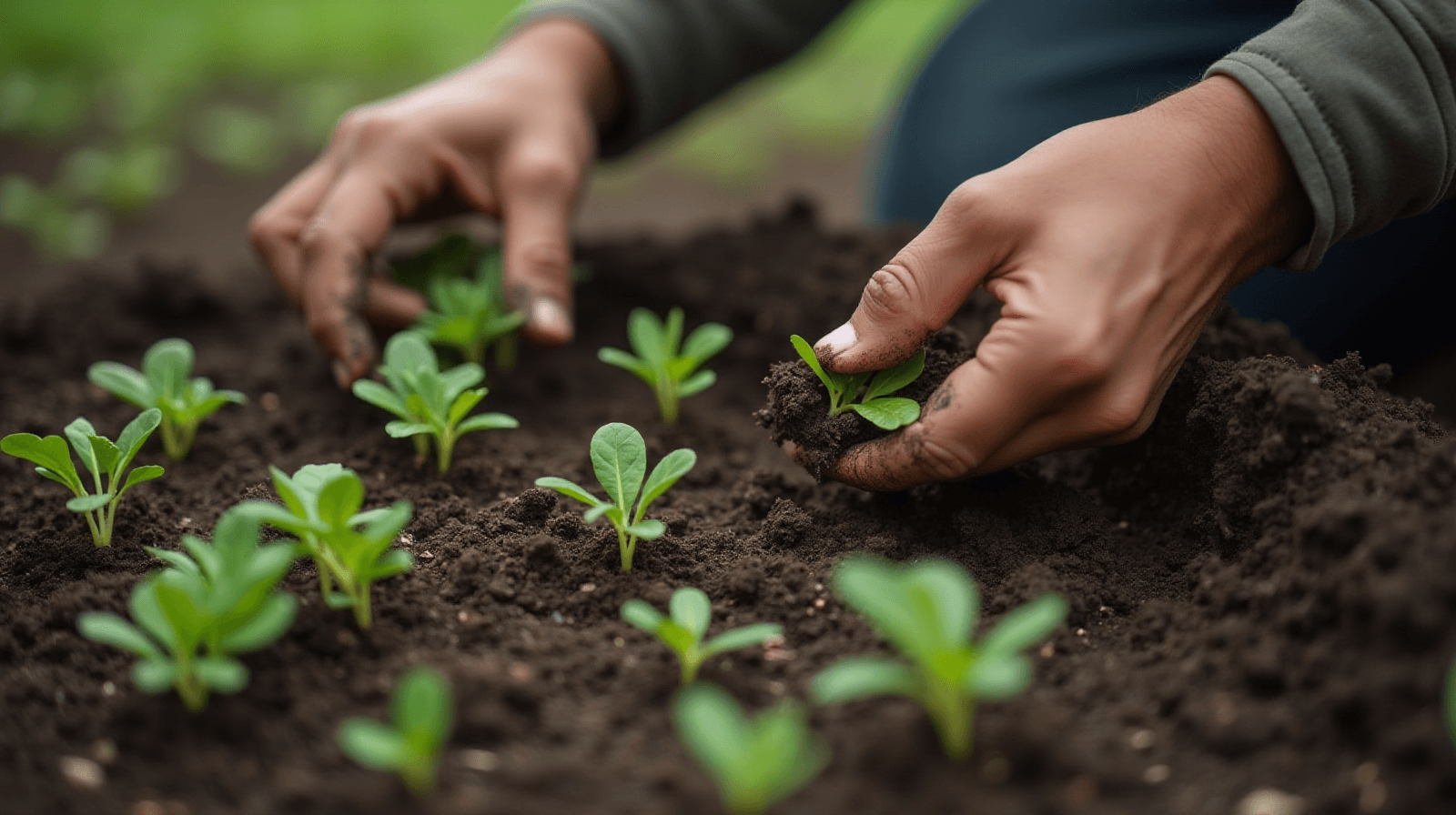
Bridging the Gap: Seeding Fast Greens Before the First Frost
Written by David Rodgers — 2026-08-21
Maximizing harvest yield in late summer to fill time until fall bounty.
The newsletter for backyard growers who'd rather learn from a mistake made 40 years ago than repeat it themselves.
salad greenslate season plantingsoil prepquick harvests
Don't just scatter seeds: prepping your bed for quick greens
One mistake I made early in my gardening journey—and one you can avoid right now—is over-preparing the soil for crops that don’t need it. When we think of "planting," many of us instinctively want to grab a tiller or a heavy spade and turn the earth deep. While that's great for some things, these quick greens are different. They have shallow root systems and very small seeds. If you work the soil too deeply, you might actually make it harder for them to establish quickly.
Instead of heavy digging, focus on "tilling" in a literal sense: breaking up clods and creating a fine, crumbly top layer. You want a bed that feels loose under your feet. I’ve found that using a garden rake or even a heavy-duty hoe to break up the surface is much more effective for these crops than deep tilling. The goal here isn't to move mountains of dirt; it's about ensuring there are no large chunks of soil where tiny seeds can get "lost" and rot before they germinate. If you have heavy clay, work that top three inches until it’s friable. A clean, level surface ensures that when you do scatter your seeds, every single one has a fair shot at reaching the light.
The 'salad crew': what to sow right now and why it works so well
When summer starts to fade but the humidity is still hanging around, there is a specific group of plants I call my "salad crew." These are Arugula, Mizuna, and Radishes. They are my go-to choices for late-season success because they have what I like to call a "short fuse." They grow fast enough that they can make it from seed to harvest before the heavy autumn rains or the first hard frost shuts everything down.
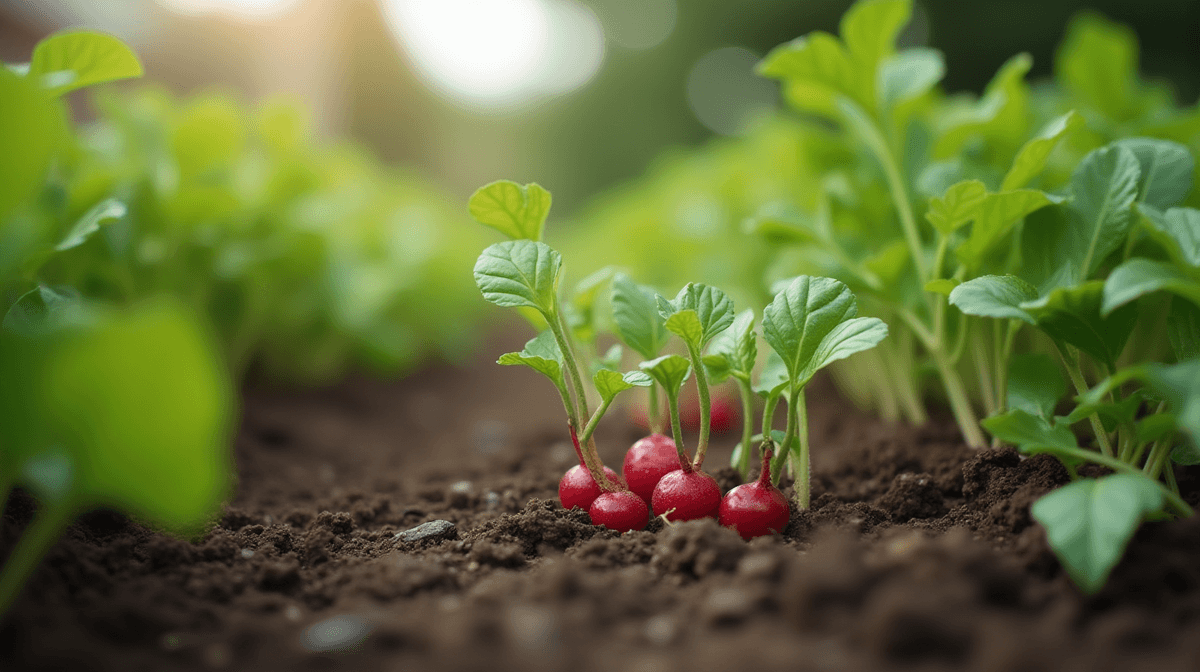
Arugula provides that peppery kick, while Mizuna offers a milder, slightly spicy leaf. Both are incredibly hardy compared to standard lettuce, which often gives up and "bolts" (goes to seed prematurely) as soon as the nights get long. Radishes are my favorite way to fill space; they are basically the marathon runners of the garden—they'll pop up in about 25-30 days. These three crops work well because they don't require months of pampered growth. They take what the soil gives them and produce a harvest quickly, making them perfect for bridging that gap between your summer tomatoes and your winter squash.
When is the best time to plant this stuff? Zoning out your planting schedule.
Timing isn't just about the date on the calendar; it’s about where you live in terms of USDA zones and local frost patterns. A "late summer" window looks very different in Oklahoma than it does in Maine. In my experience, the goal is to get these crops into the ground early enough that they have at least 40-50 days before your first expected frost.
Because these greens grow so quickly, you can often plant them multiple times throughout the late summer and fall. If you are in a warmer zone (like 7 or higher), you might start this cycle as early as July to beat the heat's peak while still having plenty of time for growth. In cooler zones, your window might be much tighter.
| USDA Zone | Typical Late Summer Planting Window | Goal |
|---|---|---|
| Zones 3-5 | August - Mid September | Get them in early to beat the frost |
| Zones 6-8 | July - October | Successive plantings until first frost |
| Zones 9+ | June - November | Continuous planting through fall |
Always check your local average dates. If you’re unsure, aim for a "safety buffer" of at least three weeks before the typical first frost in your specific county.
Getting seeds into the soil: simple steps for maximum germination
One of the biggest hurdles with small-seeded crops like arugula and mizuna is that they are tiny—some are about the size of a grain of sand. If you try to "plant" them by pushing them two inches into the dirt, they will likely never see the light they need to sprout. They’ll just sit in the dark and rot.
For these greens, I recommend a method called surface broadcasting or "light sowing." Here is how I do it:
- Prepare the area: Ensure your soil is raked smooth with no large clods of dirt.
- Broadcast: Scatter the seeds across the area. You can do this by hand-tossing them in small sections or using a seed spreader for larger beds.
- Firm it down: Instead of digging, use a rake to lightly "drag" the soil over the seeds—just enough to settle them into place without burying them deeply.
- Watering: Use a fine mist from a hose rather than a heavy stream. A heavy blast of water will wash your tiny seeds away or pack them too deep into the mud.
If you are planting radishes, they can handle being tucked in slightly deeper—about half an inch—but for the greens, keep it on the surface.
Making sure your greens survive until fall
Even though these crops are hardy, late summer can be a brutal time to garden. In many regions, the heat remains intense even as the days get shorter. The biggest threats here are "heat stress" (where the plant gets too hot and stops growing) and "bolting." Bolting is when the plant realizes it's under stress and decides to skip the leafy stage and go straight to making flowers and seeds. Once a plant bolts, the leaves usually become bitter or woody.
To keep your greens happy until fall:
- Mulch is non-negotiable: Apply a 2-3 inch layer of straw or shredded mulch around your beds. This keeps the soil temperature stable and holds in moisture so you aren't constantly watering during those hot afternoon spikes.
- Provide Shade if Needed: If you are in a warmer zone (7+) and we hit a stretch of extreme heat, a simple row cover or some 30% shade cloth can keep the greens from getting scorched.
- Keep them watered: While they don't need deep watering like tomatoes do, the top layer needs to stay consistently moist so the young roots don't dry out in the sun.
Tips for keeping the harvest going all season long
The secret to a continuous supply of greens isn't just planting once; it’s about "succession" and how you harvest what you have. If you plant your entire bed on one day, you’ll have a massive amount of arugula in three weeks and nothing but empty space the week after.
Instead, I recommend a staggered approach:
- Succession Planting: Divide your garden bed into sections. Plant section A this week, section B in two weeks, and so on. This ensures a steady supply for your kitchen rather than one giant haul.
- Cut-and-Come-Again: For the greens like mizuna and arugula, don't pull the whole plant out as soon as it’s big enough. Instead, use garden shears to cut the outer leaves just above the soil line. This allows the center of the plant to keep growing, providing you with fresh leaves for several weeks from a single planting.
- Thinning: If you sow seeds densely (which is common for these types of crops), make sure to "thin" them out once they are about two inches tall. Pull out any extra seedlings so the remaining ones have enough room to develop large, flavorful leaves rather than growing spindly and crowded.
Your turn
What are you planting right now in your yard? Let me know what's working for you. Share this with a neighbor who is also trying to make the most of their late summer garden!
🌿 Get Seasonal Gardening Tips
New guides, planting reminders, and growing tips — straight to your inbox.
No spam. Unsubscribe anytime.
About the Author
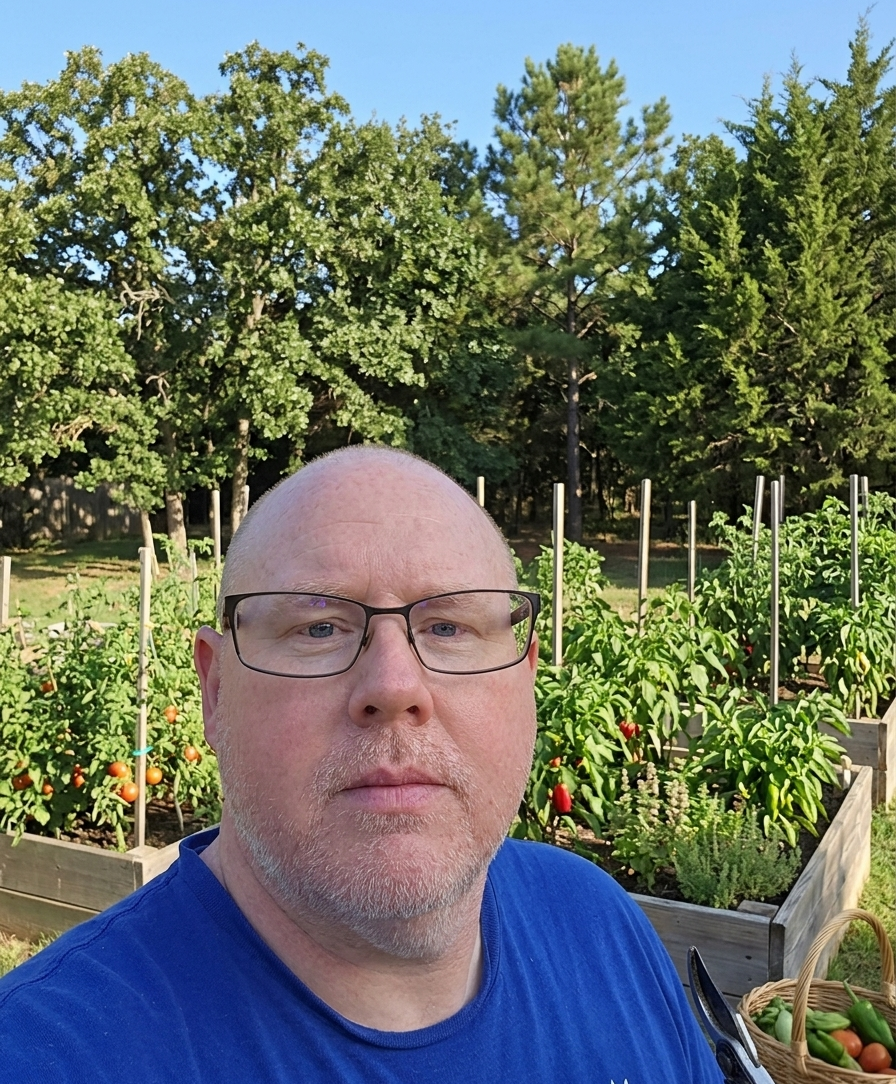
David Rodgers is the Founder & Head Gardener of Planting Atlas. With over 40 years of hands-on gardening experience in Oklahoma's Zone 7 climate, he researches, writes, and personally tests every guide on the site.
David draws from real backyard trials, soil testing, and trusted sources like Oklahoma State University Extension and USDA data to deliver practical, zone-specific advice that actually works.
Read more about David and Planting Atlas →