Loading…
←Back to Newsletters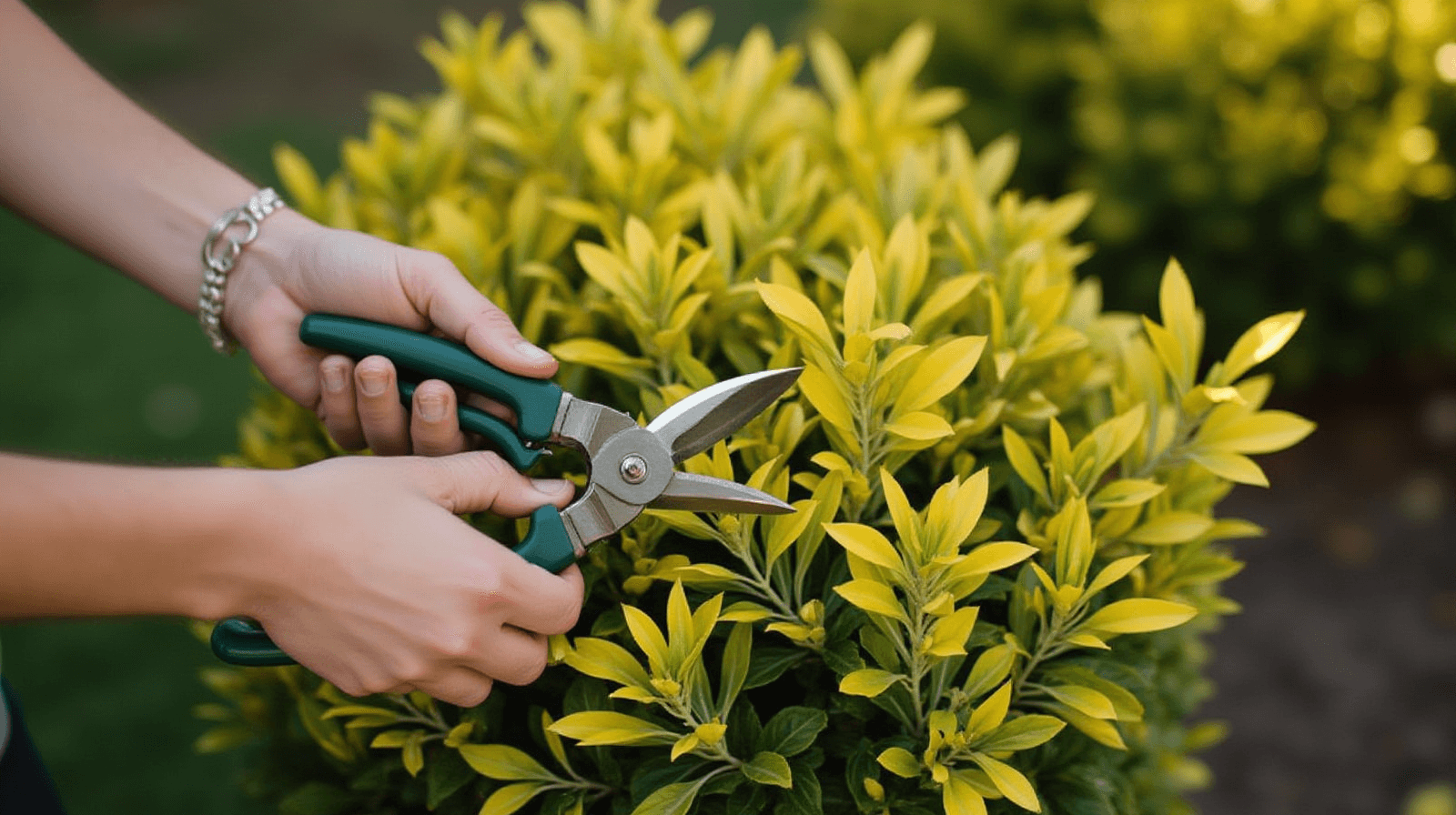

Box Tree Moth Infestation Management: What to Do Now
Written by David Rodgers — 2026-08-19
A hands-on guide for keeping your ornamental shrubs healthy this season.
The newsletter for backyard growers who'd rather learn from a mistake made 40 years ago than repeat it themselves.
Buxus spp.Pest ControlOrnamentalsOklahoma
First, Figure Out How Bad It Is (The Inspection)
Before you grab your shears or head to the store for something stronger, take a close look at what’s actually happening on those leaves. One of the hardest things about dealing with pests like the Box Tree Moth (BTM) is distinguishing them from other common issues like mites or lace bugs.
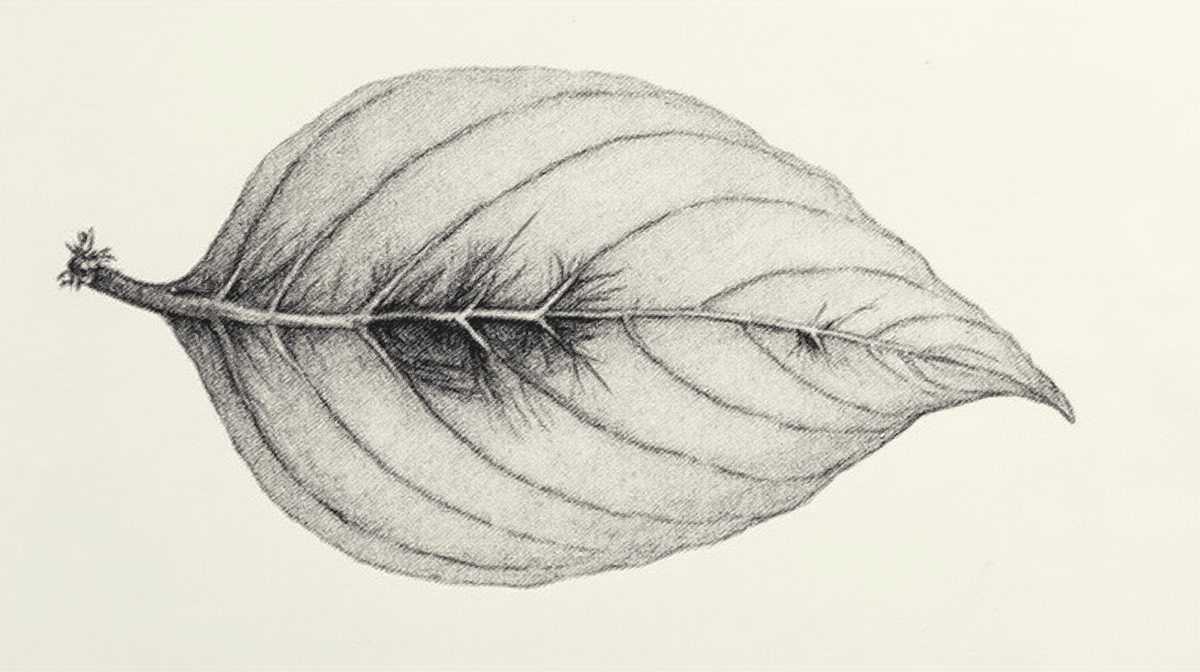
When BTM hits, it isn't just "eating" the leaf; they are essentially skeletonizing it. You’ll see patches where only the veins remain, and often there will be a light webbing between the stems—that’s the telltale sign of caterpillar activity. If you see small brown spots or dusty residue without the web, it might just be something else entirely.
I learned early on that catching this in the "scout" phase is everything. If you wait until the entire shrub looks like a scorched skeleton, your options for rescue are much slimmer. You want to catch them while they are still small and active. Walk slowly around the perimeter of the bush; pests often hide in the interior where it’s harder to see from a distance. Finding those first signs of webbing means you can act before the damage becomes permanent.
What Can We Do Right Now? Dealing with the Damage
If you’ve confirmed that BTM is currently devouring your greens, our immediate goal is "triage." You want to stop the current generation from destroying more foliage while preparing the plant for recovery. The most effective move right now is aggressive pruning of heavily damaged sections.
I don't mean just a light trim; if a branch is already skeletonized or turning brown and brittle, cut it back significantly. This removes the immediate food source and reduces the "hiding spots" where larvae can congregate. However, there is a golden rule here: never, ever compost these clippings. You’ll just be feeding the problem for next year. Bag them up and get them out of your yard.
Removing the damaged wood also helps the plant redirect its energy toward new growth rather than trying to maintain dying tissue. It might look like you're taking a lot off at once, but it’s much better to have a smaller, healthy-looking shrub that can push out fresh buds in the next cycle than a large one that is slowly dying from the inside out because of an unchecked infestation.
Stopping It Next Lu: Prevention Tactics (Cultural Controls)
Once you've handled the immediate crisis, we need to build some defenses for next year. You can’t always keep every single moth away, but you can make your garden a much less inviting place for them to stay. One of my biggest "aha" moments was realizing how much airflow matters.
Crowded boxwoods are like a buffet with no air; they provide the perfect humid microclimate for pests to thrive. When planting new shrubs or replacing those we just pruned back, give them enough space so that air can move through the center of the bush. This makes it harder for larvae to establish themselves and helps keep the foliage dry and healthy.
Additionally, timing your cleanup is vital. In late fall, once the first frost hits and the insects go dormant or die off, clear out any fallen leaves or debris from around the base of your shrubs. We want to eliminate any "bridge" that allows pests to move easily from the ground up into the foliage. A clean perimeter acts as a physical barrier and makes it much easier for you to spot problems early next spring before they become full-blown infestations.
The Biological Approach (When Chemicals Aren't an Option)
For many of us, using heavy-duty pesticides isn't the first choice—especially when we have kids or pets running around the yard. Fortunately, there are very effective ways to handle BTM without turning your garden into a chemical zone.
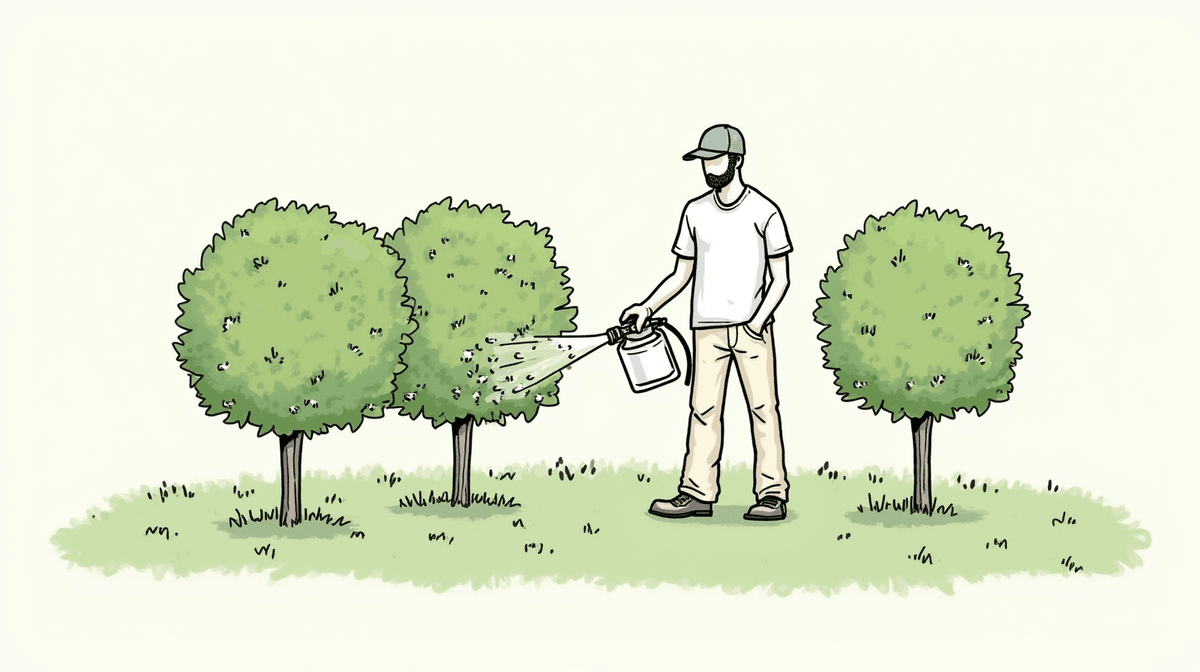
The most common and reliable method is using Bacillus thuringiensis, commonly known as Bt. It’s not a traditional "poison" in the way people think; it's actually a naturally occurring soil bacterium that specifically targets caterpillars. Because it only affects insects with chewing mouthparts, it won't hurt bees, ladybugs, or other beneficial garden residents. When you spray your shrubs with a Bt solution, it coats the leaves and is ingested by any larvae trying to take a bite.
If you’re dealing with a smaller localized area, some gardeners also use beneficial nematodes in the soil during the early spring to manage certain types of pests that move through the ground. However, for BTM specifically, a consistent application of Bt throughout the peak feeding season is your best line of defense. It's simple enough that you don't need a degree in chemistry to do it right; just make sure you are applying it when they are actively eating.
A Note on Timing: When Is the Best Time to Act?
Timing is everything in gardening, and with pests like BTM, your window of opportunity depends heavily on their life cycle and your local climate. In our region (Zone 7), we have to be strategic about when we prune and when we treat. If you spray too early or too late, the insects might be dormant inside the buds or stems where the treatment can't reach them.
We want to hit them during their "active" phase—when they are out on the leaves eating as much as possible. This usually aligns with the warmer months when growth is most rapid. Below is a general guide for how timing should shift based on your local conditions and specific goals:
| Action | Best Timing (Zone 7) | Why it matters |
|---|---|---|
| Heavy Pruning | Late Winter / Early Spring | Removes last year's damage before new growth starts. |
| Bt Spraying | May through July | Targets larvae during their peak feeding windows. |
| Debris Cleanup | Late Fall (Post-Frost) | Ensures no "hiding spots" remain for the winter. |
| Scouting | Every 2 weeks in June | Catch early signs before they become a full infestation. |
By following this rhythm, you aren't just reacting to problems; you’re staying one step ahead of the insect's schedule.
The Boxwood Life Cycle (And how we break it)
To truly win the war against Box Tree Moths, you have to understand why they seem so persistent. They don't just appear out of nowhere in June; they are often living in your yard all year long, just changing their "outfit." During the winter months, many stages of the life cycle—eggs and small larvae—hide deep inside the buds or within the woody stems of the plant.
This is why a single treatment in July isn't enough to "fix" the problem for good. You have to break the cycle at multiple points. By pruning back heavily damaged wood, you are physically removing some of their winter hiding spots. By cleaning up debris in the fall, you remove their staging grounds. And by using consistent biological controls during the summer, you ensure that any larvae that do make it out into the foliage don't survive long enough to lay the next generation of eggs.
Think of it like a multi-layered defense. We aren't just trying to kill this year’s bugs; we are trying to make your specific boxwood such an inhospitable environment that, over time, the local population can no longer sustain itself in your yard. It takes patience, but breaking that cycle is the only way to get a permanent win for your landscape.
Quick Checklist: Saving Your Shrubs
If you're heading out into the garden today and want a clear path forward, follow these steps in order. This will help you move from "panic mode" to an organized management plan.
- Conduct a Scouting Walk: Walk around every boxwood. Look for webbing between stems and skeletonized leaves. If it looks like a lace doily is being eaten by something, mark that spot.
- Perform Targeted Pruning: Cut back any branches that are more than 50% damaged or showing signs of dieback. Get the "dead weight" off the plant to help it recover.
- Dispose of Waste Properly: Put all trimmings in heavy-duty bags for disposal; do not compost them, as they may contain larvae or eggs.
- Establish a Treatment Schedule: If you see active caterpillars (small green worms), start an application of Bt spray every 7–10 days during the peak summer months.
- Improve Airflow: Ensure your shrubs aren't packed too tightly together. Give them room to breathe, which naturally discourages many pests.
- Fall Cleanup: In late autumn, rake up and remove all fallen leaves from under the canopy of your boxwoods to eliminate overwintering sites.
Your turn
Are you seeing signs of BTM in your area? Tell me which kind of shrub or pest has been giving you trouble recently! Share this issue with a friend who loves their beautiful boxwoods.
🌿 Get Seasonal Gardening Tips
New guides, planting reminders, and growing tips — straight to your inbox.
No spam. Unsubscribe anytime.
About the Author
David Rodgers is the Founder & Head Gardener of Planting Atlas. With over 40 years of hands-on gardening experience in Oklahoma's Zone 7 climate, he researches, writes, and personally tests every guide on the site.
David draws from real backyard trials, soil testing, and trusted sources like Oklahoma State University Extension and USDA data to deliver practical, zone-specific advice that actually works.
Read more about David and Planting Atlas →