Soil Health & Amendment
Written by David Rodgers — Updated March 2026
Understand what your soil is, what it's lacking, and how to build the living, fertile growing medium that productive gardens depend on.
Healthy soil is not simply a medium that holds plants upright — it is a living ecosystem containing billions of microorganisms per teaspoon, a network of fungal hyphae connecting plant roots, earthworms that aerate and compost organic matter, and a chemistry that makes nutrients available or locks them away depending on pH. Most garden failures that appear to be fertilizer problems are actually soil health problems: compacted soil where roots cannot penetrate, pH imbalances that make nutrients chemically unavailable regardless of how much fertilizer is applied, or biological dead zones where soil organisms have been eliminated by compaction, synthetic chemical overuse, or lack of organic matter. A soil test is the essential first step because it reveals what your specific soil actually contains rather than requiring you to guess.
What This Guide Covers
Soil testing through your state university extension service costs five to fifteen dollars and returns a detailed analysis of pH, macro and micronutrient levels, organic matter percentage, and specific amendment recommendations. Clay soils benefit most from generous organic matter additions (compost, aged wood chips) that open the structure and improve drainage; sandy soils need organic matter to increase water and nutrient retention. The single most impactful thing most gardeners can do is apply two to four inches of compost annually and stop tilling — tillage destroys soil structure, kills fungal networks, and accelerates the oxidation of organic matter. The full guide covers how to read and act on soil test results, the role of pH and how to adjust it, building organic matter over time, specific amendments for clay and sandy soils, and the biology of living soil.
A comprehensive, in-depth guide covering soil testing and interpreting results, pH adjustment, organic matter building, amendments for clay and sandy soils, the role of soil biology, and a multi-year soil improvement plan is currently in development. Subscribe to the Planting Atlas newsletter to be notified when the full guide publishes.
🌿 Get Seasonal Gardening Tips
New guides, planting reminders, and growing tips — straight to your inbox.
No spam. Unsubscribe anytime.
About the Author
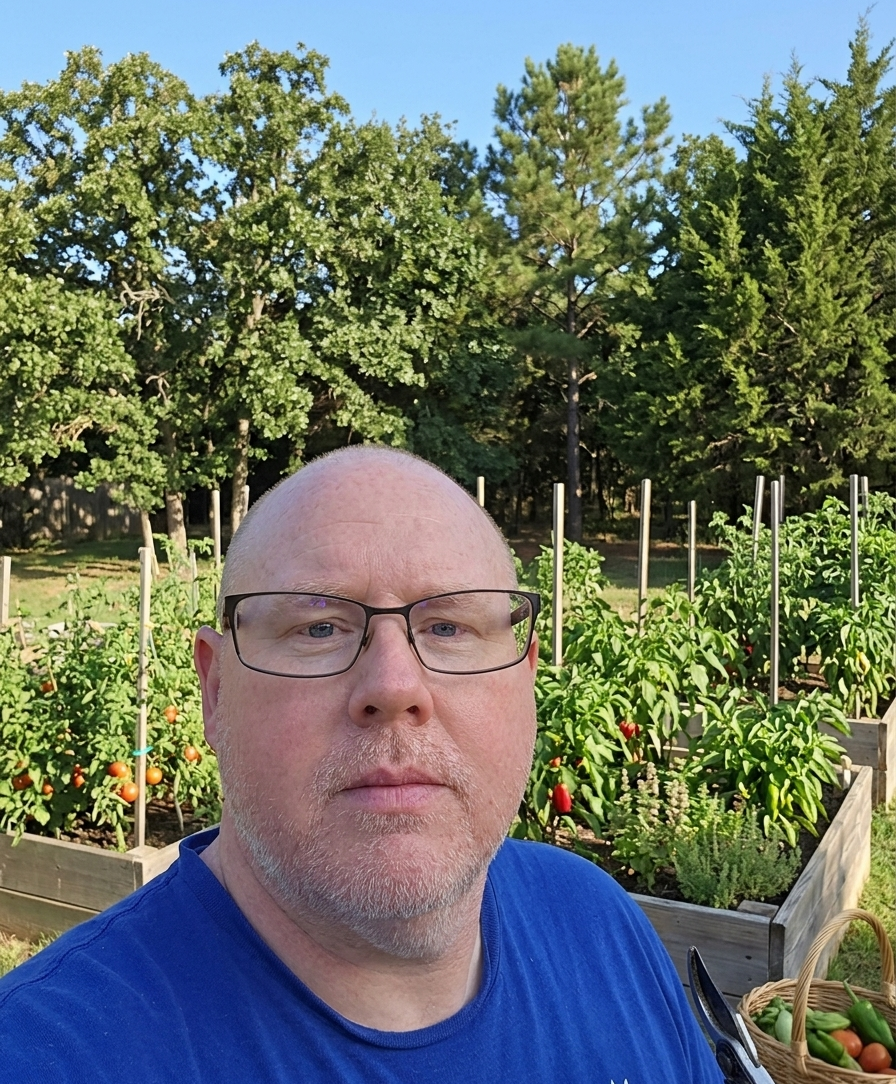
David Rodgers is the Founder & Head Gardener of Planting Atlas. With over 40 years of hands-on gardening experience in Oklahoma's Zone 7 climate, he researches, writes, and personally tests every guide on the site.
David draws from real backyard trials, soil testing, and trusted sources like Oklahoma State University Extension and USDA data to deliver practical, zone-specific advice that actually works.
Read more about David and Planting Atlas →