Seed Saving Guide
Written by David Rodgers — Updated March 2026
Save seeds from your best plants each year — building a free, locally adapted seed supply that improves with every generation.
Seed saving connects gardeners to a practice as old as agriculture itself — selecting the best-performing plants, collecting their seeds, and replanting them the following season to gradually adapt crops to local conditions, flavors, and growing challenges. The most important distinction for seed savers is between open-pollinated varieties (which produce offspring true to the parent) and hybrids labeled F1 (which produce unreliable, often inferior offspring). Only open-pollinated, heirloom, and landrace varieties are worth saving from year to year — these are the varieties where seed saving creates real value. Hybrid varieties, which dominate commercial seed catalogs, are developed by crossing two distinct parent lines; their seeds either revert toward one parent or produce a highly variable mix.
What This Guide Covers
Isolation distance — the minimum separation needed to prevent cross-pollination between varieties of the same species — is the most technically demanding aspect of seed saving for gardeners growing multiple varieties. Tomatoes are largely self-pollinating and require only ten to twenty feet of separation; corn is wind-pollinated and requires a quarter mile between varieties for reliable purity. Peppers, squash, and cucumbers fall between these extremes. Knowing when seeds are truly mature is equally important: tomato seeds are mature when the fruit is fully ripe or overripe; bean and pea seeds should be left on the plant until pods are brown and dry; and flower seeds should be collected when seed heads begin to shatter. The full guide covers which crops are easiest to save, isolation requirements by vegetable family, wet and dry seed-cleaning methods, testing germination rates, and storage conditions that extend seed viability for years.
A comprehensive, in-depth guide covering open-pollinated vs. hybrid varieties, isolation distances by crop, seed maturity indicators, wet and dry cleaning methods, germination testing, and proper long-term seed storage is currently in development. Subscribe to the Planting Atlas newsletter to be notified when the full guide publishes.
🌿 Get Seasonal Gardening Tips
New guides, planting reminders, and growing tips — straight to your inbox.
No spam. Unsubscribe anytime.
About the Author
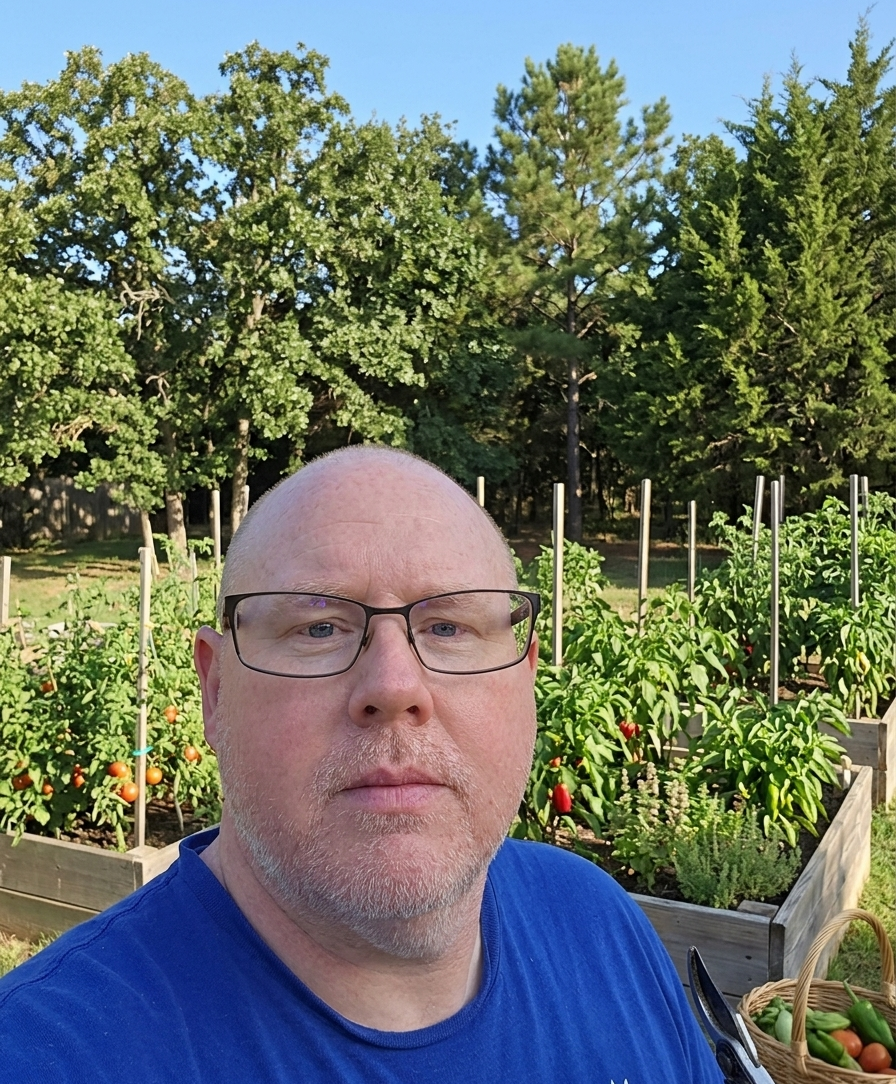
David Rodgers is the Founder & Head Gardener of Planting Atlas. With over 40 years of hands-on gardening experience in Oklahoma's Zone 7 climate, he researches, writes, and personally tests every guide on the site.
David draws from real backyard trials, soil testing, and trusted sources like Oklahoma State University Extension and USDA data to deliver practical, zone-specific advice that actually works.
Read more about David and Planting Atlas →