Post-Harvest Garden Care
Written by David Rodgers — Updated March 2026
Make the most of the season's end — save seeds, amend soil, plan rotations, and set up your garden to be healthier next year than it was this one.
What you do in the weeks after your last harvest has an outsized impact on next year's garden. Fall is the ideal time to incorporate compost and amendments because they have months to break down and integrate before spring planting. It's also the best moment to plant cover crops that protect bare soil from erosion, fix nitrogen, and add organic matter when tilled under in spring. Post-harvest care is less about cleanup and more about setting up soil biology and garden structure for the season ahead.
What This Guide Covers
Seed saving is one of the most rewarding post-harvest practices: letting a few of your best tomatoes, peppers, beans, and flowers go fully to seed and collecting them extends the life of your best performers indefinitely — provided they're open-pollinated varieties. Crop rotation planning in fall (before you forget what grew where) prevents the buildup of soilborne diseases: tomatoes, peppers, and eggplant shouldn't return to the same bed for three to four years. The question of what to cut back and what to leave standing also deserves thought — many ornamental seed heads and hollow stems provide critical overwintering habitat for native bees and beneficial insects.
A comprehensive, in-depth guide covering seed saving from vegetables and flowers, fall soil amendment timing, cover crop selection and seeding rates, crop rotation planning, and which garden debris to leave for wildlife is currently in development. Subscribe to the Planting Atlas newsletter to be notified when the full guide publishes.
🌿 Get Seasonal Gardening Tips
New guides, planting reminders, and growing tips — straight to your inbox.
No spam. Unsubscribe anytime.
About the Author
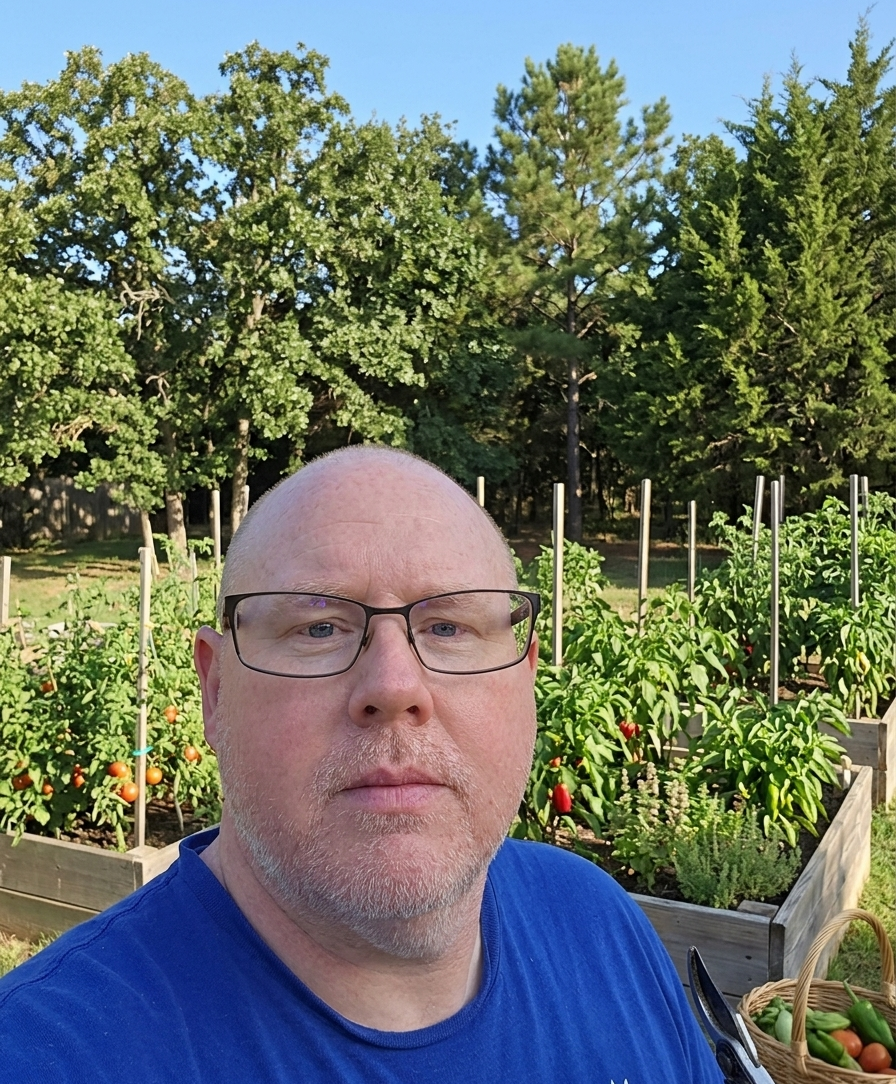
David Rodgers is the Founder & Head Gardener of Planting Atlas. With over 40 years of hands-on gardening experience in Oklahoma's Zone 7 climate, he researches, writes, and personally tests every guide on the site.
David draws from real backyard trials, soil testing, and trusted sources like Oklahoma State University Extension and USDA data to deliver practical, zone-specific advice that actually works.
Read more about David and Planting Atlas →