Pet-Friendly Plants
Written by David Rodgers — Updated March 2026
Create a beautiful garden that is safe for dogs and cats — knowing which common plants are toxic and which ASPCA-approved alternatives to choose.
Many beloved garden plants are surprisingly toxic to dogs and cats, and the list includes some of the most popular ornamentals in American gardens. True lilies (Lilium and Hemerocallis species) cause acute kidney failure in cats — even small amounts of pollen are dangerous. Sago palm, found in landscapes across the South and Southwest, contains cycasin and is one of the most lethally toxic plants to dogs, with even a few seeds potentially fatal. Autumn crocus (Colchicum), foxglove, oleander, and azaleas round out the list of commonly planted, genuinely dangerous plants for households with pets. The good news is that for nearly every high-risk plant, there are beautiful, equally garden-worthy alternatives that pose no threat.
What This Guide Covers
The ASPCA maintains a comprehensive toxic and non-toxic plant database that is the authoritative resource for specific plant safety — the full guide references this database throughout and links to it directly. Safe alternatives for lily-loving gardeners include African violets, orchids, roses, and snapdragons. Instead of foxglove, consider penstemon or salvia, which offer similar vertical structure and pollinator appeal. Designing with pets in mind also means considering which plants dogs will trample, which lawn treatments are safe for dogs who eat grass, and how to create dedicated digging or play zones that redirect pet activity away from planted beds. The full guide covers toxic plant identification, ASPCA-safe alternatives organized by garden use, and practical design strategies for gardens shared with dogs and cats.
A comprehensive, in-depth guide covering the most dangerous plants for dogs and cats, safe alternatives by plant category, ASPCA resource links, and design strategies for pet-friendly garden spaces is currently in development. Subscribe to the Planting Atlas newsletter to be notified when the full guide publishes.
🌿 Get Seasonal Gardening Tips
New guides, planting reminders, and growing tips — straight to your inbox.
No spam. Unsubscribe anytime.
About the Author
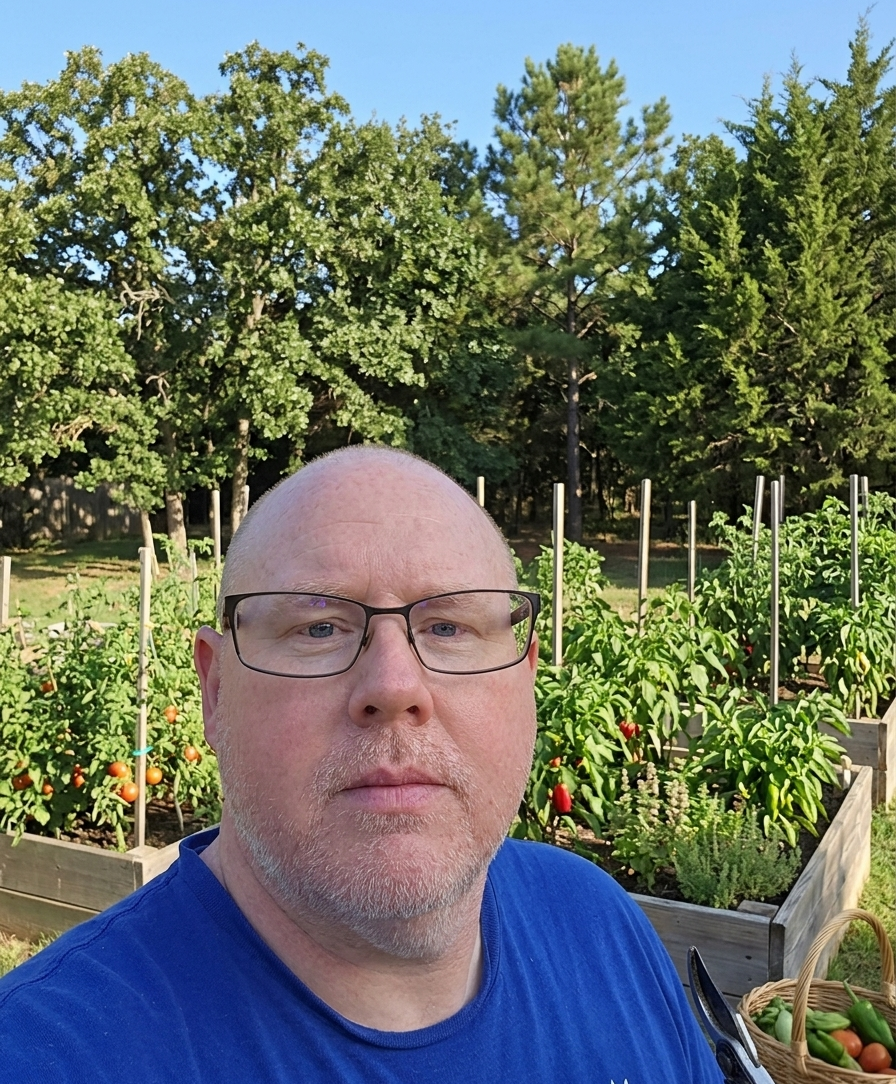
David Rodgers is the Founder & Head Gardener of Planting Atlas. With over 40 years of hands-on gardening experience in Oklahoma's Zone 7 climate, he researches, writes, and personally tests every guide on the site.
David draws from real backyard trials, soil testing, and trusted sources like Oklahoma State University Extension and USDA data to deliver practical, zone-specific advice that actually works.
Read more about David and Planting Atlas →