No-Dig Gardening
Written by David Rodgers — Updated March 2026
Improve your soil, suppress weeds, and protect soil life by working with nature rather than against it — no tilling required.
No-dig gardening challenges the deeply ingrained assumption that soil must be turned, broken up, and aerated each season to grow well — and the soil science largely supports the challenge. Tilling destroys the fungal hyphal networks (mycorrhizae) that connect plant roots to nutrients and water; it inverts soil horizons, burying organic-matter-rich surface layers and bringing up subsoil; and it creates a fine tilth that crusts over in rain and compacts under its own weight. A no-dig system instead feeds the soil from the top down — adding compost, wood chips, or other organic materials to the surface each season, mimicking how forests and grasslands naturally build soil depth and fertility over time.
What This Guide Covers
The most practical entry point to no-dig gardening for most home gardeners is sheet mulching — also called lasagna gardening or cardboard mulching. A layer of overlapping cardboard (staples and tape removed) laid directly over grass or weeds, wetted thoroughly, and covered with four to six inches of compost or wood chips creates a new planting bed in one season without any digging. The cardboard smothers existing vegetation, worms work it into the soil, and transplants can be planted directly through it into the compost layer above. In existing beds, simply top-dressing with an inch of compost each spring rather than digging it in delivers nutrients as soil organisms carry it downward. The full guide covers the science of why tillage harms soil structure, sheet mulching step-by-step, transitioning existing beds to no-dig management, and how to handle perennial weed pressure without soil disturbance.
A comprehensive, in-depth guide covering the soil science behind no-dig gardening, sheet mulching construction, transitioning tilled beds to no-dig, managing weeds without cultivation, and building soil fertility from the surface down is currently in development. Subscribe to the Planting Atlas newsletter to be notified when the full guide publishes.
🌿 Get Seasonal Gardening Tips
New guides, planting reminders, and growing tips — straight to your inbox.
No spam. Unsubscribe anytime.
About the Author
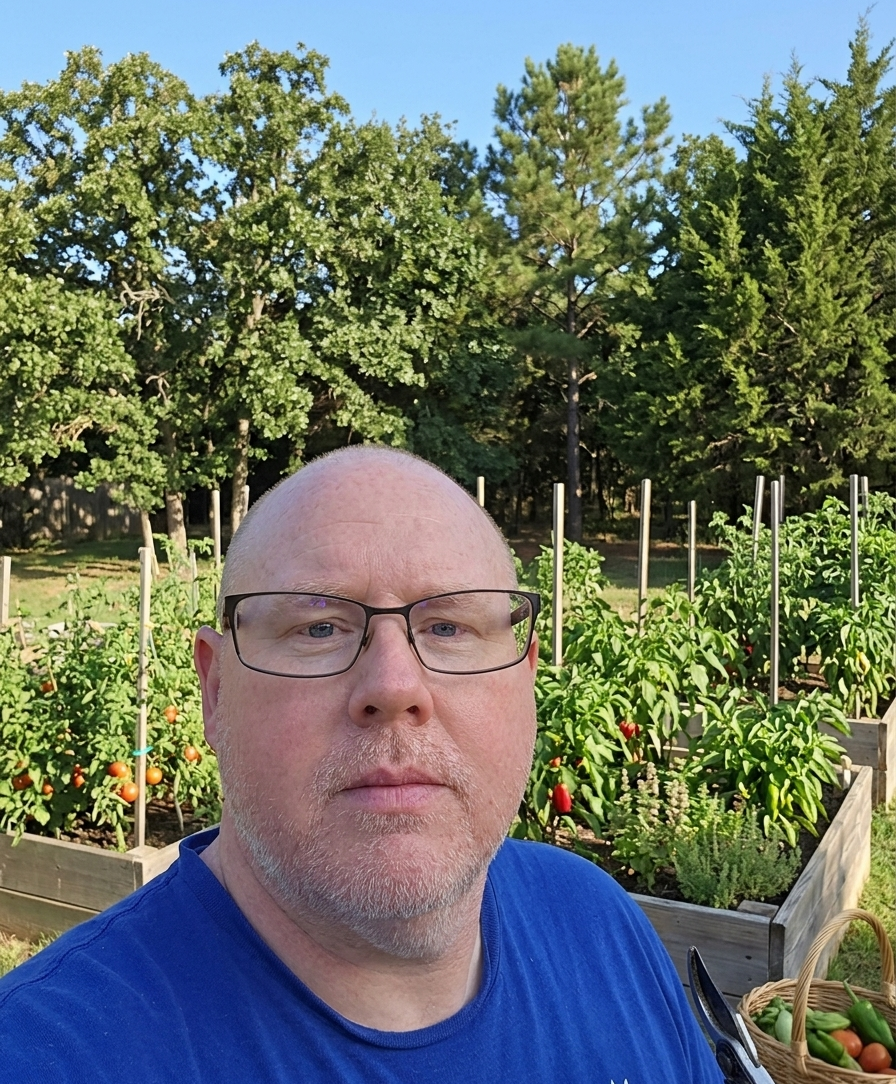
David Rodgers is the Founder & Head Gardener of Planting Atlas. With over 40 years of hands-on gardening experience in Oklahoma's Zone 7 climate, he researches, writes, and personally tests every guide on the site.
David draws from real backyard trials, soil testing, and trusted sources like Oklahoma State University Extension and USDA data to deliver practical, zone-specific advice that actually works.
Read more about David and Planting Atlas →