Native Plants Guide
Written by David Rodgers — Updated March 2026
Discover why native plants outperform traditional landscaping for wildlife, water use, and long-term maintenance — and which species belong in your region.
Native plants are those that evolved in a specific region over thousands of years, developing relationships with local insects, birds, and soil organisms that non-native species simply cannot replicate. A single native oak tree supports hundreds of caterpillar species — the primary food source for nesting songbirds — while a non-native ornamental tree of similar size may support none. Beyond ecology, established native plants are dramatically more resilient: their deep root systems access water and nutrients that shallow-rooted ornamentals cannot reach, meaning they typically require no irrigation once established and thrive without synthetic fertilizer. This is not a philosophical stance but a practical one — native plants are genuinely lower-maintenance in the landscape they evolved to inhabit.
What This Guide Covers
The most important principle when buying native plants is sourcing local ecotypes — plants grown from seed collected within your region adapt more readily and support more local wildlife than the same species grown from seed collected in another part of its range. Native plant societies, local conservation districts, and university extension programs often host native plant sales in spring and fall where locally sourced plants are available. The full guide covers native plant selection by US region (Northeast, Mid-Atlantic, Southeast, Midwest, Great Plains, Mountain West, Pacific Northwest, California, and Desert Southwest), the best native trees, shrubs, perennials, and grasses by region, how to transition a conventional landscape to natives without starting over, and where to find locally sourced plants.
A comprehensive, in-depth guide covering native plant selection by region and plant type, the ecological case for natives, sourcing local ecotypes, transitioning existing landscapes, and standout native species for pollinators and birds is currently in development. Subscribe to the Planting Atlas newsletter to be notified when the full guide publishes.
🌿 Get Seasonal Gardening Tips
New guides, planting reminders, and growing tips — straight to your inbox.
No spam. Unsubscribe anytime.
About the Author
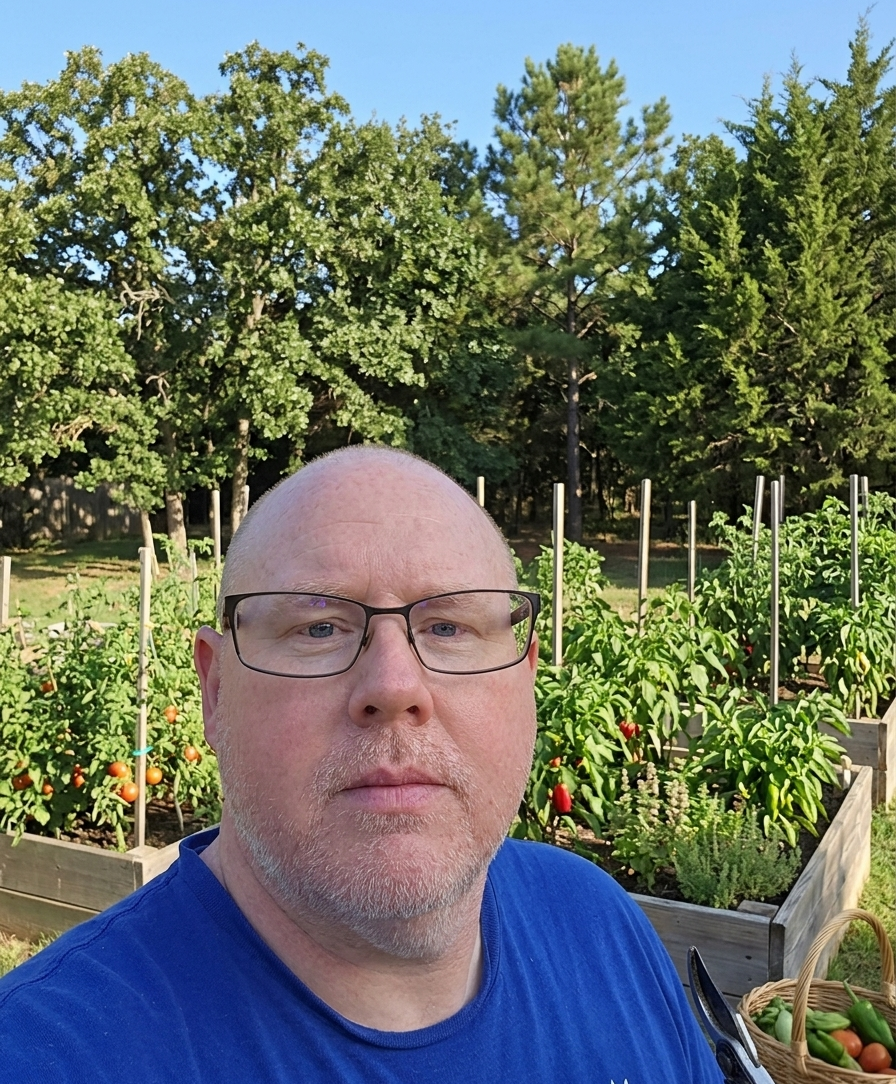
David Rodgers is the Founder & Head Gardener of Planting Atlas. With over 40 years of hands-on gardening experience in Oklahoma's Zone 7 climate, he researches, writes, and personally tests every guide on the site.
David draws from real backyard trials, soil testing, and trusted sources like Oklahoma State University Extension and USDA data to deliver practical, zone-specific advice that actually works.
Read more about David and Planting Atlas →