Design walkways lined with plants that release scent underfoot and at a brushed touch — turning every trip through the garden into a sensory experience.
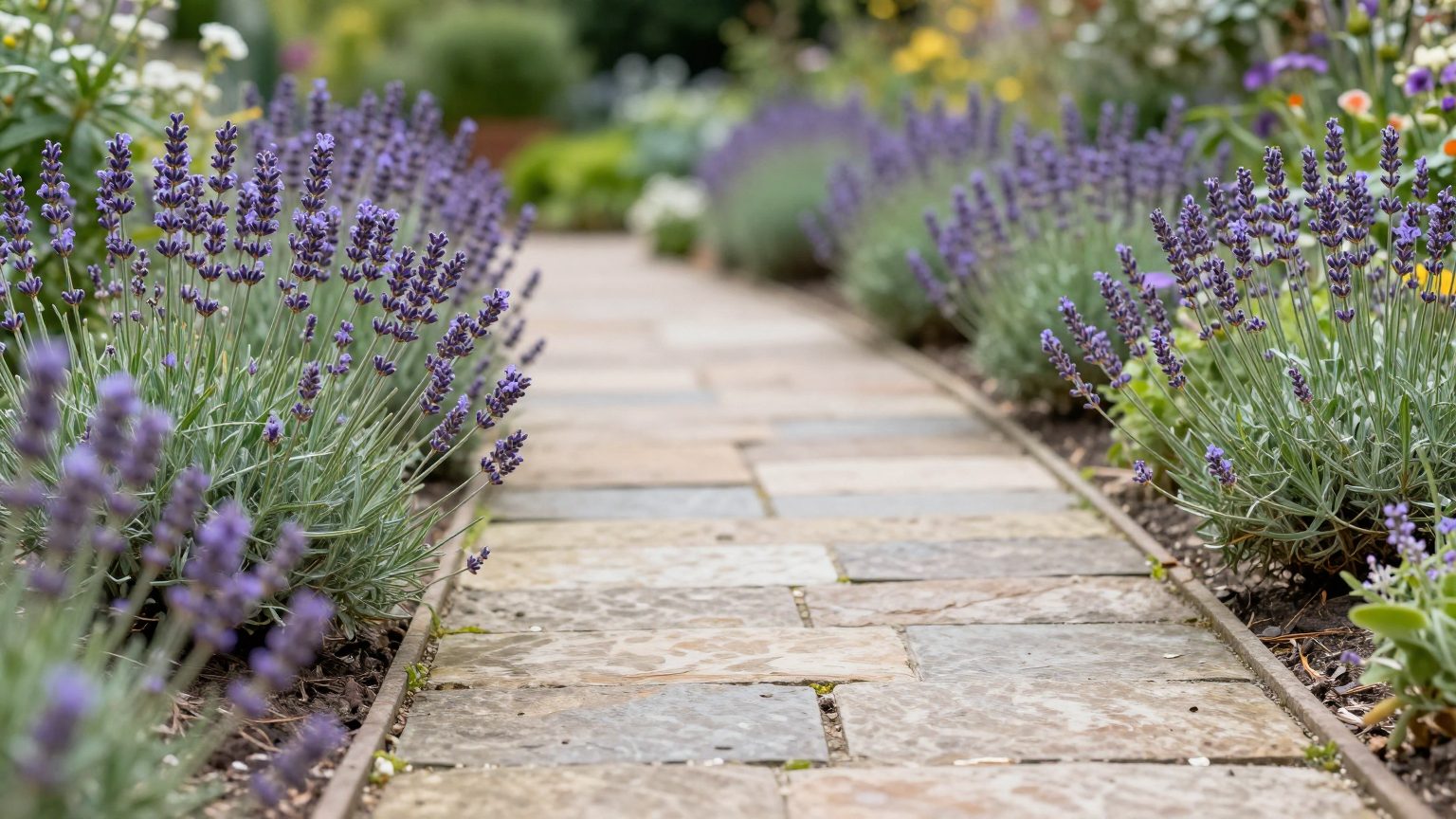
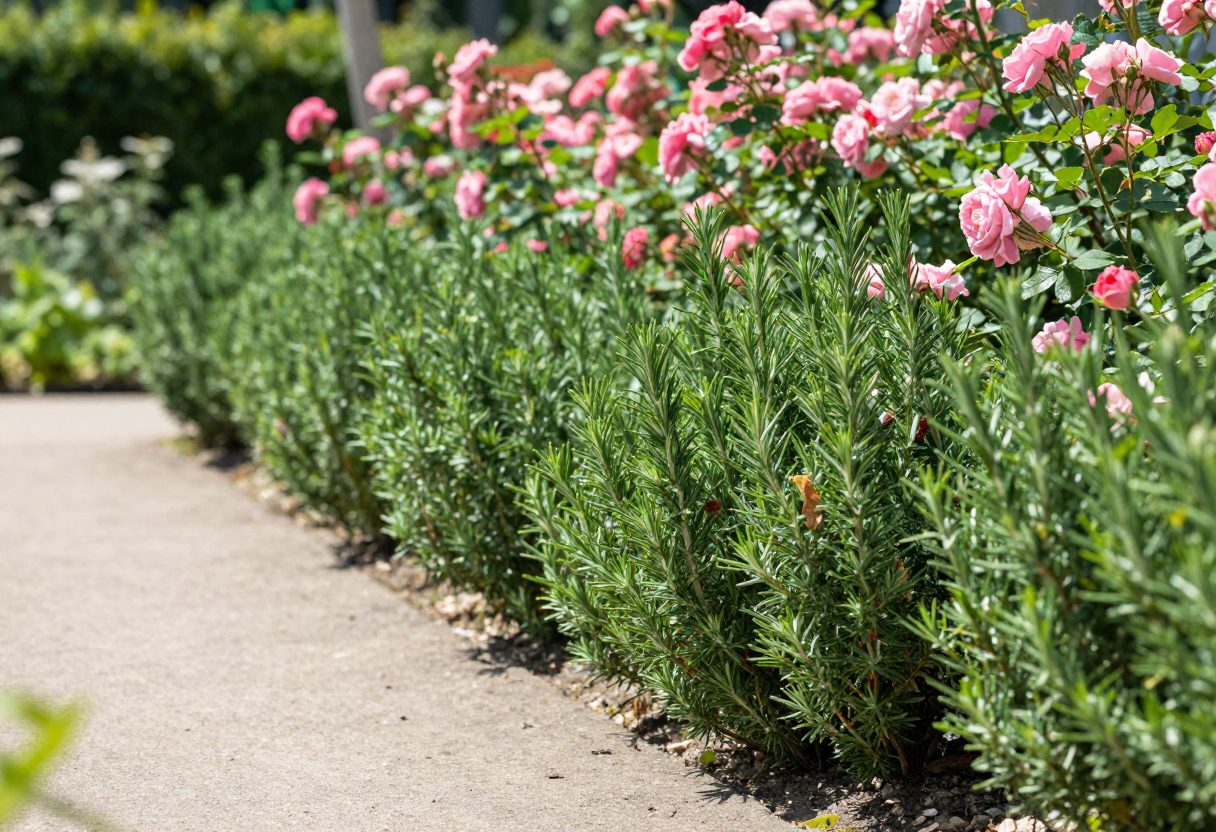
A fragrant garden path does something no other design element can: it engages your sense of smell the moment you step outside. Plants like creeping thyme, Roman chamomile, and sweet alyssum release their fragrance when lightly crushed underfoot, so every footfall becomes part of the experience. Even taller plantings — lavender, roses, and rosemary — positioned just close enough to brush against as you pass transform a simple walkway into a living corridor of scent.
Plants for Between Stepping Stones — Foot-Traffic Tolerance
Not every fragrant groundcover can survive regular foot traffic — matching a plant's actual traffic tolerance to how heavily a path is used prevents a beautiful planting from thinning out and dying within a season.
Plant
Traffic Tolerance
Fragrance Trigger
Notes
Creeping thyme (Thymus serpyllum)
High
Crushed underfoot
The classic choice for stepping-stone paths; tolerates light-to-moderate regular foot traffic
Roman chamomile
High
Crushed underfoot
Apple-like scent; historically used for entire "chamomile lawns"
Corsican mint
Moderate
Crushed underfoot
Extremely low-growing, intensely minty scent, best in part shade with consistent moisture
Elfin thyme
High
Crushed underfoot
Even lower and denser than standard creeping thyme, very slow to establish
Sweet alyssum
Low-moderate
Brushed or crushed
Reseeds readily; better at path edges than directly in the traffic zone
Woolly thyme
Moderate
Crushed underfoot
Silvery, fuzzy foliage; slightly less traffic-tolerant than creeping thyme
⚠️
A heavily used main walkway (daily foot traffic, kids, pets) needs the highest-tolerance options like creeping thyme or Roman chamomile — a fragile groundcover planted in a high-traffic zone will simply fail regardless of how well it's cared for.
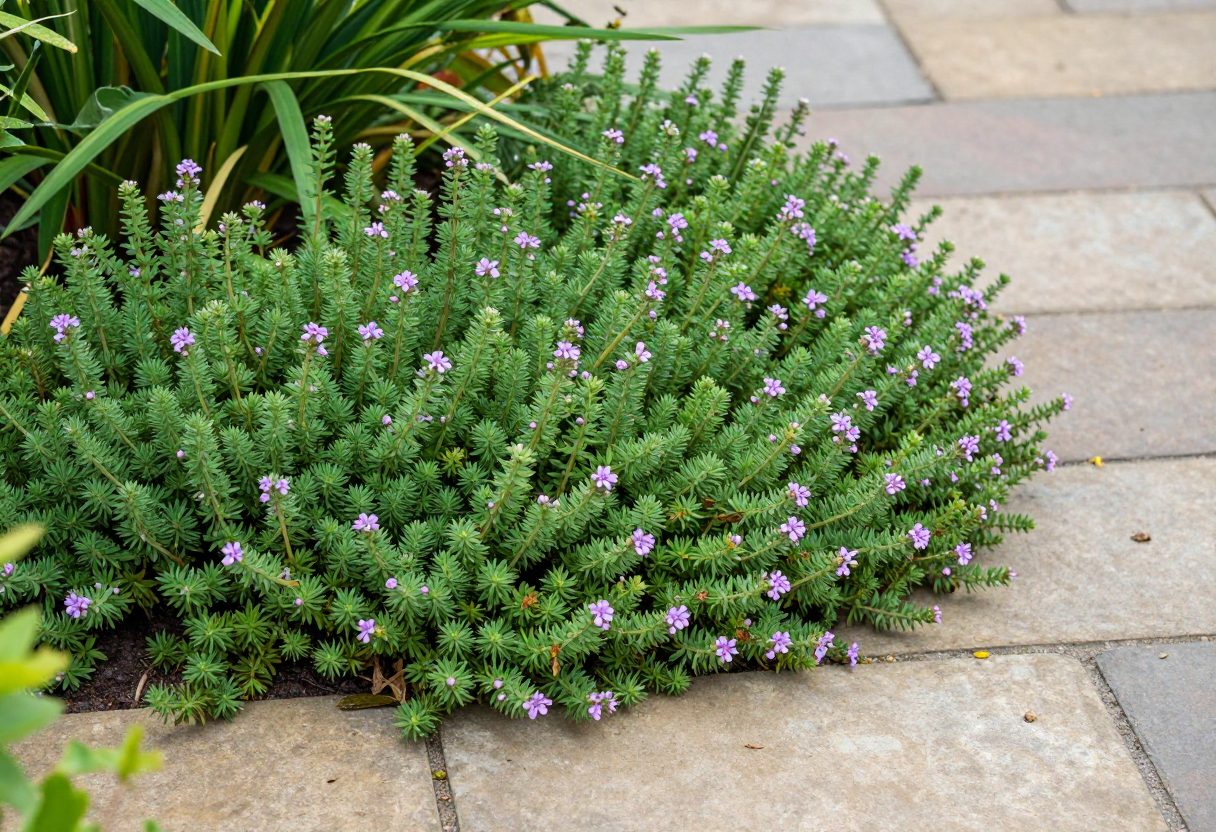
Creeping thyme is the classic choice for stepping-stone paths, releasing fragrance when brushed underfoot.
Stepping-Stone Spacing and Ground Cover Installation
Getting stepping stone spacing right serves two purposes at once: comfortable, natural-feeling footfalls, and enough exposed soil between stones for the fragrant groundcover to actually establish and spread.
•Space stepping stones based on natural stride length — typically 18-24 inches center to center works for most adults, closer for a garden meant to be walked slowly and deliberately.
•Leave at least 2-4 inches of gap around each stone for groundcover to fill in — too little gap limits planting space, too much creates awkward, unstable footing.
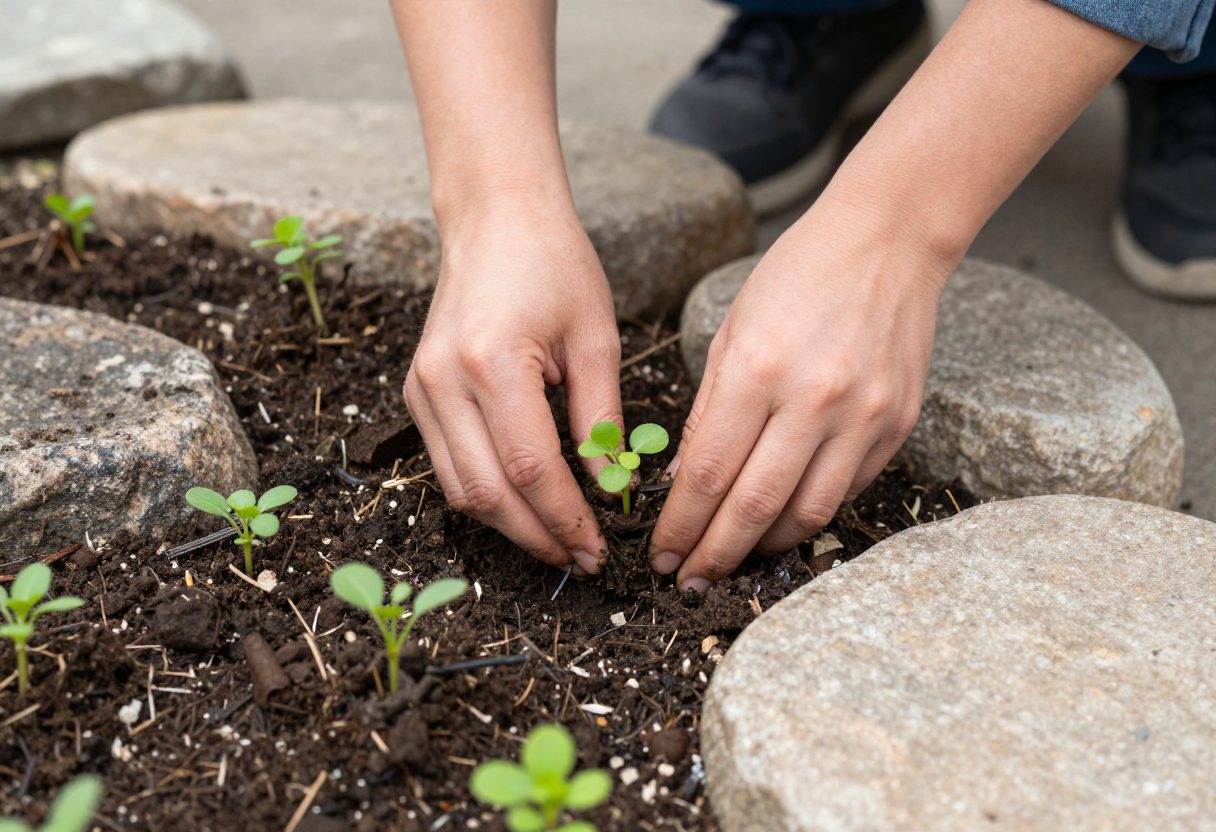
•Plant small starts or plugs directly into the gaps rather than trying to establish from seed in a high-traffic area, where seedlings are easily disturbed before they root in.
•Water new groundcover plantings consistently for the first several weeks while roots establish — established creeping thyme and chamomile are drought-tolerant, but new plantings are vulnerable.
•Avoid heavy foot traffic on newly planted gaps for at least a few weeks to let roots anchor before testing their traffic tolerance.
🪨
Irregular, natural stone shapes create more varied gap sizes than uniform pavers, which often looks more organic and gives groundcover plants more flexibility in how they fill the spaces between stones.
Small plugs planted directly into stone gaps establish more reliably than seed in a high-traffic path.
Upright Brush-By Plants for Path Edges
Taller aromatic plants positioned at path edges — close enough to brush against in passing but not directly in the walking surface — add a second fragrance layer above the low, crushed-underfoot groundcovers.
Plant
Height
Fragrance
Placement Note
Lavender
1-3 ft depending on variety
Classic, strong, released by brushing foliage or flower spikes
Plant 6-12 inches from the path edge so passersby brush it without crowding the walkway
Rosemary
2-4 ft (upright varieties)
Resinous, herbal
Excellent in warm, sunny, well-drained locations; prostrate varieties can spill over path edges
Catmint (Nepeta)
1-2 ft
Minty, slightly pungent
Long bloom season, tolerates heat and some foot proximity well
Roses (shrub or landscape types)
2-5 ft
Sweet floral, strongest on warm days
Position blooms at a height that brushes shoulders or arms, not directly in the walking lane
Germander
1-2 ft
Herbal, subtle
Tidy, formal appearance; good for a more structured path design
🌿
A slight lean or overhang of border plants into the path's edge — rather than a strict, rigid line well back from it — maximizes the chance passersby actually brush against the foliage and trigger its scent.
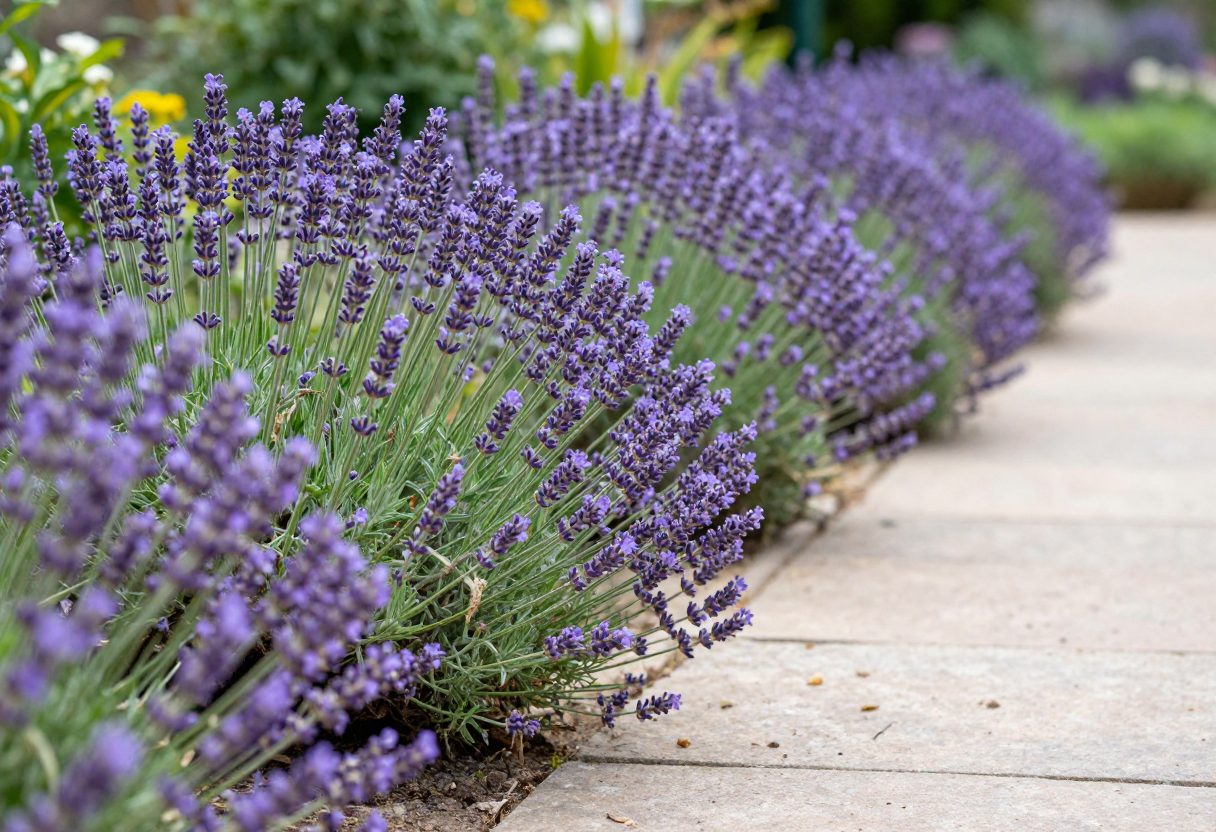
Lavender planted close enough to brush against adds a second fragrance layer above low groundcovers.
Layering Fragrance Through the Seasons
A single-season fragrant path peaks beautifully for a few weeks and then goes quiet. Layering plants with staggered bloom times keeps the path interesting from spring through fall across most US zones.
Season
Fragrant Plants at Peak
Notes
Spring
Roman chamomile (early bloom), sweet alyssum, early-blooming lavender varieties
Groundcovers are often just establishing; border plants carry more of the fragrance load
Peak fragrance season for most temperate-climate paths
Midsummer
Rosemary, creeping thyme (crushed foliage scent persists even without bloom), roses (repeat bloomers)
Foliage-based fragrance (thyme, rosemary) becomes more important as some flowers pause in heat
Fall
Reblooming lavender varieties, catmint (if cut back after first bloom), late roses
A midsummer trim on catmint and reblooming lavender often produces a genuine second flush by fall
🌸
Even in the gaps between bloom-driven fragrance, foliage plants like creeping thyme and rosemary keep releasing scent whenever brushed or stepped on — building a path around at least one foliage-fragrance plant ensures the path never goes completely scentless.
Rosemary's foliage fragrance persists through midsummer even as some blooming plants pause in the heat.
Path Design for Sun vs. Shade
Most classic fragrant path plants (lavender, rosemary, creeping thyme) are Mediterranean natives that need full sun and sharp drainage — a shaded path needs a genuinely different plant palette rather than simply accepting weaker performance from sun-loving choices.
Condition
Groundcover Options
Border/Upright Options
Full sun
Creeping thyme, Roman chamomile, woolly thyme
Lavender, rosemary, catmint, roses
Part shade
Corsican mint, sweet woodruff (fragrant when crushed, shade-loving)
Some rose varieties tolerate part shade with reduced bloom; hosta (fragrant varieties exist, though scent is subtler)
Full shade
Limited fragrant groundcover options; sweet woodruff is the most reliable
Fragrance options are genuinely limited — consider a shade path built more around foliage texture with fragrance as a secondary feature rather than the main design driver
⚠️
Planting lavender, rosemary, or creeping thyme in shade rarely works — beyond weak growth, these Mediterranean plants are prone to root rot in the cooler, moister soil conditions shade typically creates. Choose genuinely shade-adapted fragrant plants rather than forcing sun-lovers into the wrong spot.
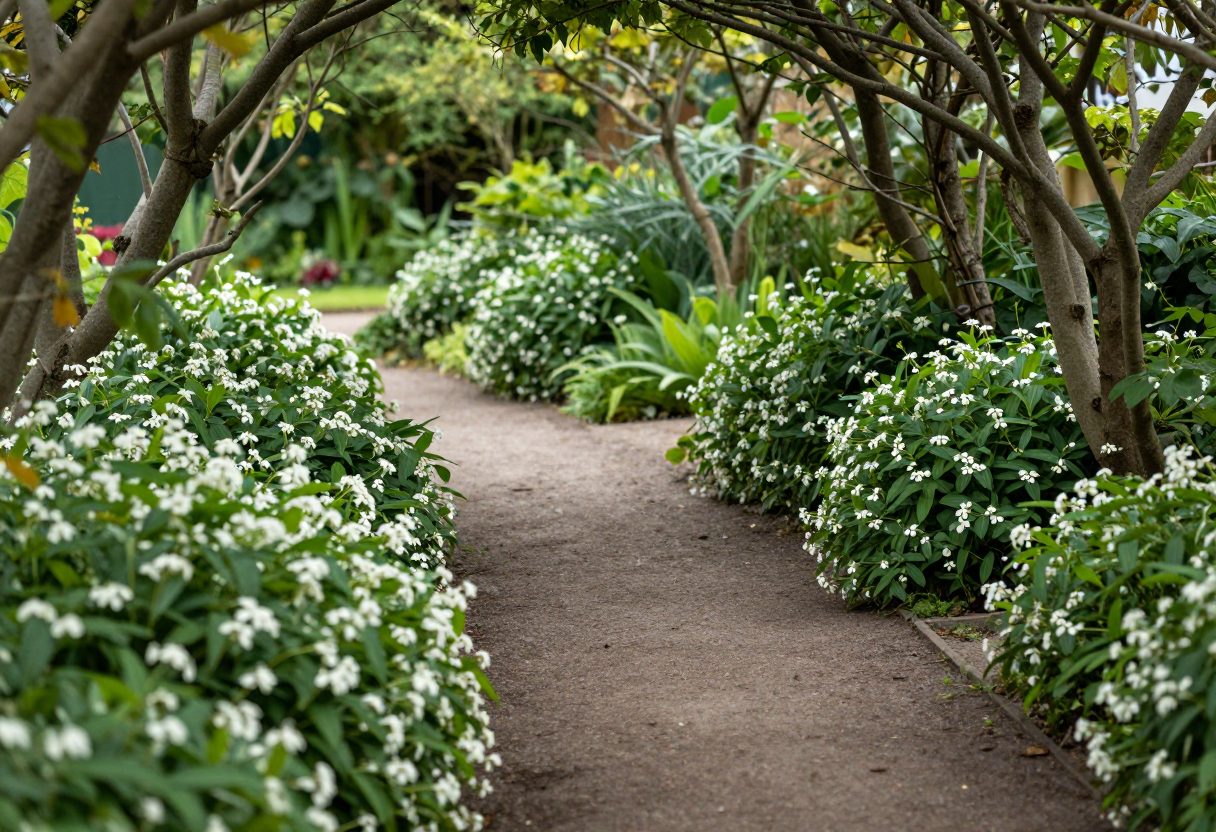
A shaded path needs a genuinely different fragrant plant palette — sweet woodruff is one of the few reliable options.
🌿 Get Seasonal Gardening Tips
New guides, planting reminders, and growing tips — straight to your inbox.
No spam. Unsubscribe anytime.
About the Author
David Rodgers is the Founder & Head Gardener of Planting Atlas. With over 40 years of hands-on gardening experience in Oklahoma's Zone 7 climate, he researches, writes, and personally tests every guide on the site.
David draws from real backyard trials, soil testing, and trusted sources like Oklahoma State University Extension and USDA data to deliver practical, zone-specific advice that actually works.