Fragrant Garden Path
Written by David Rodgers — Updated March 2026
Design walkways lined with plants that release scent underfoot and at a brushed touch — turning every trip through the garden into a sensory experience.
A fragrant garden path does something no other design element can: it engages your sense of smell the moment you step outside. Plants like creeping thyme, Roman chamomile, and sweet alyssum release their fragrance when lightly crushed underfoot, so every footfall becomes part of the experience. Even taller plantings — lavender, roses, and rosemary — positioned just close enough to brush against as you pass transform a simple walkway into a living corridor of scent.
What This Guide Covers
The key to a successful fragrant path is matching the right plants to the right position: low creepers like thyme and chamomile belong between stepping stones where feet will brush them, while upright plants such as lavender, catmint, and sweet shrubs line the edges for a brush-by effect. Timing matters too — some plants peak in spring, others carry through summer heat or bloom into fall — so layering fragrant species with different seasons keeps the path interesting from April through October across most US zones.
A comprehensive, in-depth guide covering plant selection by foot-traffic tolerance, step-stone spacing and ground cover installation, fragrance layering by season, and path design for sun vs. shade is currently in development. Subscribe to the Planting Atlas newsletter to be notified when the full guide publishes.
🌿 Get Seasonal Gardening Tips
New guides, planting reminders, and growing tips — straight to your inbox.
No spam. Unsubscribe anytime.
About the Author
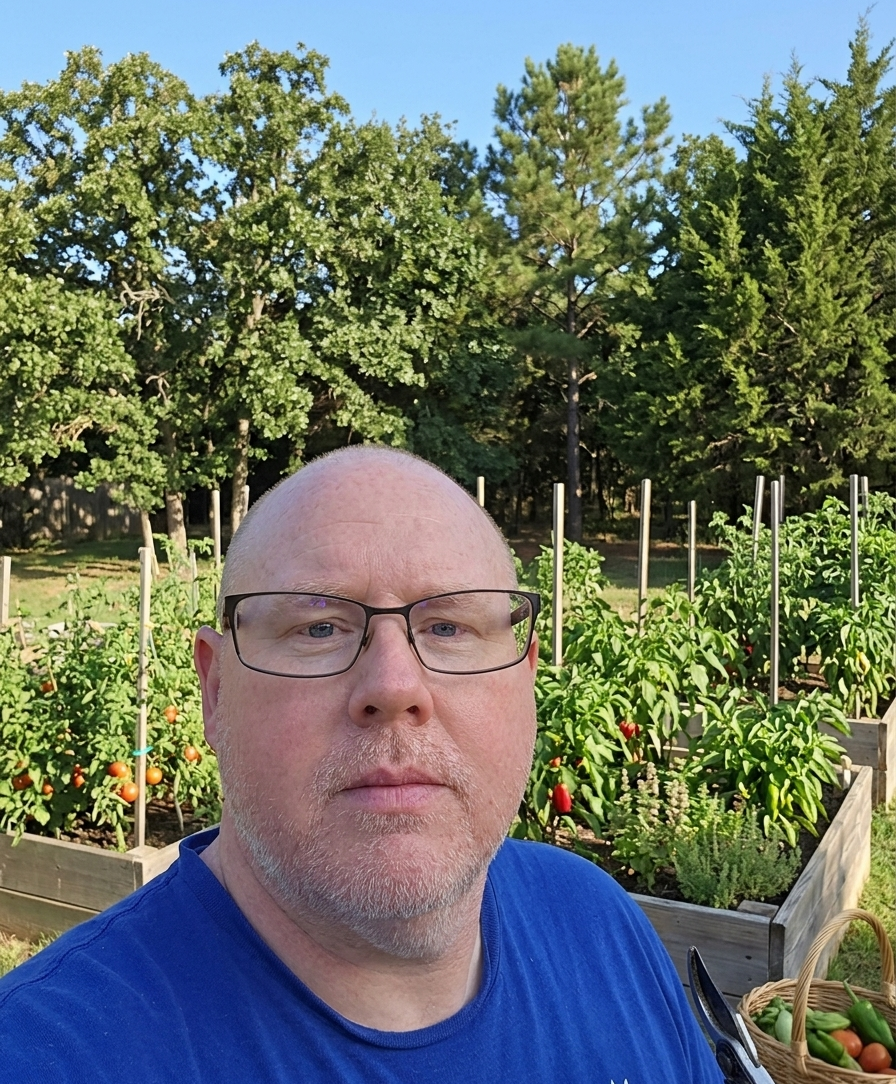
David Rodgers is the Founder & Head Gardener of Planting Atlas. With over 40 years of hands-on gardening experience in Oklahoma's Zone 7 climate, he researches, writes, and personally tests every guide on the site.
David draws from real backyard trials, soil testing, and trusted sources like Oklahoma State University Extension and USDA data to deliver practical, zone-specific advice that actually works.
Read more about David and Planting Atlas →